By using this site, you agree to the Privacy Policy and Terms of Use.
Accept
CookOrBitCookOrBitCookOrBit
  • Home
  • About Us
  • Ingredient Science
    • Flavor & Aroma
    • Protein Chemistry
    • Sugar & Starch
    • Fats & Emulsions
  • Cooking Techniques
    • Searing & Grilling
    • Baking & Roasting
    • Boiling & Steaming
    • Low & Slow
  • Kitchen Experiments
    • DIY Ferments
    • Flavor Tests
    • Gadget Testing
    • Molecular Gastronomy
  • Food Myths
    • Searing Myth
    • 5-Second Rule
    • MSG Myths
    • Microwave Myths
  • Tools
  • More
    • Extra Picks
    • Quick & Easy
      • Breakfast Ideas
      • Desserts
      • Snacks
      • Soups
    • Global Flavors
      • Asian Street Eats
      • Latin Comforts
      • Mexican Flavors
      • Modern Mediterranean
CookOrBitCookOrBit
  • Home
  • About Us
  • Ingredient Science
  • Cooking Techniques
  • Kitchen Experiments
  • Food Myths
  • Tools
  • More
Search
  • Home
  • About Us
  • Ingredient Science
    • Flavor & Aroma
    • Protein Chemistry
    • Sugar & Starch
    • Fats & Emulsions
  • Cooking Techniques
    • Searing & Grilling
    • Baking & Roasting
    • Boiling & Steaming
    • Low & Slow
  • Kitchen Experiments
    • DIY Ferments
    • Flavor Tests
    • Gadget Testing
    • Molecular Gastronomy
  • Food Myths
    • Searing Myth
    • 5-Second Rule
    • MSG Myths
    • Microwave Myths
  • Tools
  • More
    • Extra Picks
    • Quick & Easy
    • Global Flavors
Follow US
  • Advertising Policy
  • Contact Us
  • Cookie Policy
  • Copyright Notice
  • Disclaimer
  • Privacy Policy
  • Terms of Service
By Fimaw.com
Salt Savvy: How to Perfectly Balance Your Ferments
CookOrBit > Blog > Kitchen Experiments > DIY Ferments > Salt Savvy: How to Perfectly Balance Your Ferments
DIY Ferments

Salt Savvy: How to Perfectly Balance Your Ferments

William J. Kroll
By William J. Kroll
Published: February 12, 2026
Share
SHARE

In the vibrant world of fermentation, where ancient traditions meet modern culinary art, salt stands as an unsung hero-a tiny granule with the power to transform humble ingredients into tangy treasures. Welcome to “Salt Savvy: How to Perfectly Balance Your Ferments,” where we unravel the science and subtlety behind the perfect pinch. From crisp kimchi to bubbly sauerkraut, mastering salt is the secret to unlocking complex flavors, preserving textures, and cultivating the beneficial microbes that make fermented foods so irresistible. Ready to dive into the salty science and elevate your fermentation game? Let’s explore how just the right amount of salt can turn your kitchen creations from ordinary to extraordinary.

Contents
  • Unlocking the Science Behind Salt and Fermentation Harmony
    • Choosing the Right Salt for Crisp and Flavorful Ferments
    • Mastering Salt Ratios for Different Vegetables and Flavors
    • Troubleshooting Common Salt-Related Fermentation Issues
    • Prep and Cook Time
    • Yield
    • Difficulty Level
    • Ingredients
    • Instructions
    • Tips for Success
    • Serving Suggestions
  • Q&A
  • The Conclusion

Unlocking the Science Behind Salt and Fermentation Harmony

Salt Savvy enthusiasts know that the delicate dance between salt and fermentation is more than just an ingredient choice-it’s a transformative alchemy that turns simple vegetables into vibrant, tangy treasures. The salt controls microbial growth, encourages lactic acid bacteria, and preserves the crispness and flavor of your ferments. Understanding this science is your first step to mastering flavorful, crunchy ferments that sing with depth.

Choosing the Right Salt for Crisp and Flavorful Ferments

When selecting salt, purity and mineral content are key. Non-iodized salts like sea salt, kosher salt, or Himalayan pink salt allow the natural enzymes and bacteria to flourish without undesirable additives. Fine-table salts can dissolve too quickly, sometimes leading to over-salted or mushy textures. A coarse sea salt retains its integrity during fermentation, imparting subtle mineral notes that elevate flavor complexity. For consistent results, avoid salts with anti-caking agents or iodine, which may inhibit fermentation.

- Advertisement -

Mastering Salt Ratios for Different Vegetables and Flavors

Salt ratios typically range between 1.5% to 3% of the vegetable weight. For example, lighter, leafy ferments like kale or cabbage thrive between 2-2.5% for crispness and tang, while root vegetables like carrots and beets may benefit from 2.5-3% for deeper fermentation. Too little salt invites unwanted bacteria and softness; too much impedes fermentation activity, leading to bland results. Weighing your vegetables and salt using a kitchen scale ensures perfect balance every time.

Troubleshooting Common Salt-Related Fermentation Issues

Encountering mushy textures, off-odors, or slimy surfaces often traces back to salt mismanagement. If your ferment feels too soft, increase the salt slightly, as it helps maintain cell rigidity by drawing moisture out. A sour or bitter taste may indicate uneven salt distribution or insufficient salt penetration. Stir your vegetables well with salt before packing to encourage even brining. Mold spots on the surface can sometimes be cleaned off-always ensure the ferment is submerged and use a properly fitting weight to avoid air exposure.

Prep and Cook Time

  • Preparation: 20 minutes
  • Fermentation: 5 to 14 days (depending on desired sourness)

Yield

Yields approximately 1 quart of flavorful fermented vegetables

- Advertisement -

Difficulty Level

Medium – requires patience and precise measurement but beginner-friendly with practice

Ingredients

  • 1 lb fresh vegetables (cabbage, carrots, cucumbers, or mixed)
  • 20 to 30 grams non-iodized coarse sea salt (2-3% by weight of vegetables)
  • Filtered water (if needed to submerge vegetables)
  • Optional: 1 tsp caraway seeds, 2 cloves garlic, or 1 small chili pepper

Instructions

  1. Weigh your trimmed vegetables. Rinse thoroughly and slice or shred as desired for your ferment.
  2. Sprinkle the non-iodized sea salt evenly over the vegetables. Massage and gently crush for 5-7 minutes until the vegetables release enough liquid to create a brine.
  3. Add optional aromatics like garlic or caraway seeds to deepen flavor if desired.
  4. Pack the salted vegetables tightly into a clean fermentation jar. Press down firmly so the brine rises above the vegetables, leaving at least 1 inch of headspace.
  5. Place a fermentation weight or clean small jar on top to keep vegetables submerged. Cover with a breathable ferment lid or cloth secured with a rubber band.
  6. Store in a cool, dark spot between 65-72°F (18-22°C) for 5 to 14 days, tasting every 2-3 days to assess tanginess and texture.
  7. Once desired fermentation is reached, transfer to the refrigerator to slow the process and maintain freshness.

Tips for Success

  • Measure precisely: Salt-to-vegetable weight ratio is critical-use a kitchen scale.
  • Keep everything clean: Use sterilized jars and tools to prevent unwanted bacteria.
  • Submerge fully: Ensure vegetables stay underwater to avoid mold formation.
  • Adjust salt for different textures: Higher salt for crunchier root veggies, slightly less for leafy greens.
  • Avoid iodized and anti-caking salts: These can inhibit beneficial bacteria growth.
  • For troubleshooting molds: Remove any surface mold immediately; if pervasive, discard the batch.

Serving Suggestions

Serve your fermented vegetables as a vibrant condiment alongside rich comfort foods like smoked meats, add a crunchy punch to grain bowls, or mix into fresh salads for a probiotic boost. Garnish with freshly chopped herbs, a drizzle of good-quality olive oil, or toasted seeds for contrast in color and texture. The tangy snap of a perfectly salted ferment livens up everything from sandwiches to charcuterie boards.

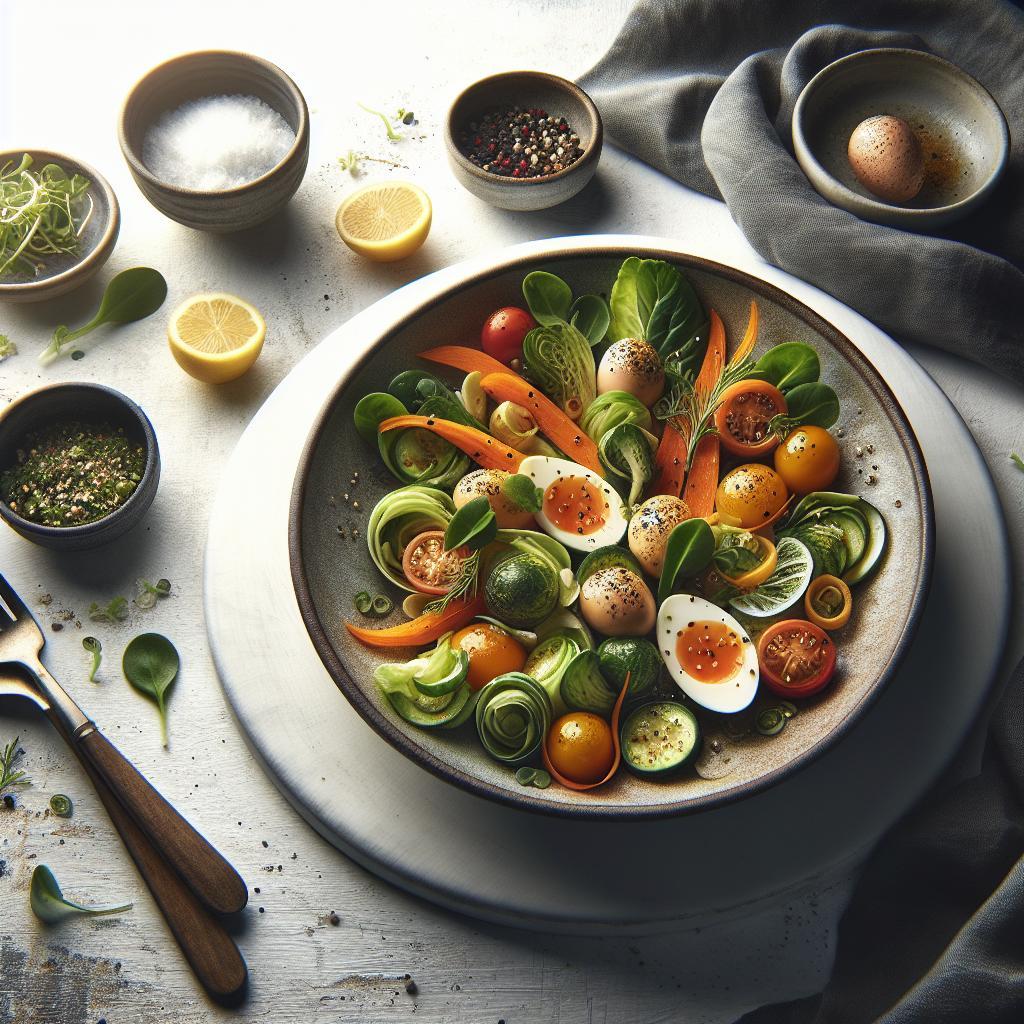
Salt Savvy: How to Perfectly Balance Your Ferments - fresh crunchy fermented vegetables

- Advertisement -
Nutrient Per Serving (1/2 cup)
Calories 35
Protein 1g
Carbohydrates 7g
Fat 0g
Salt (Sodium) 400mg

For continued inspiration, explore our Fermentation Basics for Beginners to build confidence in crafting your own cultured foods. Also, dive deeper into the microbiology of fermentation via this authoritative resource from the National Center for Biotechnology Information.

Q&A

Q&A: Salt Savvy – How to Perfectly Balance Your Ferments

Q1: Why is salt such a critical ingredient in fermentation?
A: Salt is the maestro behind the scenes of every successful ferment. It controls the microbial environment, encouraging the growth of beneficial bacteria while keeping harmful ones at bay. Without the right amount of salt, your cabbage might turn into a slimy mess instead of crisp, tangy kimchi or sauerkraut.

Q2: How do I know how much salt to use in my ferment?
A: The golden rule is usually about 2% salt by weight of the vegetables. That means if you have 1,000 grams of cabbage, you’d use around 20 grams of salt. This balance preserves crunch, flavor, and safety-too little salt invites spoilage; too much stifles fermentation.

Q3: Can I use any kind of salt for fermenting?
A: While you can experiment with various salts, the best choices are plain, additive-free salts like kosher salt or sea salt. Avoid iodized salts or those with anti-caking agents, which can cloud your brine or inhibit microbial action. Each salt has its own mineral profile, subtly influencing flavor and texture.

Q4: What happens if my ferment is too salty?
A: A salt spike creates a hostile environment for many microbes, slowing fermentation or halting it entirely. Your veggies may stay crunchy but won’t develop that characteristic tang. If you catch this early, rinsing the ferment lightly or diluting with fresh veggies can rescue the batch.

Q5: How do I adjust salt ratios for different fermenting projects?
A: Fermenting softer vegetables like cucumbers or quick pickles often require slightly less salt (around 1.5-2%), while heartier veggies like cabbage, carrots, or beets can handle up to 2.5%. Always start with the standard 2%, then tweak depending on texture, taste, and fermentation speed.

Q6: Is salt the only thing controlling fermentation?
A: Salt is key, but temperature, cleanliness, and the natural microbes on your vegetables all play vital supporting roles. Salt sets the stage; the environment and microbes perform the fermentation symphony.

Q7: Can I substitute salt with other preservatives in fermentation?
A: Not really. Salt’s unique ability to create osmotic pressure and select for friendly bacteria can’t be duplicated by sugar, vinegar, or spices alone. While other ingredients add flavor or assist preservation, salt remains the cornerstone of traditional fermentation.

Q8: How do I store my ferments after salting and fermenting?
A: Once your ferment achieves the flavor you love, store it in a cool, dark place-ideally the fridge. The salt will continue to preserve your creation, slowing fermentation and extending shelf life without sacrificing that beloved tang.


Mastering the salt balance in fermentation means unlocking a world of flavor and preservation. With the right pinch, you turn humble vegetables into crunchy, briny treasures that dance on your tongue and nourish your gut. Salt savvy is fermenting success!

The Conclusion

Mastering the art of salinity is the secret ingredient that transforms ordinary ferments into vibrant, tangy treasures. By understanding how to balance salt with care and intention, you unlock a world where flavors deepen, textures bloom, and preservation thrives. Whether you’re a seasoned fermenter or a curious beginner, embracing salt savvy empowers you to craft ferments that are not only delicious but also alive with the magic of controlled fermentation. So, sprinkle wisely, taste regularly, and let your jars become a celebration of both science and sensory delight-one perfectly balanced batch at a time.
Salt Savvy: How to Perfectly Balance Your Ferments

Umami Unveiled: The Chemistry Behind Tomatoes & Mushrooms
Velvety Instant Pot Potato Soup: Cozy Comfort Fast
The Transformation of Dairy Proteins Under Heat: Science Unveiled
Unlock Flavor: Mastering MSG in Your Home Cooking Recipes
What Happens When You Skip Patting Meat Dry: An Experiment
TAGGED:andhowperfectlysaltthe
Share This Article
Facebook Pinterest Whatsapp Whatsapp LinkedIn Telegram Threads
What do you think?
Love0
Sad0
Happy0
Sleepy0
Angry0
Dead0
Wink0
Previous Article Unlocking “The Stall”: What It Really Means Explained Unlocking “The Stall”: What It Really Means Explained
Next Article Rice Rivalry: Jasmine vs Basmati Showdown Tested and Explained Rice Rivalry: Jasmine vs Basmati Showdown Tested and Explained
Savor the Flavor: Creamy Garlic Beef Recipe Uncovered
Extra Picks
Hearty Turkey and Mushroom Soup: A Cozy Comfort Recipe
Extra Picks
Carrageenan Uncovered: Nature’s Seaweed Thickening Secret
Molecular Gastronomy
Unlocking Creamy Magic: What Is a Yogurt Maker?
Gadget Testing

Tags

and are art baked beef behind brighten broccoli butter carrot cauliflower cheese chemistry chicken chickpea chili classic coconut cracking crafting creamy crisp crispy crust delicious dough easy egg exploring fat fish flavor flavorful food for garlic golden grill guide happens healthy hearty heat how inside irresistible keto lemon magic make master mastering meat microwave pasta perfect perfectly power protein rice roasted Salad salmon salt savor savory science searing secret secrets sizzling slow sourdough squash steak sugar sweet testing that the tips top turkey ultimate umami unlock unlocking unraveling unveiling vegetable velvety water what when whipping wholesome why with your zesty
February 2026
M T W T F S S
 1
2345678
9101112131415
16171819202122
232425262728  
« Jan    

You Might Also Like

Savor the Flavor: Creamy Spinach & Mushroom Orzo Delight
Extra Picks

Savor the Flavor: Creamy Spinach & Mushroom Orzo Delight

William J. Kroll
William J. Kroll
December 22, 2025
Hearty Chicken and Potato Stew: A Comfort Food Classic
Extra Picks

Hearty Chicken and Potato Stew: A Comfort Food Classic

William J. Kroll
William J. Kroll
February 6, 2026
Unlocking Flavor: The Vital Role of Scoring Chestnuts
Boiling & Steaming

Unlocking Flavor: The Vital Role of Scoring Chestnuts

William J. Kroll
William J. Kroll
October 2, 2025
Unveiling the Chemistry Behind the Perfect Fish Sauce Flavor
MSG Myths

Unveiling the Chemistry Behind the Perfect Fish Sauce Flavor

William J. Kroll
William J. Kroll
January 17, 2026
Salt and Proteins: Unraveling the Structural Dance
Protein Chemistry

Salt and Proteins: Unraveling the Structural Dance

William J. Kroll
William J. Kroll
October 2, 2025
Hearty Chickpea & Spinach Curry: A Nutritious Flavor Boost
Extra Picks

Hearty Chickpea & Spinach Curry: A Nutritious Flavor Boost

William J. Kroll
William J. Kroll
January 15, 2026
Follow US
By Fimaw.com © All Rights Reserved.
  • Advertising Policy
  • Contact Us
  • Cookie Policy
  • Copyright Notice
  • Disclaimer
  • Privacy Policy
  • Terms of Service
Welcome Back!

Sign in to your account

Username or Email Address
Password

Lost your password?