

Beef aging is a controlled process that transforms muscle into a more flavorful, tender steak through time, enzymatic activity, and moisture control. Professional butchers and cooks use beef aging to concentrate savory compounds and to break down connective tissue for superior mouthfeel.
- Key takeaway: Proper beef aging concentrates umami and increases tenderness through proteolysis and moisture loss.
- Timing matters: Short wet aging (7–14 days) vs. longer dry aging (21–45 days) yields different intensity levels.
- Cut selection: Well-marbled primals respond best to extended beef aging.
- Safety first: Consistent temperature and humidity are essential to prevent spoilage.
beef aging: Prep and Cook Time
Plan prep and cook time around the aging window you choose. If you use dry aging, add days or weeks to your schedule before a quick, high-heat sear.
Most home-friendly beef aging falls between 7 and 45 days depending on the method. Allow 10 minutes active prep and 15–20 minutes for the final sear and rest when you remove the cut from aging.
beef aging: Yield and Difficulty
Expect weight loss with dry aging because moisture evaporates and a hard exterior forms. Typical trim loss ranges 10–30% and increases with longer aging; wet aging keeps yield higher because the cut remains vacuum-sealed.
Difficulty is moderate for home cooks who monitor conditions and easier for wet aging. Dry aging needs dedicated space, airflow, and humidity control, while wet aging relies on reliable refrigeration and vacuum sealing.
beef aging: Ingredients
Choose a well-marbled primal such as ribeye or striploin for the best beef aging results. Intramuscular fat carries flavor and helps the meat tolerate longer aging without drying out excessively.
Keep seasoning minimal so the aged beef character remains the center of the plate. Basic items: kosher or sea salt, freshly ground pepper, neutral oil for searing, and optional fresh herbs for finishing.
- 2 lb well-marbled ribeye or striploin (bone-in preferred for dry aging)
- Sea salt or kosher salt (to taste)
- Freshly ground black pepper (to taste)
- 2 tbsp neutral oil (for searing)
- Fresh rosemary or thyme (optional)
beef aging: Instructions
Follow method-specific controls to shape flavor reliably. Record temperature and humidity for reproducible beef aging runs.
Before any aging, confirm initial meat quality and that the refrigeration unit maintains 32–36°F (0–2°C). Track conditions and inspect every 48–72 hours for consistent progress.
Dry aging
Dry aging concentrates flavor by controlled moisture loss and benign surface microbial activity. Place the whole primal on a wire rack in a dedicated unit, maintain 34°F (1°C) and roughly 80–85% relative humidity with gentle air movement.
Wrap loosely with breathable cloth if desired and trim the hardened crust before cooking. Expect pronounced dry-aged flavor in 21–45 days, but shorter runs still improve tenderness and concentration.
Wet aging
Wet aging uses vacuum-sealed packaging so enzymes tenderize while juices remain contained. Store vacuum-packed cuts at the same chilled temperatures and age 7–14 days for reliable tenderness without the intense funk of dry aging.
Wet aging is simple and retains weight, making it practical for small refrigerators or for cooks who prefer predictable, beef-forward flavor. Use vacuum bags rated for food and verify seals before starting the clock.
- Bring to room temperature: Remove aged steak 30–60 minutes before searing for even cooking.
- Season simply: Salt right before searing or up to 20 minutes to allow penetration without drawing excessive moisture.
- Sear hot: Use a heavy skillet or grill and sear 3–4 minutes per side for medium-rare, adjusting for thickness.
- Add aromatics late: Toss herbs and crushed garlic in the last minute to infuse flavor without burning.
- Rest properly: Tent with foil and rest 5–10 minutes to redistribute juices.
- Slice against the grain: Cut to preserve perceived tenderness and serve immediately.
beef aging: Tips for Success
Temperature control is non-negotiable when you age beef at home. Use a dedicated refrigerator, a calibrated thermometer, and a hygrometer for dry aging to limit microbial risk.
Choose intact muscle groups with good marbling and minimal surface damage; those pieces age predictably. If you lack equipment, buy professionally aged beef from a reputable butcher to get consistent results.
- Dry aging needs a dedicated space, airflow, and humidity control.
- Wet aging is easy and retains yield while improving tenderness.
- Trim loss grows with aging time; plan portions accordingly.
Record dates on labels and separate aged items from regular foods to avoid cross-contamination. Consistent practice and note-taking let you dial in the precise flavor profile you prefer.
beef aging: Serving Suggestions
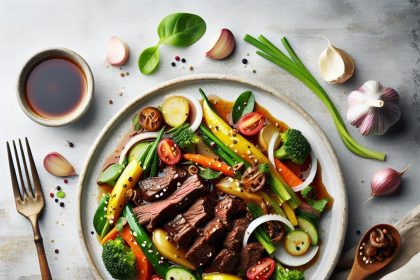
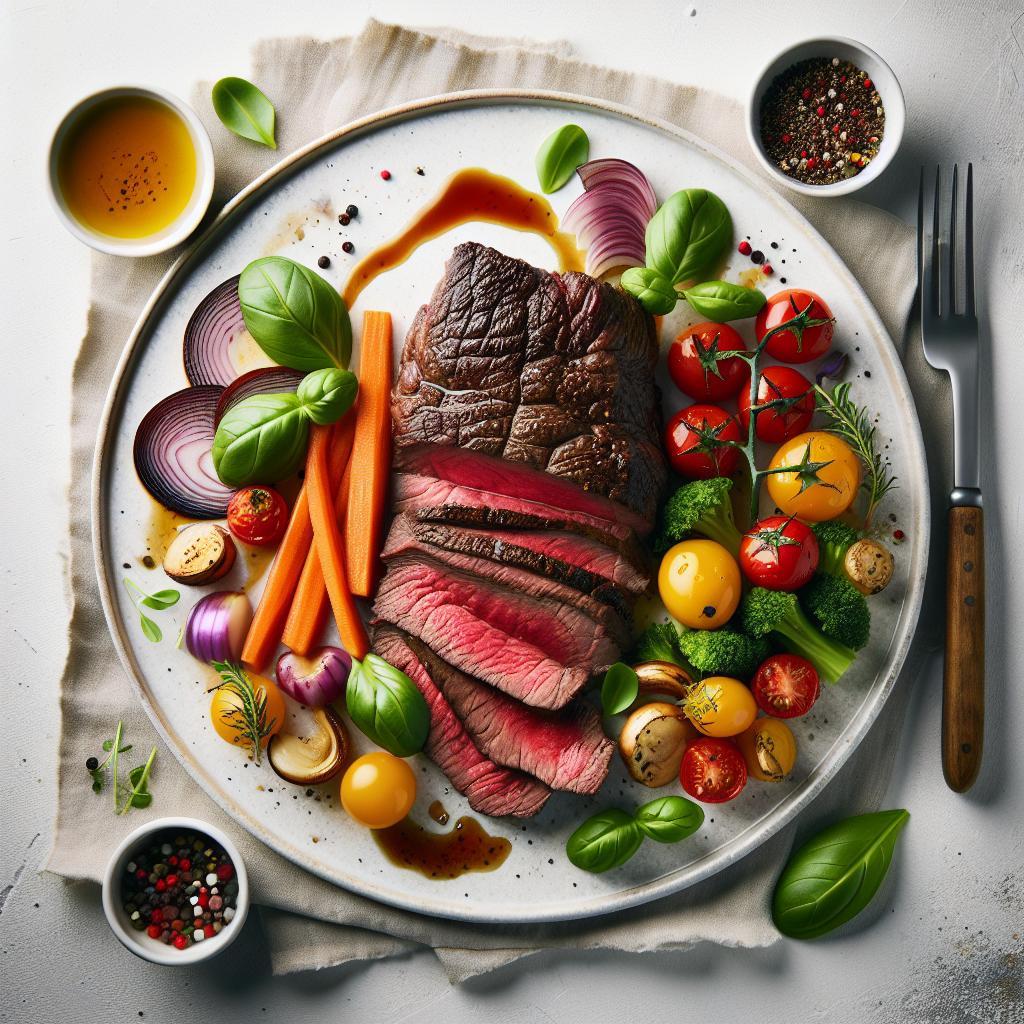
Let aged beef take center stage with simple sides that support, not mask, the meat. Roasted root vegetables, sautéed mushrooms, or a bright herb sauce work well to highlight the concentrated beef flavor.
Finish with a small pinch of finishing salt or a drizzle of herb-infused oil to accent the crust and internal richness. Present sliced on a warm platter and garnish modestly to keep focus on the steak.
beef aging: Nutritional Information
Aging changes moisture content more than macronutrient chemistry, so protein and fat per cooked ounce remain similar. Dry aging reduces water weight and therefore can increase calories per ounce compared with the unaged cut.
Trim level and cooking method influence final values more than aging itself. Below are approximate values for a 6–8 oz cooked portion after typical trimming.
| Nutritional Information | Per Serving (approx.) |
|---|---|
| Calories | 550 kcal |
| Protein | 48 g |
| Carbohydrates | 2 g |
| Fat | 40 g |
beef aging: Science and Tradition
Enzymatic breakdown, known as proteolysis, is central to how beef aging improves tenderness and generates flavor precursors. For a technical overview of protein breakdown in food, see proteolysis.
Many of the palatable notes associated with aged beef come from concentrated amino acids and nucleotides that increase umami perception. Learn more about this taste quality at the umami overview.
Dry aging concentrates Maillard precursors by removing water and allowing limited surface microbial development to create complex aromas. For a concise industry summary on traditional methods, consult dry-aging.
Butchery technique and aging tradition vary by region and retailer; a skilled butcher selects the right primal and controls environment to craft consistent aged products. For background on the meat supply and roles, see the general beef resource and the butcher entry for professional practice context.
FAQ
What is the difference between dry and wet aging?
Dry aging concentrates flavor through surface dehydration and complex aroma development, producing a nuttier, more intense profile. Wet aging preserves moisture in vacuum packaging and yields tender meat with subtler flavor change.
How long should I age beef for best results?
Common ranges: wet aging 7–14 days, dry aging 21–45 days for home or restaurant use. Shorter periods favor tenderness, while longer aging increases flavor intensity but raises trim loss.
Can I safely age beef at home?
Yes, with disciplined monitoring of temperature and humidity and a dedicated fridge or container. Use a thermometer and hygrometer, record conditions, and discard meat that develops off-odors or slimy surfaces.
Does beef aging change the nutritional profile?
Aging primarily affects water content and flavor chemistry rather than macronutrient composition. Dry aging reduces water weight, which can concentrate calories per ounce compared with unaged meat.
What should I ask my butcher when buying aged beef?
Ask about the aging method, duration, and storage conditions, and request the trim or pack date. Also ask about primal origin and marbling level, as those factors predict how the meat will respond to extended beef aging.
See also: beef aging techniques and practical butchery guidance for selecting the right cut and timing.
See also: beef aging