
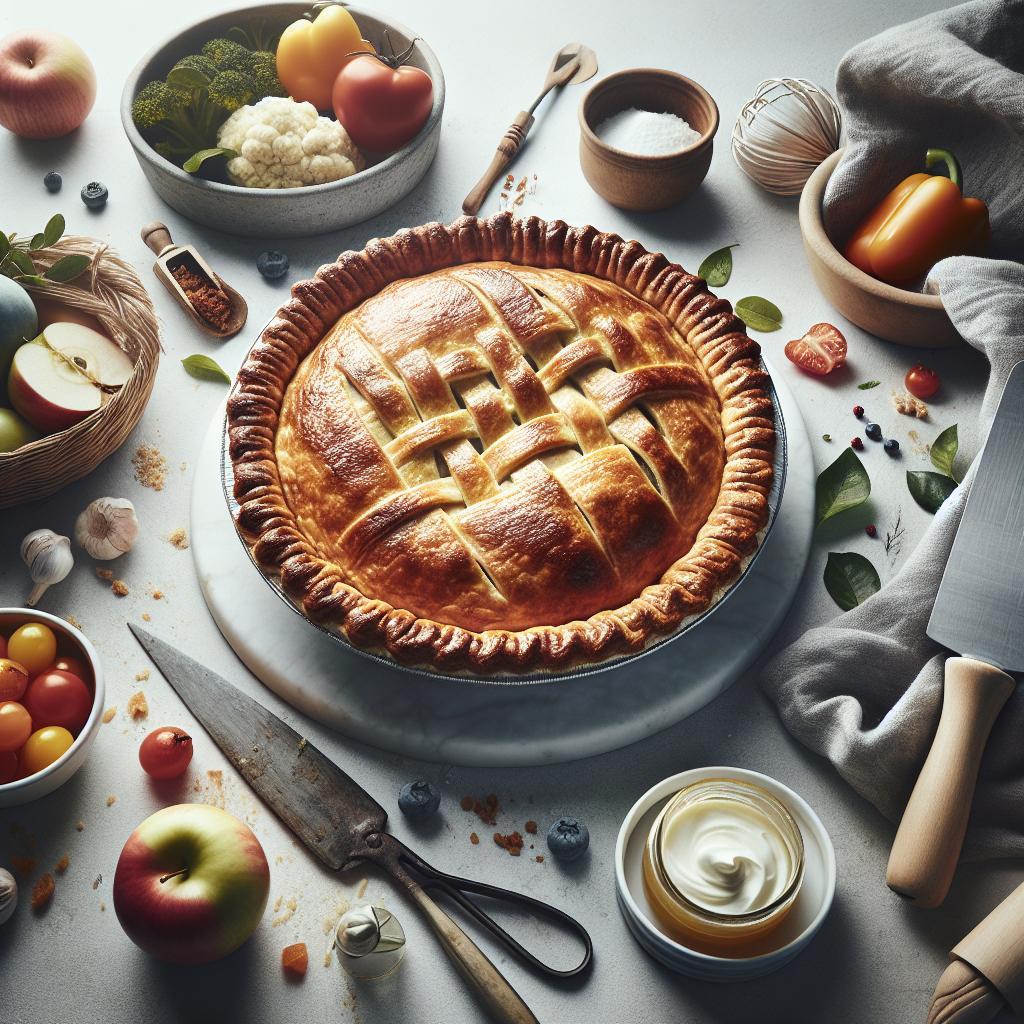

There is real satisfaction in a tender, flaky pie crust. When the crust turns tough, you lose that contrast of crisp layers and buttery melt that makes pies memorable.
- Cold fats and minimal handling are the two fastest fixes for toughness.
- Flour type and hydration control gluten development; choose wisely.
- Chill and rest the dough to relax gluten and firm fats before rolling.
Why Pie Crusts Turn Tough
Tough pie crusts result from excess gluten formation, lost fat barriers, or moisture imbalance. Each factor interacts during mixing, resting, and baking to change texture.
Flour protein content and temperature play large roles. For background on gluten chemistry, see gluten.
Overworking the Dough
Mechanical action develops gluten. The more you mix, knead, or press, the firmer those networks become, which produces chew instead of flake.
Use a pastry cutter, two knives, or quick pulses in a food processor to limit development. Stop when the dough barely holds together.
Warm Ingredients and Melted Fats
Warm butter blends too smoothly into flour, removing the chunks that steam and create layers. That means fewer laminated pockets and a denser crumb.
Keep butter and shortening cold until baking. For context on fats and texture, read about butter.
Wrong Flour and Excess Protein
High-protein flours like strong or bread flours form stronger gluten. That strength works for bread, not pastry.
Use all-purpose or pastry flour for crusts. For general background, see the flour article.
Practical Fixes You Can Use Today
The following steps address the common failure points directly. Each item focuses on controlling gluten, preserving fat, or correcting moisture.
Apply these fixes in order during your next bake to test improvement and learn what matters most for your oven and ingredients.
1) Keep Everything Cold
Chill your fat, equipment, and work surface when possible. Cold fats stay solid and create distinct pockets that steam into flakes during baking.
Splash only a tablespoon of very cold water at a time to bring dough together. If you want a scientific context for heat and cooking, see baking.
2) Measure and Choose Flour Wisely
Use the correct flour and measure by weight when possible. Excess flour will increase gluten; too little gives a sticky mess and potential overworking while correcting it.
Swap to pastry flour if you find consistent toughness with all-purpose. Pastry flour reduces protein content and limits gluten strength.
3) Limit Handling and Mixing Time
Combine until the dough just holds. Stop mixing the moment pea-sized fat pieces remain visible—those pockets make flake.
When rolling, lift and chill the dough rather than kneading. Gentle handling preserves the layer structure you want.
4) Rest and Chill Properly
Rest dough at least 1 hour in the refrigerator so gluten relaxes and fats firm up. Resting prevents shrinkage and improves flake.
If you make dough ahead, wrap discs tightly and let them rest for 24–48 hours or freeze for longer storage. Thaw slowly in the refrigerator before rolling.
[having separated blocks — see below for expert tips and cautions]
After chilling, handle the dough only enough to roll and fit into the pan. Stretching causes spring-back during baking and a tougher edge.
Use floured parchment or silicone surface to roll with minimal extra flour. That reduces the tendency to overwork the dough while preventing sticking.
Baking Techniques That Prevent Toughness
Baking method influences final texture. Uneven heat or overbaking can dry the crust into chew instead of crisp break.
Start at a moderate temperature and watch for golden color. Use a preheated baking sheet to help the bottom set quickly and form flaky layers.
Shielding and Timing
Use a shield or foil on edges to prevent overbrowning while the center finishes. Rotate the pie halfway through for even color and doneness.
Remove the foil in the last 10–15 minutes if you want a deep golden finish. Avoid overbaking; crumb moisture retention matters for tenderness.
Allow the pie to rest briefly after baking; short rest improves slicing without compressing layers. Serve while warm for best textural contrast with cold accompaniments.
Recipe Notes and Chef’s Tips
Use a fat blend—about 50/50 butter and shortening—for taste and reliable structure. Butter gives flavor; shortening offers a higher melting point for stable flake.
Acid like a teaspoon of vinegar or lemon juice slightly weakens gluten and can improve tenderness without changing flavor. Add it with the cold water.
For troubleshooting, keep a baking log: note flour brand, butter temperature, water amount, chill times, and oven behavior. Small changes often reveal the core issue.
For more technique pieces on dough and pastry, reference your site’s internal resources: pie crust ingredients guide and pie baking basics.
Serving and Salvage Strategies
If a crust comes out slightly tough, present it with a soft component: ice cream, custard, or a sauce. That contrast improves perceived texture.
For future bakes, apply one change at a time—cold fat, less mixing, or different flour—so you can identify the effective adjustment.

| Nutrient | Per Serving |
|---|---|
| Calories | 320 |
| Protein | 4g |
| Carbohydrates | 28g |
| Fat | 22g |
FAQ
Why does overworking make crust tough?
Mechanical action aligns gluten proteins and forms a network. The stronger that network becomes, the more chew you will taste rather than flake.
Limit handling and stop mixing when the dough just holds together to retain a tender crumb.
Can I fix a crust after it is already tough?
If the crust is already baked and tough, you cannot fully reverse the structure. Use moist or fatty accompaniments to soften each bite and improve enjoyment.
For future bakes, change one variable at a time—temperature or flour—to isolate the cause.
Does butter really make a better tasting crust than shortening?
Butter provides superior flavor because of milk solids and water. Shortening can improve lift and flake due to its higher melting point.
Combine fats to get both flavor and structure: many professionals use a mix for consistent results.
How important is chilling time?
Chilling relaxes gluten and firms fat, which reduces shrinkage and improves lamination. At least one hour is a practical minimum for most doughs.
Longer chill times—up to 48 hours—can improve handling and flavor. Freeze for longer storage and thaw in the refrigerator.
What flour should I use to avoid toughness?
All-purpose or pastry flour gives a balanced protein level that limits strong gluten development while providing structure. Avoid bread or high-gluten flours for pie crust.
Measure flour by weight for consistency, and adjust water in small increments to avoid overhydration.
Apply these focused adjustments and you will correct most causes of a tough crust. Keep notes and test methodically to build reliable, flaky results every bake.
See also: pie crust