

Crafting Zesty Fermented Mustard Using Whey Magic
There is a tangy revolution bubbling in kitchens and fermentation benches where tradition meets precise technique. This recipe uses fresh whey to transform mustard seeds into a lively, probiotic-rich condiment with layered savory, spicy, and lactic notes.
- Whey accelerates lactic fermentation and brings a softer mouthfeel.
- Seed selection shapes heat and texture—a yellow/brown blend balances bite and complexity.
- Controlled room fermentation (65–75°F) yields reliable tang in 5–7 days.
- Refrigeration stabilizes flavor and extends shelf life for months.
Prep and Cook Time
Preparation Time: 20 minutes of active prep. Fermentation Time: 5–7 days under controlled temperature.
Total Time: Approximately one week, including soak and fermentation stages. Monitor taste daily for desired tang.
Yield
Servings: Yields approximately 1 cup (16 tablespoons) of fermented mustard. Use it sparingly to add a concentrated probiotic kick.
Packaged in a sterilized jar, this quantity fits a standard condiment shelf and keeps evolving slowly in the fridge. For gifts, halve or double the recipe cleanly.
Difficulty Level
Medium—best for home cooks familiar with basic fermentation hygiene and temperature control. You will need a food processor and a clean glass jar with breathable cover for initial ferment.
Follow sanitation steps carefully to avoid spoilage and off-odors. Maintaining stable temperature improves predictability and ensures a pleasant lactic profile.
Ingredients
1/2 cup yellow mustard seeds for a bright, mild base. Yellow seeds contribute mildness; they soften faster during a whey soak.
1/4 cup brown mustard seeds for pungency and heat. Balance seed types to tune the bite and mouthfeel; scientific descriptions of mustard chemistry appear in the mustard literature (mustard chemistry).
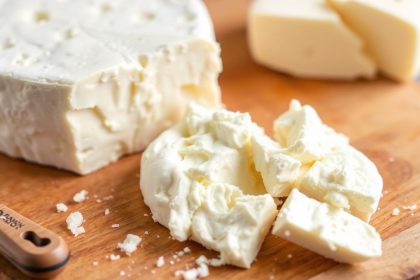
1 cup whey—fresh, unpasteurized whey from strained yogurt or cultured cheese supplies live lactic starters. For background on whey as a byproduct and its composition see the whey article.
1/2 cup apple cider vinegar to stabilize acidity and help preservation. Use quality vinegar to avoid metallic notes that can clash with fermentation flavors.
1 tablespoon sea salt; 1 tablespoon honey or maple syrup (optional) to adjust fermentation kinetics and round mouthfeel. Salt moderates microbial growth and promotes lactic dominance.
Optional aromatics: 2 cloves garlic, minced; 1/4 teaspoon turmeric for color and warmth. Add spices conservatively—fermentation amplifies aroma compounds.
Instructions
1. Soak the seeds. Combine yellow and brown seeds in a clean non-reactive bowl and pour in whey to fully cover them. Allow them to swell for 12 hours or overnight; the soak jumpstarts enzyme action and microbial contact.
2. Blend to texture. Transfer soaked seeds and whey to a food processor and pulse to preferred consistency—smooth, coarse, or grainy. Blending less preserves whole-seed texture; blending more yields a creamier, homogeneous paste.
3. Add acids and seasonings. Stir in apple cider vinegar, salt, honey (if using), minced garlic, and turmeric. These inputs balance fermentation, introduce preservative acidity, and layer flavor; acids also stabilize the microbe population as lactic metabolism proceeds.
4. Ferment under controlled conditions. Transfer the mixture to a sterilized glass jar. Cover with a breathable cloth or a fermentation lid that allows CO2 escape while blocking contaminants. Place jar at 65–75°F out of direct sunlight; fermentation typically reaches lively tang in 5–7 days.
5. Seal and refrigerate. When the mustard hits your ideal tang and texture, cap the jar with an airtight lid and move it to refrigeration. Cold storage slows fermentation and allows flavor melding; expect subtler, more integrated notes after one week chilled.
6. Serve. Shake or stir before serving to reunite any separated whey and oils. Use within three months for best flavor, though acidity and refrigeration preserve safety when proper sanitation is observed.
Instructions — Practical Fermentation Notes
Always use clean utensils and jarware to reduce contamination risk. Track aroma, taste, and visible activity; harmless fermentation produces mild lactic tang and subtle effervescence.
Discard the batch if you detect rotten or putrid odors, fuzzy mold, or unusual colors. Proper lactic fermentations rely on benign microbes profiled under lactic acid bacteria, which discourage spoilage organisms.
Tips for Success When Crafting Zesty Fermented Mustard
Select quality whey. Raw whey from home cultured yogurt or cheese tends to have robust, diverse starters. Commercial pasteurized whey lacks active cultures and will not produce the same fermentative acceleration.
Seed choice matters. A blend of yellow and brown seeds balances heat while preserving classic mustard flavor compounds (glucosinolates and isothiocyanates). Adjust ratios incrementally to find your preferred heat level.
Temperature control. Keep a stable environment—too warm accelerates souring and can break down texture; too cool slows microbial activity and lengthens fermentation. Small proofing boxes or insulated counters work well.
Adjusting sourness. Shorten fermentation for milder tang (3–4 days) or extend to 10 days for pronounced lactic character. Taste often and move to cold storage once satisfied.
Serving Suggestions
Apply this fermented mustard to artisan sausages, roasted root vegetables, and charred meats for a bright acidic counterpoint. Its emulsifying quality also makes it ideal for vinaigrettes and marinades where stability and tang matter.
Garnish with fresh dill, parsley, or chives to add a herbaceous top note. For sandwich spreads, thin with a little olive oil or yogurt to ease spreadability while keeping the fermented character intact.
Nutritional Information
Per 1 tablespoon: approximately 15 calories, 1 g protein, 2 g carbohydrates, 0.5 g fat. Fermentation may slightly increase bioavailable nutrients and introduce live cultures if made with active whey.
Consider the condiment as a flavor and probiotic adjunct rather than a primary nutrient source. Adjust serving size based on sodium content and personal dietary needs.
Sanitation and Safety Notes
Use non-reactive containers (glass or food-grade plastic) and measure salt accurately; excessive salt slows fermentation while too little invites undesirable microbes. Always follow sensible kitchen hygiene to reduce contamination risk.
Monitor for off-smells or mold growth. Safe lactic ferments present a clean, tangy odor and may show fine bubbles; remove any surface pellicle or fuzzy growth immediately and discard if uncertain.
Related Resources
For technical background on fermentation techniques and starter management, consult the internal Guide to Fermentation Basics. That guide explains starter selection and salt ratios in depth.
To read more on sourcing dairy and whey options, see our internal page on whey sourcing and on crafting preserved condiments at homemade condiments. These pages offer product recommendations and supplier checklist items.
Q&A
Whey acts as a microbial catalyst by supplying native lactic bacteria and peptides that speed fermentation. The combination of seed-derived enzymes and lactic microbes drives flavor transformation through controlled enzymatic hydrolysis.
Expect daily evolution: seeds swell, aroma intensifies, and acid builds over days. Taste frequently and use refrigeration to arrest changes once the profile suits you.
FAQ
How does whey improve mustard fermentation?
Whey supplies live lactic starters and peptides that reduce lag time in fermentation. These microbes convert sugars into lactic acid, producing the bright, tangy notes that distinguish fermented mustard.
Can I use store-bought whey powder or isolate?
Powdered whey isolates lack live cultures and will not effectively inoculate the mix. If you cannot obtain fresh whey, use a small active starter like yogurt whey or a commercial lactic starter; otherwise rely on apple cider vinegar for acidity but not probiotic benefits.
Is fermented mustard safe for people with dairy intolerance?
Most whey-fermented mustards contain minimal residual dairy proteins after fermentation, but they are not dairy-free. People with severe allergies should avoid them or use vegetable whey alternatives and declare ingredients clearly.
How long does the mustard keep in the fridge?
Refrigerated in an airtight jar, the mustard stays high-quality for up to three months. Its acidity and salt provide preservation; always check aroma and appearance before use.
Can I scale this recipe for commercial production?
Yes, but scale-up requires validated hygiene controls, pH monitoring, and batch records. Commercial starters and controlled fermentation tanks provide consistency beyond household methods.
Embrace the methodical approach: seed selection, whey quality, and temperature control determine outcome. This whey-forward technique yields a mustard that offers mouthfeel, depth, and probiotic potential—crafted with predictable, replicable steps.
See also: fermented mustard