
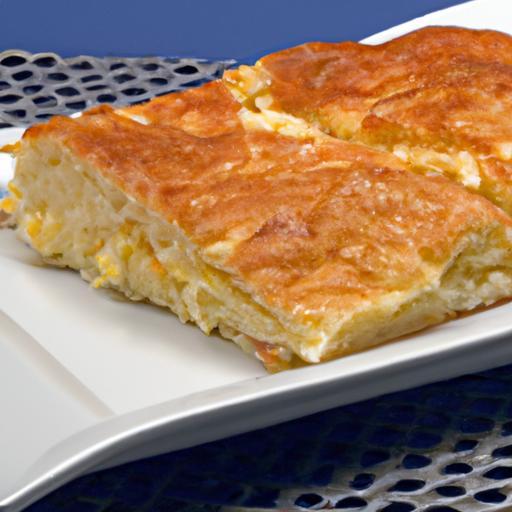

There’s nothing quite like the satisfying crunch of a perfectly baked crust-the golden, crisp foundation that elevates every pie, tart, and quiche from ordinary to extraordinary. Yet, lurking beneath that flaky beauty is a nemesis every baker dreads: the soggy bottom. That soggy, undercooked layer can turn a masterpiece into a soggy disappointment, robbing your creation of its textural magic. But fear not-unlocking the secrets to a crisp crust is within your grasp. In this article, we’ll dive deep into the science and craft behind preventing that dreaded soggy bottom, so you can achieve golden, sturdy bases that stand up to any filling, bite after glorious bite. Let’s embark on a journey to crisp crust perfection-where every pie promises crunch and every slice is pure delight.
Crisp Crust Secrets: Preventing the Dreaded Soggy Bottom begins with understanding how the balance of ingredients and oven mastery crafts that coveted snap and crunch. Achieving a perfectly crispy crust isn’t just luck-it’s science, technique, and thoughtful preparation all working harmoniously. Whether you’re baking flaky pastries, golden pizzas, or hearty pie shells, these insights will elevate your crust game and banish sogginess forever.
Prep and Cook Time
- Preparation: 30 minutes
- Resting/Chilling Dough: 1 hour
- Baking: 20-30 minutes
- Total Time: Approximately 2 hours
Yield
Yields enough dough for one 9-inch pie or two medium pizzas, serving 6 to 8 people.
Difficulty Level
Medium – Requires attention to detail and timing but highly rewarding.
Ingredients
- 2 ½ cups all-purpose flour, sifted
- ½ cup cornmeal (for extra crunch)
- 1 tsp fine sea salt
- 1 tbsp granulated sugar
- ½ cup cold unsalted butter, cut into small cubes
- ½ cup ice water, plus more if needed
- 1 tbsp apple cider vinegar (optional; strengthens gluten and reduces toughness)
- 1 tbsp olive oil (to promote browning)
Instructions
- Mix dry ingredients: In a large bowl, combine all-purpose flour, cornmeal, salt, and sugar. Whisk thoroughly to distribute.
- Cut in the butter: Using a pastry cutter or your fingertips, incorporate the cold butter into the flour mixture until you see pea-sized pieces. This creates pockets of steam in the oven, contributing to crispness.
- Add liquids carefully: Stir in ice water, apple cider vinegar, and olive oil gradually. Mix with a fork until dough just holds together – avoid overwatering, which can lead to soggy crust.
- Chill the dough: Shape the dough into a disc, wrap tightly in plastic wrap, and refrigerate for at least 1 hour. This resting step hydrates the flour and firms the butter, critical for a flaky, crunchy texture.
- Preheat the oven: Set your oven to 425°F (220°C) and place a baking stone or inverted baking sheet on the middle rack to create an intense, even heat surface-this jumpstarts crust crisping.
- Roll and dock dough: On a floured surface, roll dough to your desired shape. Dock by piercing with a fork to allow steam to escape and prevent unwanted bubbles.
- Blind bake for sturdiness: Place dough in a pie tin or pizza pan, line with parchment paper, and fill with pie weights or dried beans. Bake for 12-15 minutes until edges are golden but center is slightly undercooked.
- Finish baking with toppings: Remove parchment and weights, add your toppings, then bake another 10-15 minutes until crust edges turn deep golden brown and crisp.
- Cooling technique: Transfer baked crust to a wire rack to cool completely. Elevating airflow underneath prevents trapped steam that softens crust.
- Store smartly: Wrap cooled crust loosely in parchment to avoid condensation. For leftovers, re-crisp in a 350°F (175°C) oven for 5-7 minutes before serving.
Tips for Success: Using Crisp Crust Secrets to Prevent the Dreaded Soggy Bottom
- Choose fats wisely: Cold butter is your ally; avoid substituting with melted butter or margarine, which can compromise flakiness.
- Incorporate cornmeal: Its coarse texture creates a crispy barrier beneath the dough, absorbing excess moisture.
- Use a hot baking surface: Preheating a pizza stone or heavy baking sheet ensures immediate heat contact and helps the bottom crust set crisply.
- Monitor hydration: Resist adding too much water to prevent a wet, limp base.
- Blind baking is essential: It locks in structural integrity, especially for wet fillings.
- Cool properly: Avoid wrapping or covering crusts while hot; trapped steam destroys crunch.
Serving Suggestions
Serve your crunchy creation straight from the oven to showcase its golden edges and inviting snap. Garnish with fresh herbs like thyme or basil to complement savory fillings or dust powdered sugar with fresh berries for sweet versions. Pair with a crisp white wine or sparkling lemonade to balance textures and flavors beautifully.

| Nutrient | Per Serving (1 slice) |
|---|---|
| Calories | 280 |
| Protein | 4g |
| Carbohydrates | 30g |
| Fat | 15g |
For a deeper dive into perfect pie crusts, check out our Perfect Pie Crust Techniques. To understand the chemistry behind flour and gluten, explore this comprehensive guide from Crafty Baking.
Q&A
Q&A: Crisp Crust Secrets – Preventing the Dreaded Soggy Bottom
Q1: Why does the soggy bottom happen in the first place?
A: The elusive soggy bottom is often a result of trapped moisture that never quite escapes during baking. Whether it’s undercooked dough, filling juices seeping through, or insufficient heat conduction, the crust’s bottom ends up soggy instead of crispy.
Q2: Is it just about baking time, or is there more to it?
A: Baking time is a part of the puzzle, but it’s not the whole story. Oven temperature, baking surface, dough formulation, and even the filling’s moisture content all play starring roles. A high temperature early on helps set the crust quickly, while controlling moisture prevents that dreaded soggy patch.
Q3: What kind of baking vessels work best to achieve a crisp crust?
A: Cast iron skillets, pizza stones, and heavy-duty baking sheets are secret weapons. These materials retain and evenly distribute heat, ensuring your crust hits that golden crispness. Avoid flimsy pans that don’t conduct heat well-they’re often culprits behind sogginess.
Q4: Can I prepare my dough differently to combat sogginess?
A: Absolutely! Blind baking (pre-baking the crust slightly before adding the filling) is a classic technique to lock in crispiness. Also, incorporating a light brushing of melted butter or egg wash on the crust can create a moisture barrier, helping keep sogginess at bay.
Q5: How does the filling affect the crust texture?
A: Juicy fillings are sneaky moisture bombers. Precooking or draining excess liquid from fillings is crucial. Think of it as taming a wild river before it floods your crust. Layering techniques, like sprinkling breadcrumbs or cheese, can also absorb extra moisture before it wreaks havoc.
Q6: Any unconventional tricks to try out?
A: For the adventurous baker, sprinkling a thin layer of cornmeal or crushed crackers on the crust bottom acts like a moisture sponge and adds a subtle crunch. Some swear by a quick blast under the broiler at the end, but watch closely – it’s a crispy crust tightrope walk.
Q7: What’s the best advice for consistency?
A: Keep your oven temperature steady and preheat thoroughly. Use tried-and-true baking vessels, prep your dough and filling thoughtfully, and don’t rush the process. Like any great recipe, patience and attention to detail turn soggy woes into crisp triumphs.
With these crisp crust secrets in your baking arsenal, soggy bottoms will become a thing of the past – leaving you with beautifully golden, satisfyingly crunchy masterpieces every time.
To Conclude
As the final crumb settles and the aroma lingers in the air, you now hold the key to unlocking the perfect crust-one that stays crisp, golden, and utterly irresistible. With these crisp crust secrets mastered, the dreaded soggy bottom is no longer a foe but a thing of the past. Armed with the right techniques and a sprinkle of patience, every bite can boast that satisfying crunch you crave. So go ahead, bake boldly, and let your crusts tell a story of skill, care, and delicious triumph. Your soggy-bottom days are officially over-here’s to crust perfection, slice after glorious slice!