
Brew On teaches a practical, repeatable method for a 1-gallon continuous kombucha system that delivers steady, flavorful batches without full restarts.
- Prep and Cook Time
- Yield
- Difficulty Level
- Essential Components
- Ingredients
- Instructions
- Step 1: Brew and cool the sweet tea
- Step 2: Assemble the continuous vessel
- Step 3: Initial fermentation and transitioning
- Operational Rhythm and Maintenance
- Tips for Success
- Troubleshooting and Safety
- Flavoring and Secondary Fermentation
- Serving Suggestions
- Nutrition Snapshot
- Fermentation Science
- Common Challenges and Fixes
- FAQ
- How often should I harvest from a continuous kombucha system?
- Can I use herbal tea in a continuous system?
- How do I know my SCOBY is healthy?
- Is continuous kombucha safe for beginners?
- Where can I learn more about kombucha culture and safety?
- Concluding Remarks
The method below emphasizes culture health, temperature control, and simple sanitation so you can scale production with consistency and safety.
- Key takeaway: Maintain a stable warm environment to keep your SCOBY active.
- Key takeaway: Use a wide-mouth glass vessel with a spigot for easy harvests.
- Key takeaway: Refresh with small volumes of sweet tea to preserve balance and flavor.
Prep and Cook Time
Preparation: About 30 minutes to brew the sweet tea and cool it to the proper temperature.
Initial fermentation: Expect 7–10 days for the initial continuous setup; ongoing refresh cycles usually take 3–5 days to adjust flavor.
Yield
This continuous system yields approximately 1 gallon of kombucha in the vessel, with regular draws for bottling and flavoring.
Because you replenish incrementally, your usable output becomes nearly continuous once the system stabilizes.
Difficulty Level
Medium. The process requires regular observation of fermentation parameters and occasional maintenance of the SCOBY.
Once you set temperature and replenishment rhythm, workflow becomes routine and low-effort.
Essential Components
Use a food-grade glass vessel with a wide mouth and a secure, food-safe spigot placed above the base line to avoid disturbing the culture when you dispense.
Include a breathable cover such as a fine-weave cloth or coffee filter and a rubber band to keep contaminants out while allowing gas exchange.
SCOBY and starter liquid
A healthy SCOBY appears opaque and creamy. It acts as a living mat of bacteria and yeast that metabolize sugar into acids and carbonation.
Read about kombucha basics on kombucha for context on culture behavior and traditional methods.
Tea and sugar
Use non-flavored black or green tea and plain sucrose (cane or beet) as the primary fuel; these provide predictable nutrients for yeast and bacteria.
Review the chemistry and varieties of tea on tea pages to choose leaves with suitable tannins and nutrients.
Ingredients
For a 1-gallon continuous starter: 1 gallon filtered, chlorine-free water; 1 cup cane sugar; 8 g loose black or green tea; 1 active SCOBY; and 2 cups unpasteurized starter kombucha.
Optional additions for secondary bottling include fresh fruit, herbs, or citrus peels. Keep these separate from the primary vessel to avoid destabilizing the mother culture.
Instructions
Step 1: Brew and cool the sweet tea
Bring filtered water to a boil in stainless steel or glass, then dissolve sugar fully and steep tea for 10–15 minutes until you reach a rich color.
Strain leaves and allow the sweet tea to cool to below 80°F (27°C) before adding the culture. Hot liquid will damage the SCOBY.
Step 2: Assemble the continuous vessel
Pour the cooled sweet tea into your vessel, add the starter kombucha, and gently float the SCOBY on top of the liquid surface.
Cover the vessel with the breathable cloth and place it in a stable, warm site away from direct sunlight and drafts.
Step 3: Initial fermentation and transitioning
Let the system ferment undisturbed for 7–10 days. The first new pellicle may form in that time; this indicates healthy microbial activity.
Once the culture stabilizes, harvest 10–20% of volume through the spigot at scheduled intervals and replace with equal volume of cooled sweet tea to maintain the cycle.
Operational Rhythm and Maintenance
Harvest every 1–2 weeks for general drinking kombucha, or more frequently if you bottle small portions for secondary carbonation.
Periodically inspect the SCOBY. Peel apart excess layers and store or share them to prevent overcrowding in the vessel.
Sanitation and utensils
Use glass, ceramic, or food-grade plastic tools. Avoid reactive metals during contact; stainless steel briefly is acceptable but long contact with aluminum or copper can stress the culture.
Rinse equipment with hot water and, if needed, a mild unscented detergent followed by thorough rinsing. Do not use bleach or antibacterial agents near the culture.
Tips for Success
Keep a stable ambient temperature between 70–80°F (21–27°C). Temperature swings slow yeast activity and can push the balance toward excess acidity or sluggish fermentation.
Use a simple temperature logger or an inexpensive thermometer in the room to track consistency and adjust placement if required.
Choose whole-leaf black or green tea to supply nitrogen and tannins that support balanced microbial growth. Avoid blended teas with oils, and do not use herbal teas as the main nutrient source.
Troubleshooting and Safety
Watch for visible mold, which appears as fuzzy, colored spots (often green or black). Mold requires immediate disposal of the batch and cleaning of the vessel.
Maintain air circulation around the vessel and prevent dust or insect exposure. If the brew smells strongly foul (not simply acidic), discard and sanitize before restarting with a fresh SCOBY.
Keep a reserve of starter tea in the refrigerator for emergencies to help re-establish a healthy culture if a batch fails.
Flavoring and Secondary Fermentation
Remove harvested kombucha into airtight bottles, add measured fruit or herbs, and allow 1–4 days at room temperature for natural carbonation to build.
Chill bottles promptly once you reach the desired effervescence to slow fermentation and preserve flavor. Label bottles with date and ingredient notes.
Serving Suggestions
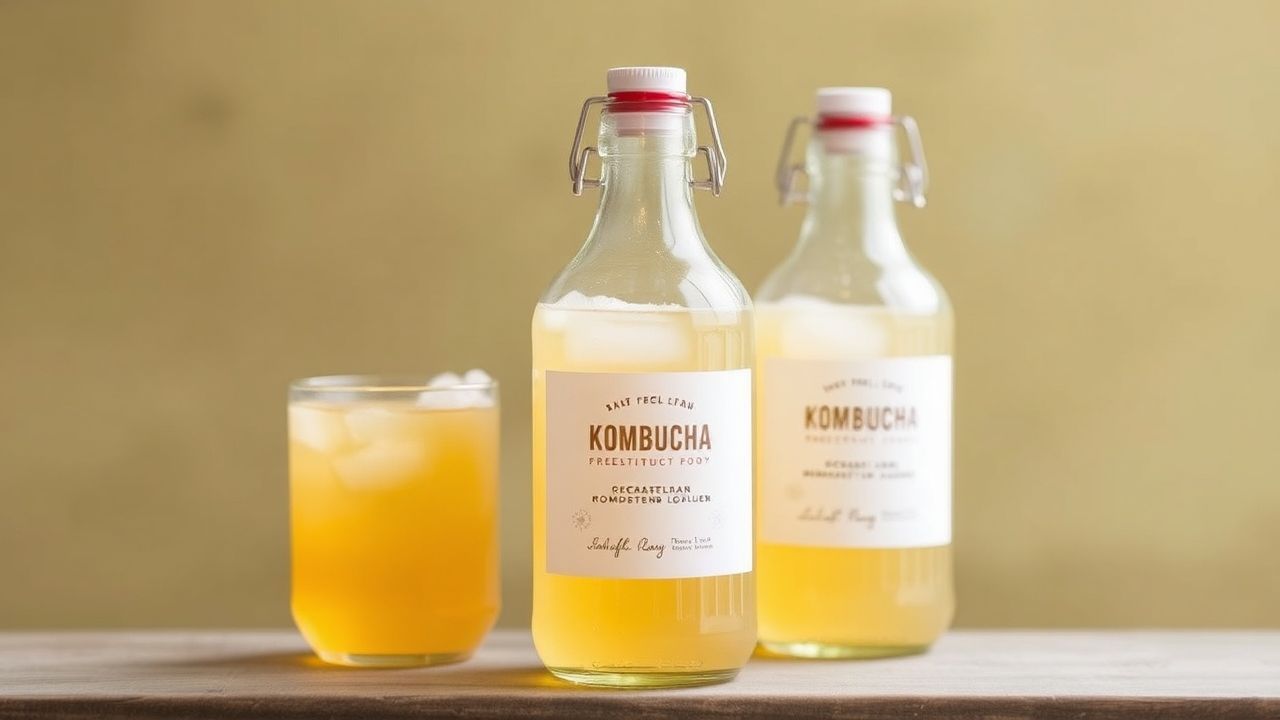
Serve chilled over ice with a citrus twist or mint sprig for bright aromatics. Small fruit additions like berries or ginger work well in short secondary ferments.
Pair kombucha with light salads, grilled vegetables, or spicy foods to balance palate intensity. Keep servings to 8–12 oz for casual consumption if you are monitoring probiotic intake.
Nutrition Snapshot
| Nutrient | Per 8 oz Serving |
|---|---|
| Calories | 30–50 (varies with fermentation) |
| Protein | 0.1 g |
| Carbohydrates | 7–10 g (residual sugars) |
| Fat | 0 g |
Fermentation Science
Continuous kombucha relies on a stable balance between yeast and bacteria. Yeast ferments sugars to ethanol while acetic acid bacteria convert ethanol into acetic acid and other organic acids.
For a technical overview of microbial fermentation processes, consult the general fermentation entry and the literature on microbial communities in kombucha.
The SCOBY represents a form of biological partnership; read about biological relationships on the symbiosis (biology) page to understand how mixed cultures cooperate in food fermentations.
Common Challenges and Fixes
Off-flavors often indicate temperature drift or insufficient starter tea. Correct by stabilizing temperature and increasing the percentage of starter in the next refresh.
Slow fermentation can result from weak starter or over-dilution. Increase starter volume and avoid using low-sugar teas until the culture regains vigor.
FAQ
How often should I harvest from a continuous kombucha system?
Harvest every 1–2 weeks for most home systems. If you prefer fresher or less acidic kombucha, shorten the interval and replenish with equal volume of cooled sweet tea.
Can I use herbal tea in a continuous system?
Do not use herbal teas as the primary nutrient source. Herbal blends often lack the nitrogen and tannins required for long-term SCOBY health. Use herbal infusions only in secondary bottles.
How do I know my SCOBY is healthy?
A healthy SCOBY will be opaque, uniform, and slightly rubbery. Thin brown strands of yeast are common; patchy colored spots signal contamination and should be treated as a failed batch.
Is continuous kombucha safe for beginners?
Yes, if you follow proper sanitation and temperature control. Beginners should keep a small log, maintain stable conditions, and avoid shortcuts like flavored teas in the mother vessel.
Where can I learn more about kombucha culture and safety?
Academic summaries and reviews provide depth. Start with reliable overviews on kombucha and related fermentation topics, then consult lab-tested resources for food safety recommendations.
Concluding Remarks
Building a continuous kombucha system gives you predictable production and creative control over flavor. With disciplined temperature control, measured replenishes, and routine checks, you will produce consistent, enjoyable kombucha.
Keep records, practice safe sanitation, and share surplus SCOBY layers with other brewers to grow your skills and a supportive network of makers.
See also: kombucha