
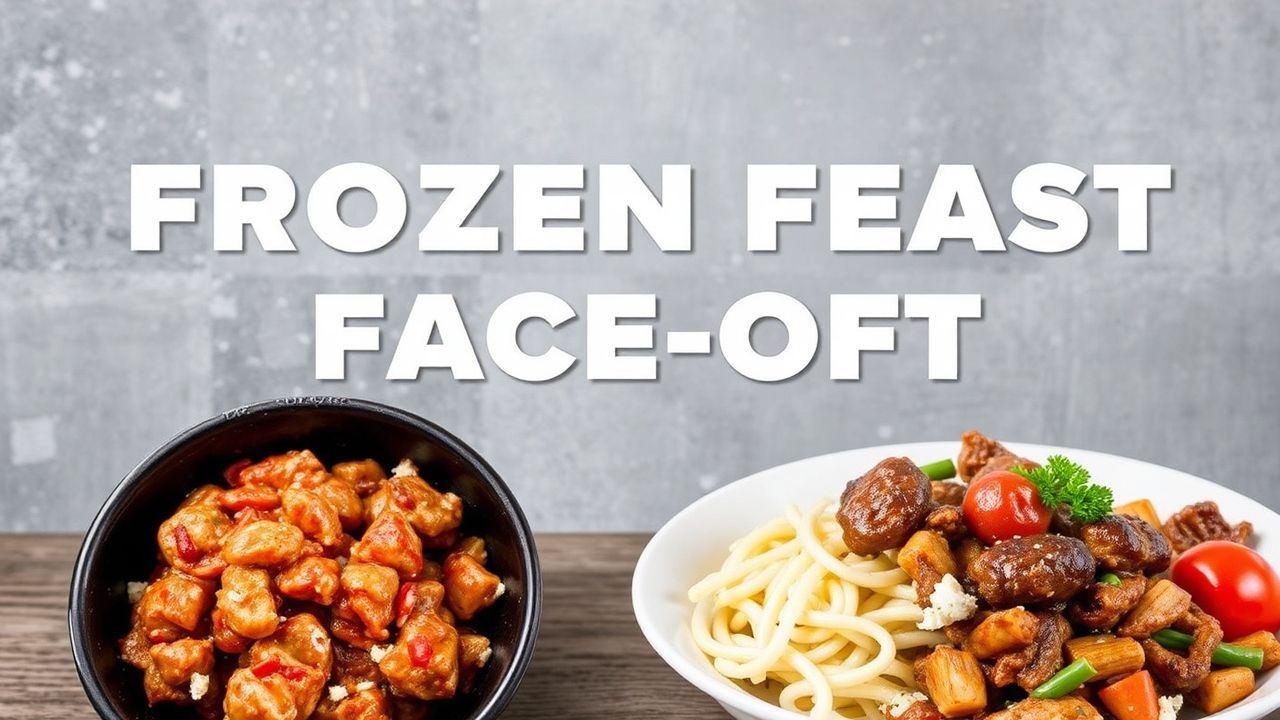

Frozen dinners offer fast, consistent meals when time is tight. This test compares budget and premium options to show which choices deliver the best flavor, texture, and nutrition.
- Prep and Cook Time
- Yield
- Difficulty Level
- Ingredients
- Instructions
- Chef’s Notes and Tips for Success
- Serving Suggestions
- Nutritional Comparison
- FAQ
- How do I choose between a cheap and an expensive frozen dinner?
- Can I make a cheap frozen dinner taste like a premium one?
- Are premium frozen meals healthier than budget ones?
- What reheating method preserves the best texture?
- How should I store leftover frozen dinners once opened?
- Wrapping Up
- Buy based on protein and sodium balance: choose meals with higher protein and moderate sodium for better satiety.
- Upgrade smartly: a few fresh ingredients can elevate most frozen entrees quickly.
- Cooking method matters: oven-crisping or stovetop finishing improves texture more than relying on the microwave alone.
- Price doesn’t guarantee taste: some low-cost meals outperform pricier brands on key sensory metrics.
Prep and Cook Time
Total time: Most frozen dinners finish in 10–25 minutes depending on method and meal size. Microwaves save time but ovens deliver better texture on many dishes.
For precise heating, follow package directions and then use sensory checks: look for even steam and test temperature in the center. If you want a technical reference on the appliance, see the microwave oven article for core principles.
Yield
Standard frozen entrees typically serve one adult, with portion sizes designed for convenience and calorie control. Check the packaging for grams and calories to align with hunger and activity levels.
If you need more volume, pair an entree with inexpensive sides like legumes or a green salad to increase fiber and protein without boosting cost dramatically. This tactic often improves satiety and nutritional value.
Difficulty Level
Reheating and plating frozen dinners requires minimal skill: timing, heat control, and a few finishing touches make the difference. Home cooks can reliably upgrade texture with a quick sear or oven crisping.
Operators who want consistency should time each method and note preferred tweaks for each brand. Keep a simple log of cooking times and adjustments to reproduce the best result every time.
Ingredients
Ingredients lists vary widely; premium meals often contain higher-quality proteins, vegetables, and fewer fillers. Cheap options may rely on starches or additives to stretch portion size.
Scan labels for whole-food ingredients, actual meat cuts, and recognizable seasonings. When protein or sodium metrics matter, refer to nutrient columns below for a focused comparison.
- 1 frozen dinner entrée (select budget or premium based on price and label)
- 1 tablespoon olive oil (optional for richness after heating)
- 1 teaspoon fresh herbs (parsley, chives, or basil)
- Fresh vegetables or salad greens (for serving)
- Salt and pepper to taste if needed
Instructions
Preparation
Remove all non-microwave-safe packaging and read the label to match your appliance. Keep a clean plate and any garnishes ready before heating so the meal goes from heat to plate quickly.
For frozen entrees with separate sauce packets, heat as instructed and add sauce after reheating to protect texture. This step prevents sauces from overcooking and losing emulsification.
Heating
Use the microwave for speed, but consider the oven for entrees that benefit from browning or crisp edges. Preheat the oven to the recommended temperature and place the meal on a baking dish for even heat distribution.
When microwaving, rotate the dish and rest the food for one to two minutes to allow carryover cooking. If the meal seems soggy after microwave heating, finish briefly under the broiler or in a hot skillet for 1–2 minutes.
Enhancement
Finish with a drizzle of olive oil or a squeeze of citrus to add freshness and lift flavor. A light herb sprinkle increases perceived complexity and balances richness in heavier sauces.
For protein-based dishes, a quick pan-sear after microwave heating restores surface texture and improves mouthfeel. Keep a non-stick skillet on hand to make this a simple habit.
Adjust seasoning
Taste before you salt: many lower-cost meals skew under-seasoned or overly salty depending on the brand. Make small seasoning adjustments incrementally to avoid overpowering the dish.
Use acid (lemon or vinegar) to brighten dull flavors rather than adding more salt. Acid often provides a stronger flavor lift with less impact on sodium intake.
Presentation
Transfer the entree to a warm plate and add contrasting colors from vegetables or herbs. Good presentation improves perceived value and increases eating satisfaction.
Use simple garnishes like chopped parsley or lemon wedges to signal freshness. These cues change how you perceive texture and flavor without adding much time or expense.
Chef’s Notes and Tips for Success
Small interventions yield big improvements: sautéed mushrooms, roasted peppers, or grated cheese transform many frozen entrees into fuller meals. Texture management matters; blot excess liquid for firmer bites.
Packaging affects steam retention and crisping; remove overwraps when needed and finish in the oven for crunch. For a deeper look at how frozen food is processed and preserved, see the frozen food entry.
- Upgrade with fresh ingredients: add sautéed vegetables or fresh herbs to enrich flavor.
- Mind moisture: blot excess liquid before plating to preserve texture.
- Nutrition swaps: add legumes, nuts, or an egg to boost protein inexpensively.
- Label extras: freeze leftovers with date and contents for easy meal planning.
Document your favorite tweaks for each brand so you achieve consistent results. A simple cooking note taped to a shelf saves time and reduces waste.
Serving Suggestions
Plate the entree centrally and add colorful sides like steamed broccoli or a mixed green salad to boost fiber and micronutrients. Contrast in texture—crisp, creamy, and tender—improves the overall meal experience.
For comfort dishes, include warm crusty bread or a small roasted root vegetable medley. These additions round out the meal and increase satisfaction per dollar spent.
Nutritional Comparison
Price correlates imperfectly with nutrition: premium frozen meals often contain more protein and whole ingredients, while cheaper options may have lower protein and higher sodium. Review nutrient panels to identify the best value for calories and macronutrients.
Protein supports fullness and muscle maintenance; learn more about the nutrient at the protein (nutrient) page. Sodium influences taste and preservation—see the sodium article for context on daily limits and health effects.
| Nutrient | Cheap Frozen Dinner | Expensive Frozen Dinner |
|---|---|---|
| Calories | 350 | 420 |
| Protein | 12g | 28g |
| Carbohydrates | 40g | 38g |
| Fat | 10g | 15g |
Use the table to match meals to daily goals: lower-calorie entrées suit calorie-controlled plans, while higher-protein options support strength training and recovery. Consider cost per gram of protein when evaluating value.
FAQ
How do I choose between a cheap and an expensive frozen dinner?
Focus on ingredient quality, protein content, and sodium. Choose the meal that best fits your nutrition targets and reheating capabilities.
Also consider the intended use: a quick lunch may prioritize speed, while a quick-finished oven meal can lean toward a premium entree for dinner.
Can I make a cheap frozen dinner taste like a premium one?
Yes. Finish with fresh herbs, olive oil, or a quick pan-sear to improve texture and aroma. Small steps often yield the largest perceived upgrades.
Add protein-rich or fiber-rich sides to balance macronutrients and increase satisfaction without adding much cost.
Are premium frozen meals healthier than budget ones?
Not always. Premium meals often use better ingredients and deliver more protein, but you must read labels to verify. Calories, fat, and sodium can still vary widely between brands.
Use nutrition facts to compare portion size and nutrient density rather than relying on price alone when making health-focused choices.
What reheating method preserves the best texture?
Oven finishing or a quick pan-sear preserves crispness better than the microwave alone. Microwaving followed by a short broil or sear recreates texture efficiently.
For best results, remove plastic film when recommended and transfer to an oven-safe dish for even browning and moisture control.
How should I store leftover frozen dinners once opened?
Refrigerate leftovers within two hours of cooking in an airtight container and consume them within 3–4 days. Label with the date to avoid confusion.
For long-term storage, freeze properly in airtight containers and follow safe thawing methods to maintain quality and safety.
Wrapping Up
Both budget and premium frozen dinners have roles in a practical eating strategy. Use labels to select meals that align with your protein targets and sodium tolerance, then apply small finishing steps to lift quality.
Track the brands and techniques that work best for you to maximize convenience and enjoyment. With a few expert tweaks, frozen dinners can deliver reliable, satisfying meals without unnecessary waste or expense.
See also: Frozen dinners