
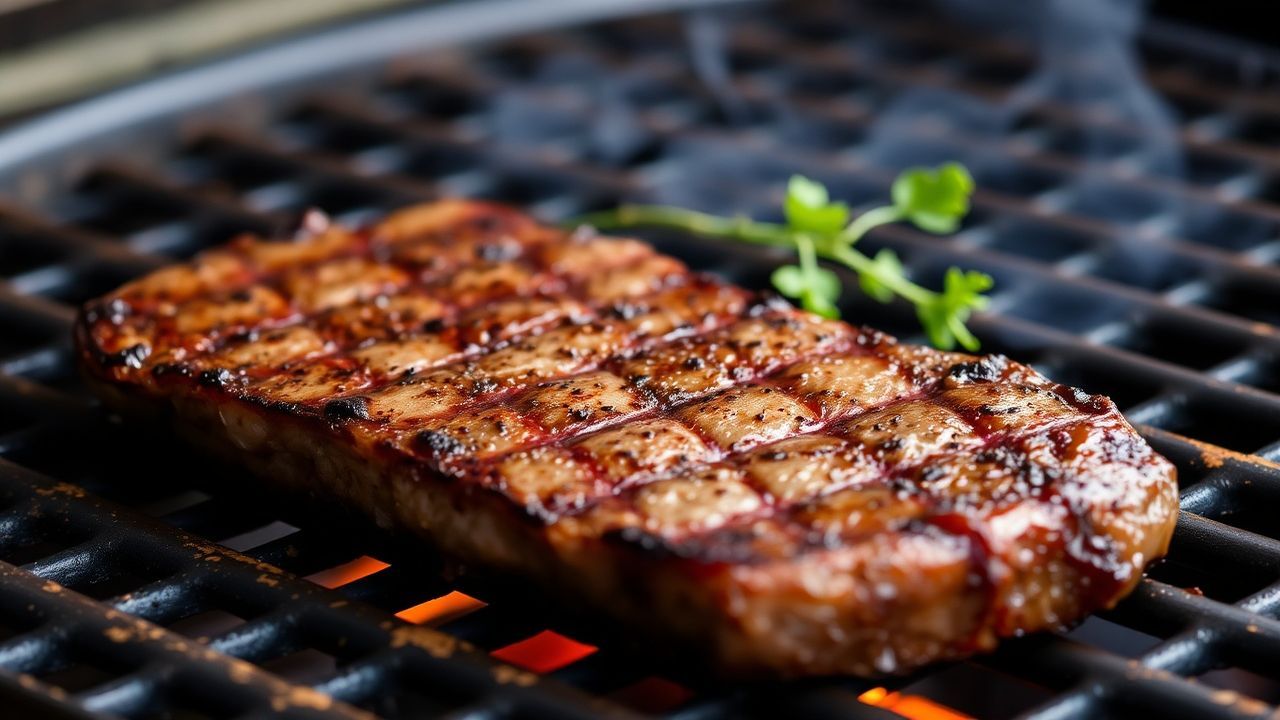

When the sizzle of a steak hits the grill, heat begins to change meat structure and push meat moisture toward the surface. Heat drives moisture, alters proteins, and creates the crust that defines a great grilled bite.
- Mastering Temperature Control to Preserve Meat Moisture
- The Science: How Heat Forces Meat Moisture Out of Muscle
- Maillard Reaction and Meat Moisture Management
- Practical Prep, Timing and Ingredients to Protect Meat Moisture
- Ingredients, Yield and Cut Selection for Juiciness
- Step-by-Step Instructions to Minimize Meat Moisture Loss
- Chef’s Notes: Techniques that Preserve Meat Moisture
- Serving, Pairings and Presentation to Highlight Juiciness
- Advanced Concepts: Pressure, Steam and Fiber Mechanics
- Internal Resources and Further Reading
- FAQ
- Control heat: steady temperature preserves interior meat moisture and prevents runaway evaporation.
- Sear smart: a dry surface forms a crust quickly while limiting deep interior moisture loss.
- Rest meat: hold before slicing so meat moisture redistributes and stays in the muscle.
- Pick marbling: intramuscular fat slows moisture loss and boosts perceived juiciness.
Mastering Temperature Control to Preserve Meat Moisture
Temperature is the single most effective tool for managing meat moisture during grilling. Proteins denature and fibers contract as internal temperature rises, and controlling that rise reduces how much water the muscle expels.
Use a quality thermometer and zone heat to manage the ramp. Establish a hot sear zone and a moderate indirect zone so you can sear then finish without blasting the interior; this two-zone method limits evaporation and protects meat moisture.
The Science: How Heat Forces Meat Moisture Out of Muscle
At a molecular level, heat changes protein structure and forces meat moisture outward. Protein networks shrink as they denature, squeezing intracellular water toward the surface where it either pools or evaporates.
Simultaneously, internal water becomes vapor as temperature climbs and creates pressure gradients. Those gradients push meat moisture outward until equilibrium or evaporation at the surface reduces the vapor pressure.
Maillard Reaction and Meat Moisture Management
The Maillard reaction produces the brown, savory crust we prize, but it needs a relatively dry surface to proceed. Surface moisture must evaporate before browning, so a short, dry sear intentionally trades surface water for flavor without sacrificing interior meat moisture when timed correctly.
Patting the surface dry and avoiding crowding lets moisture evaporate quickly during the sear window. That fast surface drying helps form a crust faster and reduces the length of time the interior experiences elevated steam pressure that drives meat moisture loss.
Why a Dry Surface Matters
Surface water creates steam that blocks browning and prolongs high internal temperatures. By contrast, a dry surface supports rapid Maillard reactions that lock in texture and minimize prolonged internal vapor pressure.
Work in short, controlled sear intervals. This preserves more meat moisture while still delivering the flavorful crust diners expect.
Practical Prep, Timing and Ingredients to Protect Meat Moisture
Good results begin before the meat hits the grates. Bring steaks to near room temperature and pat them dry to remove surface water that would otherwise steam away during searing.
Salt draws moisture briefly to the surface, but when you time it correctly salt helps proteins hold water and improves flavor without increasing final moisture loss. Use coarse kosher salt at least 30 minutes prior or just before cooking, based on cut thickness.
Prep and Cook Time Guidelines
Preparation Time: 15 minutes. Bring meat close to ambient and dry the surface thoroughly to reduce initial steam.
Marinating Time: Optional, 1–4 hours. Balanced marinades with oil and mild acid can aid tenderness without causing excessive moisture migration in thin cuts.
Equipment and Thermometry
A reliable instant-read thermometer removes guesswork and helps maintain meat moisture. Aim for internal targets rather than fixed cook times: 130–135°F for medium-rare suits most steaks.
Keep the sear surface around 450°F for rapid crusting, then move to indirect heat to finish. That prevents the interior from climbing too fast and expelling excessive meat moisture.
Ingredients, Yield and Cut Selection for Juiciness
Yield: Serves 4. Choose steaks about 1-inch thick for predictable cook times and consistent meat moisture retention.
Recommended cuts: Ribeye, striploin, and tenderloin use marbling to slow moisture loss and increase perceived juiciness.
Shopping List
- 4 beef ribeye steaks (1-inch thick, well-marbled)
- 2 tbsp olive oil
- 1 tbsp kosher salt
- 1 tsp black pepper
- 2 cloves garlic, minced
- Fresh rosemary
- Optional: 1 tbsp butter for finishing
Step-by-Step Instructions to Minimize Meat Moisture Loss
Follow consistent steps to control moisture migration and maximize flavor. Each action either shortens unnecessary evaporation or enhances final texture.
Use a two-zone approach: sear over high heat, then move to indirect heat to reach the target internal temperature without overshooting and forcing meat moisture out.
- Bring steaks to room temperature. Pat dry to remove surface moisture; a dry exterior sears faster and reduces steam formation.
- Rub olive oil evenly. Season with kosher salt and black pepper to taste.
- Preheat the grill to medium-high (≈450°F/230°C). Verify with a surface thermometer and set an indirect zone.
- Sear for 3–4 minutes per side without moving to develop a caramelized crust quickly.
- Finish over indirect heat until internal temperature reaches your desired doneness.
- Optional basting: In the final minute, baste with butter, garlic, and rosemary for aroma and added surface fat that slows moisture escape.
- Rest 5–7 minutes. Let juices redistribute; slicing too soon causes immediate drip loss and reduces retained meat moisture.
Record sear duration, surface temp, and carryover rise each cook. This practice reduces variability and protects meat moisture batch to batch.
Thin cuts require a different approach: short sear and immediate rest, or a lower surface temperature to avoid explosive moisture migration.
Chef’s Notes: Techniques that Preserve Meat Moisture
Choose marbled cuts. Intramuscular fat both adds flavor and reduces rapid heat penetration, which helps the interior retain meat moisture longer during cooking.
Avoid piercing the meat. Use tongs to flip and a probe thermometer to check temperature. Each puncture creates a direct path for meat moisture to escape.
Marinades and Salt Use
Balanced marinades with oil create a thin surface barrier while salt helps proteins bind water when timed properly. Use oil-based or balanced blends rather than aggressive acidic baths on thin cuts.
Sous-vide pre-cook followed by a quick sear can yield predictable internal doneness and conserve meat moisture through gentle temperature control.
Serving, Pairings and Presentation to Highlight Juiciness
Slice against the grain to shorten muscle fibers and make each bite seem juicier. Garnish with flaky sea salt and herbs to accentuate perceived moisture and flavor.
Pair with bright chimichurri or charred vegetables to cut fat and highlight texture contrasts. A robust red wine or acid-forward sauce balances richness and emphasizes retained meat moisture.
Advanced Concepts: Pressure, Steam and Fiber Mechanics
As internal water vaporizes, pressure gradients form between the interior and surface. Those gradients drive meat moisture outward until the surface allows evaporation into the air.
You can limit this migration by slowing the interior temperature rise. Low-and-slow finishes or precise thermal baths reduce internal steam pressure and preserve more liquid in the muscle matrix.
Thermal Properties and Heat Capacity
Water has a high heat capacity and a large latent heat of vaporization. Once internal water turns to vapor, it removes significant heat and accelerates drying unless the temperature ramp is controlled.
Understanding these thermal properties helps you design cook curves that retain meat moisture while achieving safe, flavorful doneness.
Internal Resources and Further Reading
Want to refine your heat mapping? See our internal guide for zone charts and target temps for common cuts. Track both surface and internal readings to protect meat moisture across different grills.
For detailed guidance on resting and carryover cooking, consult our resting guide with carryover temperature tables and timing rules that help preserve meat moisture in larger roasts and steaks.
FAQ
Why does grilled meat sometimes come out dry?
High heat and long cook times push more internal water out of muscle fibers. If internal temperature rises too fast, proteins contract excessively and expel juices that then evaporate, reducing meat moisture.
Control the temperature ramp, use a two-zone grill, and monitor internal temps to limit aggressive evaporation and keep meat moisture where it belongs.
What happens to moisture inside meat during grilling?
Heat denatures proteins and creates vapor pressure inside cells. That pressure pushes water outward where it either collects on the surface or evaporates into the air, decreasing retained meat moisture.
Maintaining a moderate interior rise lowers vapor pressure and helps retain more meat moisture in the muscle matrix.
How does the Maillard reaction affect moisture loss?
The Maillard reaction requires a hot, relatively dry surface to produce flavor. Surface moisture must evaporate before browning begins, so the intended short sear window sacrifices a little surface water to gain crust while protecting interior meat moisture.
Time the sear for fast, hot contact on a dry surface to minimize interior moisture loss and maximize crust formation.
Can marinating help retain meat moisture?
Balanced marinades with oil, salt, and mild acid can slow moisture loss and improve tenderness. Oil creates a small protective barrier while salt helps proteins bind water when used correctly.
Avoid over-marinating thin cuts in acidic solutions longer than four hours; excessive breakdown can make texture mushy and alter moisture behavior.
Which grilling techniques best preserve juiciness?
Use a sear-then-finish method: sear quickly over high heat, then move to indirect heat to reach target internal temperature slowly. Rest the meat before slicing to allow juices to redistribute and maintain meat moisture.
Combine thermometry with zone cooking and choose cuts with good marbling for consistent, juicy results.
See also: protein denaturation, Maillard reaction, water, sous-vide, meat
See also: meat moisture