

Every great burger and every fine sausage begins at a point of mechanical precision: the auger and plate of a meat grinder. These parts control particle size, fat distribution, and heat generation. Skilled cooks treat them as instruments, not props.
- Auger action sets feed rate: it determines pressure and consistency.
- Plate holes define texture: hole size and pattern change mouthfeel.
- Material matters: sharp, corrosion-resistant parts reduce heat and smear.
- Maintenance preserves quality: cleaning and lubrication keep performance steady.
How Augers Drive Consistency
The auger is a helical screw that moves meat from the hopper into the cutting zone. It controls feed speed and packing, which influence how the blade slices muscle fibers.
Think of the auger as a metering device. A tighter pitch increases compression and yields a denser, finer feed, while a wider pitch moves product faster for a coarser grind.
Auger Geometry and Feed Dynamics
Auger diameter, pitch, and surface finish all affect friction and temperature. A polished surface reduces drag and prevents smearing that ruins texture.
Manufacturers often borrow the Archimedes’ screw concept for efficient transport; compare designs to a classic Archimedes’ screw when evaluating feed action.
Practical Notes on Auger Selection
Match auger size to motor capacity. Overloading a low-power motor with a high-compression auger causes stalls and uneven cuts.
Use a solid stainless-steel auger for frequent use; it resists deformation and holds tolerances better than softer alloys.
Plate Geometry: Texture Control
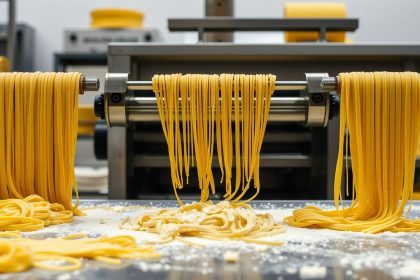
Grinder plates are the primary means of defining particle size. Hole diameter, count, and shape combine to produce textures from coarse to silky.
Design choices alter mouthfeel and cooking behavior. Larger holes keep fat intact and deliver a rustic bite; smaller holes create emulsions ideal for fine sausages and spreads.
Hole Size and Hole Pattern
Common hole sizes run from about 3 mm to 8 mm. Use 3–4 mm for fine-textured products and 6–8 mm for chunky textures or chili meats.
Hole pattern influences throughput. Dense hole arrays slow the flow but improve uniformity; sparse patterns increase speed at the cost of consistency.
Double-Grind Techniques
Professional kitchens often do a coarse grind followed by a fine grind. The first pass breaks muscle bundles; the second pass homogenizes and integrates fat.
Double grinding reduces localized heating because smaller chunks pass cleanly through the blade and plate, improving final texture.
Materials and Durability
Material choice impacts wear resistance, hygiene, and the sharpness life of both augers and plates. Harder steels maintain edges and cut cleaner over time.
Stainless steel remains the standard for food-contact parts due to corrosion resistance and cleanability. Read about the metallurgy behind it at stainless steel.
Coatings and Hardened Alloys
Some plates receive surface hardening or coatings to extend service life. Those treatments reduce edge rounding and lower force required per cut.
Evaluate cost versus lifecycle. A hardened plate costs more up front but maintains cutting geometry longer, saving time on regrinding and replacement.
Trade-offs: Weight vs. Strength
Anodized aluminum plates reduce weight but wear faster under constant use. Choose aluminum only for light domestic use.
For commercial workloads, prefer hardened or tool steels that resist deformation under high torque loads.
Maintenance and Food Safety
Regular cleaning and correct lubrication preserve cutting performance and prevent bacterial growth. Disassemble daily in high-use contexts.
Follow safe handling practices and keep temperatures low during grinding. Cold meat reduces fat smear and limits bacterial proliferation; learn basic concepts under food safety.
Cleaning Protocols
Scrape visible residues, wash with mild detergent, rinse, and dry thoroughly. Store parts in a dry place to avoid corrosion or pitting.
Lightly oil non-contact surfaces with a food-grade lubricant to prevent rust between uses, but avoid direct contact of oil with product pathways.
Blade Care and Sharpening
Sharp blades cut cleanly and reduce required motor power. Replace or sharpen blades when you notice tearing instead of clean slices.
Inspect edge geometry regularly; chips or nicks indicate immediate replacement to prevent inconsistent output.
Choosing Components for Recipes
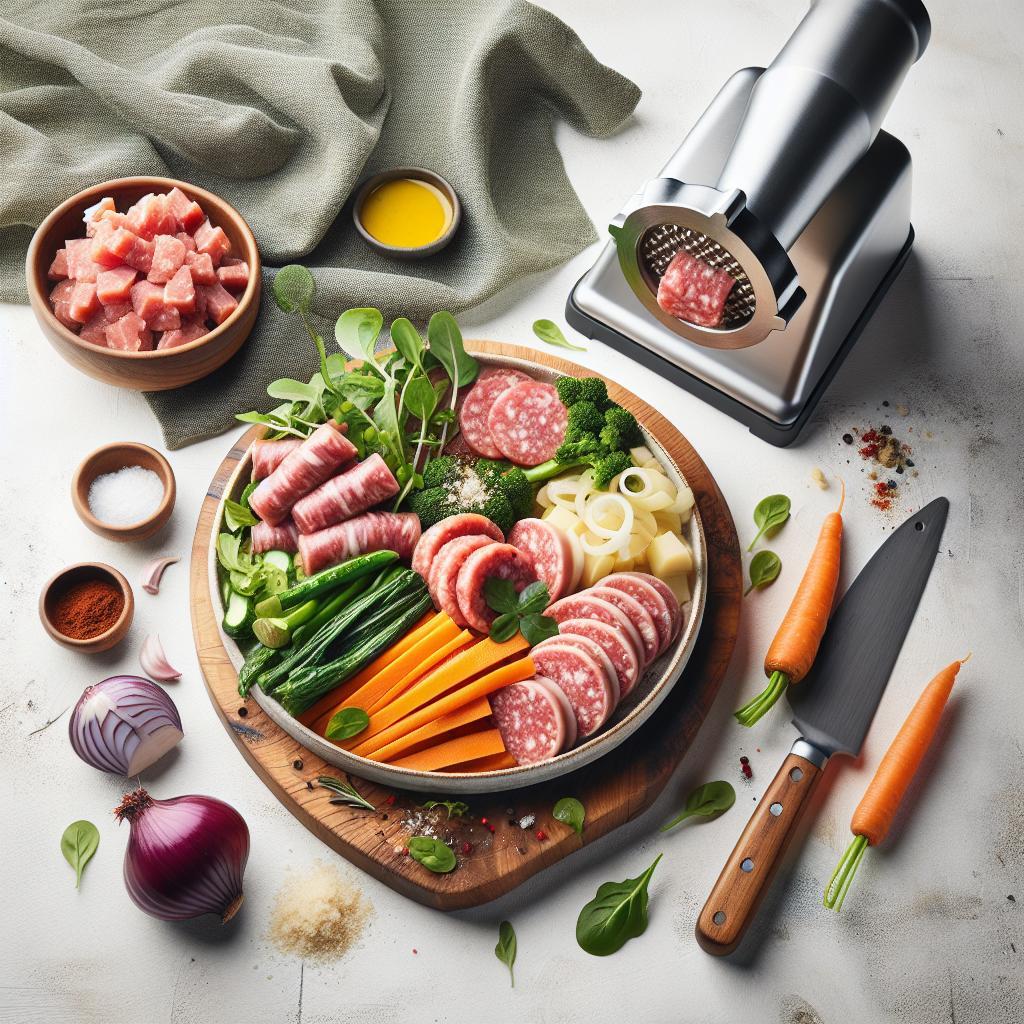
Select plate size and auger characteristics to match the dish. Use coarse setups for stews and coarse sausages; choose fine plates for pâté and emulsified sausages.
When developing a sausage blend, consider fat particle size to ensure proper binding and mouthfeel. For practical blends, see our recipe collection at Artisan Sausage Recipes.
Recipe-Specific Recommendations
For burgers: a medium 4–5 mm plate balances juiciness and cohesiveness. For bologna-style products: run through a 3 mm plate and then bowl-chill before stuffing.
For game meats: mix with some higher-fat cuts to prevent dryness. Adjust plate sizes accordingly to retain desirable texture.
Motor Matching and Throughput
Higher torque motors allow slower auger pitches and finer plates without stalling. Confirm manufacturer specs before upgrading components.
Do not pair a high-compression auger with a marginal motor. That mismatch creates heat and may damage both knife and plate.
Chef’s Notes and Practical Tips
Temperature control is the single most effective variable you can manage. Keep meat near 28–35°F (-2 to 2°C) during processing to prevent fat melt and smearing.
Freeze blades and plates briefly before a long run when working in warm kitchens. Cold metal reduces drag and preserves particle definition.
Never ignore equipment torque limits. A slow, steady feed reduces motor stress and yields consistent cuts. Use a tamper to maintain a safe pace.
Serving Suggestions and Finishing
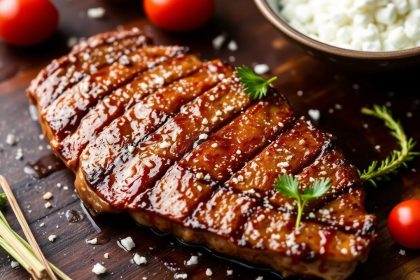
Tailor final preparations to match grind texture. Coarser grinds suit robust searing and chunky condiments; fine grinds take seasonings and smoke very evenly.
Finish burgers with a high-heat sear to retain juiciness. For sausages, cure and rest according to recipe, then cook to safe internal temperatures before serving.
Further Reading and Internal Resources
For hands-on maintenance routines and part diagrams, consult our maintenance guide at Grinder Maintenance. That guide lists torque ranges and cleaning intervals for common models.
Explore recipe-driven techniques in our sausage collection at Artisan Sausage Recipes. Practice with small batches to dial in plate and auger pairings.
FAQ
What does the auger actually do?
The auger feeds and compresses meat into the cutting area. It regulates pressure, which determines how the blade slices fibers before extrusion through the plate.
Proper auger selection balances feed rate with motor power to prevent stalls and ensure consistent particle size.
How do I choose the right plate size?
Match hole diameter to desired texture. Use 3–4 mm for fine emulsions and 6–8 mm for coarse results. Consider a two-pass grind for complex textures.
Also consider hole count and pattern; more holes equal better uniformity but slower throughput.
Why is stainless steel recommended?
Stainless steel resists corrosion, cleans easily, and keeps sharper edges longer than softer metals. Its hygienic properties make it ideal for food contact.
For heavy use, choose hardened grades or coated plates that hold geometry under repeated stress.
Can I grind different meats together?
Yes. Blending lean and fatty cuts optimizes flavor and binding. Always control temperature and grind sizes to achieve the intended mouthfeel.
When combining game or lean proteins, add a higher-fat cut to avoid dry results and to ensure proper emulsion in sausages.
How often should I sharpen or replace blades?
Replace or resharpen blades when you observe tearing, increased motor load, or inconsistent extrusion. For commercial kitchens, weekly checks are common.
Domestic users can inspect monthly; frequency depends on volume and product hardness. Keep spares on hand to avoid production delays.
Every successful grind starts with a deliberate choice of auger, plate, and material. Control those variables, and you control the result.
See also: meat grinder