

Hearty Roasted Vegetable Chili
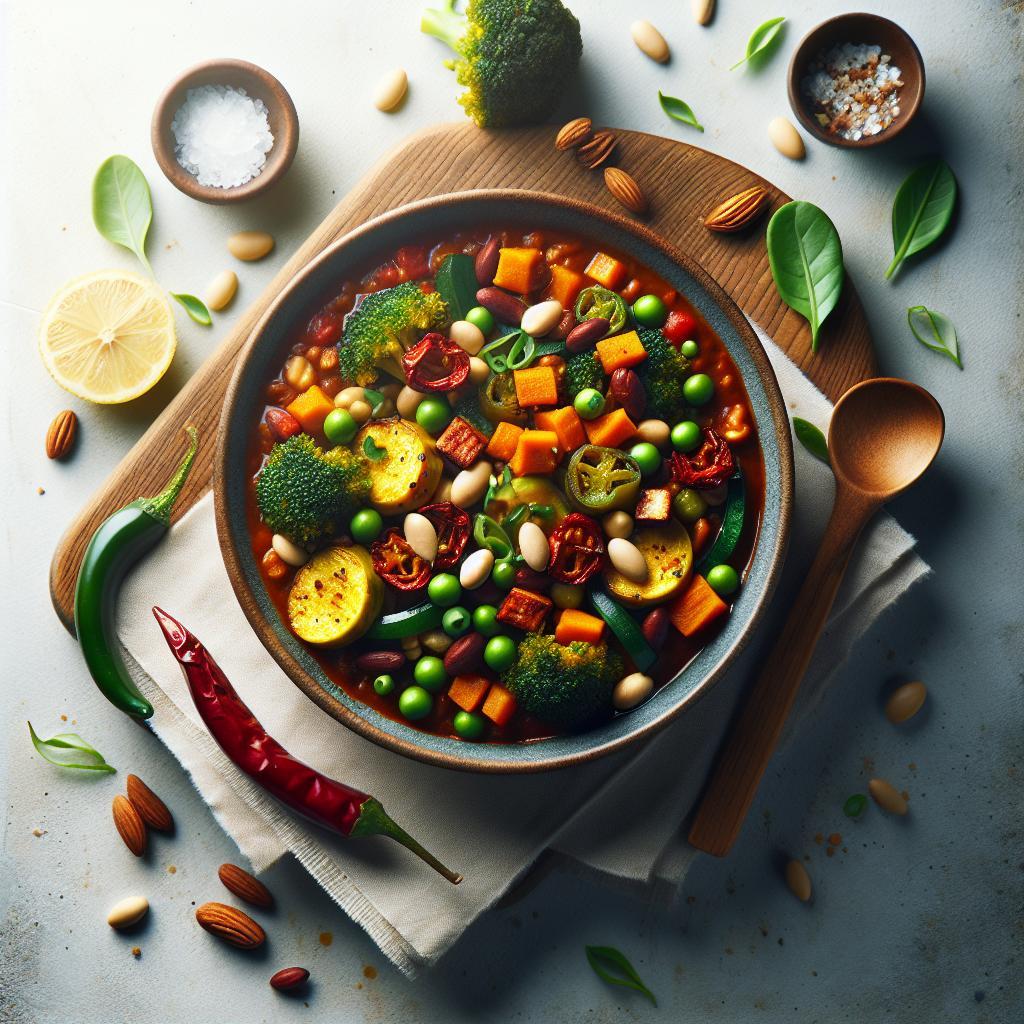
Hearty Roasted Vegetable Chili combines deeply caramelized vegetables, smoky spice, and protein-rich beans for a satisfying, plant-forward bowl. Roasting concentrates sugars and creates texture, then simmering brings the components together into a cohesive, robust chili.
The recipe emphasizes technique as much as ingredients: simple methods yield layered flavor without complex equipment. This piece explains why roasting matters, how to balance spices, and how to finish the chili for best texture and aroma.
- Roast first: caramelization multiplies flavor.
- Layer spices: bloom spices in fat for maximum aroma.
- Beans for body: legumes deliver fiber and plant protein.
- Finish bright: acid and herbs lift the bowl.
Prep and Cook Time
Prep: 20 minutes. Cook: 45 minutes. Total: 1 hour 5 minutes.
Timings assume a conventional home oven set to 425°F (220°C) and active stove-top time for sautéing and simmering. Plan a short cool-down after roasting to let caramelized edges settle before stirring into the pot.
Yield
Serves 6 generous portions. Portion size supports a main-dish serving with a side grain or two smaller servings when paired with hearty sides.
Leftovers improve with time as flavors meld; refrigerate within two hours and reheat gently on low, adding a splash of broth if the chili tightens too much.
Difficulty Level
Medium. The techniques are straightforward, but attention to roast color and spice blooming improves results significantly. Home cooks with basic knife and stove skills will find this recipe accessible.
Tools: a heavy pot or Dutch oven and a sheet pan provide the best results. For alternative methods, see slow cooker or pressure-cooking notes below.
Ingredients
Use bold, contrasting vegetables for texture and balanced sweetness. Aim for uniform 1-inch pieces so roasting is even and the final chili has consistent mouthfeel.
Core ingredients below provide the structure of the dish; adjust spice levels and beans to taste. Choose low-sodium broth to control final seasoning.
- 3 cups mixed vegetables (diced butternut squash, bell peppers, zucchini), cut into 1-inch pieces
- 2 tbsp olive oil, divided
- 1 large onion, finely chopped
- 3 cloves garlic, minced
- 1 tbsp smoked paprika
- 2 tsp ground cumin
- 1 tsp chili powder
- 1 tsp ground coriander
- ½ tsp ground cinnamon
- 1 can (14 oz) diced tomatoes, with juices
- 2 cups vegetable broth
- 1 can (15 oz) black beans, drained and rinsed
- 1 can (15 oz) kidney beans, drained and rinsed
- Salt and freshly ground black pepper, to taste
- Fresh cilantro leaves for garnish
- Optional add-ins: corn kernels, diced jalapeño, fresh lime juice
Instructions
Follow a two-stage approach: roast to concentrate flavors, then simmer to marry them. Careful timing prevents overcooking and preserves texture while integrating spice and acid.
Read each sub-section before starting to ensure you stagger tasks efficiently. Mise en place reduces active time and prevents missed steps when heat is high.
Roasting the Vegetables
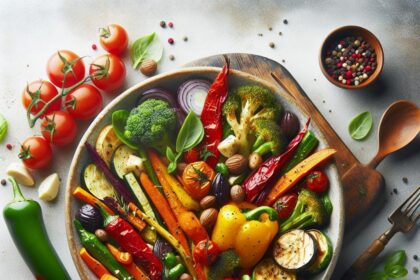
Preheat the oven to 425°F (220°C). Toss mixed vegetables with 1 tablespoon of olive oil, a pinch of salt, and pepper; spread in a single layer on a sheet pan.
Roast 20–25 minutes until edges caramelize and interiors are tender, stirring once for even color. Caramelization leverages the Maillard reaction, which builds savory and sweet notes crucial to the chili’s depth.
Building the Chili on the Stove
Heat the remaining 1 tablespoon of olive oil in a large pot over medium heat. Sauté the chopped onion until translucent, about 5 minutes, then add garlic and cook another 30–60 seconds to avoid burning the garlic.
Add smoked paprika, cumin, chili powder, coriander, and cinnamon to the pot and cook 1–2 minutes, stirring to bloom the spices and release essential oils. Pour in diced tomatoes and vegetable broth and bring to a simmer.
Combining and Simmering
Stir roasted vegetables and drained beans into the pot. Reduce heat to low and simmer uncovered for 15–20 minutes, allowing flavors to meld and the chili to thicken to your preferred consistency.
Taste and adjust salt, pepper, and acidity with a squeeze of lime. A splash of bright acid at the end balances roasted sweetness and lifts the bowl.
Tips for Success
Choose vegetables with different textures: a starchy squash, a crisp pepper, and a tender zucchini create contrast. Cut pieces uniformly to assure even roast and consistent bite in the finished chili.
Space vegetables on the pan to avoid steaming; when crowded, vegetables release moisture and brown poorly. Use a rimmed sheet pan for airflow and caramelization.
Bloom spices in oil rather than adding them later to dry ingredients; this unlocks volatile compounds and yields a richer aroma. If using ground chipotle or cayenne, add cautiously—heat concentrates during simmering.
If making ahead, refrigerate and reheat slowly to preserve texture. Add a splash of broth when reheating to loosen the chili and keep body without altering flavor balance.
Serving Suggestions and Toppings
Top the chili with avocado slices, a dollop of plain Greek yogurt or a vegan alternative, and chopped cilantro for freshness. Add crunchy elements like toasted pumpkin seeds or crushed tortilla chips for texture contrast.
Serve with warm cornbread, a side of quinoa, or brown rice to add grain balance and extra protein. A lime wedge at the table empowers diners to adjust acidity to taste.
Nutrition and Performance
This chili provides a lean macro balance: fiber-rich legumes, low saturated fat, and micronutrients from roasted vegetables. One serving supplies plant-based protein and complex carbohydrates suitable for a balanced meal.
For detailed dietary planning, consider the sodium in canned ingredients and choose low-sodium options when needed. Adjust portion sizes to match energy requirements for adults and children.
| Nutrient | Per Serving |
|---|---|
| Calories | 320 kcal |
| Protein | 14 g |
| Carbohydrates | 42 g |
| Fat | 7 g |

Variations and Equipment Notes
To convert this recipe for a slow cooker, roast the vegetables first and then transfer everything to the slow cooker. Cook on low for 4–6 hours; flavors deepen over time and texture softens pleasantly.
For pressure cooking, use the sauté mode to bloom spices, then add tomatoes, beans, roasted vegetables, and broth; pressure cook for 6–8 minutes and allow a natural release for thicker texture. See the pressure cooking overview for safety and timing adjustments.
Key Takeaways
Roasting vegetables first multiplies depth and produces a smoky-sweet base that elevates a bean chili. Blooming spices in oil is the single most effective technique to increase aroma and flavor intensity.
This chili adapts easily to equipment and diet needs: it is naturally vegan and can be made gluten-free by selecting compliant broth and spices. Use leftovers and make-ahead steps to boost convenience without sacrificing taste.
FAQ
What makes roasted vegetable chili different from traditional chili?
Roasted vegetable chili relies on the concentrated sweetness and surface browning of roasted vegetables rather than on browning meat for depth. Roasting produces complex, caramelized flavors that replace the long browning step used in many meat-based chilis.
This approach increases vegetable umami and yields a satisfying texture while keeping the recipe plant-forward and nutrient-dense.
Which vegetables roast best for this chili?
Sturdy vegetables such as sweet potatoes, bell peppers, carrots, and winter squash roast well and keep structure. These vegetables deliver both sweetness and body to the chili.
Softeners like zucchini and mushrooms work fine when combined with firmer vegetables; cut to uniform size so all pieces brown at similar rates.
Can I make this chili in a slow cooker or Instant Pot?
Yes. Roast vegetables first to preserve texture, then combine with beans, tomatoes, and spices in a slow cooker for 4–6 hours on low. For the Instant Pot, use sauté to bloom spices then pressure cook for a short period.
Both methods reduce active attention time and yield a robust bowl; however, roasting first is recommended to retain surface caramelization and prevent a homogenized texture.
How do I adjust the spice level safely?
Begin with the stated amounts of chili powder and smoked paprika, then add small increments of cayenne or fresh chiles while simmering. Taste as you go so heat increases without overwhelming other flavors.
Remember that flavors concentrate during refrigeration; if planning leftovers, keep added heat moderate and add more if reheating for service.
Can I swap different beans or add grain for protein?
Absolutely. Chickpeas, pinto beans, or lentils are suitable alternatives that change texture and protein profile slightly. Mix and match for the mouthfeel you prefer.
Serving with quinoa or brown rice boosts complete amino acid balance and adds satiety. For guidance on legumes and grains, consult the general legume overview and the quinoa entry for storage and cooking ratios.
See also: Vegetable Chili