

Myth Busted: Microwaves Don’t Cook Food Inside Out
For decades the microwave oven has attracted myths. One persistent myth says microwaves cook food from the inside out.
- Myth Busted: Microwaves Don’t Cook Food Inside Out
- Prep and Cook Time
- Yield
- Difficulty Level
- Ingredients
- Instructions
- Chef’s Notes: Tips for Success
- The Science Behind Microwave Penetration Depth and Common Misconceptions
- Tips for Even Cooking and Avoiding Hot Spots
- Serving Suggestions
- FAQ
- Q1: Do microwaves cook food from the inside out?
- Q2: Why do some foods seem hotter inside after microwaving?
- Q3: Can microwaves penetrate all foods evenly?
- Q4: How do I avoid cold spots and ensure food safety?
- Q5: Are microwaves safe to use for everyday cooking?
- In Summary
That claim misunderstands how microwave energy interacts with food. This article explains the physics, practical implications, and how to get even results every time.
- Microwave energy heats surface layers first: penetration depth is limited.
- Conduction moves heat inward: the center warms by transfer, not direct wave heating.
- Stirring and standing time matter: they equalize temperature and reduce cold spots.
- Use correct containers and geometry: shape and material affect evenness.
Prep and Cook Time
Microwave cook times depend on food volume, density, and water content. Typical small vegetable or grain reheats take 3–8 minutes on high, while dense casseroles need longer at lower power.
Plan for short bursts and pauses. Use 30–60 second increments for large portions and allow standing time after heating so heat conducts inward evenly.
- Preparation: 5 minutes
- Cook Time: Typically 3-8 minutes, depending on food type
Yield
This guideline yields 2–4 servings, depending on portion size. Scale ingredients linearly and adjust microwave time accordingly.
When you double a recipe, double the standing and stirring intervals rather than relying on a linear time increase. That reduces cold centers and overcooked edges.
Difficulty Level
Microwave cooking ranges from easy to moderate. Basic reheating is simple; multi-ingredient dishes require attention to layering and stirring.
Practice yields predictable results. Use timers, internal thermometers, and simple technique adjustments to raise repeatability quickly.
Ingredients
These ingredients demonstrate typical microwave-friendly proportions for a quick meal. The list emphasizes moisture and even particle size for predictable heating.
When using leftovers, break up clumps and distribute protein and grains evenly to improve heat transfer during heating and standing time.
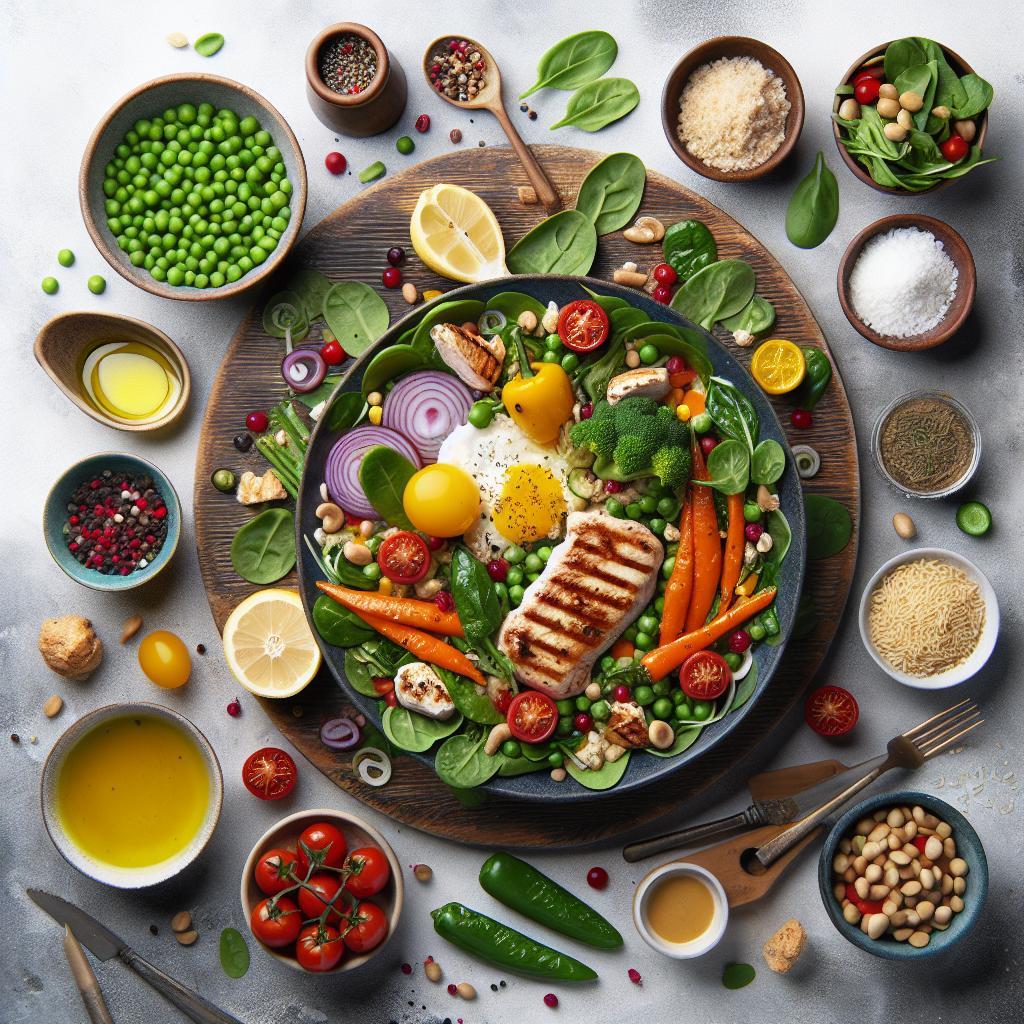
- 1 cup fresh vegetables, chopped (broccoli, carrots, bell peppers)
- 2 tablespoons olive oil or melted butter
- Salt and pepper to taste
- 1 teaspoon dried herbs (thyme, basil, or rosemary)
- 1/2 cup cooked protein (chicken, tofu, or beans)
- 1 cup cooked rice or quinoa
- 1/4 cup shredded cheese or nutritional yeast (optional)
- 1 tablespoon lemon juice or vinegar (for freshness)
Instructions
Follow a simple workflow: layer, cover, heat, stir, and allow standing time. These steps minimize hot spots and speed even heating.
Use a microwave-safe dish and break up large pieces before cooking. Rotate or stir midway to redistribute heat.
- Arrange chopped vegetables evenly in a microwave-safe dish. Drizzle with olive oil and season with salt, pepper, and herbs.
- Cover with a vented lid or microwave-safe wrap to trap steam while allowing moisture to escape and avoid sogginess.
- Microwave on high for 2–3 minutes. Pause halfway to stir gently; stirring breaks hot spots and distributes heat more uniformly.
- Add the cooked protein and grains. Stir to combine and promote even temperature throughout the dish.
- Cover and microwave for another 2–4 minutes depending on density. Use shorter bursts for denser mixes and test internal temperature.
- Check doneness with a fork or thermometer. If heat is uneven, stir and microwave in 30-second bursts until uniform.
- Finish with cheese or nutritional yeast and a splash of lemon. Let sit covered for 1 minute to allow heat equalization before serving.
Chef’s Notes: Tips for Success
Microwave penetration varies with water content and thickness. Thin or uniform layers heat faster and more evenly than thick blocks.
Stirring and repositioning reduce the common problem of overheated edges and cold centers. Use a turntable and pause to stir.
- Microwave penetration depth varies with food density and shape; slice large items into thin pieces for better results.
- Use microwave-safe containers with lids to harness steam and control moisture for tender results.
- Avoid metal in the microwave; use silicone or microwave-safe plastic tools for stirring.
- Embrace standing time: internal heat continues to spread after the magnetron stops, improving doneness.
- Reheating leftovers? spread food evenly in a shallow dish to achieve uniform heating without drying edges.
The Science Behind Microwave Penetration Depth and Common Misconceptions
Microwaves heat by agitating polar molecules, primarily water, through alternating electromagnetic fields. This process is technically called dielectric heating, and it concentrates energy in outer layers rather than at the core.
Microwave wavelength and material properties determine penetration depth. Typical domestic microwaves deliver energy that penetrates only a few centimeters, so the center warms mainly by thermal conduction.
For readers who want a technical reference, see the microwave oven article on design and operation. For the mechanism of energy absorption, consult dielectric heating.
Remember that the molecular target is water. High-water-content foods absorb energy efficiently, while low-moisture or highly dense foods heat unevenly. Heat then travels inward via thermal conduction, which is slower than direct microwave absorption.
If you want more practical safety recommendations, review our microwave safety guidelines for container selection and temperature targets. Those internal pages show tested approaches for safe reheating.
Tips for Even Cooking and Avoiding Hot Spots
Turntables help rotate food through varying field intensities, reducing persistent hot or cold zones. If your microwave lacks rotation, manually turn the dish during pauses.
Corners and dense lumps concentrate or block microwaves. Use round dishes, and break food into uniform pieces to increase exposed surface area and equalize heating.
- Use a microwave turntable to rotate food consistently during cooking.
- Cut food into uniform pieces to help even energy absorption and conduction.
- Cover food to trap steam which assists internal heating and prevents drying.
- Pause and stir food midway to distribute heat and avoid undercooked sections.
Serving Suggestions
Serve microwave-cooked dishes directly from a warmed container for rustic presentation. Bright herbs and a small acid finish lift flavors that sometimes flatten during reheating.
A drizzle of olive oil or a spoon of yogurt adds mouthfeel. Balance warm microwaved components with a crisp salad or toasted bread for contrast.

FAQ
Below are focused answers to common reader questions. Each entry addresses a single concept and gives actionable advice.
Read the questions that match your use case, and follow the practical steps suggested to improve safety and evenness.
Q1: Do microwaves cook food from the inside out?
No. Microwaves primarily heat outer layers by exciting polar molecules. The center warms through conduction, so the process is outside-in rather than inside-out.
Q2: Why do some foods seem hotter inside after microwaving?
Apparent hot centers arise when microwaves penetrate slightly and deposit energy below a cooler surface, or when dense pockets heat unevenly. Stirring and standing time correct these disparities.
Q3: Can microwaves penetrate all foods evenly?
No. Water content, geometry, and density govern absorption. High-water foods heat more uniformly, while dry or layered dishes need technique adjustments.
Q4: How do I avoid cold spots and ensure food safety?
Stir thick mixtures, use lower power for longer intervals on dense items, and verify temperatures with a food thermometer. Covering and allowing standing time also helps heat spread.
Q5: Are microwaves safe to use for everyday cooking?
Yes. When used with microwave-safe containers and proper procedures, microwaves are a fast, energy-efficient, and safe cooking method. Follow manufacturer guidance and monitored temperatures for high-risk foods.
In Summary
Microwaves do not cook food from the inside out. They deposit energy within limited depths and rely on conduction to warm the center.
Apply simple techniques—cut uniform pieces, stir, use covers, and allow standing time—to get consistent, safe results. For more tips, visit our related internal guide on microwave cooking tips and the microwave safety guidelines page.
See also: Microwaves