

Soy sauce transforms simple components into layered, savory dishes by supplying concentrated umami and salt. Use it with intention: choose the right style, balance salt with sweetness, and adjust timing to preserve aromatic notes.
- Choose naturally brewed soy sauce for deeper umami and smoother finish.
- Balance salt with sweet or water to avoid overpowering delicate ingredients.
- Add late for brightness, simmer for depth: timing changes the flavor profile dramatically.
Prep and Cook Time
Plan for quick execution: this glaze or sauce comes together in under 30 minutes, making it ideal for weeknight cooking. Short cook times preserve aromatic top notes, while controlled simmering builds complexity.
Use the timing below as a guideline for both rapid finishes and slow melding. Adjust minutes by recipe scale and heat source to avoid burning the sugars in the sauce.
- Prep: 10 minutes
- Cook: 15 minutes
- Total: 25 minutes
Yield
This recipe yields enough glaze or finishing sauce for four servings, suitable for proteins or vegetables. Scale linearly for larger batches but taste after each adjustment to maintain balance.
Store refrigerated for up to five days in an airtight container to keep flavors stable. Reheat gently to avoid breaking the emulsion or burning aromatics.
- Serves 4
Difficulty Level
Expect a medium skill level due to heat control and balancing taste. Most steps require basic sautéing skills and an understanding of seasoning progression.
With practice, you can adapt the same technique to simple bakes, grills, and stir-fries. Focus on tasting and adjusting rather than strictly following measurements.
- Medium
Ingredients
Use high-quality, naturally brewed soy sauce and fresh aromatics for reliable results. Small changes to sugar, mirin, or water will noticeably shift the final profile.
Below are measured ingredients to produce a concentrated glaze suitable for proteins and vegetables. Keep substitutions listed in the tips section if you need gluten-free options.
- 1/4 cup premium naturally brewed soy sauce (preferably aged for deeper complexity)
- 2 teaspoons toasted sesame oil
- 1 tablespoon mirin (Japanese sweet rice wine)
- 1 tablespoon finely grated fresh ginger
- 2 cloves garlic, minced
- 1/2 teaspoon sugar (adjust for desired sweetness)
- 1/4 teaspoon freshly ground black pepper
- 1 tablespoon water (to mellow intensity)
- 2 teaspoons toasted white sesame seeds (for garnish)
- 2 green onions, thinly sliced (for garnish)
Instructions
Combine the soy sauce, mirin, sugar, and water in a small mixing bowl and stir until the sugar dissolves. This ensures even sweetness and prevents grainy texture when reduced.
Heat sesame oil in a skillet over medium-low heat, then add ginger and garlic and sauté until fragrant, about 1–2 minutes. Avoid browning the garlic to prevent bitterness.
- Pour the soy sauce mixture into the skillet. Simmer on low for 5–7 minutes, stirring occasionally until the sauce slightly thickens.
- Season with black pepper, then remove from heat and allow to cool briefly to let flavors meld.
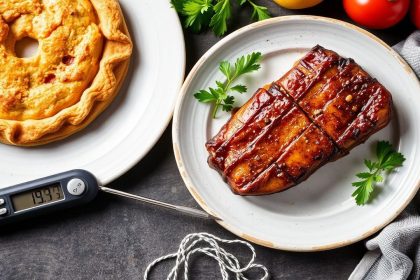
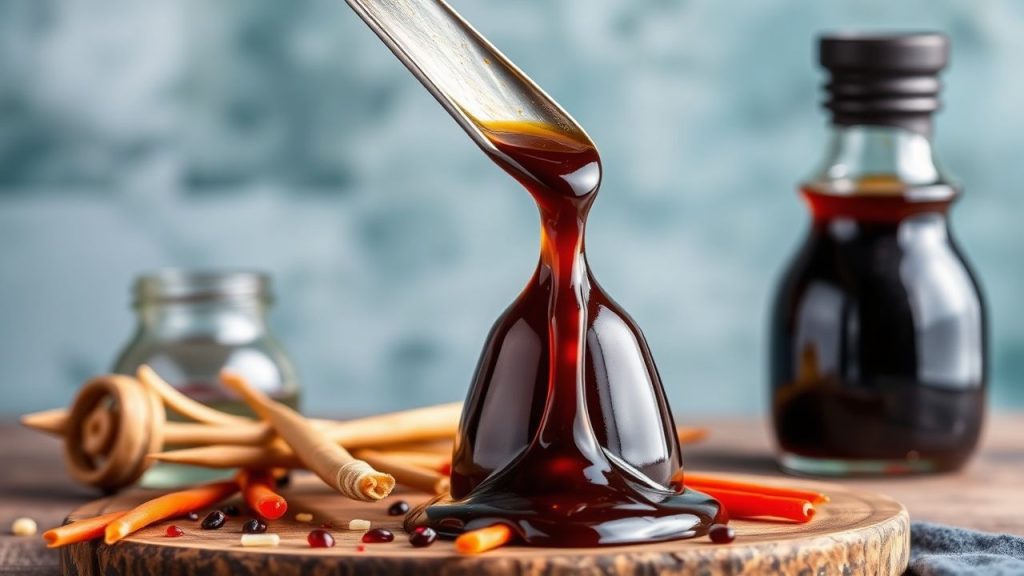
- Use immediately as a glaze over grilled chicken, tofu, or steamed vegetables, or store refrigerated in an airtight container for up to 5 days.
- Garnish with toasted sesame seeds and sliced green onions just before serving for texture and color contrast.
For high-heat applications like stir-fry, add toward the end to preserve a bright, salty edge. For braises or glazes, simmer longer to encourage caramelization and depth.
Tips for Success
Selecting the right soy product matters: naturally brewed varieties provide enzymatic complexity from fermentation. Learn the differences to match sauce character to the dish.
If you want technical background on the ingredient, consult detailed sources on the production process and fermentative chemistry for context and selection cues. That knowledge informs choices between light, dark, and reduced soy types.
Choosing Soy Sauce and Alternatives
Use soy sauce labelled “naturally brewed” or “aged” for the richest umami. Light varieties suit seasoning; darker ones deliver color and caramel notes.
For gluten-free needs, substitute tamari or coconut aminos but adjust salt and sweetness. Mirin contributes sweet acidity; learn its role via the mirin profile.
Layer aromatics rather than relying solely on soy: ginger, garlic, citrus zest, and toasted sesame oil all extend the flavor range. Add finishing herbs for contrast and freshness when serving.
Serving Suggestions
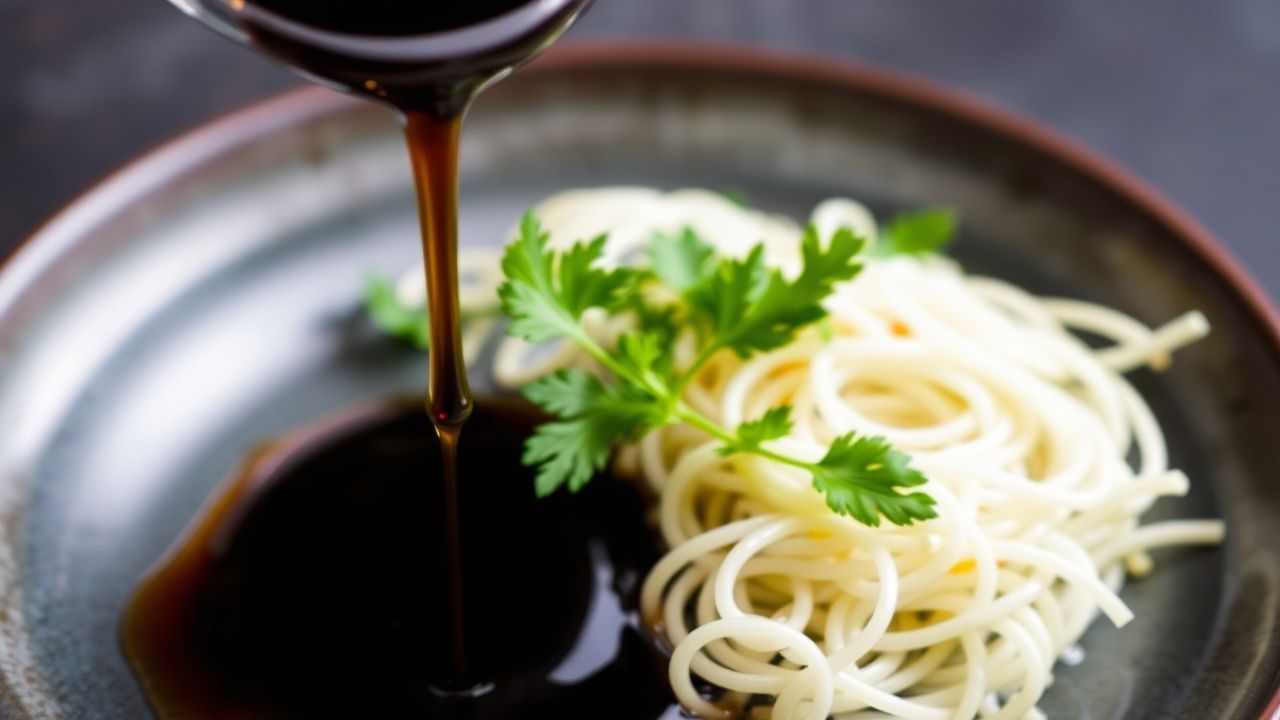
Use this glaze to finish grilled meats, pan-seared tofu, roasted vegetables, or cold noodle salads. Small amounts go a long way, so apply sparingly and taste as you go.
Pair the sauce with neutral starches like steamed rice or noodles to carry the concentrated umami. Add crunchy elements such as chopped peanuts or fried shallots to balance mouthfeel.
Explore complementary herb pairings—cilantro for brightness or thinly sliced scallions for a sharp green note. For global fusion, incorporate the glaze into dressings or barbecue reductions.
Variations and Substitutions
Adjust sweetness with mirin or a touch more sugar when using a very salty soy sauce. For a smoky edge, add a small amount of toasted sesame oil at the end to preserve aroma.
Try citrus (lime or orange) to lift the sauce when serving seafood or cold salads. For vegan or allergen swaps, choose tamari or coconut aminos and increase aromatics to compensate.
Nutrition
Keep portion sizes modest: a small glaze provides concentrated flavor with relatively low caloric impact. Monitor sodium when serving salt-sensitive diners.
| Nutrient | Per Serving |
|---|---|
| Calories | 45 |
| Protein | 3g |
| Carbohydrates | 5g |
| Fat | 2g |
Resources and Further Reading
For technical background on taste receptors and savory flavor, consult the umami entry. That context helps explain why soy sauce functions so effectively as a flavor enhancer.
To compare global styles and production methods, read about traditional brewing and fermentation at fermentation. For oil-based aroma choices, review the sesame oil overview.
Explore related internal guides for practical recipes and charts: Ultimate Guide to Umami Flavors and soy sauce varieties to refine your pantry and technique.
FAQ
What makes soy sauce so effective at boosting flavor?
Soy sauce delivers concentrated amino acids and fermented compounds that register as umami, enhancing perceived savory depth. It counterbalances fats and sweetness while deepening color and aroma.
How do I prevent a soy-based glaze from becoming too salty?
Start with less than the recipe calls for and adjust upward while tasting. Dilute with water or mirin, or add a fat or acid to round and soften the perceived saltiness.
Can I use soy sauce in non-Asian dishes?
Yes. Use it to add backbone to dressings, marinades, and sauces across cuisines, keeping amounts modest to avoid overpowering the dish. It pairs well with roasted vegetables, grilled meats, and even some stews.
How should I store opened soy sauce?
Keep opened bottles in a cool, dark place; refrigeration prolongs nuanced flavors, especially for naturally brewed varieties. Use within several months for best aromatic quality.
When should I add soy sauce during cooking?
Add early and simmer for deep integration in braises, or add near the end for bright, salty highlights. Choose the timing based on whether you prefer caramelized depth or fresh saltiness.
Unlock bold flavors by using soy sauce deliberately: select appropriate styles, layer aromatics, and control heat and timing to achieve consistent, crave-worthy results. Use the internal guides above for more recipes and practical charts to refine your technique.
See also: soy sauce