


9 Proven Reasons Quinoa Is the Ultimate Best Grain Battle Winner
Imagine opening your pantry after a long day and choosing between a box of couscous and a bag labeled Quinoa. You want the grain that fuels recovery, supports digestion, and fits a busy meal plan. Which do you reach for?
- Quinoa vs Couscous: Quick Comparison You Can Use Tonight
- Nutritional Comparison: Quinoa’s Macronutrients vs Couscous
- Health Benefits of Quinoa Backed by Data
- Quinoa in Diets, Allergies, and Sustainability Assessment
- How to Cook Quinoa Perfectly Every Time
- Quinoa Salad Recipe: Healthy Grain Bowl (Recipe Section)
- Engaging Introduction
- Ingredients
- Detailed Preparation Method
- Detailed Nutritional Info: Per Serving (approx. 4 servings)
- Expert Pro-Tips
- Choosing Between Quinoa and Couscous: Practical Meal Planning
- FAQ
- High-quality protein: Quinoa delivers complete plant protein with all essential amino acids.
- Blood sugar and fiber: Quinoa’s fiber may help steady postprandial glucose and increase satiety compared with refined couscous.
- Micronutrient density: Quinoa supplies minerals like magnesium and iron in meaningful amounts.
Quinoa vs Couscous: Quick Comparison You Can Use Tonight
When shopping, people often confuse couscous with quinoa because both cook quickly and pair well with vegetables. In fact, quinoa is a pseudocereal, not a true cereal grain, and it brings a different nutrient profile and texture to the plate.
Quinoa cooks into distinct, slightly nutty kernels that hold dressing and flavors. Couscous, typically made from wheat semolina, offers a lighter, fluffier texture but generally provides less protein and a different micronutrient mix.
Origins and culinary roles of Quinoa
Quinoa originates from the Andean region and has been cultivated for thousands of years by indigenous farmers. It has long held cultural and nutritional importance across South America.
As a kitchen ingredient, quinoa adapts to grain bowls, pilafs, porridges, and baked goods without overpowering other flavors. Its versatility makes it an asset in meal prep and restaurant menus alike.
Textural and flavor differences between Quinoa and couscous
Quinoa has a slightly crunchy seed coat and a tender interior when cooked properly. Couscous tends to be lighter and breaks apart into small granules that soak up broths quickly.
Flavor-wise, quinoa carries a mild nutty note and can have a faint earthy bitterness if not rinsed. Couscous is more neutral, which suits delicate sauces but can lack the body quinoa provides.
Nutritional Comparison: Quinoa’s Macronutrients vs Couscous
Per 100 grams cooked, the macronutrient balance differs noticeably between quinoa and most couscous. Quinoa provides more protein and a higher proportion of unsaturated fats, while couscous delivers more refined carbohydrates depending on the type.
For athletes and active people, the extra protein in quinoa supports recovery and lean-mass maintenance. People seeking greater satiety or more fiber in their meals may prefer quinoa over refined alternatives.
Calories, protein, carbs, and fats in Quinoa
Cooked quinoa supplies roughly 120–130 kcal per 100 g, with about 4–5 g protein and around 2–3 g fiber. Those numbers make quinoa an efficient calorie-to-nutrient ratio compared with many refined grains.
Quinoa’s fat content is modest but includes healthful unsaturated fatty acids and small amounts of alpha-linolenic acid (an omega-3 precursor). That small quantity increases the nutrient density per serving.
Micronutrient edge: Why Quinoa matters
Quinoa stands out for magnesium, phosphorus, iron, and several B vitamins — nutrients that can be limited in plant-based diets. Those micronutrients support energy metabolism, bone health, and oxygen transport.
In contrast, plain couscous typically offers fewer of these minerals unless fortified. That micronutrient gap can affect long-term dietary adequacy, particularly for people restricting animal products.
For more botanical and historical context on quinoa, consult the primary encyclopedia entry: Quinoa on Wikipedia.
Health Benefits of Quinoa Backed by Data
Some controlled feeding studies and observational research associate higher intakes of whole grains and pseudocereals, including quinoa, with modest improvements in cardiometabolic markers. Swapping refined grains for quinoa may help lower fasting insulin modestly and support healthier lipid profiles in some groups.
Quinoa’s soluble and insoluble fibers provide substrates for gut microbes, producing short-chain fatty acids that support colon health. This microbial activity has been linked in some studies to reduced inflammation markers and improved digestive regularity for many people.
Protein quality and vegetarian diets using Quinoa
Quinoa provides a complete amino acid profile, containing all nine essential amino acids in useful proportions. For vegetarians and flexitarians, quinoa can help fill protein gaps left by legumes and nuts.
When combined with vegetables and seeds, quinoa-based meals can meet protein targets without relying on processed meat substitutes. This makes quinoa a practical ingredient in meal planning for muscle maintenance.
Glycemic control and weight management with Quinoa
Because quinoa contains both fiber and protein, it typically produces a lower postprandial glucose response than many refined starches. That characteristic can help reduce cravings and support gradual weight loss when quinoa is used sensibly within a balanced diet.
Portion control remains critical; quinoa is nutrient-dense, and calories add up if servings are oversized. Use quinoa to balance plates rather than dominate them for optimal results.
Quinoa in Diets, Allergies, and Sustainability Assessment
Quinoa is naturally gluten-free, making it suitable for most people with celiac disease and non-celiac gluten sensitivity. Its lack of wheat gives cooks a reliable alternative when avoiding gluten-containing products.
However, some individuals may notice bitterness from saponins or increased bulk from fiber if their gut is sensitive. Proper rinsing and gradual introduction typically reduce these issues.
From an environmental standpoint, rising global demand for quinoa changed Andean farming systems: higher prices and expanded production altered land use and raised concerns about local food security and biodiversity. Choosing sustainably sourced, fair-trade quinoa helps support communities that steward quinoa diversity and long-term ecosystem health.
Quinoa for special diets: paleo, vegan, and low-FODMAP
While quinoa fits vegan diets exceptionally well, its classification in paleo diets varies. Some paleo practitioners accept pseudocereals like quinoa; others avoid them based on carbohydrate content.
For low-FODMAP plans, cooked quinoa in moderate portions is often tolerated. Dietitians typically suggest testing servings and monitoring tolerance to determine suitability for individual needs.
How to Cook Quinoa Perfectly Every Time
Cooking quinoa well transforms its texture from chalky to pleasantly tender and separate. The standard ratio is 1 part quinoa to 2 parts liquid, but small technique tweaks improve results.
Rinsing, toasting, and using flavorful liquids each enhance the final dish. Below is a reliable method to produce consistent quinoa for salads, bowls, and side dishes.
Step-by-step basic method for Quinoa
Rinse 1 cup of quinoa under cool running water to remove residual saponins. Toast briefly in a dry pan for one minute to bring out a nutty aroma, then add 2 cups of lightly salted water or broth.
Bring to a boil, reduce to a gentle simmer, cover, and cook for 12–15 minutes. Remove from heat and let sit covered for 5 minutes, then fluff with a fork to separate the grains.
Quinoa Salad Recipe: Healthy Grain Bowl (Recipe Section)
Engaging Introduction
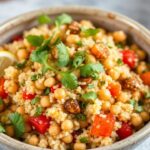
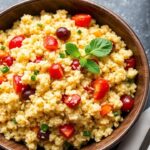
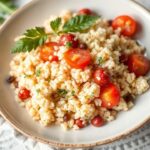
This warm quinoa salad blends roasted vegetables, herbs, and a lemon-tahini dressing for a balanced meal. The recipe highlights quinoa as a central component for protein, texture, and flavor harmony.
It suits meal prep, scales easily, and holds well refrigerated for lunches. Chefs across casual and upscale kitchens use similar bowls to showcase quinoa’s functionality.
Ingredients
- 200 g (1 cup) quinoa, rinsed
- 480 ml (2 cups) vegetable broth or water
- 200 g (1.5 cups) cherry tomatoes, halved
- 150 g (1 cup) roasted bell pepper strips
- 100 g (1/2 cup) cucumber, diced
- 60 g (1/4 cup) red onion, finely chopped
- 30 g (1/4 cup) fresh parsley, chopped
- 60 ml (1/4 cup) olive oil
- 30 ml (2 tbsp) lemon juice
- 30 g (2 tbsp) tahini
- Salt and pepper to taste
Detailed Preparation Method
1. Cook quinoa: combine rinsed quinoa and broth in a medium saucepan. Bring to a boil, lower heat, cover, and simmer 12–15 minutes until liquid is absorbed.
2. Rest and fluff: remove from heat, let stand 5 minutes, then fluff with a fork. Transfer to a large mixing bowl to cool slightly before adding vegetables.
3. Roast vegetables: toss cherry tomatoes and peppers with a teaspoon of oil, roast at 200°C/400°F for 12 minutes until caramelized. Cool slightly and add to quinoa.
4. Make dressing: whisk together tahini, lemon juice, olive oil, salt, and pepper. Adjust thickness with water if needed, and pour over the warm quinoa so flavors meld.
5. Combine and serve: fold in cucumber, onion, and parsley. Taste and adjust seasoning; serve warm or chilled as a main or side.

Detailed Nutritional Info: Per Serving (approx. 4 servings)
Per serving estimate: 360–400 kcal, 10–12 g protein, 14–16 g fat (depending on olive oil), 40–45 g carbohydrates, 5–6 g fiber. Vitamins: vitamin C from vegetables; minerals: magnesium and iron from quinoa.
These values vary with ingredient brands and portion sizes. For strict tracking, use a nutrition calculator and input your exact measurements to get precision for clinical or athletic needs.
Expert Pro-Tips
For restaurant quality, finish the bowl with a splash of high-acidity vinegar or a sprinkle of toasted seeds. This adds contrast and a final crunch that keeps diners engaged to the last bite.
Store cooked quinoa in an airtight container for up to 4 days. Reheat gently with a splash of water or broth to restore moisture without overcooking.
Choosing Between Quinoa and Couscous: Practical Meal Planning
When deciding which grain to use this week, weigh your goals: if you need higher protein and micronutrients, choose quinoa. For lighter textures or when wheat is acceptable, couscous can be faster and more neutral in flavor.
Cost and availability also matter; quinoa can be pricier and seasonal. Buying in bulk, looking for fair-trade labels, and pairing quinoa with seasonal vegetables maximizes value and nutrition.
Portion strategies and meal pairings for Quinoa
Balance quinoa with leafy greens, a source of healthy fat, and a lean protein or beans to create a complete plate. Use 1/2 to 1 cup cooked quinoa per adult serving depending on energy needs.
For breakfast, convert quinoa into a porridge with milk and fruit. For dinner, pair quinoa with roasted vegetables and a protein for a satiating, balanced meal.
FAQ
Is Quinoa healthier than couscous?
Quinoa often wins on nutrient density: more protein, fiber, and minerals per cooked cup. The exact health impact depends on overall diet and portion sizes, but quinoa provides a measurable nutritional advantage for many plant-forward diets.
How much Quinoa should I eat per meal?
A common recommendation is 1/2 to 1 cup cooked quinoa per meal for most adults. Athletes and people with higher caloric needs may require larger portions; adjust based on activity level and satiety signals.
Do I need to rinse Quinoa before cooking?
Rinsing quinoa removes residual saponins on the seed coat that can add bitterness. Many commercial brands are pre-washed, but rinsing is a low-effort step that improves flavor consistency.
Can Quinoa cause allergies or digestive issues?
Quinoa is generally low-allergen and gluten-free, but rare seed intolerances occur. People with sensitive digestion should introduce it slowly and rinse thoroughly to minimize saponin exposure.
Where can I buy sustainable Quinoa?
Look for fair-trade, organic, or small-farm cooperative labels to support ethical sourcing. Local specialty stores and reputable online retailers often provide transparency about origin and production practices.
Final assessment: For most people seeking nutrient-rich, versatile, and gluten-free options, quinoa offers superior protein quality and micronutrient density compared to couscous. Practical considerations like cost, texture preferences, and dietary restrictions still influence choice, but quinoa frequently emerges as the better health-oriented option.
See also: Quinoa