
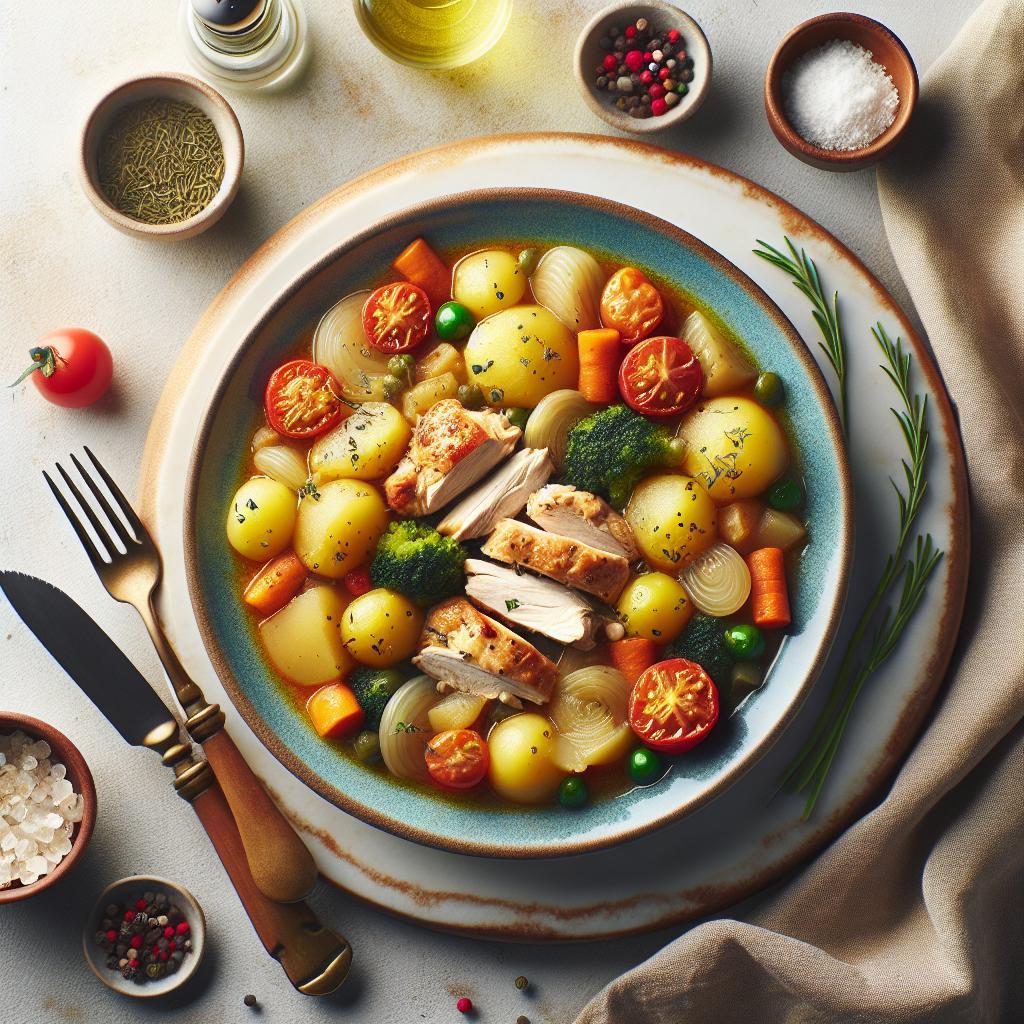

Chicken stew delivers warm, layered flavor from well-seared chicken, tender potatoes, and an aromatic broth. This recipe emphasizes technique and timing so you get dependable results every time.
- Prep and Cook Time for Chicken Stew
- Yield for Chicken Stew
- Chicken Stew Difficulty Level
- Ingredients for Chicken Stew
- Chicken Stew Instructions
- Tips for Success: Building That Signature Chicken Stew Depth
- Serving Suggestions for Chicken Stew and Cozy Pairings
- Nutritional Snapshot: Chicken Stew
- FAQ: Chicken Stew
- Can I swap chicken thighs for chicken breasts?
- How do I prevent potatoes from falling apart?
- Is this chicken stew freezer-friendly?
- What spices can I adjust for different flavor profiles?
- How can I make this stew lighter without losing flavor?
- The Way Forward: Chicken Stew Mastery
- Key takeaway: Browning builds flavor; simmering preserves texture.
- Practical result: Yukon Gold holds shape; low-sodium broth controls seasoning.
- Make-ahead win: Stew often tastes better the next day after flavors meld.
- Cook smart: Use a heavy-bottomed pot and gentle heat for consistent results.
Prep and Cook Time for Chicken Stew
Preparation: 20 minutes. Prepare ingredients before you heat the pot to keep the cook stage efficient.
Cooking: 1 hour 15 minutes. Use a gentle simmer for consistent tenderness and concentration of flavor.
- Total Time: 1 hour 35 minutes
Yield for Chicken Stew
This recipe serves 6 generous portions, suitable for family dinners or leftovers for meal prep. Portion into airtight containers once cooled for convenient storage.
Freeze single portions for up to three months and thaw overnight in the refrigerator before reheating on the stove to preserve texture.
Chicken Stew Difficulty Level
Rated Easy to Medium — the techniques are straightforward but require attention to temperature and timing. Home cooks new to stewing will gain reliable results by following the steps.
Focus on two skills: proper searing to develop Maillard flavor and maintaining a low simmer to avoid broken-down potatoes and dry meat. For more on the cooking method, see braising.
Ingredients for Chicken Stew
Use quality components for a simple, robust chicken stew. The ingredient list centers on chicken, potatoes, aromatics, and herbs that combine into a savory broth.
Below are the amounts and short notes on choice and purpose for key items. Where useful, I link ingredient concepts to reference pages for clarity.
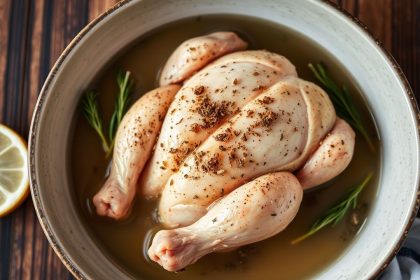
- 2 lbs bone-in, skin-on chicken thighs, trimmed of excess fat
- 1½ lbs Yukon Gold potatoes, peeled and cut into 1½-inch chunks
- 3 tablespoons olive oil
- 1 large onion, finely chopped
- 3 cloves garlic, minced
- 3 medium carrots, peeled and sliced into 3/4-inch rounds
- 2 celery stalks, diced
- 4 cups low-sodium chicken broth
- 1 cup diced canned tomatoes (no salt added)
- 2 teaspoons smoked paprika
- 1 teaspoon dried thyme
- 1 teaspoon dried rosemary
- 1 bay leaf
- Salt and freshly ground black pepper, to taste
- 2 tablespoons fresh parsley, chopped for garnish
Tip: use bone-in thighs for connective-tissue richness. If you prefer leaner cuts, choose skinless breasts but expect a different mouthfeel.
Ingredient background: learn more about chicken and the role of bones in flavor, or why potato variety matters.
Chicken Stew Instructions
Follow these steps in order and keep your heat control consistent. Precise timing and short adjustments make the difference between a flat stew and one with layered depth.
Work with a heavy-bottomed pot or Dutch oven to evenly distribute heat during searing and simmering. Also check searing theory and fond development with a short read on stew techniques.
- Brown the chicken: Heat olive oil in a large heavy-bottomed pot over medium-high heat. Season thighs with salt and pepper. Sear skin side down until golden brown, about 5 minutes, then flip and brown for 3 minutes. Remove and set aside.
- Sauté the aromatics: Reduce heat to medium. Add onion, carrots, and celery. Cook until softened and translucent, about 6–7 minutes. Add garlic and cook 1 more minute until fragrant.
- Add spices: Stir in smoked paprika, dried thyme, and rosemary. Cook briefly, about 30 seconds, to toast the spices and release oils.
- Deglaze and build the base: Add diced tomatoes and scrape the pot bottom to lift browned fond. Pour in chicken broth and add bay leaf; bring to a gentle simmer.
- Return chicken and add potatoes: Nestle browned thighs back into the pot and surround with potato chunks. Partially cover and reduce heat to low. Simmer gently for 1 hour to tenderize meat and soften potatoes.
- Adjust seasoning: Taste midway and again near the end. Add salt and pepper incrementally to balance the broth’s richness.
- Finish: When chicken pulls from bone and potatoes are fork-tender, remove bay leaf. For a thicker stew, lift the lid for the last 10 minutes to reduce liquid slightly.
- Serve: Sprinkle fresh parsley over the stew and serve hot with crusty bread or rolls for soaking up the broth.
Tips for Success: Building That Signature Chicken Stew Depth
Quality broth matters: choose low-sodium stock so you can control seasoning during cooking. If time allows, simmer a stock with bones for additional collagen and body.
Maintain a gentle simmer rather than a rapid boil. A steady low simmer keeps chicken tender and prevents potatoes from breaking apart.
Choose the right potato variety. Yukon Gold holds shape and yields a creamy interior; avoid high-starch russets if you want distinct chunks. Use larger, uniform pieces to survive longer simmer times.
Make-ahead is an advantage. Store overnight and reheat slowly for improved flavor cohesion and mouthfeel. For prep inspiration, link to internal resources like chicken stew notes or try the searing techniques guide on the site.
Use searing to build depth. Caramelized chicken skin and the fond it leaves on the pot form the backbone of a savory stew. For a lighter finish, remove skin after searing or use skinless cuts and adjust simmer time.
Adjust final texture by reducing liquid or removing skin for a lighter finish. Small changes in technique yield distinct results tailored to your preferences.
Serving Suggestions for Chicken Stew and Cozy Pairings
Serve the stew piping hot in deep bowls and garnish with a scatter of fresh parsley for contrast and aroma. Warm bread soaks up the broth and completes the mouthfeel.
Pair with a bright salad or lightly dressed greens to cut through the stew’s richness. For lower carbs, creamy mashed cauliflower complements the texture without adding heaviness.
Consider an optional dollop of whole-grain mustard or a touch of yogurt at the table to introduce acidity and balance. Small finishing touches elevate the overall plate.
For broader context on slow-cooking methods, consult the braising entry and compare how heat and liquid concentration differ between techniques.
Nutritional Snapshot: Chicken Stew
Per-serving nutrition varies with ingredient brands and portion sizes. Use this table as a guideline and adjust for substitutions like skinless chicken or alternative starches.
The numbers below assume bone-in thighs and standard Yukon Gold potatoes. Swap ingredients; recalculate calories and macros when you change the protein or starch.
| Nutrient | Per Serving |
|---|---|
| Calories | 410 |
| Protein | 38g |
| Carbohydrates | 28g |
| Fat | 18g |

FAQ: Chicken Stew
Can I swap chicken thighs for chicken breasts?
Yes. Thighs bring more connective tissue and flavor; breasts are leaner and cook faster. If you use breasts, reduce simmer time and monitor for dryness.
How do I prevent potatoes from falling apart?
Cut potatoes into uniform, larger chunks so they withstand simmering. Keep the simmer gentle and avoid frequent stirring to maintain their shape.
Is this chicken stew freezer-friendly?
Yes. Cool completely, portion into airtight containers, and freeze for up to three months. Thaw overnight and reheat gently on the stove to preserve texture.
What spices can I adjust for different flavor profiles?
Smoked paprika and rosemary give an earthy, savory profile. For brighter notes, add a squeeze of lemon at the end or a pinch of crushed red pepper for heat.
How can I make this stew lighter without losing flavor?
Use skinless chicken and extra vegetables. Substitute part of the potatoes with root vegetables or cauliflower to reduce carbs while keeping volume and mouthfeel.
The Way Forward: Chicken Stew Mastery
When you master searing, simmer control, and ingredient selection, the chicken stew becomes a reliable weeknight centerpiece. Keep notes on any adjustments you make so you can reproduce successful tweaks.
Over time, you will develop a personalized version that fits your household’s preferences. Return to this recipe to test small changes and to refine technique with consistent results.
See also: chicken stew