

Plants can provide every essential amino acid when you plan meals with intent. This article explains how complete proteins work, which plant foods deliver them directly, and how to combine foods to meet daily needs.
- What are complete proteins?
- Plant foods that are naturally complete
- Complementary proteins and practical timing
- How much protein do you need?
- Practical meal combos that deliver complete proteins
- Special populations and planning cautions
- How to measure and track adequacy
- Food form, digestibility, and absorption
- Key takeaways
- FAQ
- Complete proteins contain all nine essential amino acids your body cannot make.
- Certain plant foods are naturally complete; others become complete when paired across a day.
- Practical meal combos can supply athlete-level protein with plant sources.
What are complete proteins?
Complete proteins supply all nine essential amino acids in amounts that support tissue repair, enzyme function, and neurotransmitter production. Essential amino acids include histidine, isoleucine, leucine, lysine, methionine, phenylalanine, threonine, tryptophan, and valine.
Scientists classify a food as complete when its amino acid profile meets human needs for maintenance. For an overview of amino acids and their roles, see amino acid.
Plant foods that are naturally complete
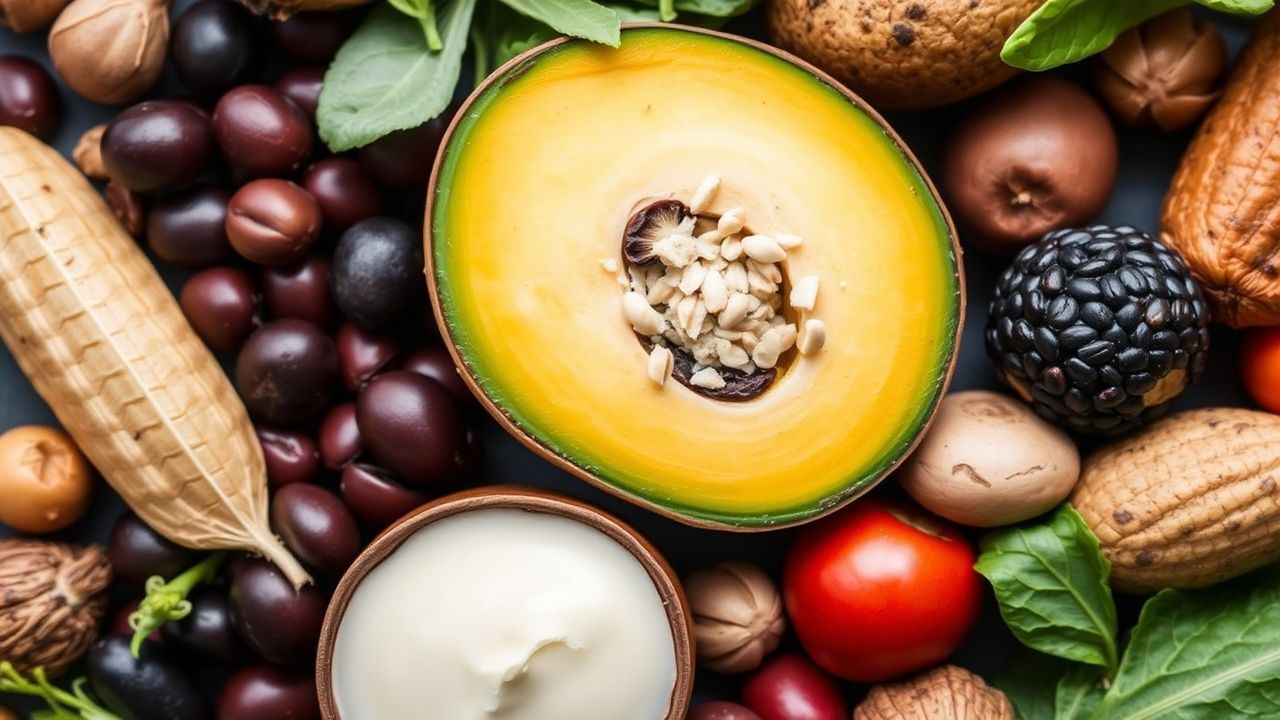
A handful of plant foods naturally contain all nine essential amino acids in useful amounts. Examples include quinoa, soy products, buckwheat, chia, and hemp seed. These options make it straightforward to meet protein targets without complex mixing rules.
Quinoa serves as a common example; it offers a balanced amino acid profile and also delivers fiber and micronutrients. Read more about quinoa at Quinoa. Soybeans similarly provide high-quality plant protein and are versatile across cuisines; see Soybean for cultivation and uses.
Complementary proteins and practical timing
Many staple plant foods lack one or two amino acids. For example, most beans are lower in methionine while many grains are lower in lysine. Pairing a grain with a legume creates a complementary meal with a full amino acid range.
You do not need to pair complementary proteins at a single meal. The body keeps an amino acid pool; consuming varied plant proteins across the day meets requirements effectively. This flexibility simplifies meal planning for busy lifestyles.
How much protein do you need?
The general adult Recommended Dietary Allowance (RDA) is 0.8 g/kg body weight per day. That level covers minimal needs for most healthy adults. Athletes and people recovering from injury often require higher intake.
Active individuals frequently aim for 1.2–2.0 g/kg depending on training load and recovery goals. Adjust targets based on body weight, training intensity, and guidance from a registered dietitian when needed.
Practical meal combos that deliver complete proteins
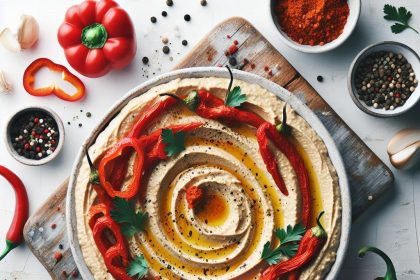
Use simple, repeatable combos to reach protein goals without stress. Examples include beans with rice, hummus on whole-grain pita, lentils with barley, and oatmeal with chia or hemp seeds. These pairings supply complementary amino acids and other nutrients like fiber and iron.
Keep a small set of go-to recipes to increase consistency. If you want ready examples, check internal resources like complete-protein recipes and our plant-proteins guide for meal plans and shopping lists.
Quick recipe ideas
Try a quinoa salad with black beans, roasted vegetables, and a sprinkle of hemp seeds for a balanced plate. Another quick option is tofu scramble with sautéed kale and a serving of buckwheat toast.
Snack smart with nut butter on whole-grain toast or Greek-style soy yogurt topped with chia seeds. These choices add protein, healthy fats, and micronutrients between meals.
Special populations and planning cautions
Pregnant people, children, older adults, and competitive athletes have higher protein and micronutrient needs. These groups benefit from targeted planning and periodic monitoring of markers such as iron and B12.
Vitamin B12 is not reliably present in plant foods and requires fortified foods or supplements for those on strict plant-based diets. Consider blood tests and professional advice when changing dietary patterns.
How to measure and track adequacy
Track protein intake via daily logs or simple apps that list grams per portion. Calculate grams per kilogram of body weight to compare against your target range. This practice makes gaps visible and correctable quickly.
Assess progress with performance markers and recovery: sustained energy, preserved lean mass, and reduced incidence of injuries indicate adequate intake. When in doubt, request lab tests for nutrient status and follow professional guidance.
Food form, digestibility, and absorption
Protein quality depends on digestibility and amino acid composition. Processing methods such as cooking, fermentation, and sprouting can improve digestibility and reduce anti-nutrients that impede absorption.
Fermented soy (tempeh) and cooked legumes typically digest better than raw seeds and beans. For deeper reading on protein concepts, consult the protein (nutrient) overview.
Key takeaways
- Plants can deliver complete proteins either directly or through complementary combinations.
- Focus on variety across the day, practical meal combos, and protein targets by weight.
- Monitor micronutrients and consider professional testing for special groups.
FAQ
Are plant-based complete proteins as effective as animal proteins?
Yes. When total protein and key amino acids meet targets, plant proteins support muscle repair and metabolic needs similarly to animal proteins. The key is managing quantity and variety.
Do I need supplements to get complete proteins on a plant diet?
Most people do not need protein supplements if they eat a varied diet with legumes, whole grains, seeds, nuts, and soy. Supplements can help meet higher needs for athletes or during recovery when food intake alone falls short.
Which single plant foods are complete proteins?
Quinoa, soy-based products, buckwheat, chia, and hemp seed contain all nine essential amino acids in meaningful amounts. These foods make meal planning simpler when you seek a single-source complete protein.
How should athletes plan plant-based protein?
Athletes often aim for 1.2–2.0 g/kg of protein daily and space intake across meals and post-workout windows. Prioritize leucine-rich options and consider timing to optimize recovery.
Where can I learn more about amino acids and protein science?
Authoritative summaries are available on educational sites and peer-reviewed journals. For a concise primer, see essential amino acid.
See also: Complete proteins