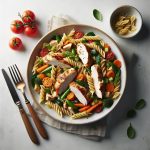

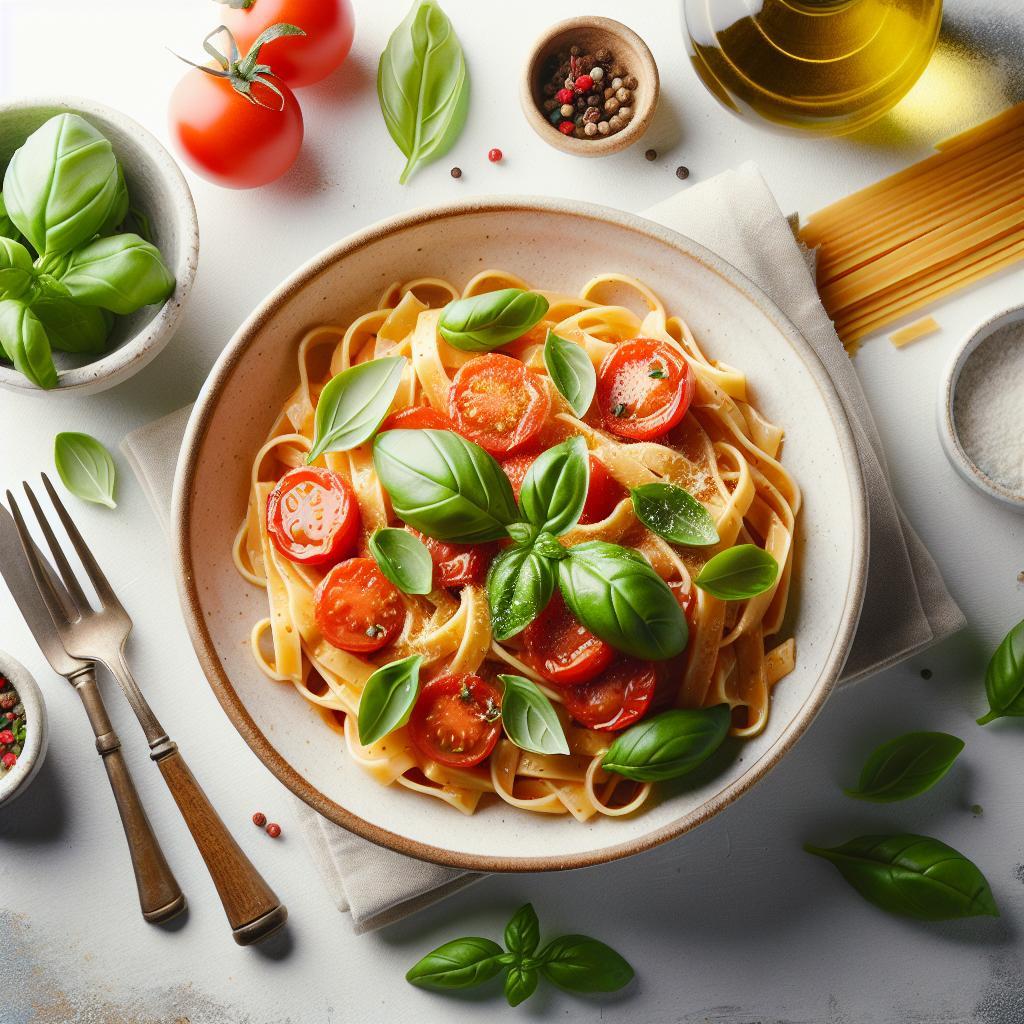

Savor the Flavor: Creamy Tomato Pasta with Fresh Basil Bliss pairs ripe tomatoes and bright basil in a silky sauce that clings to fettuccine for truly satisfying comfort food. This recipe focuses on ingredient quality and simple technique to produce a restaurant-caliber plate at home.
- Quick build: Ready in about 35 minutes for weeknight cooking.
- Simple swaps: Use half-and-half or plant creams for lighter or vegan versions.
- Pro technique: Reserve pasta water to emulsify the sauce for a glossy finish.
- Serve: Pair with a crisp salad and crusty bread to balance richness.
Mastering the Art of Creamy Tomato Basil Pasta
This dish balances acid, fat, and fresh herb aromatics to produce a pleasing mouthfeel and clear flavor profile. Understanding how acidity from tomato and richness from cream interact helps you control texture and taste during cooking.
Start with quality canned or fresh tomatoes and a top-tier cheese for umami lift. Familiar technique—sweating aromatics, gentle simmer, off-heat cream addition—keeps the sauce smooth and stable.
Ingredients and Why They Matter
Choose pasta that offers surface area for sauce adhesion; broad ribbons like fettuccine perform well. The starch released by boiling pasta and reserved pasta water help the sauce cling and emulsify.
Use a high-quality canned crushed tomato or ripe fresh tomatoes to control acidity and sweetness. Add grated cheese for savory depth—authentic Parmigiano-Reggiano or a mature hard cheese makes a measurable difference.
- 12 oz (340 g) fettuccine pasta – for sauce cling
- 2 tbsp extra virgin olive oil
- 3 cloves garlic, minced
- 1 small yellow onion, finely diced
- 1 can (28 oz) high-quality crushed tomatoes
- ¾ cup heavy cream
- 1 tsp sea salt, or to taste
- ½ tsp freshly ground black pepper
- 1 tsp sugar – balances acidity
- 1 cup fresh basil leaves, roughly torn – fresh basil is key; see basil notes
- ½ cup grated Parmesan cheese, plus extra for garnish
- Optional: ⅓ cup toasted pine nuts
Prep, Cook Time, and Yield
Preparation: 15 minutes. Cooking: 20 minutes. The timeline keeps flavors bright and textures ideal for immediate service.
This recipe yields four generous portions. Adjust quantities linearly if you scale up; pasta-to-sauce ratio is important to avoid a dry plate or an overly soupy bowl.
Instructions
Follow a methodical sequence: build flavor base, add tomato, simmer to concentrate, finish with cream and cheese off high heat. Timing determines texture and prevents separation.
Keep short stints of high heat for evaporation and longer gentle simmers for flavor integration. Reserve pasta water and add it at the end to marry sauce to pasta for a silky, cohesive finish.
- Bring a large pot of salted water to a rolling boil. Cook fettuccine until al dente, 10–12 minutes. Reserve ½ cup pasta water, drain, and set aside.
- Heat olive oil in a large skillet over medium heat. Sauté garlic and onion until translucent and fragrant, about 4–6 minutes, stirring to avoid browning.
- Pour in crushed tomatoes and season. Add salt, pepper, and sugar. Simmer on medium-low for 8–10 minutes until the sauce reduces and brightens in flavor.
- Lower heat and temper in the cream. Off high heat, stir in heavy cream gradually and simmer 3–5 minutes to warm through while maintaining a smooth emulsion.
- Stir in basil and cheese. Add torn basil and grated Parmesan, stirring until the cheese melts and basil releases aromatics into the sauce.
- Toss pasta with sauce. Combine pasta and sauce in the skillet, adding reserved pasta water a tablespoon at a time to reach a glossy, clingy coat.
- Serve immediately. Plate, garnish with extra basil, a dusting of cheese, and toasted pine nuts if desired. Serve while warm for best texture and aroma.
Tips for Success: Achieving Consistent Results
Manage heat carefully to prevent cream from breaking; always integrate cream on low heat or off heat. Keep stirring when adding dairy to preserve emulsion and sheen.
Season progressively: salt during cooking and finish with a taste adjustment. Fine-tuning at the end preserves the subtle herb brightness and prevents over-salting after reduction.
- Selecting fresh basil: Use only bright green leaves, tear them rather than slice to avoid bruising and loss of volatile oils.
- Pasta choice: Broad ribbons like fettuccine or tagliatelle provide ample surface area; twisted shapes like fusilli trap pieces of basil and sauce.
- Make-ahead: The sauce stores well refrigerated for up to 3 days; reheat gently and toss with freshly cooked pasta.
- Flavor depth: Add a pinch of red chili flakes or a splash of balsamic vinegar to taste for subtle complexity.
For lighter versions, replace heavy cream with half-and-half or a cashew-based cream. Expect a slightly thinner mouthfeel but similar flavor presence.
Serving Suggestions to Elevate the Experience
Serve this pasta with a crisp salad dressed in lemon vinaigrette to cut through the richness and add a refreshing contrast. Crusty garlic bread or focaccia complements the sauce and invites diners to scrape the plate.
Consider pairing with a light white wine or a sparkling water with lemon for non-alcoholic occasions. For related recipes, see our Fresh Herb Pesto Pasta and try toasted garlic focaccia at Garlic Focaccia to complete the meal.
Nutrition Snapshot and Practical Notes
This recipe provides a balance of macronutrients suitable for a main-course serving and can be adjusted for calorie control by reducing cream or portion size. Protein primarily comes from cheese and pasta.
Substitute plant-based creams and nutritional yeast to make a vegan variant while retaining texture and savory character. Monitor sodium if you use salted cheeses or stock.
| Nutrient | Per Serving |
|---|---|
| Calories | 520 kcal |
| Protein | 18 g |
| Carbohydrates | 60 g |
| Fat | 20 g |

FAQ
What can I use if I don’t have fresh tomatoes?
High-quality canned tomatoes, especially whole peeled varieties, work well and concentrate flavor when simmered. Simmer longer to reduce water content and intensify the tomato profile.
Can I substitute the heavy cream without losing texture?
Use half-and-half for a lighter finish, or a blended cashew cream for a vegan substitute. Expect a slightly different mouthfeel; adjust seasoning accordingly to compensate for flavor differences.
Why reserve pasta water and how much should I use?
Reserved pasta water contains starch that helps bind water and fat into a glossy emulsion. Add it a tablespoon at a time until the sauce reaches a silky consistency that coats the pasta evenly.
Is fresh basil essential to the final flavor?
Yes. Fresh basil delivers volatile aromatic compounds that dried herbs cannot match. Add torn leaves at the end of cooking to preserve fragrance and bright herbal notes.
Which pasta shapes work best with this sauce?
Medium to wide ribbons like fettuccine or tagliatelle capture the creamy tomato sauce best. Twisted shapes such as fusilli also trap flecks of basil and create varied texture in each bite.
For background on tomatoes and their culinary role, review the tomato entry. For broader technique notes on emulsifying sauces, consult resources on dairy cream.
See also: Tomato Pasta