By using this site, you agree to the Privacy Policy and Terms of Use.
Accept
CookOrBitCookOrBitCookOrBit
  • Home
  • About Us
  • Ingredient Science
    • Flavor & Aroma
    • Protein Chemistry
    • Sugar & Starch
    • Fats & Emulsions
  • Cooking Techniques
    • Searing & Grilling
    • Baking & Roasting
    • Boiling & Steaming
    • Low & Slow
  • Kitchen Experiments
    • DIY Ferments
    • Flavor Tests
    • Gadget Testing
    • Molecular Gastronomy
  • Food Myths
    • Searing Myth
    • 5-Second Rule
    • MSG Myths
    • Microwave Myths
  • Tools
  • More
    • Extra Picks
    • Quick & Easy
      • Breakfast Ideas
      • Desserts
      • Snacks
      • Soups
    • Global Flavors
      • Asian Street Eats
      • Latin Comforts
      • Mexican Flavors
      • Modern Mediterranean
CookOrBitCookOrBit
  • Home
  • About Us
  • Ingredient Science
  • Cooking Techniques
  • Kitchen Experiments
  • Food Myths
  • Tools
  • More
Search
  • Home
  • About Us
  • Ingredient Science
    • Flavor & Aroma
    • Protein Chemistry
    • Sugar & Starch
    • Fats & Emulsions
  • Cooking Techniques
    • Searing & Grilling
    • Baking & Roasting
    • Boiling & Steaming
    • Low & Slow
  • Kitchen Experiments
    • DIY Ferments
    • Flavor Tests
    • Gadget Testing
    • Molecular Gastronomy
  • Food Myths
    • Searing Myth
    • 5-Second Rule
    • MSG Myths
    • Microwave Myths
  • Tools
  • More
    • Extra Picks
    • Quick & Easy
    • Global Flavors
Follow US
  • Advertising Policy: 10 Practical Rules for Safe, Compliant Ads
  • Contact Us
  • Cookie Policy: Clear Guide for Site Owners
  • Copyright Notice Guide: 7 Essential Rules for Website Owners
  • Disclaimer
  • Privacy Policy
  • Terms of Service
By Fimaw.com
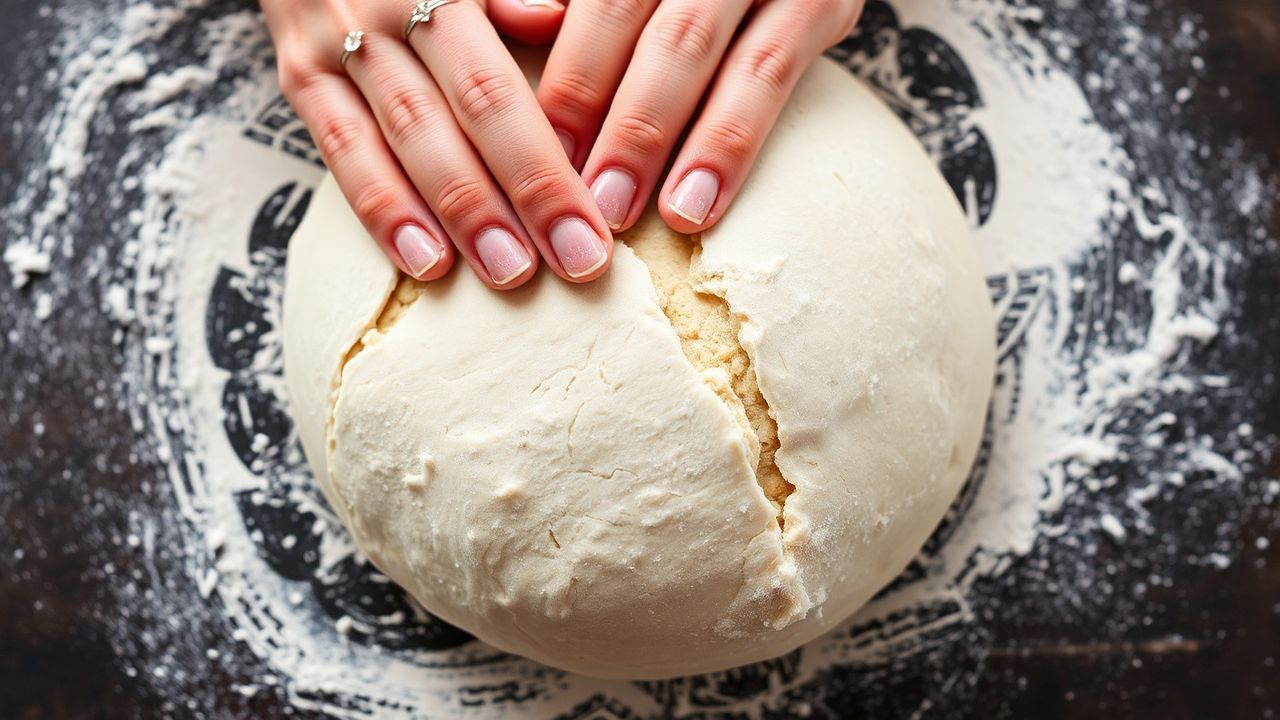
عجين لم يُعجن: خبز كثيف ومفتت مع قشرة غير منتظمة
CookOrBit > Blog > Ingredient Science > Protein Chemistry > 7 Surprising Effects When You Skip Kneading (The Untold Dough)
Protein Chemistry

7 Surprising Effects When You Skip Kneading (The Untold Dough)

William J. Kroll
By William J. Kroll
Published: August 29, 2025
Share
SHARE

Bread baking blends simple ingredients and precise technique. When you skip kneading, you change how those ingredients interact and how the final loaf behaves.

Contents
  • What is kneading and why it matters
    • Mechanics of gluten formation
  • How skipping kneading changes dough structure
    • Texture and crumb
    • Flavor and aroma
  • Practical steps for reliable no-knead loaves
  • Common pitfalls and how to avoid them
    • Quick troubleshooting table
  • How yeast and microbes shape the no-knead profile
    • Choosing between quick no-knead and sourdough
  • Final considerations for home bakers
  • FAQ
    • Can I skip kneading completely and still get good bread?
    • How long should I ferment no-knead dough?
    • Will no-knead bread have the same chew as kneaded bread?
    • Do I need special equipment for no-knead baking?
    • Can I adapt my favorite kneaded recipe to a no-knead method?
  • No-knead relies on time: long fermentation develops gluten slowly.
  • Texture shifts: you often get a more open, irregular crumb.
  • Flavor deepens: extended fermentation produces more complex acids and aromas.
  • Handling changes: higher hydration and gentle shaping become critical.

What is kneading and why it matters

Kneading mechanically develops gluten, the protein matrix that traps gas and gives bread structure. Bakers apply folding and pressure to align gluten strands rapidly.

This mechanical action contrasts with biochemical development over time. For more on the protein itself, see gluten on Wikipedia.

- Advertisement -

Mechanics of gluten formation

Kneading stretches and orients gluten-forming proteins (gliadin and glutenin). That creates elasticity and strength so the dough holds rise and shape.

When you skip this work, enzymes and hydration gradually do the aligning for you during fermentation. For background on fermentation processes, consult fermentation.

How skipping kneading changes dough structure

Skipping kneading shifts the method from physical manipulation to time-based chemistry. You give enzymes, water, and yeast hours to develop the network that kneading would otherwise force in minutes.

- Advertisement -

That slower pathway creates characteristic differences in crumb, crust, and flavor. Understanding those differences lets you control outcomes deliberately.

Texture and crumb

No-knead doughs often yield a more open, irregular crumb with larger alveoli. The result looks rustic and can hold toppings or dips well.

If you under-ferment, however, the loaf will be dense and gummy. Correct timing prevents that problem and rewards patience.

- Advertisement -

Flavor and aroma

Extended fermentation increases organic acid and ester production, which gives the loaf deeper, tangy notes. This is why many bakers prefer long, slow rises for flavor.

Long fermentation also improves keeping quality; the loaf stays flavorful longer compared with a quick, mechanically developed loaf.

Practical steps for reliable no-knead loaves

Successful no-knead bread requires deliberate adjustment of hydration, time, and shaping. Treat it as a method, not a shortcut.

Start with a high-hydration dough (typically 70–80% hydration) and allow 12–18 hours of fermentation at room temperature for most yeasted recipes.

  • Hydration: higher water content encourages natural gluten development.
  • Fermentation time: longer bulk ferment improves strength and flavor.
  • Handling: minimal degassing and gentle shaping preserve open crumb.

For recipe ideas and tested methods, see our internal bread recipes collection. For technical background, review our baking science resources.

💡 Expert Insight
Expert Insight: Use a bench rest and light folding at 30 and 60 minutes into bulk fermentation. Those short, measured folds strengthen the dough without defeating the no-knead principle.

Allow the shaped dough a final proof in a well-floured banneton or a lined bowl to build surface tension gently. That tension supports oven spring and a pleasing crust.

Common pitfalls and how to avoid them

People often assume no-knead means no attention. The truth: no-knead trades effort now for patience and timed care later.

Common mistakes include under-hydration, insufficient fermentation, and harsh shaping. Each leads to predictable faults like tight crumb, weak oven spring, or collapsed loaves.

⚠️ Pro-Caution
Pro-Caution: If your dough feels dry or tears easily during shaping, it likely needs more hydration or a longer bulk ferment. Forcing tight shaping will collapse the structure.

Temperature control matters. Cooler rooms slow enzyme activity and require longer fermentation. Warmer rooms speed fermentation but risk overproofing.

When troubleshooting, log times, temperatures, and hydration. That data makes adjustments rapid and reliable.

Quick troubleshooting table

Symptom Likely cause Fix
Dense crumb Under-fermented or low hydration Extend bulk ferment 2–4 hours; increase hydration 2–4%
Large collapse mid-loaf Overproofed or weak shaping Shorten proof or tighten shaping; cold retard overnight
Sticky handling High hydration and low gluten development Use gentle dusting, stretch-and-folds, or chill briefly

How yeast and microbes shape the no-knead profile

Yeast metabolizes sugars into CO2 and alcohol, driving the rise. Bacterial activity introduces acids and flavor compounds over long fermentation.

Different leavens (commercial yeast vs. sourdough starter) produce distinct profiles. For more on yeast and starters, consult yeast and sourdough entries.

Choosing between quick no-knead and sourdough

Quick no-knead uses commercial yeast and yields reliable results with less time. Sourdough emphasizes complex flavor and longer retards.

Both methods benefit from long hydration and gentle handling. Choose by desired flavor profile and the time you can commit.

Final considerations for home bakers

Skipping kneading is a conscious technique choice. It favors fermentation-driven structure and flavor over mechanical speed.

Adopt the method with intention: monitor times, use appropriate hydration, and adjust for room temperature. You will control the result, not leave it to chance.
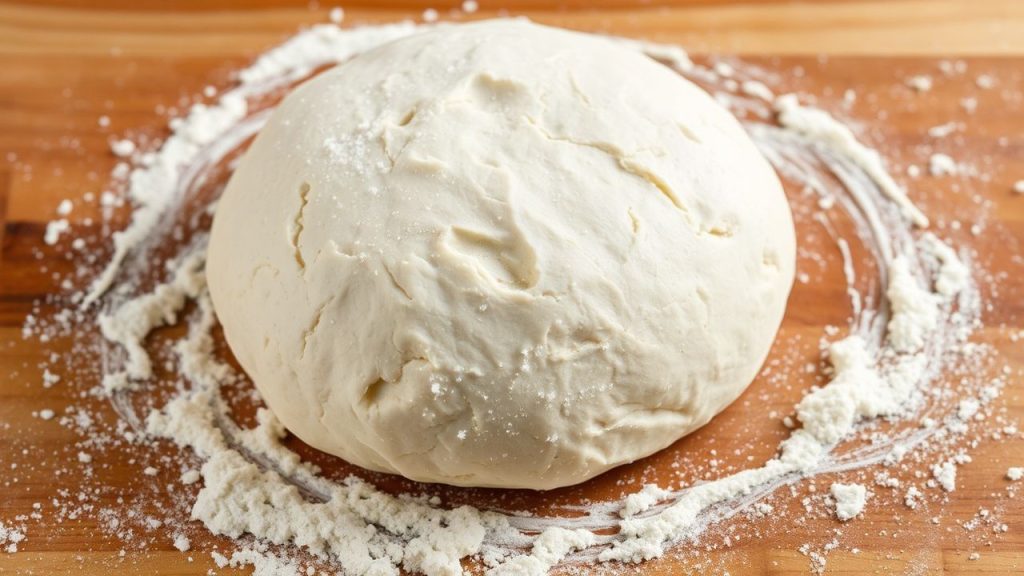
خبز لم يُعجن يظهر قشرة متفتتة وقوام هش بعد تخطي العجن

FAQ

Can I skip kneading completely and still get good bread?

Yes. You can get excellent bread with no-knead methods if you allow adequate fermentation and use higher hydration. Skillful shaping and proofing finish the loaf.

How long should I ferment no-knead dough?

Typical room-temperature fermentation runs 12–18 hours for a standard recipe. Adjust based on room temperature and desired flavor intensity.

Will no-knead bread have the same chew as kneaded bread?

No-knead loaves often have a different chew—less uniform but pleasantly open. Proper hydration and time produce good chew even without mechanical kneading.

Do I need special equipment for no-knead baking?

You do not need special mixers. A Dutch oven helps create steam and strong oven spring, but you can also use a baking stone and steam pan.

Can I adapt my favorite kneaded recipe to a no-knead method?

Yes, but adapt hydration and increase fermentation time. Log changes and test small batches until you get reliable results.

See also: no-knead

10 Proven Secrets: Mastering the Flake for Perfect Puff Pastry
7 Hearty Turkey Stew Tips for a Nutritious Comfort Bowl
7 Hearty Turkey Soup Tips for a Classic Winter Bowl
Unlocking Flavor: 7 Scientific Secrets of Toasting Nuts & Seeds
7 Proven Ways to Make Vegetables Taste Meatier: Unlock Umami Richness
TAGGED:andbaking sciencebread bakinggluten developmenthigh hydrationlong fermentationNo knead breadopen crumbtheuntoldwhatyou
Share This Article
Facebook Pinterest Whatsapp Whatsapp LinkedIn Telegram Threads
What do you think?
Love0
Sad0
Happy0
Sleepy0
Angry0
Dead0
Wink0
Previous Article جزيء فانيلين مكبّر مع روابط كيميائية وخلفية مستخلص الفانيليا Vanillin Unlocked: 7 Chemical Secrets Behind Vanilla’s Aroma
Next Article بيضة مسلوقة ناعمة في ماء مع سحر الخل، شرح علمي لطهي مثالي Vinegar Magic: 7 Tested Steps for Perfect Poached Eggs
Creamy Garlic Chicken with melted Parmesan and fresh herbs on a rustic white plate
Garlic Chicken: 7 Ultimate Brilliant Recipes to Make the Best-Ever Creamy Garlic Chicken with Parmesan & Fresh Herbs
Extra Picks
Colorful bowls of Leftover Couscous transformed into salads, fritters, and stuffed peppers.
12 Amazing Practical Leftover Couscous Ideas: Brilliant Ways to Reuse and Remix
Uncategorized
Colorful jars of spice blends beside steaming couscous with herbs and lemon
7 Ultimate spice blends That Transform Your Couscous — Amazing Best Flavor Boosts
Uncategorized
Bowls of gluten-free couscous alternatives: quinoa, millet, cauliflower, and rice
10 Amazing couscous alternatives: Best Gluten-Free Swaps for Incredible Flavor
Uncategorized

Tags

and art baked baking science baking techniques Baking tips batch cooking beef behind browning techniques butternut squash caramelization cast iron skillet chemistry chicken comfort food Cooking science cooking technique Cooking techniques Cooking tips crafting creamy creamy soup crispy culinary science fish flavor flavor chemistry food food safety Food science for garlic golden Ground turkey hearty heat high-heat cooking high protein meals how instant read thermometer Lean protein magic Maillard reaction make ahead meals make ahead soup mastering meal prep Meal prep recipes meat thermometer microwave microwave cooking moisture control one pot meals Pan searing perfect perfectly Plant based protein Probe thermometer protein denaturation Quick dinners roasted roasted squash roasted tomato soup Roasted vegetables Roasting techniques savor savory science Searing technique Searing techniques secrets slow cooking squash steak steak cooking sweet temperature control the top turkey turkey soup turkey stew ultimate umami cooking umami flavor unlock unlocking unveiling vegetable velvety weeknight dinner Weeknight dinners weeknight meals what when why with your zesty
April 2026
M T W T F S S
 12345
6789101112
13141516171819
20212223242526
27282930  
« Mar    

You Might Also Like

Zesty Moroccan Carrot Salad: A Vibrant Flavor Journey
Extra Picks

7 Zesty Moroccan Carrot Salad Secrets for Vibrant Flavor

William J. Kroll
William J. Kroll
December 22, 2025
Marinades Unveiled: The Secret to Juicy, Flavorful Kebabs
Searing & Grilling

9 Marinade Secrets for Juicy, Flavorful Kebabs

William J. Kroll
William J. Kroll
February 10, 2026
مخطط علمي يوضح كيف يحافظ الملح على اللحوم عبر الزمن
Protein Chemistry

7 Science-Proven Salt Curing Methods That Preserve Meat

William J. Kroll
William J. Kroll
September 5, 2025
Savor the Flavor: How to Make Perfect Chicken Shawarma Bowls
Extra Picks

Savor the Flavor: 7 Expert Steps to Perfect Chicken Shawarma Bowls

William J. Kroll
William J. Kroll
January 30, 2026
Velvety Carrot Soup: A Creamy Twist on Classic Comfort
Extra Picks

7 Pro Tips for Velvety Carrot Soup: Creamy Comfort Made Simple

William J. Kroll
William J. Kroll
February 15, 2026
فقاعات مخمر الساوردي، تفاعل كيميائي ساحر يرفع العجينة
Flavor & Aroma

Sourdough Starter Science: 7 Essential Chemistry Insights

William J. Kroll
William J. Kroll
August 28, 2025
Follow US
By Fimaw.com © All Rights Reserved.
  • Advertising Policy: 10 Practical Rules for Safe, Compliant Ads
  • Contact Us
  • Cookie Policy: Clear Guide for Site Owners
  • Copyright Notice Guide: 7 Essential Rules for Website Owners
  • Disclaimer
  • Privacy Policy
  • Terms of Service
Welcome Back!

Sign in to your account

Username or Email Address
Password

Lost your password?