

Beneath the skin’s surface two structural proteins determine mechanical behavior. Collagen forms the load-bearing scaffold while elastin provides recoil and rapid shape recovery. Supporting healthy collagen levels is crucial for skin integrity. Understanding how collagen and elastin differ is key to maintaining youthful skin.
- How collagen and elastin differ
- Molecular structure and mechanics
- Aging, UV and lifestyle effects
- Practical comparison: quick reference
- Evidence-based ways to support production
- Clinical role and wound healing
- Practical protocols clinicians and advanced consumers use
- Final thoughts on maintaining a resilient dermal matrix
- FAQ
- Collagen supplies tensile strength and dermal thickness.
- Elastin enables elastic recoil and quick return to shape after deformation.
- Consistent photoprotection and targeted nutrition slow degradation of both matrix proteins.
- Topical retinoids and vitamin C primarily stimulate collagen remodeling more than new elastin production.
How collagen and elastin differ
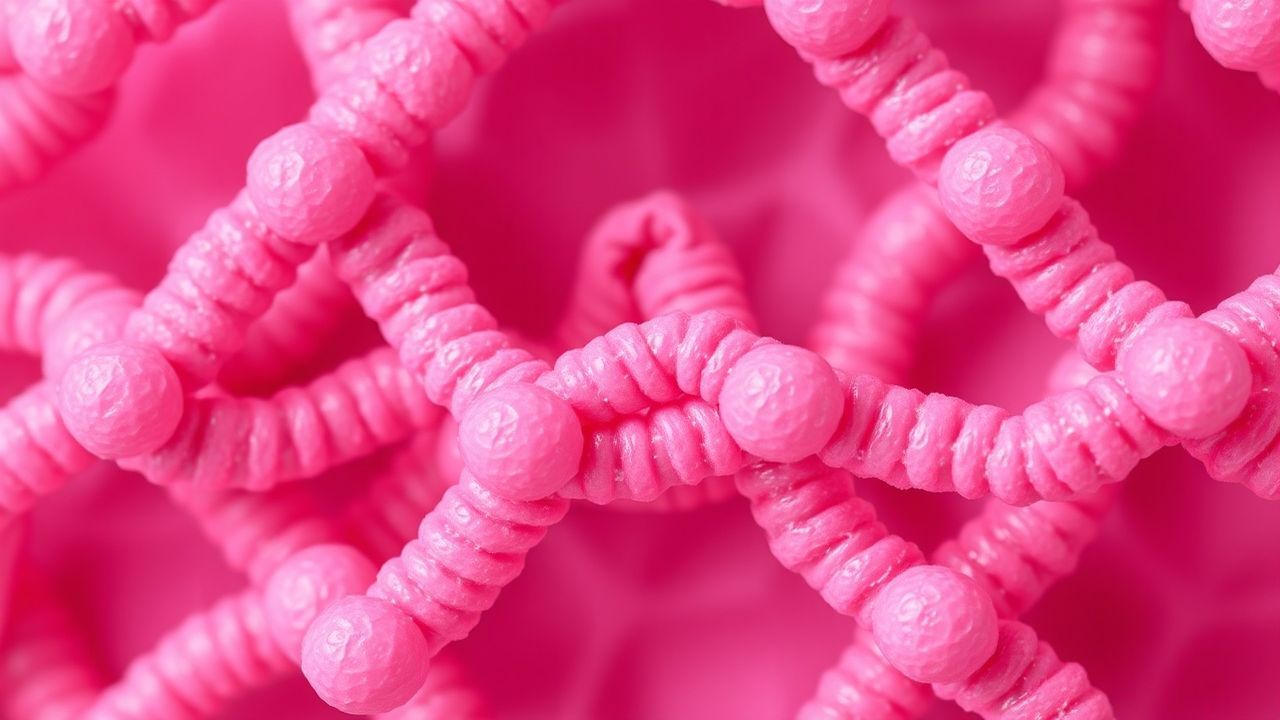
Collagen describes a family of fibrous proteins built from repeating amino-acid motifs. These molecules assemble into triple helices and then into long, aligned fibrils that resist stretch and give skin baseline thickness and tensile strength; see the collagen overview.
By contrast, elastin forms an amorphous, highly cross-linked network that tolerates large deformation and then recoils elastically. That network uses hydrophobic domains and lysine-derived crosslinks to allow reversible extension; review the elastin entry for molecular context.
Molecular structure and mechanics
Tropocollagen units align to create triple helices that pack into fibrils and fibers. This hierarchical organization determines measurable tensile properties and explains why collagen loss reduces dermal bulk and increases fragility. Understanding the structure of collagen is key to its function.
Elastin behavior depends on crosslinks and associated microfibrils; these features create a rubber-like response across physiological strains. Together, collagen and elastin with glycoproteins form the extracellular matrix, which controls viscoelastic skin properties.
architecture and load response
At the nanoscale, collagen fibrils display periodic banding and orient along lines of mechanical load. Cells tune fibril diameter, packing and crosslinking; those microstructural changes alter bulk stiffness and measurable elasticity. The architecture of collagen is fundamental to its strength.
In engineered or clinical contexts, remodeling increases collagen deposition but requires coordinated inflammation control and scaffolding. Treatments that stimulate fibroblasts typically change collagen quantity and organization rather than instantly restoring lost bulk.
Elastin: chemistry that permits recoil
Elastin contains alternating hydrophobic and crosslinking domains that unfold under stretch and refold on release. Mature elastic fibers incorporate microfibrillar scaffolds; without that scaffold, new elastin lacks the architecture needed for normal recoil.
Adults show limited ability to create fully functional elastic fibers after injury, because elastogenesis is developmentally regulated. Clinicians therefore focus on preserving existing elastic architecture while minimizing further damage.
Aging, UV and lifestyle effects
Both proteins decline with age, but changes follow distinct patterns. Collagen synthesis slows and existing fibrils fragment, lowering tensile strength; elastin becomes disorganized and loses functional recoil. The degradation of collagen is a hallmark of aging skin.
Ultraviolet radiation accelerates matrix breakdown via reactive oxygen species and induction of matrix metalloproteinases. Smoking, hyperglycemia and chronic inflammation also reduce synthesis and increase enzymatic degradation; for enzyme context see matrix metalloproteinase.
Practical comparison: quick reference
The following comparison highlights functional differences clinicians and experienced skin-care users reference when selecting diagnostics or interventions. Use each property as a decision point for therapy sequencing and measurement. Understanding the roles of collagen and elastin is vital for effective skincare.
Assess whether the goal is to restore bulk (favor interventions that drive new collagen deposition) or to improve recoil and texture (manage expectations for elastin restoration). Instrumentation such as cutometry quantifies these outcomes objectively.
| Property | Collagen | Elastin |
|---|---|---|
| Primary function | Tensile strength, scaffold | Elastic recoil, stretch recovery |
| Structure | Fibrils of triple helix proteins | Cross-linked amorphous polymers |
| Age-related change | Loss and fragmentation | Loss of elasticity and disorganization |
| Repair potential | Responsive to stimulus (retinoids, peptides) | Limited new elastin synthesis in adults |
Evidence-based ways to support production
Dermal fibroblasts synthesize both proteins, so strategies aim to protect those cells and promote an orderly matrix response. Maintain glycemic control and nutrient sufficiency to supply substrates and cofactors for assembly; see the fibroblast entry for cellular roles.
Prioritize interventions supported by randomized trials or consistent histologic data. Use objective outcome measures, and sequence treatments to minimize overlapping pro-inflammatory effects that can hinder organized remodeling.
Topical ingredients that work
Retinoids upregulate genes involved in matrix production and normalize epidermal turnover; they show reproducible increases in dermal matrix markers when used consistently. Stabilized vitamin C supports collagen crosslinking and reduces oxidative damage, complementing retinoid activity.
Peptides and formulations containing growth factors can signal fibroblasts to remodel the matrix, though magnitudes vary by formulation. For elastin, most topicals act indirectly by reducing oxidative stress or inhibiting MMP activity rather than synthesizing fully functional elastic fibers.
Nutrition, supplements and procedures
Diets that supply adequate protein, vitamin C, zinc and copper provide the substrates and cofactors required for matrix assembly. Controlled carbohydrate intake reduces glycation-mediated stiffening and crosslink damage.
Hydrolyzed collagen supplements deliver peptides that, in some randomized trials, raise collagen-synthesis signaling and modestly improve skin biomechanics. Clinical devices—fractional lasers, microneedling and controlled thermal systems—induce a wound-healing cascade that increases collagen deposition and can partially remodel elastin networks.
See our Collagen tag for practical product reviews and evidence summaries. For a structured patient-facing protocol, consult the internal collagen vs elastin guide.
Clinical role and wound healing
During wound repair, early collagen deposition restores tensile strength; the provisional matrix is rich in type III collagen and later remodels to type I for durable strength. Clinicians control inflammation and provide scaffolding where needed to support organized remodeling and reduce scar risk.
Elastin synthesis in adult wounds remains limited, and fully functional elastic fibers often lag behind collagens during healing. This limitation explains why texture and elastic recovery can remain impaired even after tensile strength returns.
Practical protocols clinicians and advanced consumers use
Assess photo-damage and intrinsic aging as separate contributors and sequence interventions accordingly. Procedures that stimulate controlled collagen remodeling pair best with topicals that reduce MMP activity and oxidative stress.
When recommending supplements or devices, favor products and protocols validated by randomized controlled trials and objective endpoints. Track progress with standardized photography, cutometry, and elasticity measures when possible.
Final thoughts on maintaining a resilient dermal matrix
Collagen and elastin deliver complementary mechanical functions: collagen provides strength and bulk while elastin returns tissue to shape. Protect both by layering prevention with targeted stimulation to preserve architecture and slow functional decline. Maintaining adequate collagen is key to skin’s resilience.
Simple, evidence-backed habits—daily sunscreen, adequate protein and vitamin C intake, consistent retinoid use, and periodic professionally supervised procedures—produce measurable improvements in matrix quality over months to years. Apply these consistently and measure objectively for best results.
FAQ
What is the fastest way to slow collagen and elastin loss?
Daily broad-spectrum sunscreen and avoiding intentional tanning deliver the highest immediate reduction in matrix damage rates. Those habits reduce UV-driven oxidative stress and enzyme induction that accelerate both collagen and elastin breakdown.
Can topical collagen or elastin in creams restore my skin?
Topically applied whole collagen or elastin molecules are generally too large to penetrate to the dermis and rebuild structure. Effective topical strategies instead stimulate endogenous matrix production and reduce degradation.
Do collagen supplements work?
Hydrolyzed collagen supplements provide peptides that can increase collagen synthesis signaling in some trials, leading to modest biomechanical improvements. Benefits depend on dose, product quality, background nutrition and measurable endpoints.
Why is elastin harder to restore than collagen?
Elastin assembly requires complex crosslinking and microfibrillar scaffolding that mainly occurs during development. Adult elastogenesis is limited, so full elastic fiber regeneration remains more challenging than collagen repair.
When should I consult a specialist?
See a dermatologist for advanced photoaging, persistent scarring or before pursuing ablative or high-energy resurfacing procedures. A specialist can sequence interventions, manage risks and apply objective outcome measures to optimize matrix remodeling.
See also: Collagen