
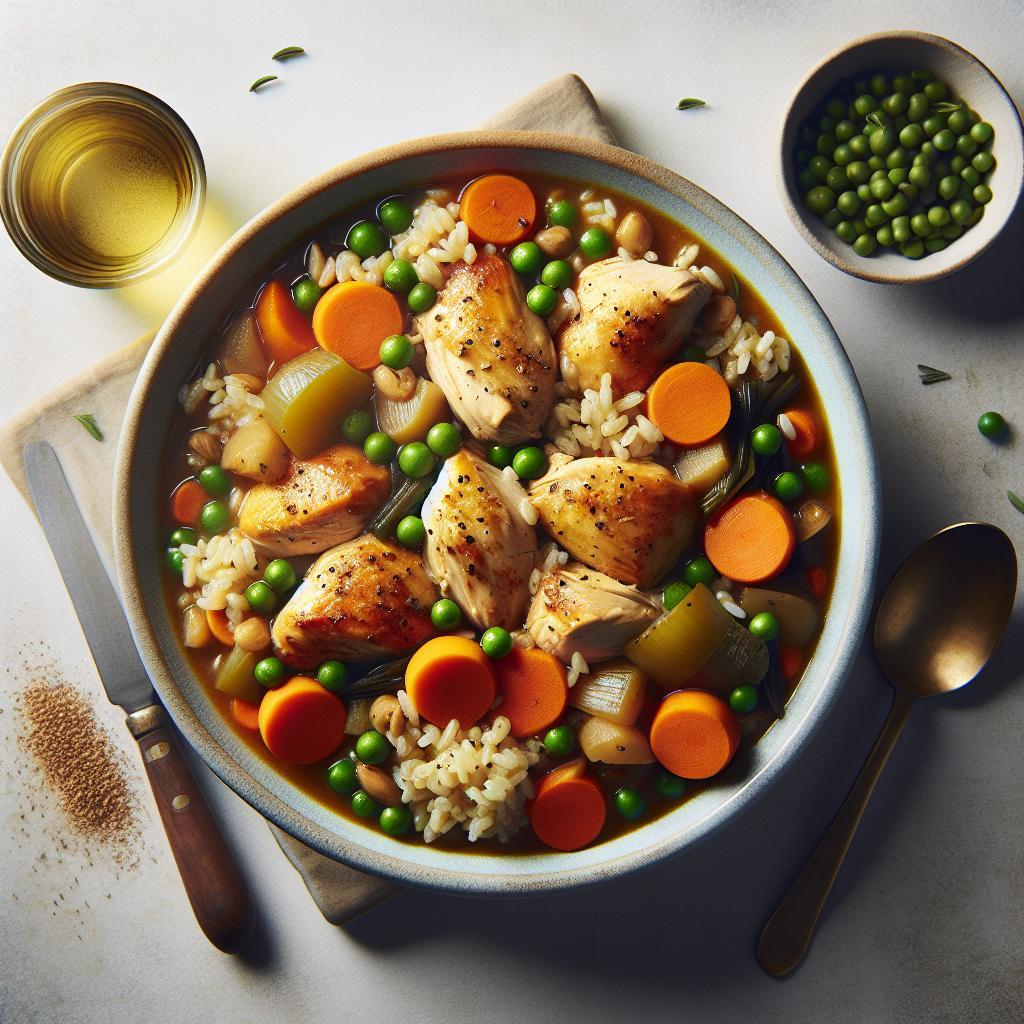

chicken stew sits at the intersection of simple technique and deep comfort. This chicken stew blends tender chicken, clarified broth, and rice that absorbs savory aromatics to deliver dependable warmth on any night.
- Prep and Cook Time for Chicken Stew
- Yield for Chicken Stew
- Difficulty Level — Chicken Stew
- Chicken Stew Ingredients
- Chicken Stew Instructions
- Browning and Aromatics for Chicken Stew
- Building the Broth and Simmering for Chicken Stew
- Rice Integration and Finishing for Chicken Stew
- Tips for Success with Chicken Stew
- Serving Suggestions for Chicken Stew
- Nutritional Snapshot for Chicken Stew
- Final Spoonful — Chicken Stew
- FAQ
- Key takeaway: Bone-in thighs deliver richer broth and deeper flavor.
- Key takeaway: Add rice late to avoid mushy grains and maintain texture.
- Key takeaway: Use quality stock for a fuller, longer-lasting mouthfeel.
- Key takeaway: Browned fond is the backbone of a layered stew.
This recipe draws on long-standing home-cooking methods that appear across cultures. For context on the cultural role of familiar dishes, consult comfort food. To review the primary protein’s biology and production, see chicken.
Prep and Cook Time for Chicken Stew
Preparation: 20 minutes; Cooking: 1 hour 15 minutes; Total: 1 hour 35 minutes. These times assume bone-in thighs and stove-top simmering in a heavy pot.
Plan active work during the prep and the first 20–30 minutes of cooking; the remainder is low-maintenance simmering. While the stew simmers, you can prepare garnishes or a simple side salad to round the meal.
Yield for Chicken Stew
This chicken stew yields about 6 hearty portions, suitable for a family dinner or meal prep. The stew stores well and often improves after an overnight rest as flavors meld.
Portioning in airtight containers preserves texture; reheat gently with a splash of broth to revive mouthfeel. Freezing works, though rice may absorb additional liquid on thaw.
- Serves: 6 hearty portions
Difficulty Level — Chicken Stew
This dish rates as Easy to Medium: basic techniques like browning and simmering matter more than advanced skills. The recipe provides forgiving timing and clear swap-out options.
Even novice cooks can succeed by following sequence and tasting as they go. Use a heavy-bottom pot for even heat and to prevent scorching that can ruin broth clarity.
Chicken Stew Ingredients
Gather ingredients before starting. Quality broth and properly rinsed rice influence texture and flavor most markedly.
For background on rice varieties, consult rice. Choose long-grain white for separate, fluffy grains that finish well in a stew.
- 1.5 lbs bone-in, skin-on chicken thighs, trimmed and patted dry
- 2 tablespoons olive oil
- 1 large yellow onion, finely diced
- 3 cloves garlic, minced
- 3 medium carrots, peeled and sliced into ½-inch rounds
- 2 celery stalks, diced
- 1 teaspoon smoked paprika
- 1 teaspoon dried thyme
- 1 bay leaf
- 6 cups low-sodium chicken broth
- 1 cup long-grain white rice, rinsed until water runs clear
- Salt and freshly ground black pepper, to taste
- Fresh parsley, chopped for garnish
- Optional: 1 tablespoon freshly squeezed lemon juice for brightness
Chicken Stew Instructions
Follow the steps in order to build and preserve layered flavor. Brown the chicken first, then use the fond to deepen the broth base.
Note that a gentle simmer, not a rolling boil, keeps chicken tender and prevents rice from breaking down. For fundamentals on clear stock preparation, consult broth.
Browning and Aromatics for Chicken Stew
Heat the olive oil in a heavy pot over medium-high heat. Add chicken thighs skin-side down and sear until skin crisps and browns, roughly 5–6 minutes per side; then transfer to a plate.
Lower heat to medium and add diced onion, carrots, and celery. Sauté until softened, about 7 minutes, stirring frequently to avoid sticking and to develop sweet aromatics.
Building the Broth and Simmering for Chicken Stew
Stir in garlic, smoked paprika, thyme, and bay leaf; cook 1 minute to bloom the spices. Deglaze with 1 cup of chicken broth, scraping up browned bits to fold that flavor into the liquid.
Add remaining broth and return the browned chicken to the pot. Bring to a gentle boil, then reduce heat and simmer partially covered for 40 minutes, until the chicken is tender.
Rice Integration and Finishing for Chicken Stew
While the chicken simmers, rinse rice under cold water until it runs clear; drain well. Remove thighs briefly, shred meat from bones, and discard skin and bones.
Return shredded chicken to the pot and stir in rice evenly. Cover, raise heat to medium, and cook 18–20 minutes until rice is tender and has absorbed most liquid. Finish with parsley and lemon if desired.
Tips for Success with Chicken Stew
Small technique choices affect final texture: choose bone-in thighs for richer collagen, rinse rice to avoid excess starch, and season gradually while tasting. These choices ensure repeatable results.
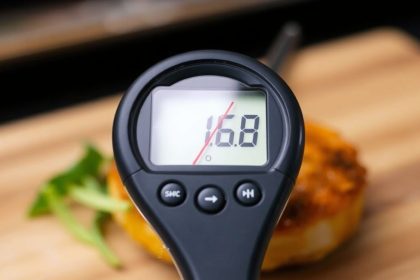
Use a thermometer if unsure: chicken should reach 165°F (74°C) internal when measured in the thickest part, away from bone. Allow brief resting when possible to redistribute juices and improve mouthfeel.
[TYPE_NOTE]This line is intentionally left out of final output if your platform strips unknown tokens.[/TYPE_NOTE]
[NOTE_BREAKER]Remove if not supported by CMS.[/NOTE_BREAKER]
Adjust vegetable size for even cooking: dice carrots and celery to similar widths to ensure they soften concurrently. If you prefer a thicker stew, reserve 1/2 cup of cooking liquid before adding rice and finish with a slurry to control viscosity.
For make-ahead storage, cool quickly and refrigerate within two hours. Reheat on low with a splash of broth to recover lost moisture and maintain a pleasant texture.
Serving Suggestions for Chicken Stew
Serve steaming hot in shallow bowls and garnish with chopped parsley or fresh thyme. Offer crusty bread for dipping and lemon wedges to balance richness.
For contrast, a dollop of plain yogurt or a drizzle of chili oil provides creamy or spicy accents that play well against the herbaceous base. Pair with a light salad or steamed greens for added freshness.
Nutritional Snapshot for Chicken Stew
This stew delivers balanced macronutrients: strong protein from chicken, moderate carbohydrates from rice, and controlled fat depending on whether skin is used. Vegetables add fiber and micronutrients.
Per serving estimates are useful for planning and portion control. Swap brown rice or quinoa to alter fiber and glycemic impact to suit dietary goals.
| Nutrient | Per Serving |
|---|---|
| Calories | 430 kcal |
| Protein | 32 g |
| Carbohydrates | 38 g |
| Fat | 14 g |

Final Spoonful — Chicken Stew
Soul-warming chicken stew succeeds because it balances repeatable technique and forgiving ingredients. Brown, time your rice, and use good stock to achieve reliable results.
Follow these steps and tips to produce a stew that stores well, feeds a family, and offers consistent comfort. Return to this method whenever you need a dependable culinary hug.
FAQ
What makes chicken and rice stew comforting?
Comfort comes from warm broth, tender protein, and starchy grains that satisfy both hunger and mood. Familiar flavors and straightforward preparation make it a frequent go-to on cool nights.
How can I keep rice from getting mushy in chicken stew?
Rinse rice to remove surface starch and add it later in the cook when most of the liquid remains. Stir gently and monitor doneness; stop cooking when grains are tender but not falling apart.
Can I use skinless or boneless chicken in this chicken stew?
Yes. Skinless or boneless cuts reduce fat and shorten cooking time, but you will sacrifice some broth depth. Compensate with concentrated stock or a roasted bone infusion.
Is this chicken stew suitable for meal prep or freezing?
The stew stores well refrigerated for 3–4 days and freezes acceptably, though rice texture can change after freezing. Reheat gently with added liquid to restore desired consistency.
What are smart variations to try for chicken stew?
Swap long-grain white rice for jasmine for aroma or use brown rice for extra fiber. Increase vegetables for bulk or finish with acid like lemon to brighten the dish.
See also: chicken stew recipes and chicken and rice recipes
Related reading: Chicken, Rice, and Broth offer quick technical references.
See also: chicken stew