

By using this site, you agree to the Privacy Policy and Terms of Use.
Accept
CookOrBitCookOrBitCookOrBit
  • Home
  • About Us
  • Ingredient Science
    • Flavor & Aroma
    • Protein Chemistry
    • Sugar & Starch
    • Fats & Emulsions
  • Cooking Techniques
    • Searing & Grilling
    • Baking & Roasting
    • Boiling & Steaming
    • Low & Slow
  • Kitchen Experiments
    • DIY Ferments
    • Flavor Tests
    • Gadget Testing
    • Molecular Gastronomy
  • Food Myths
    • Searing Myth
    • 5-Second Rule
    • MSG Myths
    • Microwave Myths
  • Tools
  • More
    • Extra Picks
    • Quick & Easy
      • Breakfast Ideas
      • Desserts
      • Snacks
      • Soups
    • Global Flavors
      • Asian Street Eats
      • Latin Comforts
      • Mexican Flavors
      • Modern Mediterranean
CookOrBitCookOrBit
  • Home
  • About Us
  • Ingredient Science
  • Cooking Techniques
  • Kitchen Experiments
  • Food Myths
  • Tools
  • More
Search
  • Home
  • About Us
  • Ingredient Science
    • Flavor & Aroma
    • Protein Chemistry
    • Sugar & Starch
    • Fats & Emulsions
  • Cooking Techniques
    • Searing & Grilling
    • Baking & Roasting
    • Boiling & Steaming
    • Low & Slow
  • Kitchen Experiments
    • DIY Ferments
    • Flavor Tests
    • Gadget Testing
    • Molecular Gastronomy
  • Food Myths
    • Searing Myth
    • 5-Second Rule
    • MSG Myths
    • Microwave Myths
  • Tools
  • More
    • Extra Picks
    • Quick & Easy
    • Global Flavors
Follow US
  • Advertising Policy: 10 Practical Rules for Safe, Compliant Ads
  • Contact Us
  • Cookie Policy: Clear Guide for Site Owners
  • Copyright Notice Guide: 7 Essential Rules for Website Owners
  • Disclaimer
  • Privacy Policy
  • Terms of Service
By Fimaw.com
قطع تمبيه محمصة على لوح خشبي مع فول الصويا وأوراق خضراء
CookOrBit > Blog > Ingredient Science > Protein Chemistry > Tempeh Unveiled: 7 Proven Benefits of This Ancient Superfood
Protein Chemistry

Tempeh Unveiled: 7 Proven Benefits of This Ancient Superfood

William J. Kroll
By William J. Kroll
Published: September 1, 2025
Share
SHARE

Tempeh is a fermented soybean product with deep roots in Indonesian kitchens and growing popularity in global diets. It delivers firm texture, umami depth, and concentrated nutrients that appeal to cooks and nutrition professionals alike.

Contents
  • What is tempeh?
  • How tempeh is made
    • Fermentation process details
    • Common starter cultures
  • Nutrition and evidence-based benefits
  • Practical culinary uses
  • Storage, safety, and quality signals
  • Sustainable and dietary considerations
  • Common preparation mistakes and fixes
  • FAQ
    • Is tempeh suitable for non-vegetarians?
    • Does tempeh contain probiotics?
    • How do I substitute tempeh for meat in recipes?
    • Can I make tempeh at home safely?
    • Where can I buy tempeh?
  • Complete plant protein that holds up in many dishes.
  • Fermentation-driven digestion benefits and reduced anti-nutrients.
  • Versatile culinary uses from grilling to crumbling.

What is tempeh?

Tempeh is a traditional Indonesian soybean cake produced by fermenting cooked soybeans into a compact, sliceable block. The fermentation binds the beans and develops a savory, nutty aroma.

Manufacturers and home fermenters rely on controlled culture and time to shape texture and flavor. For background on the ingredient and regional history, see tempeh on Wikipedia.

- Advertisement -

How tempeh is made

The core method combines soaked soybeans, partial dehulling, cooking, and inoculation with a fungal culture. Then producers press and incubate the mix until a white mycelial network binds it into a firm cake.

That controlled fungal growth changes bean chemistry, reducing compounds that hinder mineral uptake. For technical context on fermentation in food, consult food fermentation research.

Fermentation process details

Producers use Rhizopus species as the dominant culture. The mold grows through the beans, generating enzymes that partially break down proteins and carbohydrates.

- Advertisement -

This enzymatic action increases free amino acids and short-chain peptides, improving flavor and digestibility. For genus-level information, see Rhizopus.

Common starter cultures

Commercial starters typically contain Rhizopus oligosporus or related strains optimized for safety and consistency. Home fermenters choose vetted starters to ensure a predictable outcome.

Temperature and humidity matter most during the 24–48 hour incubation window. Careful control prevents undesirable microbes and preserves the clean, tangy notes characteristic of quality tempeh.

- Advertisement -

Nutrition and evidence-based benefits

Tempeh supplies a concentrated dose of plant protein and fiber, often delivering roughly 15–20 grams of protein per 100 grams, depending on production. It provides essential amino acids, so it functions as a complete protein source for many diets.

Fermentation reduces phytic acid and other anti-nutrients, which improves mineral bioavailability. The process also introduces beneficial microbes and fermentation metabolites that support digestion and metabolic health.

Micronutrients: tempeh contributes B vitamins, magnesium, and calcium. In some batches, traces of vitamin B12 may appear when specific microbes are present; however, B12 content varies and should not be assumed without testing.

For foundational context on the soybean itself and its nutrient profile, see soybean.

Practical culinary uses

Tempeh accepts bold marinades and maintains texture under high heat. Slice it thin for sandwiches, cube it for stir-fries, or crumble it as a savory substitute in tacos and chili.

Techniques matter. Steam firmer blocks briefly to remove bitterness before sautéing. Then press or pan-sear to develop a caramelized exterior and deeper flavor.

💡 Expert Insight
Expert Insight: Marinate tempeh for at least 30 minutes in a balanced acid-salt-oil mixture. Use soy, citrus, or vinegar plus aromatics like garlic and ginger. This both seasons and tenderizes the block for better mouthfeel.

Balance textures in a plate: pair tempeh with quick-cooked greens, whole grains, and a sauce that adds acidity. That contrast highlights tempeh’s savory backbone and improves meal satisfaction.

Storage, safety, and quality signals

Store unopened tempeh in the refrigerator for up to one week and freeze for longer shelf life. Once opened, keep it wrapped and use within several days to avoid off-odors.

Quality cues: a clean, mushroom-like aroma and firm white mycelium indicate healthy fermentation. Dark or colored spots, strong ammonia smell, or sliminess suggest spoilage and warrant disposal.

⚠️ Pro-Caution
Pro-Caution: If you encounter an unusual odor or visible mold colors other than white, discard the product. Contaminated fermentation can produce toxins that heating will not reliably remove.

When making tempeh at home, sanitize equipment and follow validated starter instructions. Monitor incubator temperature and avoid long exposure outside the recommended range.

Sustainable and dietary considerations

Tempeh offers a low-resource source of concentrated protein compared with many animal proteins. Its soybean base converts plant energy into dense nutrition efficiently.

For people reducing meat intake, tempeh supports protein goals while supplying fiber and micronutrients. However, consumers with soy allergies must avoid tempeh and select alternative legumes or mycoprotein sources.

Explore internal guides for recipe ideas and broader protein planning: tempeh recipes and plant protein guide. These internal resources provide tested techniques and meal plans to integrate tempeh into weekly cooking.

Common preparation mistakes and fixes

Many cooks under-season tempeh or skip the sear. Without proper browning, tempeh tastes flat and chewy. Always press and pan-sear after marinating for crisp edges.

Another frequent error is using very high heat too soon; that burns the exterior and leaves the center cold. Instead, moderate heat with a finishing blast produces even color and texture.

FAQ

Is tempeh suitable for non-vegetarians?

Yes. Many omnivores use tempeh as a meat alternative or complement. Its texture and umami make it adaptable in mixed-protein dishes.

Does tempeh contain probiotics?

Tempeh fermentation introduces beneficial microbes and metabolites. However, cooking will reduce live cultures, so raw or lightly cooked preparations retain more probiotic activity.

How do I substitute tempeh for meat in recipes?

Use a 1:1 volume substitution in many recipes. Crumbled tempeh works well in sauces and fillings, while sliced or cubed tempeh makes a hearty main when grilled or roasted.

Can I make tempeh at home safely?

Yes, with proper starter, clean equipment, and careful incubation you can. Follow manufacturer instructions and maintain recommended temperature ranges to prevent contamination.

Where can I buy tempeh?

Find tempeh at supermarkets, health food stores, and many Asian markets. Choose vacuum-packed or refrigerated blocks from reputable brands to ensure consistent quality.

Tempeh combines traditional technique and modern nutrition needs. When prepared and stored correctly, it delivers reliable protein, satisfying texture, and diverse culinary uses for many eating patterns.
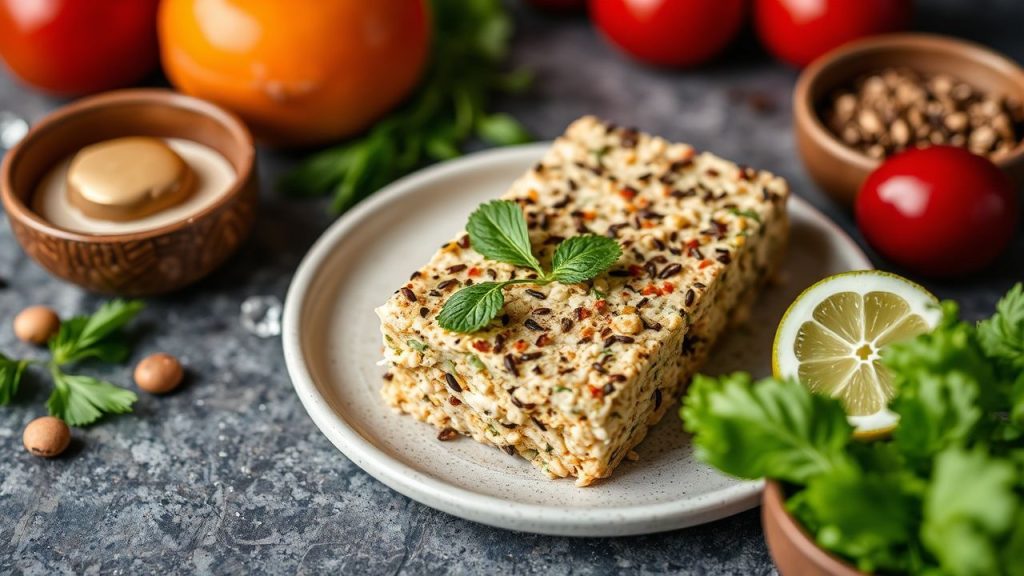
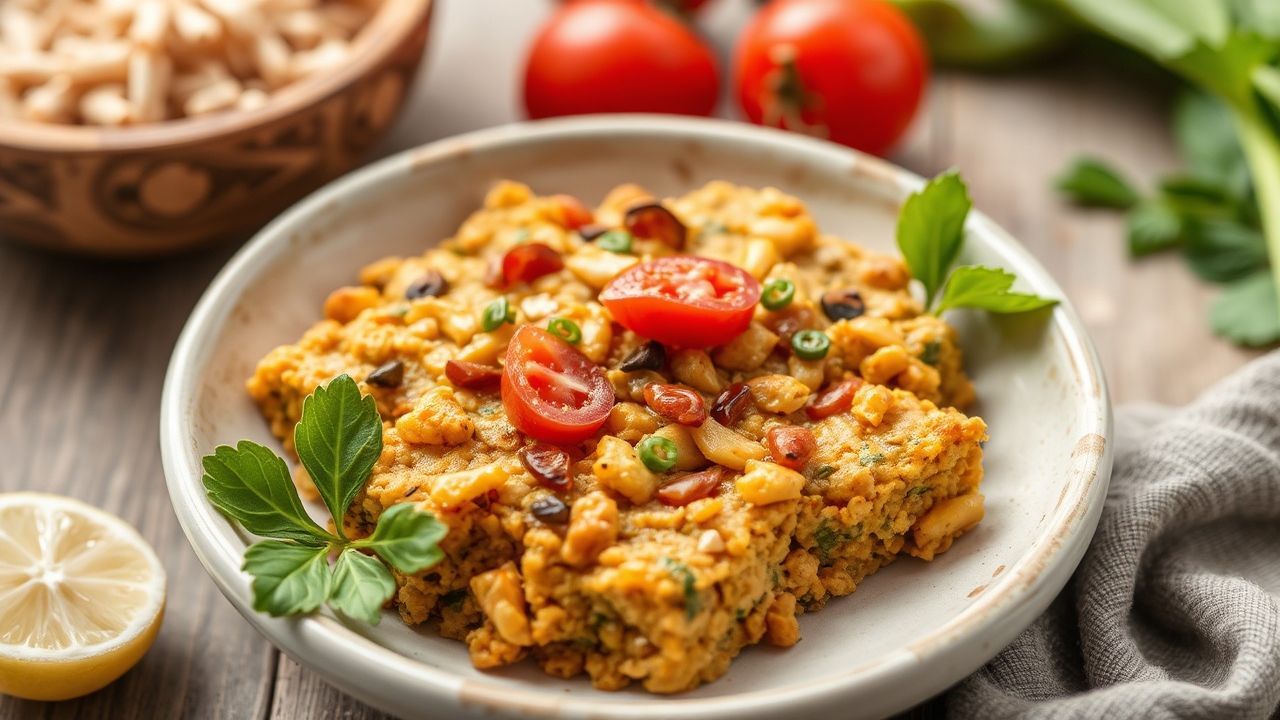
Tempeh Unveiled: The Ancient Superfood You Should Know About

See also: Tempeh

Crisp Rescue: 7 Fast, Tested Fixes to Restore Soggy Fried Foods
Flip Steak More Often: 7 Expert Reasons
7 Expert Secrets for Hearty Beef Soup
Unfolding Flakiness: 7 Proven Steps for Perfect Puff Pastry
Perfectly Boiled Potatoes: 7 Pro Techniques for Reliable Results
TAGGED:ancientandFermentation benefitsFermented soybeansFood fermentationIndonesian cuisineplant proteintempehthevegan protein
Share This Article
Facebook Pinterest Whatsapp Whatsapp LinkedIn Telegram Threads
What do you think?
Love0
Sad0
Happy0
Sleepy0
Angry0
Dead0
Wink0
Previous Article سمك طازج على لوح تقطيع مع ليمون وأعشاب لإزالة رائحة وطعم السمك Fresh Catch: 10 Expert Ways to Banish Fishy Smell & Taste
Next Article تغير بروتينات الألبان تحت الحرارة موضح بتجارب علمية ومراحل مخبرية 7 Essential Transformations of Dairy Proteins Under Heat
Creamy Garlic Chicken with melted Parmesan and fresh herbs on a rustic white plate
Garlic Chicken: 7 Ultimate Brilliant Recipes to Make the Best-Ever Creamy Garlic Chicken with Parmesan & Fresh Herbs
Extra Picks
Colorful bowls of Leftover Couscous transformed into salads, fritters, and stuffed peppers.
12 Amazing Practical Leftover Couscous Ideas: Brilliant Ways to Reuse and Remix
Uncategorized
Colorful jars of spice blends beside steaming couscous with herbs and lemon
7 Ultimate spice blends That Transform Your Couscous — Amazing Best Flavor Boosts
Uncategorized
Bowls of gluten-free couscous alternatives: quinoa, millet, cauliflower, and rice
10 Amazing couscous alternatives: Best Gluten-Free Swaps for Incredible Flavor
Uncategorized

Tags

and art baked baking science baking techniques Baking tips batch cooking beef behind browning techniques butternut squash caramelization cast iron skillet chemistry chicken comfort food Cooking science cooking technique Cooking techniques Cooking tips crafting creamy creamy soup crispy culinary science fish flavor flavor chemistry food food safety Food science for garlic golden Ground turkey hearty heat high-heat cooking high protein meals how instant read thermometer Lean protein magic Maillard reaction make ahead meals make ahead soup mastering meal prep Meal prep recipes meat thermometer microwave microwave cooking moisture control one pot meals Pan searing perfect perfectly Plant based protein Probe thermometer protein denaturation Quick dinners roasted roasted squash roasted tomato soup Roasted vegetables Roasting techniques savor savory science Searing technique Searing techniques secrets slow cooking squash steak steak cooking sweet temperature control the top turkey turkey soup turkey stew ultimate umami cooking umami flavor unlock unlocking unveiling vegetable velvety weeknight dinner Weeknight dinners weeknight meals what when why with your zesty
April 2026
M T W T F S S
 12345
6789101112
13141516171819
20212223242526
27282930  
« Mar    

You Might Also Like

- Unlocking Flavor: What Is a Food Thermometer and Why Use It?
Microwave Myths

Unlocking Flavor: 7 Proven Benefits of a Food Thermometer

William J. Kroll
William J. Kroll
September 30, 2025
- Crafting Perfection: The Science Behind Simple Cocktails
Flavor Tests

Crafting Perfection: 7 Scientific Rules for Simple Cocktails

William J. Kroll
William J. Kroll
September 30, 2025
- Unlocking Flavor: The Science Behind the Perfect Cassoulet
Low & Slow

Master the Perfect Cassoulet: 7 Science‑Backed Steps to Unlock Flavor

William J. Kroll
William J. Kroll
September 29, 2025
Savor the Perfect Beef and Broccoli Skillet: Quick & Tasty
Extra Picks

25-Min Beef Broccoli Skillet: Fast, Flavorful Weeknight Recipe

William J. Kroll
William J. Kroll
December 31, 2025
Savor the Flavor: Ultimate Beef Enchilada Bake Recipe
Extra Picks

7-Step Ultimate Beef Enchilada Bake: Bold, Melty, Crowd-Ready

William J. Kroll
William J. Kroll
December 29, 2025
Zesty Moroccan Carrot Salad: A Vibrant Flavor Journey
Extra Picks

7 Zesty Moroccan Carrot Salad Secrets for Vibrant Flavor

William J. Kroll
William J. Kroll
December 22, 2025
Follow US
By Fimaw.com © All Rights Reserved.
  • Advertising Policy: 10 Practical Rules for Safe, Compliant Ads
  • Contact Us
  • Cookie Policy: Clear Guide for Site Owners
  • Copyright Notice Guide: 7 Essential Rules for Website Owners
  • Disclaimer
  • Privacy Policy
  • Terms of Service
Welcome Back!

Sign in to your account

Username or Email Address
Password

Lost your password?