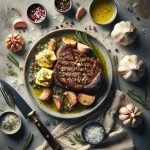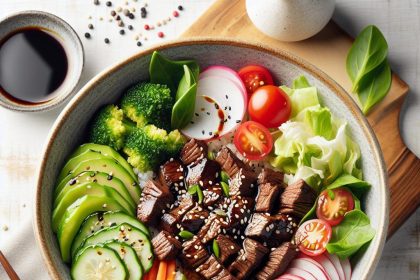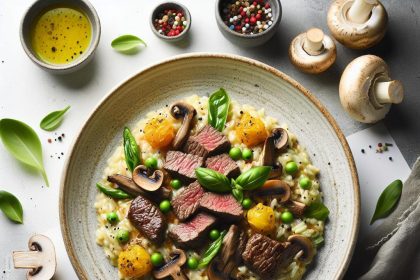

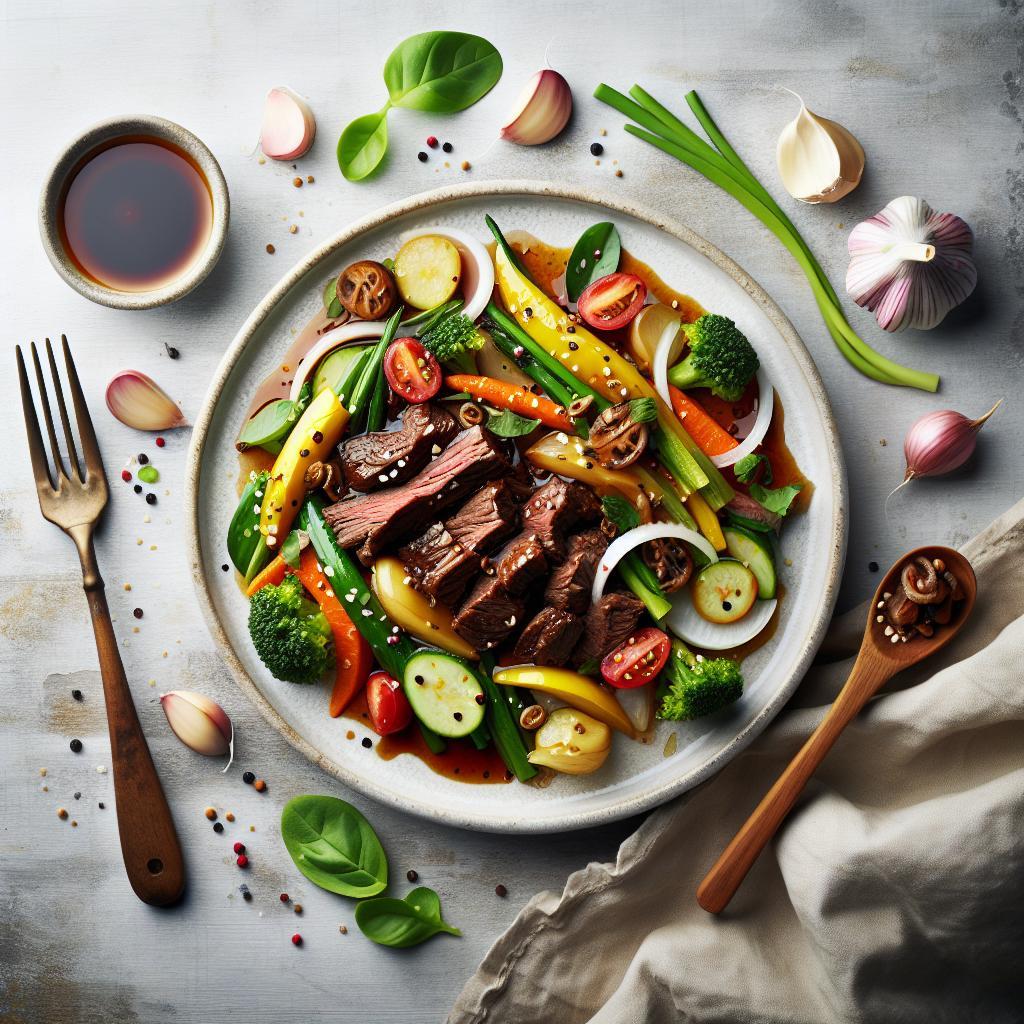

There is something deeply satisfying about tender beef braised in a honey and garlic glaze. This Sweet & Savory Slow Cooker Honey Garlic Beef recipe delivers glossy, fork-tender meat with minimal hands-on time.
- Yields: Serves 6 with hearty portions.
- Time: 6 hours on low or 3 hours on high plus 15 minutes prep.
- Key technique: Sear for color, then slow-cook for collagen breakdown.
- Versatility: Works with rice, mashed potatoes, or low-carb sides.
Overview and Why This Works
Slow cooking transforms connective tissue in tougher cuts into gelatin, which gives sauce body and meat a silk-like texture. The recipe pairs simple ingredients to create a balanced sauce that clings to the beef.
Honey provides sweetness and a glossy finish through light caramelization, while garlic adds layered savory aromatics. For background on the main protein, see beef.
Prep and Cook Time
Preparation: 15 minutes. Keep prep short to maintain pace and avoid overworking the meat. Brown in batches to preserve pan temperature and get an even sear.
Cooking: 6 hours on low or 3 hours on high. The slow method produces more tender results; the high method shortens time but may be less uniformly tender.
Ingredients
Use a well-marbled cut such as chuck roast, cut into 2-inch cubes. Quality of fat and connective tissue matters for texture and mouthfeel.
Key ingredients: 2.5 lb beef chuck roast, 1/2 cup honey, 6 cloves garlic, 1/4 cup low-sodium soy sauce, 1/4 cup beef broth, 2 tbsp tomato paste, 1 tbsp apple cider vinegar, 1 tsp black pepper, 1 tsp smoked paprika, optional crushed red pepper.
Measurements and Garnish
Keep the cornstarch slurry at a 1:1 ratio (3 tbsp cornstarch to 3 tbsp cold water) to thicken without cloudiness. Finish with sliced green onions and sesame seeds if you like texture contrast.
For an overview of honey as a culinary sweetener, consult honey. For garlic science and flavor building, see garlic.
Equipment and Technique
Use a 6-quart slow cooker for even heat distribution when making this amount. A heavy skillet or cast iron pan helps you achieve consistent browning before braising.
Sear to develop Maillard flavors; searing is a flavor multiplier, not mandatory. Then transfer meat and sauce to the slow cooker to break down collagen without drying the protein.
Searing Tips
Pat meat dry and season before searing to encourage proper browning. Work in batches and let the pan regain heat between batches so the meat browns instead of stewing.
Use a neutral oil with a high smoke point or clarified butter to reduce burning. Scrape fond to incorporate into the sauce for added depth.
Step-by-Step Instructions
1. Prepare the meat: Trim excess fat and cube the chuck roast into 2-inch pieces. Pat dry, season with black pepper and smoked paprika for an immediate flavor layer.
2. Brown the beef: Heat 2 tablespoons olive oil over medium-high heat. Sear meat 3–4 minutes per side until well-browned; do not overcrowd the pan.
Mix the Sauce
Whisk honey, minced garlic, low-sodium soy sauce, beef broth, tomato paste, and apple cider vinegar until smooth. Taste and adjust balance: a dash more vinegar brightens; a spoon more honey softens edges.
3. Build in the slow cooker: Layer the seared beef in the cooker and pour the sauce over. Ensure sauce reaches most pieces so collagen dissolves evenly while braising.
Cook Low or High
Cover and cook on low for 6 hours or on high for 3 hours. Check tenderness near the lower end of the time range; you want beef that pulls apart with minimal resistance.
Thirty minutes before service, whisk in a cornstarch slurry and switch to high to thicken the sauce. Alternatively, remove solids and reduce sauce on the stove for a concentrated glaze.
4. Final touches: Stir gently, check seasoning, and garnish with green onions. Serve immediately for best texture and gloss.
Tips for Success
Always taste and adjust seasoning after cooking because slow-cooked flavors concentrate and sometimes need a final acid or salt lift. Use low-sodium soy sauce to control sodium and avoid over-salting during braising.
Reserve some sauce before thickening if you prefer a looser finish for drizzling. For a thicker glaze, finish on the stovetop and reduce until it coats the back of a spoon.
For gluten-free swaps, use tamari or coconut aminos in place of soy sauce and verify cornstarch cross-contamination claims. For lower sugar, cut honey by one-third and balance with a teaspoon of vinegar or a splash of citrus.
Serving Suggestions
Serve the honey garlic beef over steamed jasmine rice or mashed potatoes to capture the sauce. For a lighter option, pair with cauliflower rice or zucchini ribbons.
Complement the rich main with bright sides such as quickly blistered green beans or roasted broccoli for contrast. Learn more about jasmine rice varieties at jasmine rice.
Nutritional Notes
Per serving estimates: roughly 430 kcal, 38 g protein, 18 g carbohydrates, 22 g fat. These values vary based on trimming, broth type, and portion sizes. Use a kitchen scale and nutrition app for precise tracking.
To lower calories, reduce honey amount and increase vegetables as the volume base. Use leaner cuts if you prefer less fat, but expect a firmer texture and quicker cooking time.
Variations and Substitutions
Swap beef for pork shoulder or lamb shoulder when you want a different flavor profile but the same texture outcome. Each protein requires slight timing adjustments; check tenderness early when experimenting.
For umami depth, add a tablespoon of fish sauce or Worcestershire sauce in small increments and taste. For a vegetarian version, replace beef with large, meaty mushrooms and use vegetable broth, but expect a different texture.
FAQ
What cut of beef is best for slow cooking?
Tougher, well-marbled cuts such as chuck roast or brisket are ideal because low heat converts collagen into gelatin. These cuts yield tender, flavorful results after long cooking.
Do I have to brown the beef first?
Browning adds a deeper flavor through Maillard reactions and improves the final color. You can skip it for speed, but expect a less complex finished sauce.
How do I thicken the sauce without cornstarch?
Reduce the sauce on the stovetop to concentrate sugars and collagen until it reaches glaze consistency. Alternatively, whisk in a beurre manié (equal parts butter and flour) off-heat to avoid lumps.
Can I prepare this recipe ahead of time?
Yes. Slow-cooked dishes often improve after resting overnight as flavors meld. Cool promptly, refrigerate in an airtight container, and reheat gently on low heat or in a warm oven.
How should I store leftovers?
Store leftovers in an airtight container for up to 4 days in the refrigerator, or freeze for up to 3 months. Thaw in the fridge overnight and reheat gently to preserve texture.
For additional reading on slow-cooking methods and equipment, see the slow cooker overview on Wikipedia. These references explain heat profiles and best practices for long, low-temperature cooking.
See also: honey garlic