
By using this site, you agree to the Privacy Policy and Terms of Use.
Accept
CookOrBitCookOrBitCookOrBit
  • Home
  • About Us
  • Ingredient Science
    • Flavor & Aroma
    • Protein Chemistry
    • Sugar & Starch
    • Fats & Emulsions
  • Cooking Techniques
    • Searing & Grilling
    • Baking & Roasting
    • Boiling & Steaming
    • Low & Slow
  • Kitchen Experiments
    • DIY Ferments
    • Flavor Tests
    • Gadget Testing
    • Molecular Gastronomy
  • Food Myths
    • Searing Myth
    • 5-Second Rule
    • MSG Myths
    • Microwave Myths
  • Tools
  • More
    • Extra Picks
    • Quick & Easy
      • Breakfast Ideas
      • Desserts
      • Snacks
      • Soups
    • Global Flavors
      • Asian Street Eats
      • Latin Comforts
      • Mexican Flavors
      • Modern Mediterranean
CookOrBitCookOrBit
  • Home
  • About Us
  • Ingredient Science
  • Cooking Techniques
  • Kitchen Experiments
  • Food Myths
  • Tools
  • More
Search
  • Home
  • About Us
  • Ingredient Science
    • Flavor & Aroma
    • Protein Chemistry
    • Sugar & Starch
    • Fats & Emulsions
  • Cooking Techniques
    • Searing & Grilling
    • Baking & Roasting
    • Boiling & Steaming
    • Low & Slow
  • Kitchen Experiments
    • DIY Ferments
    • Flavor Tests
    • Gadget Testing
    • Molecular Gastronomy
  • Food Myths
    • Searing Myth
    • 5-Second Rule
    • MSG Myths
    • Microwave Myths
  • Tools
  • More
    • Extra Picks
    • Quick & Easy
    • Global Flavors
Follow US
  • Advertising Policy: 10 Practical Rules for Safe, Compliant Ads
  • Contact Us
  • Cookie Policy: Clear Guide for Site Owners
  • Copyright Notice Guide: 7 Essential Rules for Website Owners
  • Disclaimer
  • Privacy Policy
  • Terms of Service
By Fimaw.com
- The Science Behind the Ultimate Perfect Grilled Cheese
CookOrBit > Blog > Ingredient Science > Fats & Emulsions > 7 Science-Backed Steps to the Ultimate Perfect Grilled Cheese
Fats & Emulsions

7 Science-Backed Steps to the Ultimate Perfect Grilled Cheese

William J. Kroll
By William J. Kroll
Published: November 4, 2025
Share
SHARE

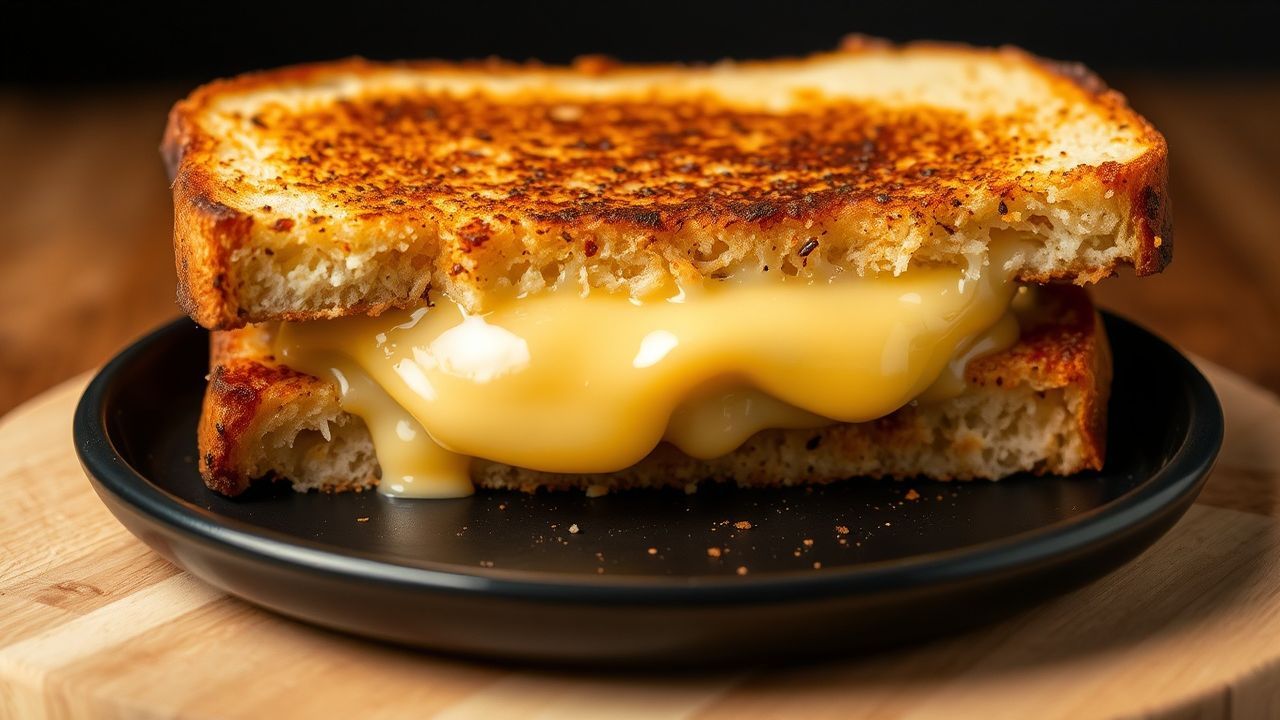
The golden crust, the molten center, the satisfying stretch — a perfect grilled cheese delivers comfort and precision at once. Achieving that balance depends on predictable physical and chemical reactions, not luck.

Contents
  • Why the Science Matters
  • Prep and Cook Time
  • Yield and Difficulty
  • Ingredients
  • Instructions
  • Tips for Success
  • Serving Suggestions
  • Nutrition
  • Related Resources
  • FAQ
    • What makes a grilled cheese truly perfect?
    • Why does my cheese separate or get oily?
    • Is butter always the best fat to use?
    • How can I melt cheese evenly without burning the bread?
    • Can I make grilled cheese ahead of time?
  • Balance heat and time: low-to-medium heat yields even melt and a crisp crust.
  • Layer wisely: combine cheeses for meltability and flavor complexity.
  • Choose structure: bread texture controls sogginess and browning.

Why the Science Matters

Every successful grilled cheese relies on two predictable processes: browning of the bread and melting of the cheese. Understanding those processes lets you control texture and flavor, rather than guessing at cook time.

The browning is primarily the Maillard reaction, where amino acids and sugars form complex flavor compounds as the surface heats. At the same time, cheese softens as its protein matrix and fat respond to heat, a behavior described in general terms on the cheese overview.

- Advertisement -

Prep and Cook Time

Plan your cooking to let chemistry do the work. A brief period of low, steady heat gives melt time without charring the bread.

Set a total of about 18–20 minutes from prep to plate for two sandwiches: 10 minutes to assemble and 8–10 minutes to cook. This schedule assumes medium-low stove settings and a well-seasoned skillet.

  • Preparation Time: 10 minutes
  • Cooking Time: 8–10 minutes
  • Total Time: 18–20 minutes

Yield and Difficulty

Recipe yield and skill level help you scale and plan. This version serves two and requires basic pan technique rather than professional tools.

- Advertisement -

Difficulty rates as easy-to-medium because heat control and timing matter. The technique rewards attention: small adjustments produce big improvements.

Ingredients

Select ingredients with functional roles in mind: structure, fat, moisture, and flavor. Each choice changes how the sandwich behaves under heat.

For example, a rustic loaf with a tight crumb supports fillings without collapsing. See the sourdough overview on Sourdough for why fermented structure helps. For cheese, including a melting variety such as Gruyère improves stretch; learn more about that style at Gruyère cheese.

- Advertisement -
  • 4 slices artisan sourdough or similar, about ½ inch thick
  • 3 tbsp unsalted butter, softened
  • 1½ cups shredded sharp white cheddar
  • ½ cup shredded Gruyère
  • 1 tsp Dijon mustard (optional)
  • 2 tsp finely chopped fresh thyme or rosemary
  • 1 tbsp mayonnaise (optional)
  • Freshly ground black pepper, to taste

Instructions

Follow the sequence to control heat exposure and melt rate. Assemble deliberately and avoid rapid flipping or pressing that forces oil separation.

Use a heavy-bottomed skillet for even conduction. A thin, flexible spatula helps flip cleanly without tearing the bread.

  1. Preheat a skillet over medium-low heat. Allow it to come to temperature so the surface browns but does not scorch.
  2. Butter one side of each bread slice evenly. A thin, uniform layer promotes predictable browning through the Maillard reaction.
  3. Optional: Spread mayonnaise or Dijon mustard on the unbuttered side for flavor and a thin moisture barrier that helps prevent sogginess.
  4. Layer the cheese: Combine sharp cheddar and Gruyère. Distribute the mix evenly; avoid overpacking to keep a consistent melt.
  5. Assemble sandwiches: Place bread butter-side-down, cheese inside, and butter-side-up on top to seal with heat.
  6. Cook 4–5 minutes per side without pressing. Flip when the first side is deeply golden; then cook the second side until equal in color and the cheese flows when the edge is lifted.
  7. If melt lags, lower heat and cover the pan for 1–2 minutes to trap steam and finish melting without burning the crust.
  8. Rest 1 minute before slicing diagonally. Resting lets the melted matrix stabilize, yielding cleaner slices.

Tips for Success

Small technique shifts produce consistent upgrades. Control heat first, then focus on component selection.

Cheese chemistry matters: combining a high-moisture, good-melting cheese with a sharper, flavorful cheese balances stretch and taste. This creates both texture and depth without excess oil separation.

Bread choice is crucial: a tight crumb and moderate thickness support fillings without collapse. Light, airy loaves tend to compress and turn soggy under moisture.

Finish with fresh herbs or a light acid to cut richness. A sprinkle of thyme or a few drops of vinegar-based condiment brightens the profile without altering melt behavior.

💡 Expert Insight
Expert Insight: Temper your cheeses to room temperature before assembly. Warmer cheese needs less stove time, reducing the chance the bread will overbrown before the interior reaches the ideal melt.

Also, consider a butter-plus-oil blend if you cook on slightly higher heat; oil raises the smoke point and reduces burning while butter delivers flavor.

Using a lid: covering the pan traps gentle steam and helps finish melting without changing the crust dramatically. Use this tactic only if the crust is already the color you want.

⚠️ Pro-Caution
Pro-Caution: Avoid high heat to force a quick melt. Rapid cooking promotes oil separation in cheese and char on the bread, which yields a greasy, uneven result.

When adding moist fillings like tomato, pat them dry and layer cheeses to create a small moisture buffer. This prevents internal steam pockets from making the bread soggy.

Serving Suggestions

Present the sandwich with contrasts: an acidic soup, crisp salad, or pickled vegetable creates balance. Textural contrast improves perceived richness control.

Slice diagonally for structural integrity and an attractive cheese pull. Garnish with fresh herbs or a light drizzle of chili honey for complexity without overwhelming the core flavors.

Nutrition

Estimate nutrients per serving to help with meal planning. Values vary by cheese type and bread density.

Use the nutrition below as a baseline. For precise tracking, weigh your exact ingredients and consult a nutrition calculator.

Nutrient Per Serving
Calories 520 kcal
Protein 25 g
Carbohydrates 45 g
Fat 28 g

Related Resources

For deeper techniques on ingredient selection and troubleshooting, consult our internal guides to expand your method. These pages include variants and troubleshooting steps to refine results.

Explore: Perfect Grilled Cheese Ingredient Strategies and Grilled Cheese Troubleshooting for targeted advice on cheese blends and handling moist add-ins.

FAQ

What makes a grilled cheese truly perfect?

The perfect sandwich balances a crisp, golden-brown surface with a uniformly melted interior. Achieve this by using medium-low heat, combining melt-friendly and flavorful cheeses, and selecting bread with supportive structure.

Why does my cheese separate or get oily?

Cheese separates when heated too fast or beyond its emulsion stability. Use lower heat and mix cheeses with different fat and moisture profiles to reduce greasiness. Also, avoid pressing the sandwich while cooking.

Is butter always the best fat to use?

Butter gives superior flavor due to its milk solids, which help the Maillard reaction. For higher-temperature cooking, blend butter with a neutral oil to increase the smoke point while keeping buttery notes.

How can I melt cheese evenly without burning the bread?

Start with medium-low heat and a preheated skillet. If the bread browns too fast, lower the heat and cover the pan to use steam to finish melting. Shredded or thinly sliced cheese melts more consistently than large blocks.

Can I make grilled cheese ahead of time?

Assemble and refrigerate for up to two hours before cooking to save time. For leftovers, reheat in a skillet covered briefly to revive the melt while crisping the bread; avoid microwave reheating to prevent sogginess.

See also: grilled cheese

7 Pro Tips for Hearty Chicken Soup
Unlocking Umami: 7 Science-Proven Ways Glutamate in Tomato & Parmesan Elevates Flavor
Cornstarch Magic: 7 Proven Techniques to Unlock Tender Meat
Mastering the Bain-Marie: 7 Double-Boiler Techniques for Perfect Melting
Unlocking Cinnamon’s Charm: 7 Chemical Secrets of Cinnamaldehyde
TAGGED:andbehindcheeseCheese meltingGrilled cheeseheat controlMaillard reactionPan techniquescienceSourdough breadthe
Share This Article
Facebook Pinterest Whatsapp Whatsapp LinkedIn Telegram Threads
What do you think?
Love0
Sad0
Happy0
Sleepy0
Angry0
Dead0
Wink0
Previous Article - Fluffiest Rice Ever: Master the Perfect Cooking Method 7 Expert Steps to Fluffy Rice: Master the Perfect Cooking Method
Next Article - Searing Science: The Chemistry Behind Stainless Steel Pans Searing Science: 7 Chemistry Secrets Behind Stainless Steel Pans
Creamy Garlic Chicken with melted Parmesan and fresh herbs on a rustic white plate
Garlic Chicken: 7 Ultimate Brilliant Recipes to Make the Best-Ever Creamy Garlic Chicken with Parmesan & Fresh Herbs
Extra Picks
Colorful bowls of Leftover Couscous transformed into salads, fritters, and stuffed peppers.
12 Amazing Practical Leftover Couscous Ideas: Brilliant Ways to Reuse and Remix
Uncategorized
Colorful jars of spice blends beside steaming couscous with herbs and lemon
7 Ultimate spice blends That Transform Your Couscous — Amazing Best Flavor Boosts
Uncategorized
Bowls of gluten-free couscous alternatives: quinoa, millet, cauliflower, and rice
10 Amazing couscous alternatives: Best Gluten-Free Swaps for Incredible Flavor
Uncategorized

Tags

and art baked baking science baking techniques Baking tips batch cooking beef behind browning techniques butternut squash caramelization cast iron skillet chemistry chicken comfort food Cooking science cooking technique Cooking techniques Cooking tips crafting creamy creamy soup crispy culinary science fish flavor flavor chemistry food food safety Food science for garlic golden Ground turkey hearty heat high-heat cooking high protein meals how instant read thermometer Lean protein magic Maillard reaction make ahead meals make ahead soup mastering meal prep Meal prep recipes meat thermometer microwave microwave cooking moisture control one pot meals Pan searing perfect perfectly Plant based protein Probe thermometer protein denaturation Quick dinners roasted roasted squash roasted tomato soup Roasted vegetables Roasting techniques savor savory science Searing technique Searing techniques secrets slow cooking squash steak steak cooking sweet temperature control the top turkey turkey soup turkey stew ultimate umami cooking umami flavor unlock unlocking unveiling vegetable velvety weeknight dinner Weeknight dinners weeknight meals what when why with your zesty
April 2026
M T W T F S S
 12345
6789101112
13141516171819
20212223242526
27282930  
« Mar    

You Might Also Like

- Bringing New Techniques Home: A Family Introduction Guide
Molecular Gastronomy

7 Practical Family Techniques to Bring New Habits Home

William J. Kroll
William J. Kroll
November 7, 2025
Grilling Secrets: How Heat Drives Out Meat’s Moisture
Extra Picks

7 Grilling Secrets: Master Grilling Moisture for Juicier Meat

William J. Kroll
William J. Kroll
January 17, 2026
Hearty Turkey and Bean Chili: A Flavorful Comfort Classic
Extra Picks

7 Proven Secrets for Hearty Turkey Chili That’s Fast and Flavorful

William J. Kroll
William J. Kroll
February 9, 2026
Chia Seed Pudding: A Nutritious Spoonful of Delight
Extra Picks

7 Chia Pudding Insights: Nutritious Spoonfuls & Easy Overnight Recipe

William J. Kroll
William J. Kroll
December 21, 2025
Boiling vs. Steaming: Unveiling The Secrets of Cooking Heat
Boiling & Steaming

7 Essential Differences: Boiling vs. Steaming for Better Texture & Nutrition

William J. Kroll
William J. Kroll
February 16, 2026
Savory Secrets to Perfectly Creamy Garlic Chicken Delight
Extra Picks

7 Savory Secrets for Perfectly Creamy Garlic Chicken Delight

William J. Kroll
William J. Kroll
February 17, 2026
Follow US
By Fimaw.com © All Rights Reserved.
  • Advertising Policy: 10 Practical Rules for Safe, Compliant Ads
  • Contact Us
  • Cookie Policy: Clear Guide for Site Owners
  • Copyright Notice Guide: 7 Essential Rules for Website Owners
  • Disclaimer
  • Privacy Policy
  • Terms of Service
Welcome Back!

Sign in to your account

Username or Email Address
Password

Lost your password?