
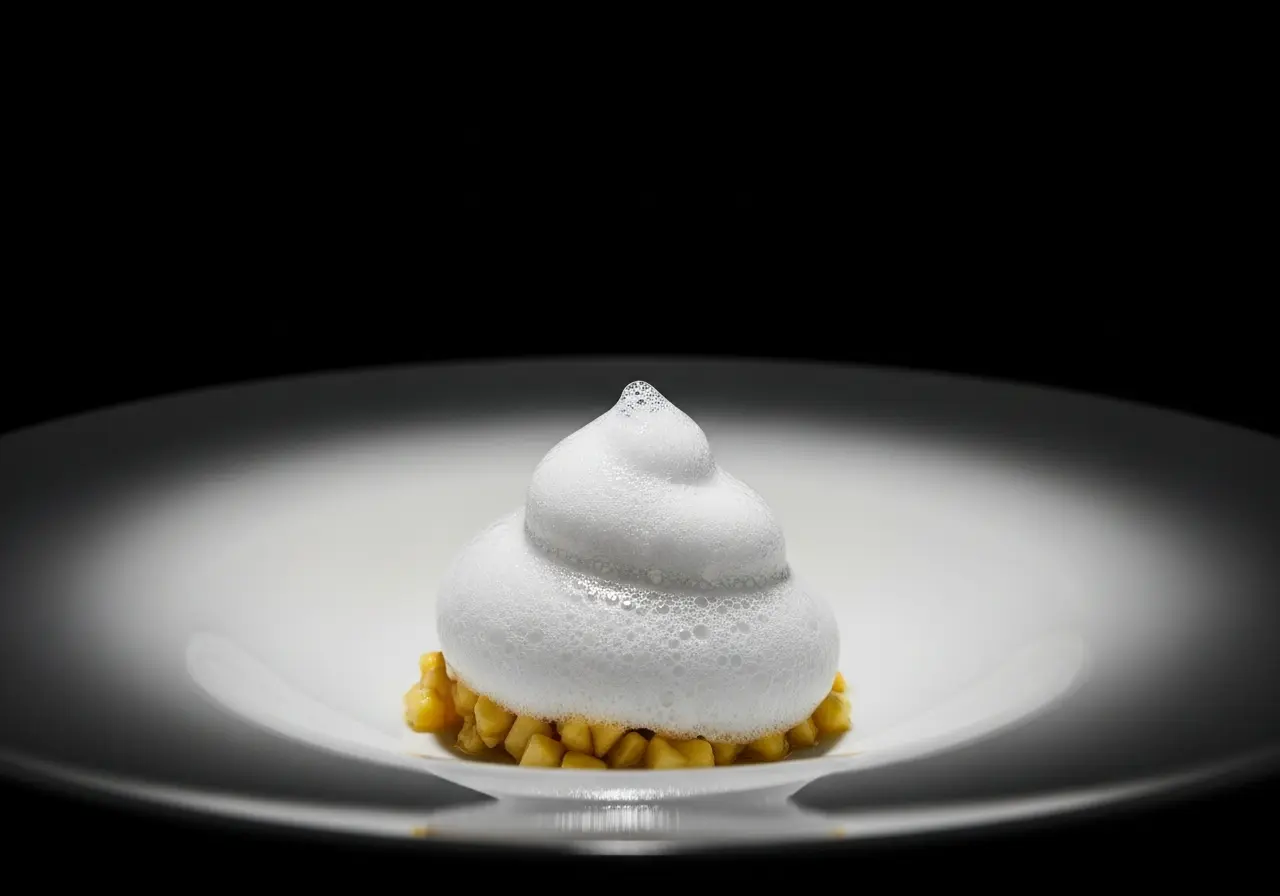

In the realm of modern gastronomy, where innovation meets tradition, culinary espumas stand out as edible clouds-whimsical, airy creations that elevate flavor and texture to new heights. These frothy foams, born from the harmonious marriage of art and science, transform humble ingredients into sublime sensory experiences. Behind every perfect espuma lies a meticulous balance of chemistry and creativity, where air meets liquid in a delicate dance, producing ethereal lightness that melts effortlessly on the palate. This article delves into the fascinating world of culinary espumas, unraveling the secrets behind their texture, flavor infusion, and why mastering this technique has become a hallmark of avant-garde chefs worldwide. Join us as we explore the science that bubbles beneath the surface and the artistry that turns simple elements into a sublime feast for both eyes and taste buds.
Mastering Flavor Balancing Techniques for Memorable Espumas
Culinary espumas offer a spectacular fusion of texture and flavor, turning simple ingredients into airy, delightful froths that elevate any dish. The focus keyword, perfect culinary espumas, stands at the heart of this transformation-where chemistry meets artistry. Achieving the ideal balance requires an understanding of how acidity, sweetness, salt, and bitterness interact within the ethereal structure of an espuma.
Prep and Cook Time
- Preparation: 15 minutes
- Chilling/Setting Time: 1 hour
- Total Time: 1 hour 15 minutes
Yield
- Approximately 4 servings of espuma
Difficulty Level
- Medium – Requires handling of specialized tools and precise balancing
Ingredients
- 1 cup heavy cream (cold, preferably fresh)
- 1/2 cup vegetable or chicken stock (strained)
- 2 tbsp lemon juice (freshly squeezed for vibrancy)
- 1 tsp soy sauce (to deepen umami, adjust to taste)
- 1 tbsp sugar (balances acidity)
- 1/2 tsp salt (enhances all flavors)
- 1 tbsp gelatin sheets or 1 tsp powdered gelatin (for stability)
- Optional: herbs or spices (e.g., fresh thyme, black pepper)
Instructions
- Bloom the gelatin: Soak gelatin sheets in cold water for 5 minutes or sprinkle powdered gelatin over 2 tablespoons cold water. Set aside.
- Prepare the flavor base: In a saucepan, combine stock, lemon juice, soy sauce, sugar, and salt. Warm gently over low heat to dissolve sugar and salt completely, stirring occasionally to blend well.
- Incorporate gelatin: Remove the flavor base from heat; gently squeeze out excess water from gelatin sheets or add powdered gelatin directly. Stir until gelatin is fully dissolved, ensuring a smooth mixture.
- Cool the mixture: Set the flavor base aside to cool to room temperature before adding the cream.
- Combine with cream: Slowly fold in the cold heavy cream, mixing delicately to retain air and creaminess without deflating the mixture.
- Strain for purity: Pass the mixture through a fine mesh sieve into a whipping siphon to avoid lumps and unwanted solids.
- Charge the siphon: Insert one or two N2O cartridges and shake vigorously 20 times for an even texture.
- Chill and set: Refrigerate the siphon for at least 1 hour; the gelatin will stabilize the espuma, ensuring a rich, creamy mouthfeel that holds its shape upon dispensing.
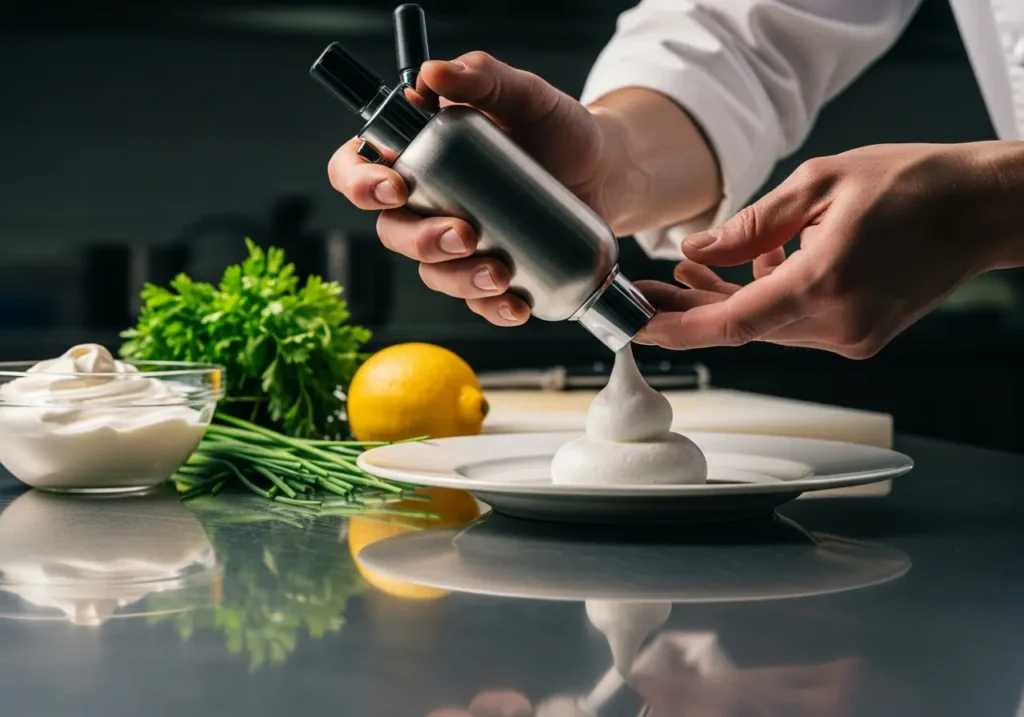
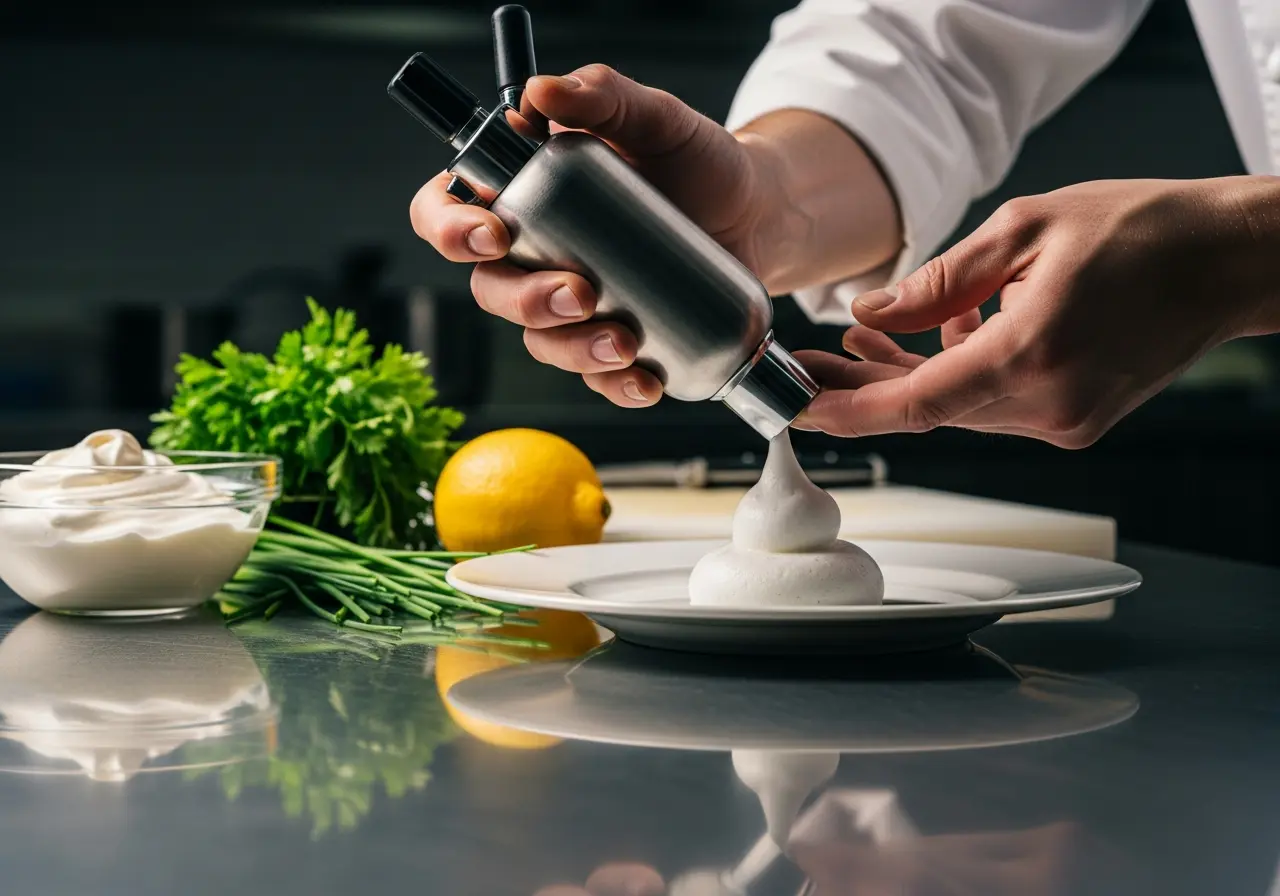
- Dispense and serve: Hold the siphon upside down, dispense the espuma in graceful swirls atop your dish, inviting diners to experience layers of flavor and airy texture.
Chef’s Notes: Tips for Success
- Flavor balance is key. Start with less salt and acidity; you can always add more after tasting.
- Gelatin ensures stability. Without it, espumas may collapse quickly-experiment with agar-agar for vegetarian options but note textural differences.
- For creaminess, heavy cream must be cold and fresh. Warmer cream won’t foam properly nor hold the delicate structure.
- If your espuma is too dense, reduce gelatin slightly or increase the cream ratio.
- Practice with siphon charging: Too many cartridges or excessive shaking can cause overaeration, leaving bubbles too large.
- Make ahead: Prepare espumas up to 4 hours in advance; keep refrigerated and recharge siphon if necessary for extended freshness.
Serving Suggestions
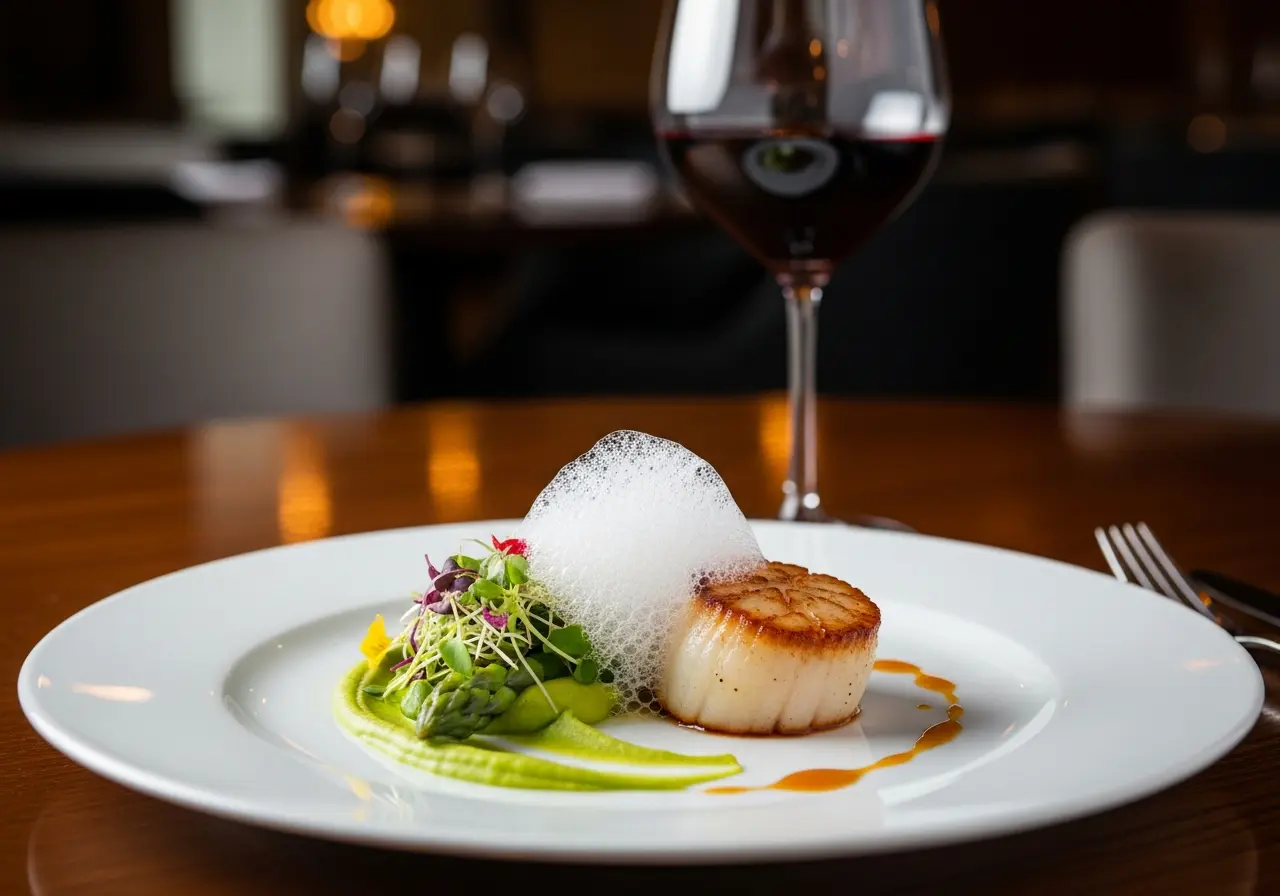
Serve these perfect culinary espumas over vibrant vegetable purees, light seafood dishes, or even desserts like fruit compotes. Garnish with microgreens, edible flowers, or a sprinkle of finely cracked spices such as white pepper or smoked paprika to elevate both look and flavor. Pairing with contrasting textures like crunchy croutons or crisp vegetables adds an exquisite sensory dimension.

| Nutrient | Per Serving (Approx.) |
|---|---|
| Calories | 120 kcal |
| Protein | 3 g |
| Carbohydrates | 4 g |
| Fat | 10 g |
For advanced insights on the chemistry behind foams and emulsions, visit ScienceDirect – Food Foam. Also, explore our related article on texture and flavor science to deepen your culinary understanding.
Q&A
Q&A: The Art and Science Behind Perfect Culinary Espumas
Q1: What exactly is a culinary espuma?
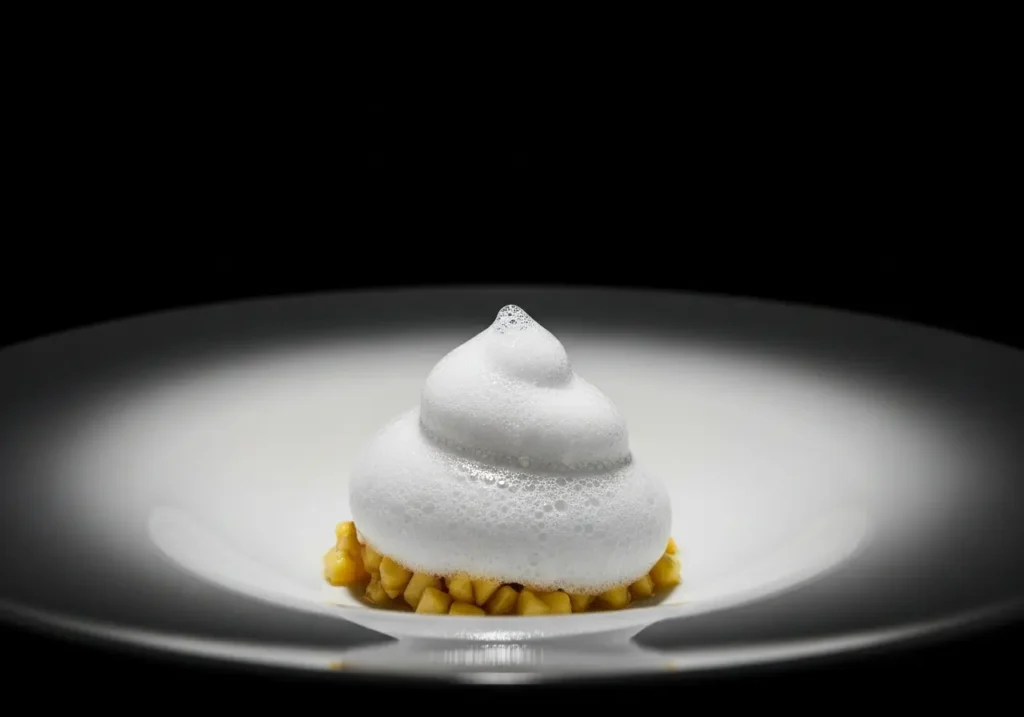
A1: At its core, a culinary espuma is a light, airy foam made from flavorful liquids or purees, stabilized with the help of culinary foaming agents. Think of it as a cloud of intense taste that melts on your tongue, adding both texture and visual intrigue to dishes.
Q2: How did espumas become popular in modern cuisine?
A2: Espumas rose to prominence thanks to the avant-garde techniques pioneered by chefs like Ferran Adrià of El Bulli. Combining the precision of science with the creativity of art, espumas revolutionized how chefs deliver flavors, textures, and a sense of whimsy to the plate.
Q3: What science is at play when creating a perfect espuma?
A3: The magic lies in the interplay of surface tension, proteins, and aeration. When air is incorporated into a flavored liquid stabilized by agents like gelatin, agar-agar, or soy lecithin, it captures tiny air bubbles, creating a stable foam. Temperature, pH balance, and the choice of stabilizer all dictate the espuma’s texture and persistence.
Q4: Are espumas only savory, or can they be sweet as well?
A4: Espumas transcend savory and sweet boundaries with elegance. From velvety cheese foams crowning a salad to ethereal mango foams adorning a dessert, the technique adapts beautifully across flavor profiles, offering chefs a versatile tool for creativity.
Q5: What equipment is essential for making an espuma?
A5: The hallmark device is the siphon gun-a whipped cream charger adapted to introduce gas (usually nitrous oxide) into the mixture, creating foam on demand. Blenders and whiskers also assist in pre-aeration or incorporating stabilizers, but the siphon’s precision and control set the espuma apart.
Q6: How can one ensure the espuma holds its shape and doesn’t collapse too quickly?
A6: Stability hinges on choosing the right stabilizer and perfecting the liquid medium. Proteins and hydrocolloids (like gelatin or xanthan gum) form a scaffold around air bubbles, while balancing the liquid’s viscosity prevents the foam from draining and collapsing. Temperature matters too-many espumas hold longer when served chilled.
Q7: Can espumas elevate the dining experience beyond mere novelty?
A7: Absolutely. A well-crafted espuma can transform the sensory journey by adding unexpected textures and intensifying flavors without heaviness. It invites diners to engage senses differently-lightness on the palate, a delicate aroma wafting up, and a visual pop-turning meals into multisensory art pieces.
Q8: Are there tips for home cooks eager to experiment with espumas?
A8: Start simple. Choose flavorful juices or purees with some natural thickness, stabilize with familiar ingredients like gelatin or cream, and invest in a quality siphon. Patience and practice will refine your technique, and don’t be afraid to think outside the box-espumas welcome whimsy and innovation.
Q9: What’s the future of espumas in culinary arts?
A9: As the dialogue between science and cooking grows ever richer, espumas will evolve beyond foams to incorporate new textures, temperatures, and even interactive elements. They’ll continue to inspire chefs and food lovers alike to push the boundaries of flavor, texture, and presentation.
Crafting the perfect espuma is a dance between science and artistry-a sublime balance of physics, flavor, and fun. With each delicate puff, chefs invite us to savor not just taste, but an elevated experience that lingers long after the last bite.
The Conclusion
In the delicate dance between flavor and texture, culinary espumas stand as a testament to both art and science. These ethereal foams transform ingredients into clouds of taste, inviting us to experience food in a new dimension. Behind their lightness lies a precise alchemy-where technique, understanding of molecular interactions, and a touch of creativity converge. Whether you’re a curious home cook or a seasoned chef, mastering the art and science of espumas opens a gateway to innovation on the plate. As you embark on your own culinary explorations, remember: the perfect espuma is not just a garnish, but a celebration of food’s endless possibilities.