By using this site, you agree to the Privacy Policy and Terms of Use.
Accept
CookOrBitCookOrBitCookOrBit
  • Home
  • About Us
  • Ingredient Science
    • Flavor & Aroma
    • Protein Chemistry
    • Sugar & Starch
    • Fats & Emulsions
  • Cooking Techniques
    • Searing & Grilling
    • Baking & Roasting
    • Boiling & Steaming
    • Low & Slow
  • Kitchen Experiments
    • DIY Ferments
    • Flavor Tests
    • Gadget Testing
    • Molecular Gastronomy
  • Food Myths
    • Searing Myth
    • 5-Second Rule
    • MSG Myths
    • Microwave Myths
  • Tools
  • More
    • Extra Picks
    • Quick & Easy
      • Breakfast Ideas
      • Desserts
      • Snacks
      • Soups
    • Global Flavors
      • Asian Street Eats
      • Latin Comforts
      • Mexican Flavors
      • Modern Mediterranean
CookOrBitCookOrBit
  • Home
  • About Us
  • Ingredient Science
  • Cooking Techniques
  • Kitchen Experiments
  • Food Myths
  • Tools
  • More
Search
  • Home
  • About Us
  • Ingredient Science
    • Flavor & Aroma
    • Protein Chemistry
    • Sugar & Starch
    • Fats & Emulsions
  • Cooking Techniques
    • Searing & Grilling
    • Baking & Roasting
    • Boiling & Steaming
    • Low & Slow
  • Kitchen Experiments
    • DIY Ferments
    • Flavor Tests
    • Gadget Testing
    • Molecular Gastronomy
  • Food Myths
    • Searing Myth
    • 5-Second Rule
    • MSG Myths
    • Microwave Myths
  • Tools
  • More
    • Extra Picks
    • Quick & Easy
    • Global Flavors
Follow US
  • Advertising Policy: 10 Practical Rules for Safe, Compliant Ads
  • Contact Us
  • Cookie Policy: Clear Guide for Site Owners
  • Copyright Notice Guide: 7 Essential Rules for Website Owners
  • Disclaimer
  • Privacy Policy
  • Terms of Service
By Fimaw.com
- Unlocking the Cheesy Chemistry of Nutritional Yeast Flavor
CookOrBit > Blog > Food Myths > MSG Myths > 7 Science-Backed Secrets to Unlock Nutritional Yeast’s Cheesy Flavor
MSG Myths

7 Science-Backed Secrets to Unlock Nutritional Yeast’s Cheesy Flavor

William J. Kroll
By William J. Kroll
Published: November 1, 2025
Share
SHARE

Unlocking the Cheesy Chemistry of Nutritional Yeast Flavor explains why a few golden flakes deliver a robust, savory hit. This primer focuses on the compounds and simple techniques that bring out nutritional yeast’s cheese-like character.

Contents
  • The Molecular Magic Behind Nutritional Yeast’s Savory Appeal
    • Glutamic Acid and Umami Synergy
    • Nucleotides: Inosinate and Guanylate
    • Maillard Reaction and Volatile Notes
  • Practical Recipe: Umami Lentil Mix (Uses Nutritional Yeast)
    • Prep and Cook Time
    • Yield and Difficulty
    • Ingredients
    • Instructions
  • Chef’s Notes and Serving Suggestions
  • Storage, Processing, and Shelf Life
  • FAQ
    • What exactly is nutritional yeast?
    • Why does it taste “cheesy” if there is no dairy?
    • How can I make its flavor stronger in recipes?
    • Are there nutritional benefits beyond flavor?
    • How should I choose a product?
  • Key insight: Free glutamate and nucleotides produce the core umami sensation.
  • Processing matters: Heat and drying trigger Maillard chemistry that adds nutty notes.
  • Use it smart: Combine with fats, acid, or heat to amplify cheesiness.
  • Store properly: Cool, dry, airtight storage preserves flavor and vitamins.

The Molecular Magic Behind Nutritional Yeast’s Savory Appeal

Nutritional yeast is a deactivated form of yeast commonly used for its savory, cheese-like flavor and dense nutrient profile. Many producers use strains of Saccharomyces cerevisiae, grown to yield protein and B vitamins and then heat-inactivated and dried.

The key flavor drivers are free amino acids and flavor-enhancing nucleotides. Together, these molecules stimulate umami receptors and create the perception of a tangy, nutty, and savory note that we often label as “cheesy.”

- Advertisement -

Glutamic Acid and Umami Synergy

Glutamic acid, present as free glutamate in processed yeast, directly activates umami taste receptors. This mirrors the same receptor activation that gives aged cheeses and broths their savory depth.

What intensifies the effect is synergy with nucleotides such as inosinate and guanylate. These compounds amplify the perceived intensity of glutamate, so smaller amounts of yeast can deliver a pronounced savory hit.

Nucleotides: Inosinate and Guanylate

Nucleotides like inosinate naturally form during yeast cell breakdown and drying. They do not taste intensely savory on their own, but they boost glutamate’s potency through a well-described biochemical synergy.

- Advertisement -

For readers who want the biochemical context, see the nucleotide overview at inosinate. That page explains how these molecules contribute to savory taste when paired with glutamate.

Maillard Reaction and Volatile Notes

Drying and mild heating during processing trigger Maillard reactions between amino acids and sugars. This set of reactions produces pyrazines and other volatiles that add roasted, nutty, and slightly sweet aroma notes.

These Maillard products round out the flavor, giving nutritional yeast that roasted, Parmesan-adjacent character without dairy. For more on the chemistry, refer to Maillard reaction.

- Advertisement -

Practical Recipe: Umami Lentil Mix (Uses Nutritional Yeast)

This simple lentil mix demonstrates how to coax the cheese-like quality from nutritional yeast using heat, acid, and fat. Follow the cooking steps to maximize flavor development while keeping the preparation approachable.

Prep time and yield suit weeknight cooking and meal prep. The recipe scales easily for bowls, toasts, or as a protein-rich side.

Prep and Cook Time

  • Prep time: 5 minutes
  • Cook time: 10 minutes
  • Total time: 15 minutes

Yield and Difficulty

Serves: 4

Difficulty: Easy

Ingredients

  • 1/4 cup nutritional yeast flakes
  • 2 tbsp olive oil
  • 1 medium shallot, minced
  • 2 cloves garlic, minced
  • 1 cup cooked lentils (green or brown)
  • 1 tsp smoked paprika
  • 1/2 tsp sea salt
  • Freshly ground black pepper, to taste
  • 1 tbsp fresh lemon juice
  • 2 tbsp chopped fresh parsley

Instructions

  1. Heat the oil in a skillet over medium heat. Add minced shallot and sauté until translucent, about 2 minutes.
  2. Add garlic and cook 30 seconds, stirring to prevent browning.
  3. Toss in lentils and smoked paprika. Warm through for 3–4 minutes, stirring to meld flavors.
  4. Sprinkle nutritional yeast evenly and stir to coat. Cook 1–2 minutes to release savory compounds.
  5. Finish with salt, pepper, and lemon juice. Remove from heat and fold in parsley.
  6. Serve over toasted bread, steamed greens, or grain bowls.

Chef’s Notes and Serving Suggestions

Small changes affect perceived cheesiness. Adding a splash of plant milk or a teaspoon of miso increases creaminess and umami without masking the yeast’s character.

Try serving ideas such as toasted seeds for crunch or a balsamic drizzle for acidity. These contrasts highlight the nutty, tangy elements of the yeast.

  • Substitute smoked paprika with a pinch of cayenne for heat.
  • If fresh garlic is unavailable, use 1/2 tsp garlic powder to avoid bitterness.
  • Make-ahead: store in an airtight container for up to 3 days.
💡 Expert Insight
Expert Insight: For a richer, cheese-like mouthfeel, bloom nutritional yeast in warm olive oil for 30–60 seconds before adding to the dish. The oil helps release fat-soluble aroma compounds and carries savory notes across the palate.

For additional uses and pairing options, consult our internal guides. Explore the guide to natural umami ingredients and the lentil and nutritional yeast recipe for variations and side ideas.

⚠️ Pro-Caution
Pro-Caution: Some fortified nutritional yeast products contain added B12 or other nutrients that may affect lab tests or interact with specific supplements. Check product labels and consult a healthcare professional if you have concerns.

Storage, Processing, and Shelf Life

Proper storage preserves both flavor and nutrient content. Keep flakes in a cool, dry, airtight container away from heat and light to limit oxidative loss of volatile compounds.

Processing choices alter flavor. Longer drying times and higher temperatures can increase Maillard products but may reduce heat-sensitive B vitamins. Brands vary, so sample products to match your flavor preference.

FAQ

What exactly is nutritional yeast?

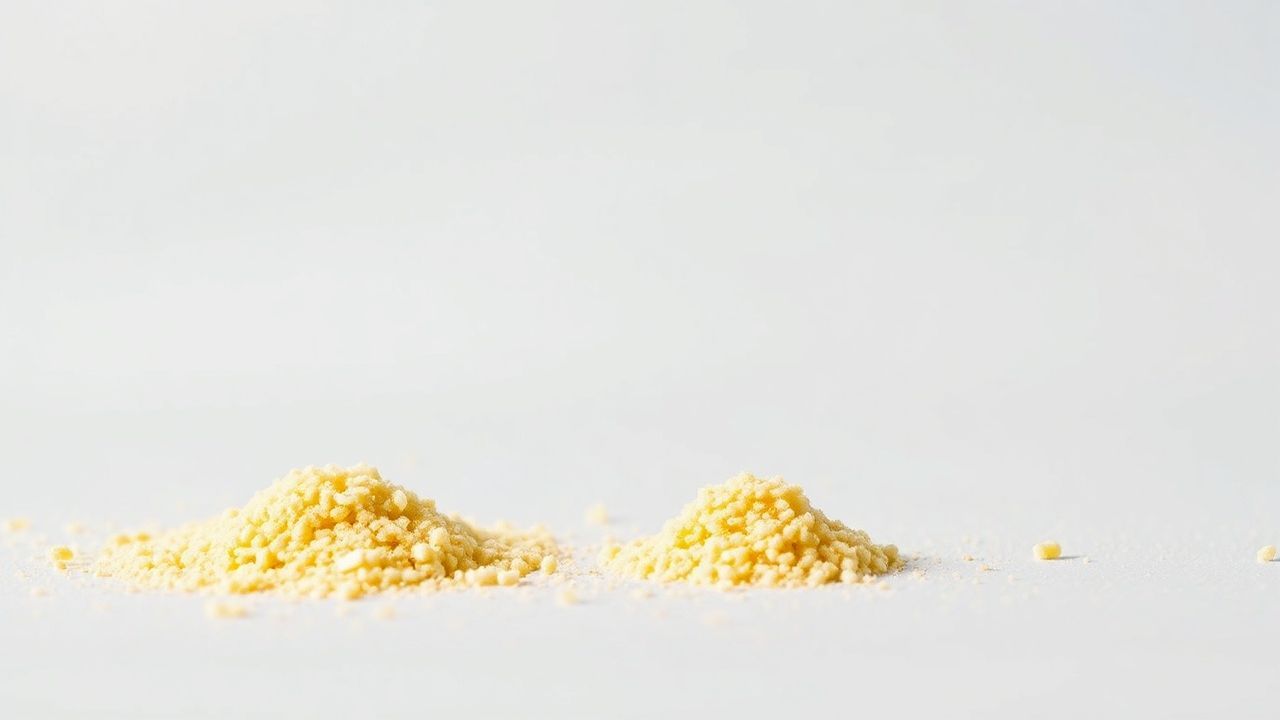
Nutritional yeast is a deactivated yeast commonly sold as yellow flakes or powder. Producers typically grow it for nutrient yield and then heat-inactivate and dry it to create a stable, savory ingredient.

Why does it taste “cheesy” if there is no dairy?

The cheesy impression comes from a mix of free glutamate, nucleotides, and Maillard-derived aromatics. These molecules mimic the savory and nutty notes associated with aged cheeses.

How can I make its flavor stronger in recipes?

Use gentle heat, a little fat, and a splash of acid. Heat releases volatile aromatics, fat carries them on the palate, and acid brightens the overall profile to emphasize the cheesy notes.

Are there nutritional benefits beyond flavor?

Yes. Nutritional yeast offers protein, fiber, and B-complex vitamins in many formulations. Fortified varieties provide vitamin B12, which is valuable for those on plant-based diets.

How should I choose a product?

Compare flavor intensity, fortification, and processing notes on packaging. If you prefer a roasted character, look for descriptions that mention toasty or nutty notes; for a milder, creamier profile, choose finer flakes.

For readers seeking the biochemical backdrop of taste receptors, the concept of umami is well covered at umami. For amino acid context, see glutamic acid.

Harnessing nutritional yeast effectively requires simple technique and awareness of chemistry. Use heat, fat, and acid strategically, and store flakes correctly to keep that cheesy, savory note bright and consistent.

See also: nutritional yeast

7 Proven Ways to Master Starch for Perfect Cooking Results
7 Soul-Warming Chicken Stew Secrets
Piperine Unveiled: 7 Spicy Facts That Change How You Use Black Pepper
Unlocking Umami: 7 Proven Tips to Boost Flavor in Every Dish
7 Proven Facts: Does Salt Speed Boiling Water?
TAGGED:andcheesyfood chemistryfree glutamateMaillard reactionnucleotidesnutritionalnutritional yeasttheumami boosterumami flavorunlockingvegan cheese
Share This Article
Facebook Pinterest Whatsapp Whatsapp LinkedIn Telegram Threads
What do you think?
Love0
Sad0
Happy0
Sleepy0
Angry0
Dead0
Wink0
Previous Article - When Your Meal Blows Up: The Science Behind Microwave Explos 7 Shocking Reasons Your Meal Causes Microwave Explosions (And How to Stop Them)
Next Article - The Science Behind a Tender, Juicy Steak's Perfect Interior 7 Science-Proven Steps for a Perfect Juicy Steak Interior
Creamy Garlic Chicken with melted Parmesan and fresh herbs on a rustic white plate
Garlic Chicken: 7 Ultimate Brilliant Recipes to Make the Best-Ever Creamy Garlic Chicken with Parmesan & Fresh Herbs
Extra Picks
Colorful bowls of Leftover Couscous transformed into salads, fritters, and stuffed peppers.
12 Amazing Practical Leftover Couscous Ideas: Brilliant Ways to Reuse and Remix
Uncategorized
Colorful jars of spice blends beside steaming couscous with herbs and lemon
7 Ultimate spice blends That Transform Your Couscous — Amazing Best Flavor Boosts
Uncategorized
Bowls of gluten-free couscous alternatives: quinoa, millet, cauliflower, and rice
10 Amazing couscous alternatives: Best Gluten-Free Swaps for Incredible Flavor
Uncategorized

Tags

and art baked baking science baking techniques Baking tips batch cooking beef behind browning techniques butternut squash caramelization cast iron skillet chemistry chicken comfort food Cooking science cooking technique Cooking techniques Cooking tips crafting creamy creamy soup crispy culinary science fish flavor flavor chemistry food food safety Food science for garlic golden Ground turkey hearty heat high-heat cooking high protein meals how instant read thermometer Lean protein magic Maillard reaction make ahead meals make ahead soup mastering meal prep Meal prep recipes meat thermometer microwave microwave cooking moisture control one pot meals Pan searing perfect perfectly Plant based protein Probe thermometer protein denaturation Quick dinners roasted roasted squash roasted tomato soup Roasted vegetables Roasting techniques savor savory science Searing technique Searing techniques secrets slow cooking squash steak steak cooking sweet temperature control the top turkey turkey soup turkey stew ultimate umami cooking umami flavor unlock unlocking unveiling vegetable velvety weeknight dinner Weeknight dinners weeknight meals what when why with your zesty
April 2026
M T W T F S S
 12345
6789101112
13141516171819
20212223242526
27282930  
« Mar    

You Might Also Like

Sizzle Truth: Does Pressing Burgers Speed Up Cooking?
Extra Picks

Sizzle Truth: 7 Evidence-Based Facts About Pressing Burgers

William J. Kroll
William J. Kroll
November 16, 2025
Turkey Meatballs and Zucchini Noodles: A Healthy Twist
Extra Picks

10 Proven Tips for Perfect Turkey Meatballs and Zucchini Noodles

William J. Kroll
William J. Kroll
January 29, 2026
- Unlocking the Secrets of the Gentle Water Bath (Bain-Marie)
Baking & Roasting

Master Bain-Marie: 9 Pro Techniques for Perfect Water Baths

William J. Kroll
William J. Kroll
November 4, 2025
Zesty Baked Salmon with Creamy Lemon Butter Bliss
Extra Picks

7-Step Zesty Baked Salmon with Creamy Lemon Butter — Expert Recipe

William J. Kroll
William J. Kroll
February 9, 2026
Warm Up with Savory Roasted Squash and Apple Soup Delight
Extra Picks

7 Comforting Squash Soup Tips with Roasted Apples

William J. Kroll
William J. Kroll
January 29, 2026
The Science Behind Smash Burgers: Flavor in Every Sizzle
Searing Myth

Smash Burger Science: 7 Proven Steps for Maximum Flavor

William J. Kroll
William J. Kroll
February 12, 2026
Follow US
By Fimaw.com © All Rights Reserved.
  • Advertising Policy: 10 Practical Rules for Safe, Compliant Ads
  • Contact Us
  • Cookie Policy: Clear Guide for Site Owners
  • Copyright Notice Guide: 7 Essential Rules for Website Owners
  • Disclaimer
  • Privacy Policy
  • Terms of Service
Welcome Back!

Sign in to your account

Username or Email Address
Password

Lost your password?