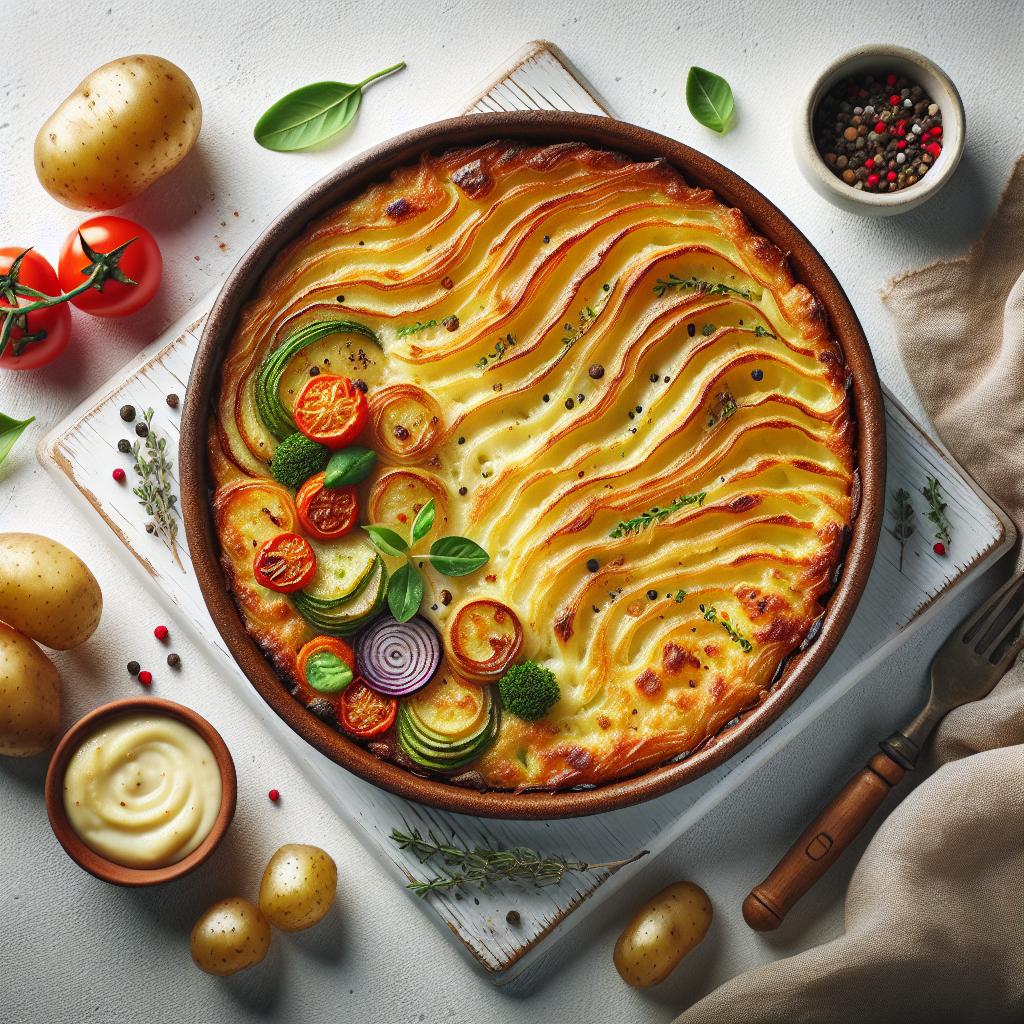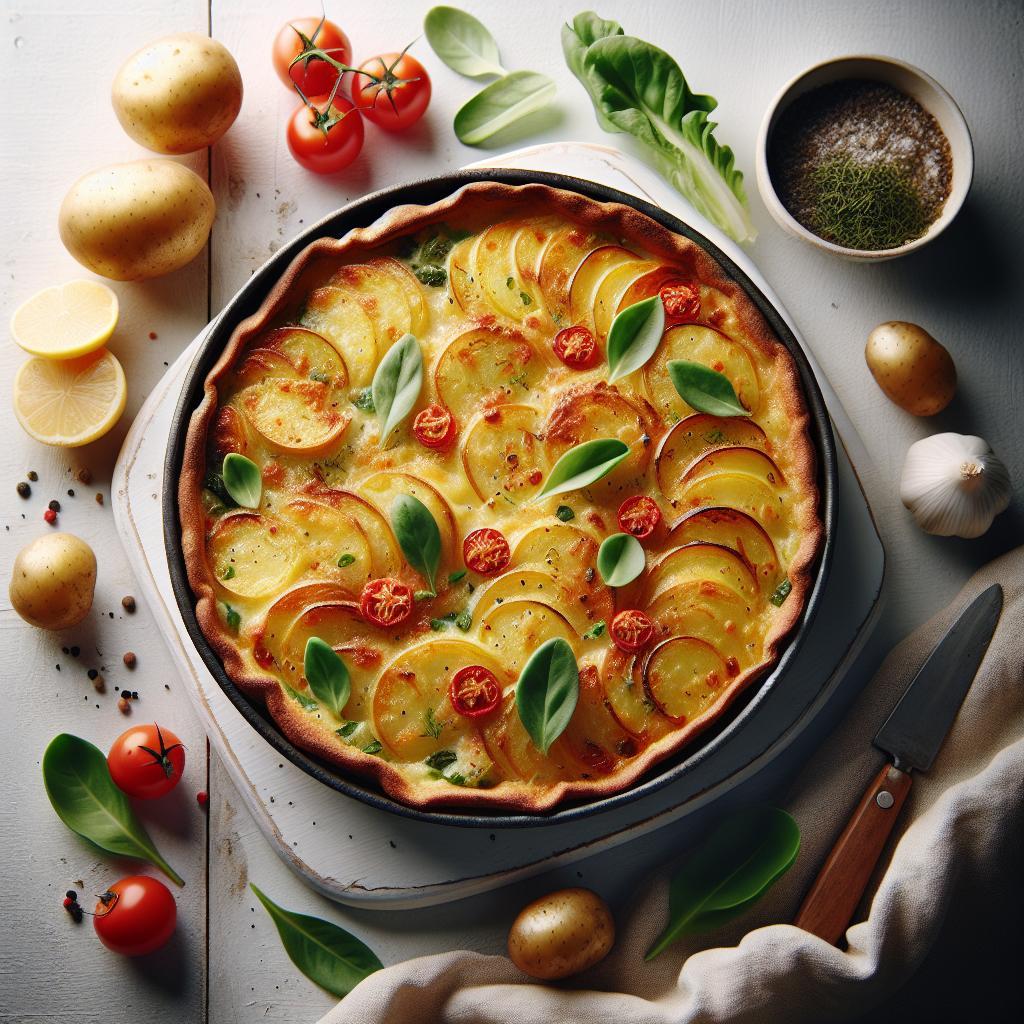

Beneath the golden, bubbling crust of a perfectly slow-baked potato gratin lies a symphony of chemistry at work-a delicate dance of starches, fats, and proteins transforming humble ingredients into a dish that comforts the soul. This beloved classic isn’t just about layering thinly sliced potatoes with cream and cheese; it’s about understanding the molecular magic that turns simple tubers into a creamy, tender, and irresistibly savory masterpiece. In this article, we’ll peel back the layers of culinary science to reveal how heat, time, and carefully chosen ingredients collaborate in the oven to create the ultimate gratin. Prepare to see this comforting favorite not just as a recipe, but as a delicious experiment in slow, deliberate alchemy.
Mastering the chemistry behind crafting perfect slow-baked potato gratin unlocks the secrets to irresistible creamy layers that melt effortlessly on the palate. This culinary classic, rooted in French tradition, thrives on the delicate balance of starch and fat, and the gentle transformation that occurs through slow baking. The harmonious union of these elements delivers a dish with luxuriously tender potatoes enveloped in a velvety custard, enriched by nuanced flavor depth and captivating textures.
Prep and Cook Time
- Preparation: 20 minutes
- Cooking: 90 minutes (slow bake for optimum texture)
- Total Time: 1 hour 50 minutes
Yield
- Serves 6 generously
Difficulty Level
- Medium – Perfect for confident home cooks eager to elevate their layering technique and flavor precision.
Ingredients
- 2 pounds Yukon Gold potatoes, peeled and sliced 1/8-inch thick
- 2 cups whole milk
- 1 cup heavy cream
- 2 cloves garlic, minced
- 4 tablespoons unsalted butter, melted plus extra for greasing
- 1 ½ teaspoons kosher salt
- ½ teaspoon freshly ground black pepper
- ¼ teaspoon freshly grated nutmeg
- 1 cup Gruyère cheese, grated
- 2 tablespoons Parmesan cheese, finely grated
- Fresh thyme sprigs for garnish (optional)
Instructions
- Preheat your oven to 300°F (150°C). Butter a 9×13-inch baking dish thoroughly to prevent sticking and encourage even browning.
- Prepare the custard: In a mixing bowl, combine whole milk, heavy cream, minced garlic, salt, pepper, and nutmeg. Whisk gently until all ingredients are fully incorporated.
- Layer the potatoes: Arrange a single layer of sliced potatoes over the bottom of the buttered baking dish, slightly overlapping each piece like scales on a fish to ensure even cooking and optimal starch release.
- Sprinkle a light layer of Gruyère cheese and drizzle a tablespoon of melted butter over the potatoes, aiding in the fat content critical for creamy texture.
- Repeat layers, alternating potatoes, cheese, and butter, until the dish is nearly full, reserving a small amount of cheese for the topping.
- Pour the custard mixture over the layered potatoes carefully, allowing the milk and cream to seep evenly and replace evaporating moisture during baking.
- Cover the dish tightly with aluminum foil. The slow, low heat will coax the potato starch to gelatinize and meld with the fat molecules, creating the coveted creamy consistency.
- Bake for 75 minutes, then remove the foil, sprinkle Parmesan and the remaining Gruyère over the top for a golden crust, and bake uncovered for an additional 15 minutes until bubbling and beautifully browned.
- Rest the gratin for 10 minutes post-baking to allow residual steam to finalize the custard’s silky texture without it becoming watery or overly firm.
Tips for Success
- Choosing Yukon Gold potatoes offers the perfect medium starch level, balancing creamy softness without disintegration.
- Using a gentle heat at 300°F encourages gradual starch swelling and fat integration. Higher temperatures risk a crusty outside but undercooked interior.
- To enhance flavor depth, infuse your milk mixture with shallots or fresh herbs during warming, then strain before pouring over potatoes.
- For a lighter version, substitute half the cream with whole milk and reduce butter slightly-note the texture will be less rich but still gratifying.
- Leftover gratin reheats beautifully under a low oven or in a skillet, evoking just-baked charm with a crisped edge.
Serving Suggestions
Present this sumptuous gratin as a centerpiece for cozy dinners or elegant entertaining. Garnish with fresh thyme sprigs or microgreens to add a pop of color and herbaceous brightness. Serve alongside a crisp green salad or roasted meats such as herb-crusted pork or garlic-studded chicken to create a balanced plate. For a final flourish, drizzle a touch of browned butter over individual servings for enhanced aroma.
| Nutrient | Per Serving |
|---|---|
| Calories | 360 |
| Protein | 12 g |
| Carbohydrates | 29 g |
| Fat | 22 g |

For further exploration of starch interaction and dairy science in culinary techniques, visit the ScienceDaily food chemistry section. To expand your repertoire, check out our related guide on Classic French Casseroles for complementary dishes.
Q&A
Q&A: The Chemistry Behind Crafting Perfect Slow-Baked Potato Gratin
Q1: What makes slow-baking essential for the perfect potato gratin?
A1: Slow baking allows heat to penetrate the potato slices evenly, giving starches time to gelatinize gently. This process breaks down the potato’s cell walls without turning them mushy, ensuring a creamy texture that melts in your mouth rather than a dense or gummy outcome. The gradual temperature unlocks complex Maillard reactions at the surface, creating that golden, flavorful crust everyone craves.
Q2: How do the starch and moisture content in potatoes influence the gratin?
A2: Potatoes with higher starch content, like Russets, absorb and bind the cream and cheese better, contributing to a luscious, cohesive dish. The starch granules swell during baking, thickening the sauce naturally. Moisture plays a balancing act; enough liquid prevents dryness, but too much leads to watery layers. Slow baking helps gently evaporate excess moisture, concentrating flavors without sogginess.
Q3: What role does cream play in the chemistry of gratin?
A3: Cream is a complex emulsion of fat, water, and proteins that interacts with the starch from the potatoes. As the gratin bakes, the fat coats starch granules, creating a rich, velvety mouthfeel. The proteins in cream can also denature and coagulate slightly, thickening the mixture and helping it set into the perfect tender yet sliceable texture.
Q4: Why is layering so important in crafting the ideal gratin?
A4: Layering potato slices allows each piece to interact intimately with cream and cheese, maximizing surface contact for starch absorption and flavor infusion. This structural chemistry encourages uniform cooking and heat distribution. Optional seasoning layers-think garlic and nutmeg-enhance chemical reactions like enzymatic breakdown and Maillard browning during the slow bake, intensifying aroma and taste.
Q5: How does cheese chemistry contribute to the gratin’s finish?
A5: Cheese introduces fat, proteins, and enzymes that melt, stretch, and brown during baking. As heat increases, milk proteins coagulate, helping bind the gratin together. Meanwhile, the fat in cheese enhances creaminess and flavor richness. The slow bake encourages a gradual Maillard reaction on the cheese surface, generating savory, nutty notes and a beautifully caramelized crust.
Q6: Are there any chemical tips to avoid common pitfalls like a watery or rubbery gratin?
A6: Absolutely! To prevent wateriness, let excess moisture from potatoes release before baking by salting the slices lightly and resting them. Using a moderate-fat cream rather than ultra-heavy cream keeps the texture balanced. Avoid high baking temperatures that quickly toughen proteins and starches, leading to rubbery textures. Slow, steady heat encourages gradual starch gelatinization and protein setting, yielding a tender, perfectly cooked gratin.
Q7: Can understanding the chemistry behind gratin help in customizing recipes?
A7: Definitely! Knowing how starches absorb liquid, how fats influence texture, and how heat transforms proteins allows you to tweak cheese types, cream source, or baking times to suit preferences. Want a crispier top? Increase temperature slightly at the end to boost Maillard reaction. Prefer extra creaminess? Adjust fat content or layering technique. Chemistry is your ultimate sous-chef in elevating every bite into a sublime experience.
By embracing the beautiful science within each layer, you can transform humble potatoes into a slow-baked gratin masterpiece, where chemistry and culinary art meet in golden harmony.
Future Outlook
As the golden crust of a slow-baked potato gratin emerges from the oven, it’s more than just a delicious dish-it’s the culmination of a symphony of chemical reactions working in harmony. From the gentle breakdown of starches to the Maillard reaction painting each slice with savory notes, understanding the science transforms cooking from mere recipe-following into a creative craft. So, the next time you layer those delicate potatoes and pour over the cream, remember: you’re not just making a meal, you’re orchestrating a masterpiece where chemistry and culinary art unite on your plate. Embrace the science, savor the process, and relish every perfectly tender bite.