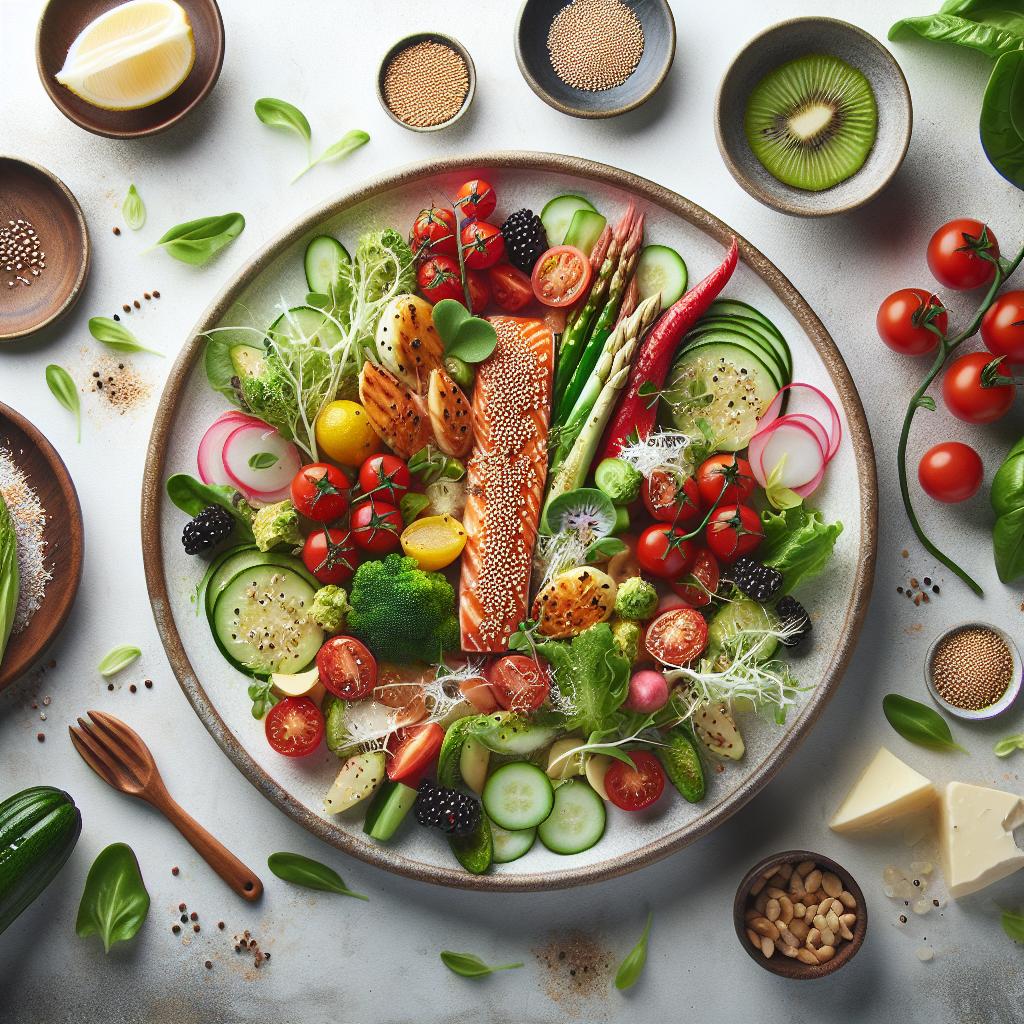


In the bustling world of culinary arts, fat often plays the unsung hero-a mysterious ingredient cloaked in both admiration and wary caution. Yet, behind every succulent roast, every golden crust, and every melt-in-your-mouth morsel lies the magical alchemy of fat at work. Far beyond mere flavor, fat is a masterful preserver and tenderizer, transforming humble ingredients into extraordinary experiences. Join us as we unravel the science and wonder behind this age-old marvel, exploring how fat not only seals in freshness but also caresses each bite with a velvety tenderness that delights the senses. Welcome to the magic of fat: where preservation meets perfection.
The Magic of Fat: How It Preserves and Tenderizes Food
The magic of fat is the secret ingredient in countless culinary masterpieces, elevating every dish by infusing tenderness, depth, and preservation power. From the rich marbling of a perfectly cooked steak to the golden, flaky crust of a buttery pie, fat transforms textures and flavors in ways that water or other cooking mediums simply cannot. Understanding the science behind fat’s unique ability to preserve moisture and break down proteins is your key to achieving greatness in every bite.
Prep and Cook Time
- Prep Time: 20 minutes
- Cook Time: 40 minutes
- Total Time: 1 hour
Yield
Serves 4 generously
Difficulty Level
Medium – Perfect for home cooks ready to elevate their technique
Ingredients
- 1.5 lbs (680 g) beef chuck roast, well-marbled
- 2 tbsp unsalted butter, softened
- 2 tbsp olive oil
- 3 garlic cloves, minced
- 1 tbsp fresh rosemary, chopped
- 1 tsp smoked paprika
- Salt and freshly ground black pepper, to taste
- 1 cup beef broth, low sodium
- 2 medium onions, sliced thin
- 1/2 cup heavy cream
Instructions
- Prepare the beef: Pat dry the beef chuck roast with paper towels to ensure a clean sear. Season generously with salt, pepper, smoked paprika, and half the rosemary.
- Heat the fat base: In a heavy skillet or Dutch oven, warm olive oil and 1 tbsp of butter over medium-high heat until shimmering but not smoking. This combination helps impart flavor while maximizing fat’s cooking magic.
- Sear the beef: Add the roast and sear on all sides until a deep golden-brown crust forms, about 3-4 minutes per side. The fat assists in forming this flavorful crust while locking in moisture.
- Sauté the aromatics: Reduce heat to medium, add garlic and onions. Stir occasionally, cooking until soft and caramelized, about 6-8 minutes, enhancing richness and layering flavor.
- Deglaze with broth: Pour in beef broth to lift all the fond-the browned bits rich with flavor-from the pan bottom. Stir gently.
- Slow cook and infuse fat: Return beef to the pot, including rendered fat. Cover and cook at low simmer or in a 300°F (150°C) oven for 30-40 minutes until fork-tender. The fat penetrates meat fibers, breaking them down and preserving juiciness.
- Finish with cream and butter: Remove beef and rest. Stir cream and remaining butter into the pan juices, simmering until slightly thickened, creating a silky sauce rich in fat that enhances mouthfeel.
- Serve immediately: Slice roast against the grain, spoon sauce over, and garnish with remaining fresh rosemary.
Chef’s Notes
- Choosing the right fat is essential: Butter brings sweetness and creaminess, while olive oil adds a fruity, silky base. Combining fats creates a symphony of flavors and textures.
- For a dairy-free version, replace butter and cream with coconut milk and coconut oil for similar tenderness and richness.
- Resting the meat after cooking is crucial-this allows the fat and juices to redistribute evenly, locking in moist tenderness.
- Using well-marbled cuts maximizes fat infusion, leading to unparalleled juiciness. If using lean cuts, consider adding a piece of pork fat or basting frequently with fat.
Serving Suggestions
Plate slices over a bed of buttery mashed potatoes or roasted root vegetables to complement the richness. A sprinkle of fresh herbs-like parsley, thyme, or rosemary-adds brightness. For a colorful contrast, a handful of lightly dressed arugula or baby kale refreshes the palate while highlighting the magic of fat.
| Nutrient | Amount per Serving |
|---|---|
| Calories | 530 kcal |
| Protein | 45 g |
| Carbohydrates | 8 g |
| Fat | 35 g |
Discover more about the art of rendering fat for cooking and dive deeper into enhancing your culinary skills. For scientific insight into fat’s preservation powers, visit the ScienceDaily Fat Emulsion Article.

Q&A
Q&A: The Magic of Fat – How It Preserves and Tenderizes Food
Q1: Why is fat often called a “magical” ingredient in cooking?
A1: Fat is like the silent magician of the culinary world. It doesn’t just add flavor; it transforms texture, preserves freshness, and brings out the juiciest qualities in food. Its unique chemical makeup allows it to lock in moisture and tenderness, giving dishes that melt-in-your-mouth appeal.
Q2: How does fat help in preserving food?
A2: Fat acts as a natural barrier against air and bacteria, slowing down oxidation and spoilage. When foods are coated or cooked in fat, they’re protected from drying out and harmful microbial growth, extending shelf life. Think of it as an edible shield that keeps freshness locked inside.
Q3: Can you explain the science behind fat’s tenderizing power?
A3: Absolutely! Fat infiltrates muscle fibers and connective tissues, lubricating and softening them. This reduces toughness by breaking down proteins and collagen during cooking, resulting in food that’s more succulent and easy to chew. It’s a bit like a gentle massage for your steak or poultry, loosening up every fiber.
Q4: Are all fats created equal when it comes to preserving and tenderizing?
A4: Not quite! Different fats have different melting points and flavors. Butter, for example, adds richness and a creamy texture, while olive oil brings smoothness and a fruity aroma. Animal fats like lard or tallow are excellent at sealing and tenderizing due to their unique fatty acid profiles. Choosing the right fat depends on the dish and desired effect.
Q5: Beyond preservation and tenderizing, what else does fat do in cooking?
A5: Fat is a flavor powerhouse. It carries and amplifies aromatic compounds, making herbs and spices come alive. It also creates that crispy golden crust we all love on fried and roasted foods. Plus, it provides energy and satisfies cravings, which is why foods rich in fat are often so comforting.
Q6: Is there a way to enjoy the magical benefits of fat without overindulging?
A6: Definitely! The magic lies in balance and technique. Using moderate amounts of quality fats and combining them with fresh, wholesome ingredients lets you enjoy tender, flavorful meals without excess calories. Techniques like basting, slow cooking, and emulsifying oils can maximize fat’s wonders efficiently.
Q7: What’s a simple kitchen tip to harness fat’s tenderizing magic?
A7: Marinate your meats in oil-based marinades infused with acids like vinegar or citrus. The fat dissolves slowly into the meat, while the acid helps break down tough fibers. This two-pronged approach turns even modest cuts into tender treats bursting with flavor.
Fat might sometimes get a bad rap, but in the kitchen, it’s nothing short of magical-preserving, tenderizing, and transforming food into sensory masterpieces. Embrace fat’s secrets, and your culinary creations will never be the same!
In Conclusion
As the curtain falls on our exploration of the marvelous role fat plays in the culinary world, it’s clear that this often-misunderstood ingredient is nothing short of magical. Beyond its rich flavor and satisfying mouthfeel, fat is a masterful preserver, warding off spoilage while tenderizing even the toughest cuts with a gentle, transformative touch. Whether cloaked in golden butter, marbled within a steak, or glistening in a slow-cooked stew, fat is the silent architect behind many of our favorite textures and tastes. So next time you savor a silky slice of roast or relish the crisp, succulent skin of poultry, remember that fat is not the villain-it’s the alchemist turning simple ingredients into unforgettable feasts. In the dance of flavors, fat leads with grace, reminding us that sometimes, it’s what lies beneath the surface that truly makes food magical.