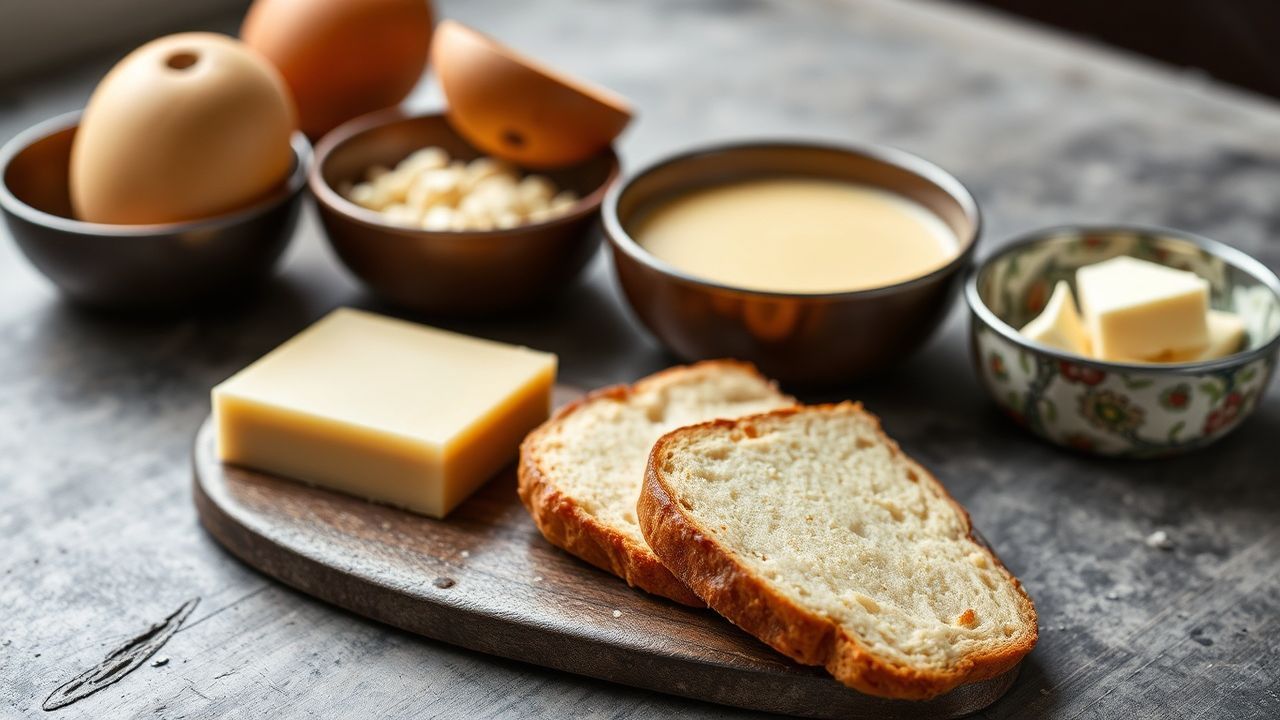

Fat carries more than flavor. It locks moisture, protects against oxidation, and alters texture at the molecular level. Professional cooks use fat deliberately to preserve foods and to produce tender, satisfying results.
- Fat shields food: it limits air exposure and slows spoilage.
- Fat softens proteins: it infiltrates fibers and helps break down collagen.
- Fat amplifies flavor: it stores and releases aroma compounds efficiently.
- Use technique: rendering, basting, and emulsifying maximize fat’s benefits.
How fat preserves food
Fat creates a physical barrier that reduces exposure to oxygen and microbes. When you coat or confit food in fat, you slow oxidation and dehydration and extend shelf life.
Animal fats and vegetable oils differ in stability and flavor. For context on animal-derived fats, see animal fat and refer to rendering techniques in our rendering fat guide.
How fat tenderizes meat
Fat penetrates muscle and connective tissue during slow cooking. It lubricates fibers and helps heat break down collagen into gelatin, which yields a tender bite and a richer mouthfeel.
Heat and time govern this process: low-and-slow methods let fat migrate and collagen dissolve without toughening proteins. For theory on fats and cell structure, see lipid basics.
Practical recipe and timing
This section pairs the science with a tested roast recipe that demonstrates preservation and tenderizing in practice. Follow technique closely: sear, slow-cook, and finish with a fat-based sauce.
Prep and cook times suit a medium-complexity home project. The method stresses fat management—render, retain, and integrate fats to gain both shelf stability and texture.
Prep and Cook Time
Prep Time: 20 minutes. Cook Time: 40 minutes. Use active heat control during searing to avoid burning the fat.
Total Time: 1 hour. Resting time counts toward final tenderness; do not skip rest.
Yield
Serves 4 generously. Portioning influences reheating and preserving outcomes; slice and store with a thin fat layer to extend freshness.
Leftovers keep better when covered with sauce or fat and chilled promptly.
Difficulty Level
Medium. This recipe requires basic searing and an understanding of low-heat braising. Maintain steady, low oven or stovetop temperature to let fat do its work.
Recommended for cooks ready to refine technique. See our companion notes on choosing fats in best fats for cooking.
Ingredients
Use well-marbled cuts and quality fats to maximize preservation and tenderness. Quality of fat affects flavor, melting behavior, and stability during cooking.
- 1.5 lbs (680 g) beef chuck roast, well-marbled
- 2 tbsp unsalted butter, softened
- 2 tbsp olive oil
- 3 garlic cloves, minced
- 1 tbsp fresh rosemary, chopped
- 1 tsp smoked paprika
- Salt and freshly ground black pepper, to taste
- 1 cup beef broth, low sodium
- 2 medium onions, sliced thin
- 1/2 cup heavy cream
Note: if you avoid dairy, substitute suitable plant fats with stable behavior under heat. See the notes below for alternatives.
Instructions
Sequence matters. Dry the meat, season it, sear to develop crust, then slow-cook with retained fat to allow penetration and collagen breakdown.
Finish by enriching pan juices with cream or additional butter for mouthfeel. Strain and cool properly if you plan to store the dish under a protective fat layer.
- Prepare the beef: Pat the roast dry and season with salt, pepper, smoked paprika, and half the rosemary to ensure even seasoning.
- Heat the fat base: Warm olive oil and 1 tbsp butter in a heavy skillet until shimmering. A fat blend helps flavor and browning performance.
- Sear the beef: Sear on all sides until a deep golden-brown crust forms, about 3–4 minutes per side. Browning concentrates flavor via the Maillard reaction.
- Sauté aromatics: Reduce heat to medium and cook garlic and onions until soft and caramelized, about 6–8 minutes. The fat carries aromatic compounds into the sauce.
- Deglaze with broth: Add beef broth to lift fond and dissolve concentrated flavors. Stir and scrape the pan bottom to incorporate browned particles.
- Slow cook and infuse: Return beef with rendered fat. Cover and simmer gently or use a 300°F (150°C) oven for 30–40 minutes until fork-tender. Slow heat allows fat to penetrate fibers and collagen to convert to gelatin.
- Finish the sauce: Remove the beef to rest. Stir cream and remaining butter into pan juices and reduce until slightly thickened for a silky finish.
- Serve: Slice against the grain and spoon sauce over the meat. Garnish with the remaining rosemary for a fresh contrast.
Chef’s Notes
Choose fats based on desired flavor and melting point. Butter adds sweetness and gloss; olive oil contributes a fruity note and stability.
Animal fats like lard and tallow perform well for sealing and preservation. For more on emulsions and fat behavior, consult the emulsifier reference.
- For dairy-free cooking, use coconut milk and refined coconut oil for richness and mouthfeel.
- Always rest meat after cooking to let juices and fat redistribute; this step increases tenderness and juiciness.
- Use well-marbled cuts for maximum natural fat; for lean cuts, consider adding rendered pork fat or frequent basting.
When storing, cool food quickly and keep below 5°C to limit bacterial growth. Fat reduces oxidation but does not replace proper refrigeration.
Serving suggestions
Serve slices over buttered mashed potatoes or roasted roots to complement richness. Fresh herbs or a dressed bitter green cuts through fat and refreshes the palate.
Light vinaigrettes, pickled vegetables, or acid-based condiments balance the dish and reduce the perception of heaviness while highlighting tender texture.
Nutritional snapshot
This recipe yields a high-protein, moderate-carbohydrate plate with substantial fat content. Tailor portions and fat choices to fit dietary goals.
| Nutrient | Amount per Serving |
|---|---|
| Calories | 530 kcal |
| Protein | 45 g |
| Carbohydrates | 8 g |
| Fat | 35 g |
Explore related technique articles such as our rendering fat guide and a primer on choosing cooking fats for further skill-building.
FAQ
Why does fat improve flavor?
Fat dissolves and carries flavor compounds, releasing them as you eat. This transport of volatile aromas makes herbs, spices, and browned surfaces more intense.
Fats also coat the tongue, prolonging flavor release and enhancing perceived richness.
How does fat slow spoilage?
When food is submerged in or coated with fat, the surface sees less oxygen and moisture loss. This reduces oxidative rancidity and surface dehydration.
Combine fat coverage with refrigeration for safe, extended storage; fat alone is not a sterilization method.
Which fats are best for slow cooking?
Choose fats with stable melting behavior and a flavor that complements the dish. Tallow, lard, butter, and medium-stability vegetable oils all work, depending on taste goals.
For neutral preservation use rendered animal fats; for aromatic results, select olive oil or butter according to the recipe.
Can I get tenderness without high fat content?
Yes. Acids, enzymes, mechanical tenderizing, and proper low-and-slow heat also break down connective tissue. Fat accelerates lubrication and mouthfeel but is not the sole route to tenderness.
Combine modest fat with acids or slow braise to turn lean cuts into tender dishes.
Where can I learn more about fat chemistry?
Authoritative resources include texts on lipid chemistry and culinary science. For quick reference on rendering methods and emulsification, see the linked Wikipedia pages for rendering and emulsification.
Apply tested technique frequently to refine your sense of fat behavior across recipes.
Fat remains a tool. Use it with intention: select the right type, control temperature, and apply storage best practices to preserve and tenderize reliably.
See also: Fat