
The Sweet Science: How Sugar Creates a Glassy Crust
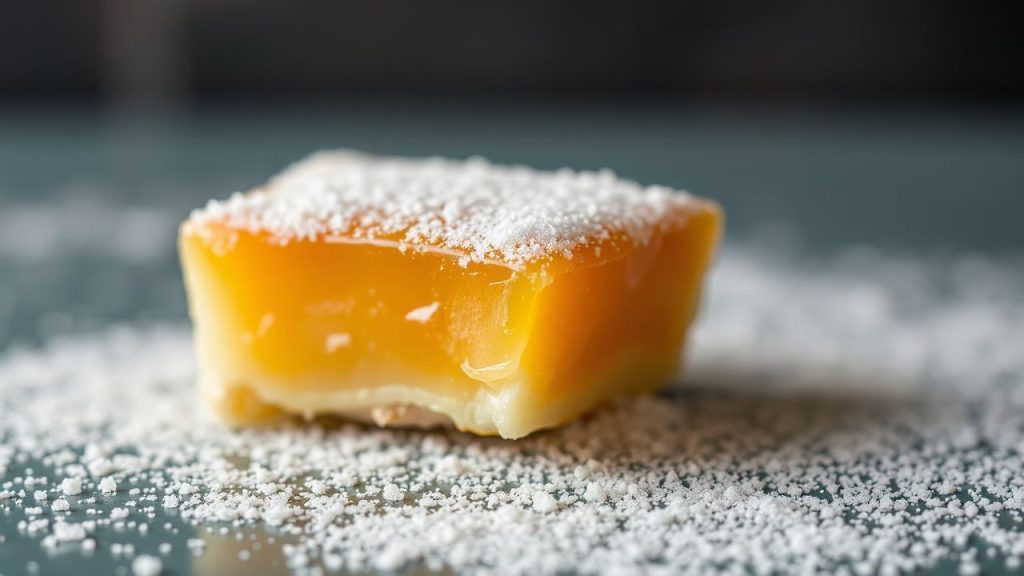
Sugar transforms from a dry crystal into a hard, translucent shell by precise heat and timing. This change yields a glossy, brittle surface that amplifies texture and flavor on many desserts.
- The chemistry behind the glassy crust
- Ingredients and why they matter
- Step-by-step technique for a flawless crust
- Tips for success and common errors
- Serving suggestions and professional uses
- Instructions (concise professional workflow)
- FAQ
- What is the glassy crust and why does it form?
- Which temperatures produce the clearest crust?
- How do I stop sugar from crystallizing?
- Can I make decorative sugar pieces ahead of time?
- Is the glassy crust only for desserts?
- In summary
- Glassy surface forms when sugar becomes an amorphous solid rather than recrystallizing.
- Temperature control (typically 320–340°F) determines clarity and snap.
- Anti-crystallants such as corn syrup or acid keep the finish smooth.
- Thin pours cool into clear, glass-like shells ideal for decorations.
The chemistry behind the glassy crust
The glassy crust results when heated sugar loses water and polymerizes into an amorphous, non-crystalline solid. This state differs from crystalline sugar and produces a clear, brittle layer with high gloss.
Caramelization and the formation of sugar glass are distinct but related processes. See caramelization for the thermal breakdown of sugars and sugar glass for how molten sugar solidifies into a glassy structure.
Melting, dehydration, and polymerization
First, sucrose dissolves into water and then melts as the solution concentrates. As temperature rises, molecules reorganize and link; water evaporates and the matrix becomes amorphous.
Refer to fundamental sugar chemistry on sucrose to understand why breakdown products (glucose and fructose) affect viscosity and clarity.
Amorphous solids and glass behavior
An amorphous sugar film behaves like a glass: rigid, brittle, and transparent when cooled properly. The film’s microstructure controls light transmission and snap.
For technical context on glassy states, consult glass transition literature; sugar systems show related transitions that bakers exploit to form clear shells.
Ingredients and why they matter
Choice of sugar, presence of invert sugars, and minor acids change melting behavior. Each ingredient shifts boiling point, viscosity, and the risk of recrystallization.
Common practised combinations include granulated sugar, a small percentage of corn syrup, and a few drops of acid. These reduce sucrose re-crystallization and promote a clearer finish.
Sugar types and expected outcomes
Granulated sucrose melts predictably; superfine sugar dissolves faster and favors even melting. Invert sugars (from acid or glucose syrup) lower the freezing point of the solution and improve clarity.
Use the right sugar for the application: thin, clear decorations tolerate higher glucose ratios, while classic caramel toppings prefer cleaner sucrose profiles for flavor balance.
Step-by-step technique for a flawless crust
Start with measured ingredients and a heavy-bottomed pan to ensure even heat. Dissolve sugar fully in water and heat gently before increasing to a controlled boil.
A candy thermometer or an accurate infrared gun helps you hit the target range. Aim for a clear melt and then watch for color change as you approach 320–340°F (160–171°C).
Practical pouring and cooling
Remove the pan promptly as the desired temperature is reached. Pour swiftly onto a greased silicone mat, parchment, or prepared molds to form a thin, even sheet.
Allow the sugar to cool undisturbed at room temperature. Thinner pours harden faster and yield superior transparency and better snap when broken into shards.
Tips for success and common errors
Precision prevents defects. Small temperature overshoots cause ambering and bitter notes; premature stirring after boiling can seed crystals and ruin clarity.
Also, humidity degrades outcomes. Work in a low-humidity environment and finish sugar work quickly to avoid moisture uptake that produces tackiness.
When crystallization appears, stopping and restarting is often faster than attempting fixes. Small additions of corn syrup reduce recrystallization risk, while acid promotes inversion and smoothness.
Preventing and correcting crystallization
Prevent crystals by avoiding sugar contact with undissolved granules or dust. Do not stir once the mixture boils; instead, swirl gently if needed to distribute heat.
If crystallization starts, discard and start again. Reheating crystallized sugar rarely restores clarity without adding significant amounts of invert sugar and straining impurities.
Serving suggestions and professional uses
Glassy sugar crust works as a structural and decorative element on desserts such as tarts, custards, and plated compositions. The contrast between a brittle shell and a soft interior creates a memorable textural interplay.
Break cooled sheets into shards for topping ice cream, mousses, or plated desserts. For showpieces, use molded sugar from controlled pours and finish edges with a flame to smooth micro-burrs.
For related techniques and extended recipes, read our internal guide on caramelization techniques or explore design-focused steps in sugar art. These internal resources expand applications from toppings to sculptural pieces.
Instructions (concise professional workflow)
1. Combine 1 cup granulated sugar, ¼ cup light corn syrup, and ½ cup water in a heavy pan and dissolve over medium heat. Use a heavy pan to reduce hot spots and uneven caramelization.
2. Attach a thermometer and stop stirring once the solution begins to simmer. Heat to the target temperature range of 320–340°F (160–171°C), then remove immediately to preserve clarity and prevent bitter notes.
3. Pour onto a greased silicone mat or into molds. Tilt the mat for a thin sheet or spoon molten sugar into molds for decorations. Cool at room temperature until fully set.
FAQ
What is the glassy crust and why does it form?
The glassy crust is a hard, transparent sugar layer formed when a concentrated sugar solution cools into an amorphous solid. It forms when sugar molecules avoid recrystallizing during cooling, producing a uniform glass-like sheet.
Which temperatures produce the clearest crust?
Clarity and snap often occur between 320–340°F (160–171°C). Lower temperatures may not fully dehydrate the film, while higher temperatures increase ambering and off-flavors.
How do I stop sugar from crystallizing?
Use invert sugars such as corn syrup or a small acid addition (e.g., lemon juice or cream of tartar) to break sucrose into glucose and fructose. Also, avoid stirring once the mixture boils and keep equipment clean.
Can I make decorative sugar pieces ahead of time?
Yes. Store fully cooled sugar pieces in an airtight container with desiccant packets in a low-humidity area. Moisture will soften and cloud the decorations, so storage conditions are critical.
Is the glassy crust only for desserts?
While most common in desserts, glassy sugar appears in candy work, showpieces, and as a coating or crisp shell on savory elements in modern cuisine. Adjust sweetness and thickness to suit the application.
In summary
Sugar creates a glassy crust when precise heat, controlled composition, and careful pouring prevent recrystallization. Mastering the variables—temperature, sugar type, and anti-crystallants—lets you produce consistent, glossy, brittle finishes for both functional and decorative uses.
Practice with small batches, record temperatures and outcomes, and consult the linked technical references to refine your technique toward professional-level results.
See also: glassy crust