
By using this site, you agree to the Privacy Policy and Terms of Use.
Accept
CookOrBitCookOrBitCookOrBit
  • Home
  • About Us
  • Ingredient Science
    • Flavor & Aroma
    • Protein Chemistry
    • Sugar & Starch
    • Fats & Emulsions
  • Cooking Techniques
    • Searing & Grilling
    • Baking & Roasting
    • Boiling & Steaming
    • Low & Slow
  • Kitchen Experiments
    • DIY Ferments
    • Flavor Tests
    • Gadget Testing
    • Molecular Gastronomy
  • Food Myths
    • Searing Myth
    • 5-Second Rule
    • MSG Myths
    • Microwave Myths
  • Tools
  • More
    • Extra Picks
    • Quick & Easy
      • Breakfast Ideas
      • Desserts
      • Snacks
      • Soups
    • Global Flavors
      • Asian Street Eats
      • Latin Comforts
      • Mexican Flavors
      • Modern Mediterranean
CookOrBitCookOrBit
  • Home
  • About Us
  • Ingredient Science
  • Cooking Techniques
  • Kitchen Experiments
  • Food Myths
  • Tools
  • More
Search
  • Home
  • About Us
  • Ingredient Science
    • Flavor & Aroma
    • Protein Chemistry
    • Sugar & Starch
    • Fats & Emulsions
  • Cooking Techniques
    • Searing & Grilling
    • Baking & Roasting
    • Boiling & Steaming
    • Low & Slow
  • Kitchen Experiments
    • DIY Ferments
    • Flavor Tests
    • Gadget Testing
    • Molecular Gastronomy
  • Food Myths
    • Searing Myth
    • 5-Second Rule
    • MSG Myths
    • Microwave Myths
  • Tools
  • More
    • Extra Picks
    • Quick & Easy
    • Global Flavors
Follow US
  • Advertising Policy: 10 Practical Rules for Safe, Compliant Ads
  • Contact Us
  • Cookie Policy: Clear Guide for Site Owners
  • Copyright Notice Guide: 7 Essential Rules for Website Owners
  • Disclaimer
  • Privacy Policy
  • Terms of Service
By Fimaw.com
- Unfolding Flakiness: The Science Behind Perfect Puff Pastry
CookOrBit > Blog > Ingredient Science > Sugar & Starch > Unfolding Flakiness: 7 Proven Steps for Perfect Puff Pastry
Sugar & Starch

Unfolding Flakiness: 7 Proven Steps for Perfect Puff Pastry

William J. Kroll
By William J. Kroll
Published: November 1, 2025
Share
SHARE

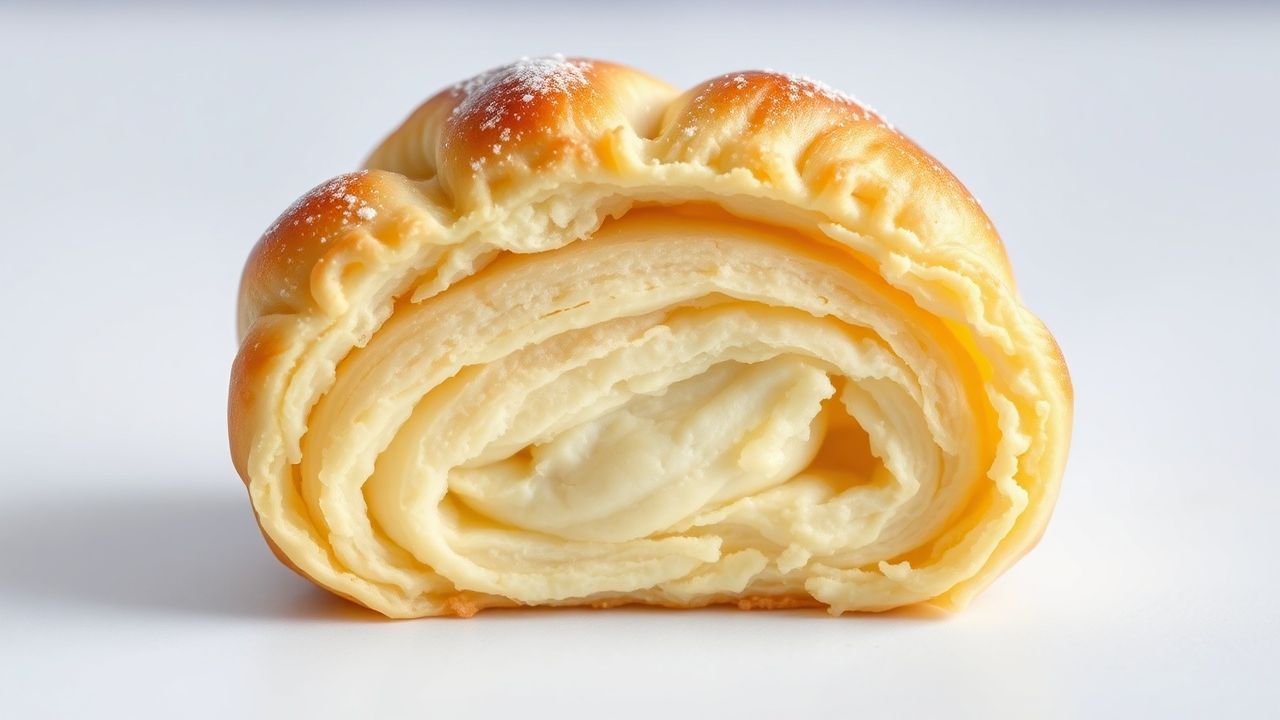
Beneath the golden, flaky surface of perfect puff pastry lies precise physics and practiced technique. Layers of dough and butter separate and expand in the oven, producing the crisp, airy structure bakers seek.

Contents
  • Essentials of Puff Pastry Structure
    • Lamination and Layer Geometry
  • Ingredient Science: Flour, Fat, and Water
    • Role of Gluten and Dough Strength
  • Temperature Control and Handling Protocols
    • Practical Temperature Targets
  • Step-by-Step Method That Produces Reliable Layers
  • Troubleshooting Common Failures
  • Advanced Adjustments and Pro Techniques
    • Make-Ahead and Freezing
  • Serving, Fillings, and Applications
  • Nutrition Snapshot
  • FAQ
    • How many folds produce optimal layers?
    • Can I use margarine instead of butter?
    • Why does my pastry become greasy?
    • Is laminating by hand better than machine lamination?
    • How hot should the oven be?
  • Key control points: cold butter, measured folds, and precise resting.
  • Timing matters: short active work periods with frequent chilling produce the best lift.
  • Steam-driven lift: trapped moisture creates separation and puff.

Essentials of Puff Pastry Structure

Puff pastry depends on distinct sheets of dough separated by solid butter. When the butter melts and produces steam during baking, it forces the layers apart and creates volume.

For a technical overview of laminated pastries, consult the puff pastry entry on Wikipedia for puff pastry. That resource summarizes layer geometry and historical technique succinctly.

- Advertisement -

Lamination and Layer Geometry

Lamination multiplies layers by geometric folding. Each letter fold or book fold increases the number of alternating dough-and-fat layers exponentially, which directly affects flake count and rise.

Maintain clean edges and even thickness when rolling; uneven sheets produce trapped pockets of butter and irregular puff. For visual comparison, see the croissant-vs-puff guide in our internal resources: Croissant vs Puff Pastry Guide.

Ingredient Science: Flour, Fat, and Water

Choose low-to-moderate protein flour to limit gluten extensibility while retaining enough structure to hold steam pockets. Overdeveloped gluten makes the pastry tough rather than flaky.

- Advertisement -

Understand the fat: butter contains water and milk solids; those components generate steam and flavor. Read more about butter at Wikipedia for butter to appreciate its melting profile and water content.

Role of Gluten and Dough Strength

Gluten provides tensile strength so layers can separate without tearing. However, excessive mixing or hot handling increases gluten formation and reduces tenderness.

Resting the dough relaxes gluten and prevents elastic recoil during final baking. The concept of gluten structure is summarized at Wikipedia for gluten.

- Advertisement -

Temperature Control and Handling Protocols

Temperature control drives success. Cold, firm fat keeps layers distinct; warm butter disperses and ruins lamination. Work quickly and chill often to maintain contrast between dough and fat.

A chilled environment also prevents butter smearing into surrounding dough. Use short working phases, and refrigerate between folds to re-solidify the butter and relax the gluten network.

Practical Temperature Targets

Aim for work-surface temperatures below 18°C (65°F) if possible; keep butter at fridge-cold firmness. If a butter block softens, re-chill it before proceeding to the next fold.

Preheat the oven fully and consider a preheated baking steel or tray to deliver immediate heat to the pastry base. For general principles, consult the baking overview at Wikipedia for baking.

Step-by-Step Method That Produces Reliable Layers

Follow a measured sequence: mix dough gently, encase butter, perform a series of folds, and maintain consistent chilling. This creates predictable layer counts and even rise.

Work in three or four turns of folding: a classic routine uses a single turn followed by two or three letter folds, with 20–30 minute chills between each. Longer final chilling (60–90 minutes) improves lift.

  1. Mixing: Combine flour and salt, then add water sparingly. Keep the dough shaggy and cool; do not knead.
  2. Butter Enclosure: Flatten a cold butter slab to a uniform thickness and encase it in the dough rectangle.
  3. Turns and Chills: Roll to length, fold (letter or book fold), wrap, and chill. Repeat the sequence for the targeted number of layers.
  4. Final Rest: Chill at least 1 hour after the last fold before rolling for shaping and baking.

For additional technique tutorials, see our internal reference on lamination: Lamination Techniques.

💡 Expert Insight
Expert Insight: Score the final dough lightly if you need controlled expansion paths; this yields taller, cleaner layers for shapes like turnovers and vol-au-vents.

Troubleshooting Common Failures

When pastry collapses or lacks lift, the usual culprits are warm butter, overworking, or insufficient oven heat. Diagnose by checking butter distribution and oven temperature stability.

If butter has smeared, you will see streaks rather than laminar separation. Re-chill and rework only if the structure still holds a central fat envelope. Avoid re-rolling repeatedly; that thins and blends layers.

⚠️ Pro-Caution
Pro-Caution: Do not bake puff pastry from dough that has been repeatedly heated or left at room temperature for long periods. Melted fat reduces steam generation and can produce greasy, dense results.

Advanced Adjustments and Pro Techniques

Experienced bakers manipulate hydration and fat content to tune texture. Slightly lower hydration tightens layers; slightly higher hydration can create a more open crumb if handled correctly.

Use European-style butter for higher fat content and stronger flavor. Alternatively, blending a small percentage of high-melting-point fat can stabilize laminates in warm kitchens, but expect subtle flavor changes.

Make-Ahead and Freezing

You can freeze laminated dough after the final chill. Wrap airtight and freeze flat; thaw overnight in the refrigerator before shaping to preserve layering integrity.

For commercial timelines, batch-prep dough and bake from chilled or slightly chilled state to retain consistent oven spring across shifts.

Serving, Fillings, and Applications

Puff pastry adapts to sweet and savory uses: tarts, turnovers, palmiers, and layered appetizers. Keep fillings light so steam can separate layers rather than weigh them down.

Brush finished pieces with glazes for shine, or dust with sugar after baking for contrast. For layered laminated bread like croissants see our internal comparison: Croissant vs Puff Pastry Guide.

Nutrition Snapshot

Per serving, puff pastry is energy-dense due to butter and flour. Balance portions with fresh fruit or protein-based fillings for a more nutrient-dense plate.

Nutrient Per Serving
Calories ≈220 kcal
Protein ≈3 g
Carbohydrates ≈15 g
Fat ≈16 g

FAQ

How many folds produce optimal layers?

Two to three letter folds (creating roughly 27–81 layers depending on technique) balance work time and reliable puff. More folds increase layers but require precise chilling to avoid smearing.

Can I use margarine instead of butter?

Substitutes affect melting profiles and water content. Margarine can work but will alter flavor and steam production. For classic lift and taste, butter remains the best option.

Why does my pastry become greasy?

Greasy pastry indicates fat meltdown into the dough pre-bake. Reduce handling heat, chill frequently, and ensure the butter stays as a discrete block until oven time.

Is laminating by hand better than machine lamination?

Hand lamination gives fine control for artisanal batches; sheeting machines offer consistency at scale. Both can produce excellent results when temperature and timing are controlled.

How hot should the oven be?

Preheat to 200–220°C (400–425°F) for rapid steam generation. A hot initial environment encourages fast lift before significant fat loss.

See also: puff pastry
Cassoulet Revealed: 7 Time-Tested Techniques for Perfect Results
7 Expert Tips for Hearty Beef and Potato Hash: A Savory Classic
Perfect Rice: 9 Expert Techniques for Flawless Grains
12 Pro Techniques for Flawless Turkey Stew
10 Pro Techniques to Master Deep Frying for Perfect Crisp
TAGGED:andbaking sciencebutter temperaturedoughdough handlinggluten controlLaminated doughPastry laminationPuff pastrysciencetheunfolding
Share This Article
Facebook Pinterest Whatsapp Whatsapp LinkedIn Telegram Threads
What do you think?
Love1
Sad0
Happy0
Sleepy0
Angry0
Dead0
Wink0
Previous Article - Protein Powder Magic: Boosting Recipes with Power and Taste Protein Powder Magic: 7 Proven Ways to Boost Recipes with Power and Taste
Next Article - Unlocking Cocoa Butter's Melting Point: Key to Texture Magic Cocoa Butter Melting Point: 7 Proven Techniques to Master Texture
Creamy Garlic Chicken with melted Parmesan and fresh herbs on a rustic white plate
Garlic Chicken: 7 Ultimate Brilliant Recipes to Make the Best-Ever Creamy Garlic Chicken with Parmesan & Fresh Herbs
Extra Picks
Colorful bowls of Leftover Couscous transformed into salads, fritters, and stuffed peppers.
12 Amazing Practical Leftover Couscous Ideas: Brilliant Ways to Reuse and Remix
Uncategorized
Colorful jars of spice blends beside steaming couscous with herbs and lemon
7 Ultimate spice blends That Transform Your Couscous — Amazing Best Flavor Boosts
Uncategorized
Bowls of gluten-free couscous alternatives: quinoa, millet, cauliflower, and rice
10 Amazing couscous alternatives: Best Gluten-Free Swaps for Incredible Flavor
Uncategorized

Tags

and art baked baking science baking techniques Baking tips batch cooking beef behind browning techniques butternut squash caramelization cast iron skillet chemistry chicken comfort food Cooking science cooking technique Cooking techniques Cooking tips crafting creamy creamy soup crispy culinary science fish flavor flavor chemistry food food safety Food science for garlic golden Ground turkey hearty heat high-heat cooking high protein meals how instant read thermometer Lean protein magic Maillard reaction make ahead meals make ahead soup mastering meal prep Meal prep recipes meat thermometer microwave microwave cooking moisture control one pot meals Pan searing perfect perfectly Plant based protein Probe thermometer protein denaturation Quick dinners roasted roasted squash roasted tomato soup Roasted vegetables Roasting techniques savor savory science Searing technique Searing techniques secrets slow cooking squash steak steak cooking sweet temperature control the top turkey turkey soup turkey stew ultimate umami cooking umami flavor unlock unlocking unveiling vegetable velvety weeknight dinner Weeknight dinners weeknight meals what when why with your zesty
April 2026
M T W T F S S
 12345
6789101112
13141516171819
20212223242526
27282930  
« Mar    

You Might Also Like

- Unlocking the Mystery of Indirect Heat: Cooking's Hidden Sec
Extra Picks

Unlock Indirect Heat: 8 Expert Ways to Cook Juicy Meats

William J. Kroll
William J. Kroll
October 1, 2025
Savor the Perfect Beef and Broccoli Skillet: Quick & Tasty
Extra Picks

25-Min Beef Broccoli Skillet: Fast, Flavorful Weeknight Recipe

William J. Kroll
William J. Kroll
December 31, 2025
كاسترد كثيف يوضح تخثر بروتينات البيض أثناء الطهي والعلم وراءه
Protein Chemistry

Custard Secrets: 7 Science-Proven Steps to Perfect Coagulation

William J. Kroll
William J. Kroll
August 31, 2025
Unlocking Flavor: The Science Behind a Tender Steak
Protein Chemistry

Unlocking Flavor: 7 Science-Proven Steps to a Tender Steak

William J. Kroll
William J. Kroll
January 17, 2026
- The Science Behind Batter Cooking: Speedy Sizzle Secrets
Microwave Myths

10 Rapid Batter-Cooking Secrets for Perfect Crisp

William J. Kroll
William J. Kroll
October 29, 2025
- Master the Art: Stop Oatmeal from Boiling Over Easily
Microwave Myths

Stop Oatmeal Boilover: 7 Proven Ways That Always Work

William J. Kroll
William J. Kroll
October 29, 2025
Follow US
By Fimaw.com © All Rights Reserved.
  • Advertising Policy: 10 Practical Rules for Safe, Compliant Ads
  • Contact Us
  • Cookie Policy: Clear Guide for Site Owners
  • Copyright Notice Guide: 7 Essential Rules for Website Owners
  • Disclaimer
  • Privacy Policy
  • Terms of Service
Welcome Back!

Sign in to your account

Username or Email Address
Password

Lost your password?