

Unlocking Cocoa Butter’s Melting Point: Key to Texture Magic
Cocoa butter is the fat that defines chocolate mouthfeel and delivers silky glide in skincare. Its melting range sits just below human body temperature, and that precise window dictates snap, sheen, and sensation.
- Melting window: cocoa butter melts near 34–38°C, crucial for texture control.
- Crystal forms: stable beta crystals give gloss and snap.
- Tempering matters: controlled heating and cooling lock desirable crystals.
- Practical gains: small temperature shifts change mouthfeel and application.
Overview: Why Melting Point Matters
The melting behavior of cocoa butter determines how chocolate releases flavor and how a balm spreads on skin. Manufacturers manage that phase change to tune sensory outcomes.
In practical terms, a formulation that melts too low feels greasy; one that melts too high feels waxy. Controlling the melting point gives predictable texture and shelf stability.
Key Measurements and Timing
Accurate temperature control is non-negotiable. Use a calibrated digital thermometer and track both heating and cooling ramps to the degree.
Typical session times vary. Small-batch tempering and cosmetic mixing take 20–30 minutes once you have prepped ingredients and equipment.
Ingredients and Tools
Quality inputs and the right tools reduce variability. Use high-grade cocoa butter and, for chocolate, couverture with known cocoa butter content.
Essential tools include a double boiler or bain-marie, a calibrated thermometer, a silicone spatula, and molds or jars sized to your output. Consider a magnetic stirrer for repeatable lab-like mixing.
Step-by-Step Instructions
Begin by melting the cocoa butter gently, avoiding localized overheating. Heat slowly to preserve desirable crystal forms.
Temperatures commonly used in small-scale chocolate work are: melt to 40–45°C, cool to ~27°C to seed stable crystals, then reheat to ~31°C before molding. These ranges produce Form V (beta) crystals widely accepted as optimal for texture.
- Set up a double boiler: Place a heat-safe bowl over simmering water with minimal steam contact. Add chopped cocoa butter and stir until liquefied around 40–45°C.
- Monitor temperature: Watch for spikes above 46°C; excessive heat destroys desirable crystal nuclei.
- Seed or fold: For chocolates, add finely chopped tempered couverture to promote uniform crystallization. For cosmetics, add lecithin and actives at lower temperatures.
- Cool to set crystals: Stir while cooling to 26–27°C to encourage Form V nucleation, then gently reheat to working temperature (around 31°C for dark chocolate).
- Pour and settle: Fill molds or containers and allow slow, undisturbed setting at stable room temperature to preserve crystal integrity.
These steps mirror professional tempering practices and help lock in a predictable melting profile for both confectionery and cosmetic products.
Practical Tips for Consistent Texture
Small process changes create big sensory differences. Keep batch sizes consistent and avoid draughts or humidity shifts during crystallization.
Store finished goods at 18–20°C where possible. Refrigeration induces condensation and can cause fat bloom or textural changes.
[p]
Seeding speeds reliable crystallization. Add 1–2% finely grated tempered chocolate or pre-crystallized cocoa butter during cooling to act as nucleation points.
Formulation Notes: Chocolate vs. Cosmetic Uses
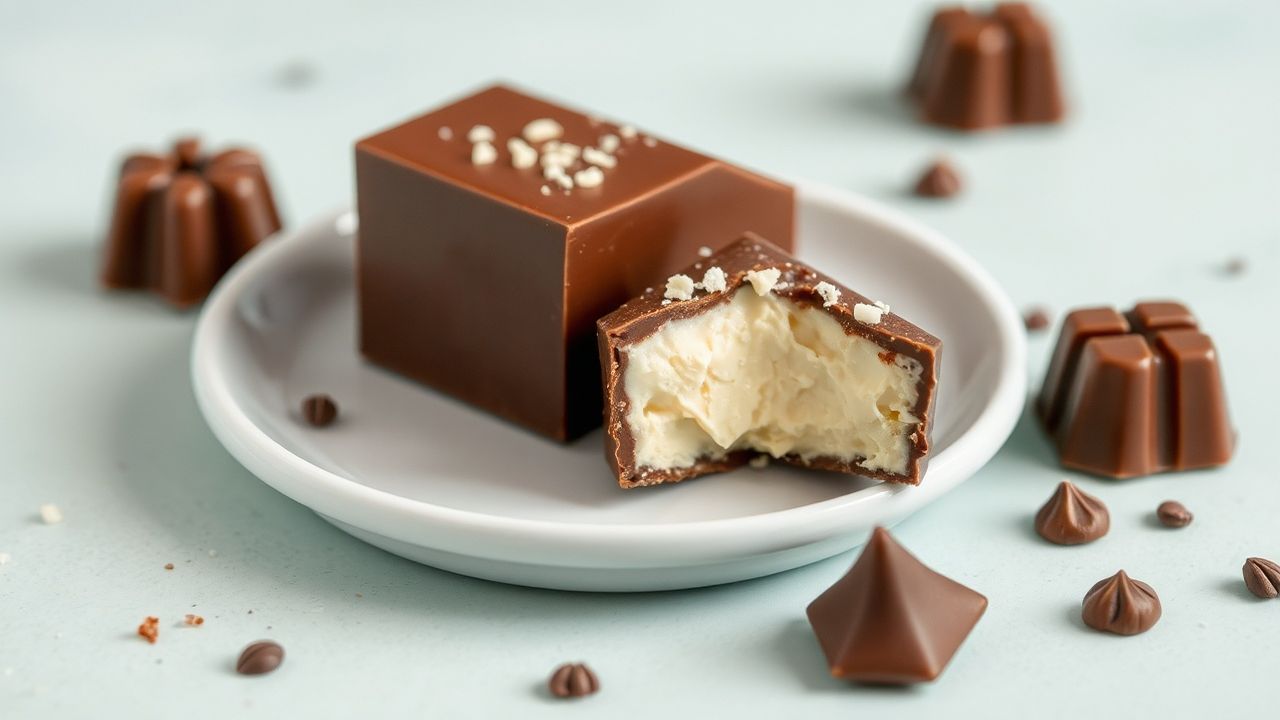
In chocolate, the goal is glossy surface, clean snap, and controlled melting in the mouth. That requires stable Form V crystals and minimal secondary polymorphs.
In cosmetics, feel and spreadability matter more than snap. Manufacturers often blend cocoa butter with carrier oils and emulsifiers like lecithin to lower perceived hardness while keeping a solid at room temperature.
Refer to material science principles such as crystallization and melting point to predict how additives will shift the thermal profile of your base.
Common Problems and Fixes
Grainy texture usually indicates improper crystallization or rapid cooling. Re-melting and re-tempering often resolves this by resetting the crystal landscape.
Fat bloom appears as a pale film on chocolate. It results from unstable crystals or storage above ideal temperature. Correct tempering and stable storage minimize bloom risk.
Address inconsistent batches by isolating variables: temperature profile, agitation speed, and ingredient temperature. Change only one factor per trial.
Serving and Packaging Guidance
Present chocolate at slightly below body temperature to highlight melt behavior and flavor release. For personal-use cosmetics, label containers with recommended storage and melt-range instructions.
Package bars in materials that minimize moisture ingress and thermal swings. For balms, choose tins or PET jars that protect from light and heat.
Resources and Further Reading
For technical context on tempering practice consult professional guides. For quick refreshers, see internal resources like Essential Tips for Tempering Chocolate and Chocolate Formulation Basics.
To ground laboratory-scale practice in foundational concepts, review the Chocolate tempering entry on crystallization behavior and crystal forms.
Nutrition Snapshot
When used in edible products, cocoa butter contributes primarily fat and calories. Adjust serving sizes and companion ingredients to meet nutrition targets.
| Nutrition | Per 30g Serving (Chocolate) | Per 10g Serving (Cosmetic Base) |
|---|---|---|
| Calories | 170 kcal | 90 kcal (not for ingestion) |
| Protein | 1.5 g | 0 g |
| Carbohydrates | 15 g | 0 g |
| Fat | 12 g | 10 g |
FAQ
What is the precise melting range of cocoa butter?
Cocoa butter melts in the range of roughly 34–38°C. The exact point varies with fatty acid composition and crystal form. That narrow window is why it liquefies on the tongue yet stays solid at room temperature.
Why does tempering affect texture so much?
Tempering directs which polymorphs form during solidification. The desired Form V crystals give glossy appearance, a firm but not brittle bite, and consistent melt behavior. Skipping tempering leaves a mix of forms and unpredictable texture.
Can I change the melting point for a softer or harder product?
Yes. Formulation changes such as blending with softer vegetable butters, adding oils, or adjusting crystal seeding can shift perceived hardness. Any change requires new stability testing to ensure shelf reliability.
How should I store tempered chocolate or cocoa butter products?
Store at a stable 18–20°C with low humidity and minimal light. Avoid refrigeration and high-heat exposure, which can cause bloom or texture changes.
Where can I explore more technical background on these processes?
Start with the Wikipedia entries on cocoa butter, chocolate tempering, and crystallization for foundational concepts, then consult specialized food science texts for laboratory methods.
Mastering cocoa butter’s melting point is a mix of precise temperature control, sound formulation choices, and repeatable process discipline. Apply the steps above and track results to refine your products batch by batch.
See also: Cocoa butter