

Beneath the elegance of every living cell lies a microscopic dance of molecules, each twisting and folding with precision to sustain the very essence of life. Among these molecular marvels, proteins stand as the unsung heroes-architects of structure, catalysts of change, and guardians of function. But what happens when this intricate choreography breaks down? When the delicate folds unravel, and the once-functional forms lose their shape? Welcome to the fascinating world of protein denaturation-a molecular tale where nature’s secrets are unfolded, revealing the fragility and resilience of life’s building blocks. In this article, we will journey into the heart of proteins to explore what denaturation truly means, why it matters, and how it touches everything from the food on our plates to the medicines in our hands.
Protein denaturation is a fascinating molecular phenomenon that transforms the very essence of life’s building blocks-proteins-by altering their intricate three-dimensional shapes. Imagine a delicate origami sculpture unfolding and reshaping with the slightest touch; this is the molecular dance behind protein denaturation that happens silently in your kitchen or laboratory, impacting texture, flavor, and biological activity.
Prep and Cook Time
Prep Time: 10 minutes
Cook Time: Variable depending on protein and method (from 5 to 30 minutes)
Yield
Serves 4 as a main dish or ingredient base
Difficulty Level
Medium – Understanding molecular changes adds nuance to everyday cooking
Ingredients
- 500g fresh chicken breast, sliced thinly
- 2 tablespoons lemon juice (acidulant to induce mild denaturation)
- 1 teaspoon sea salt
- 1 tablespoon olive oil
- 1 small onion, finely chopped
- 1 clove garlic, minced
- Fresh herbs (thyme or rosemary) for garnish
- Ice water bath (for halting denaturation)
Instructions
- Prepare the chicken: Rinse and pat dry the thin slices gently to preserve natural moisture; excess water can impact how proteins unfold.
- Apply acid: Toss the chicken with lemon juice and sea salt. This mild acidic environment begins unfolding protein chains, somewhat like ceviche preparation, revealing tender textures.
- Marinate for 10 minutes: Allow the acid to interact but avoid over-marinating, which can overly toughen proteins.
- Heat the olive oil: In a non-stick pan over medium heat, warm the oil until shimmering-this moderate heat preserves protein integrity better than extreme temperatures.
- Sauté aromatics: Add the onion and garlic, stir until translucent and fragrant, about 3 minutes.
- Cook the chicken: Add the marinated chicken strips and cook without overcrowding, about 5-7 minutes, turning gently to ensure even heat penetration.
- Check doneness: Protein denaturation is visible when chicken turns opaque and firms slightly, signaling structural change essential for safe consumption.
- Remove and rest: Transfer chicken to a plate and plunge briefly in an ice water bath to halt further denaturation. Resting helps re-stabilize proteins for a juicy bite.
- Garnish: Sprinkle with fresh herbs right before serving to add a burst of color and flavor complexity.
Tips for Success
- Use fresh, high-quality proteins as they react more predictably to environmental factors.
- Control heat carefully-excessive heat causes irreversible denaturation, leading to dryness or toughness.
- Experiment with different acids like vinegar or citrus to observe subtle changes in texture.
- For best results, marinate proteins in the fridge to slow the denaturation process slightly and maintain flavor balance.
- To reverse partial denaturation, briefly chilling proteins can help proteins refold but not always perfectly-important for dishes requiring delicate textures.
Serving Suggestions
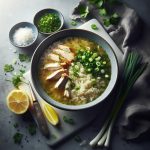
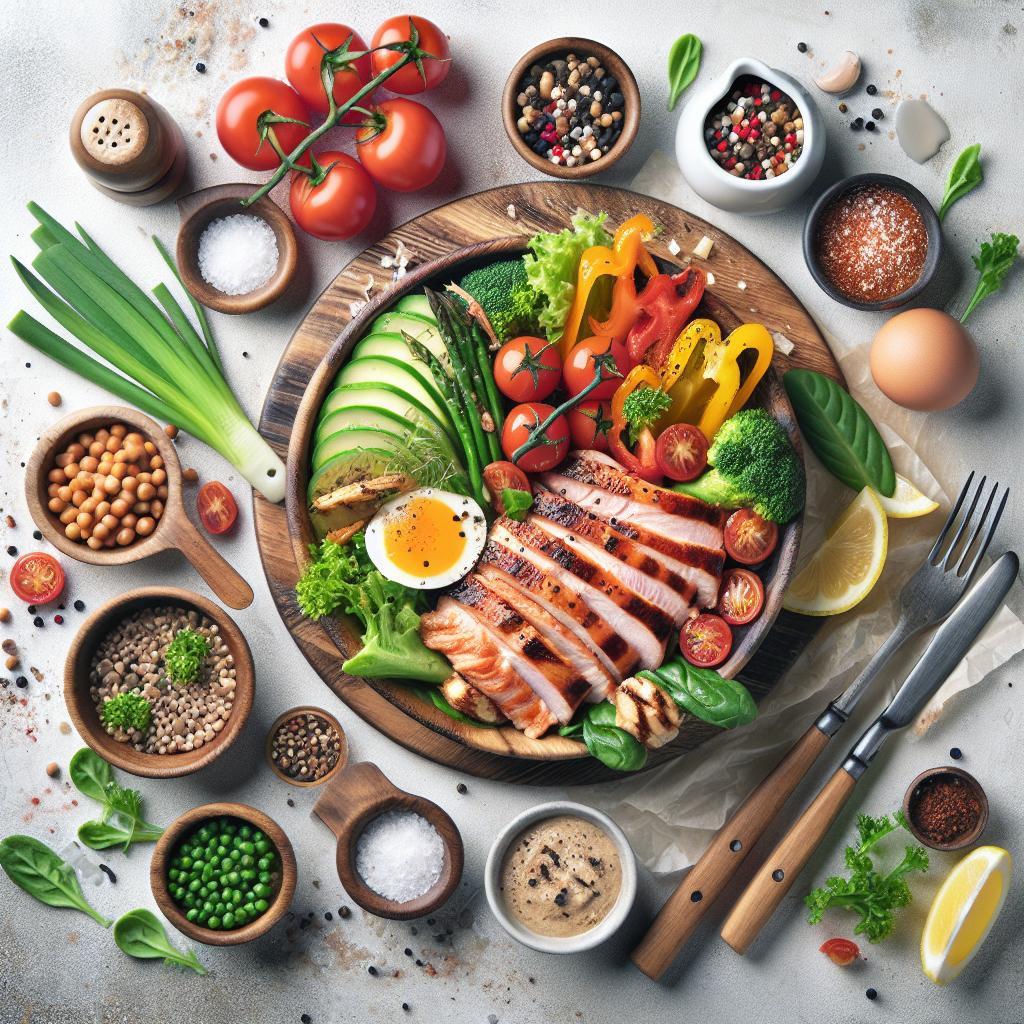
Serve your gently denatured chicken over a bed of buttery mashed potatoes or alongside lightly steamed seasonal greens to enrich the sensory contrast between tender and crisp textures. Drizzle with a lemon-herb vinaigrette to heighten fresh, vibrant notes. Garnish with edible flowers or microgreens for a stunning visual appeal that echoes the molecular elegance behind the dish.

| Nutrition per Serving | Calories | Protein | Carbs | Fat |
|---|---|---|---|---|
| Chicken (marinated & cooked) | 250 kcal | 45g | 1g | 5g |
For a deeper dive into how protein denaturation influences culinary science, visit National Library of Medicine. Don’t miss our related article on Cooking Techniques to Preserve Protein Integrity.
Q&A
Q&A: Unfolding Nature’s Secrets: What Is Protein Denaturation?
Q1: What exactly is protein denaturation?
A1: Imagine a beautifully folded origami crane suddenly unfolding into a flat sheet of paper-that’s protein denaturation in action. It’s the process where a protein loses its unique 3D shape due to external stress, such as heat, chemicals, or changes in pH, causing it to unravel and lose its usual function.
Q2: Why is the shape of a protein so important?
A2: Proteins are like tiny machines; their function depends on their shape. The folding of proteins creates specific active sites and structures necessary for biological activities such as catalysis, signaling, or structural support. When the shape is disrupted, the protein can no longer perform its job properly.
Q3: What can cause proteins to denature?
A3: Denaturation can be triggered by several factors, including high temperatures, extreme pH levels (very acidic or basic environments), exposure to chemicals like alcohol or detergents, and even mechanical forces. These changes break the weak bonds holding the protein’s shape together.
Q4: Is denaturation reversible or permanent?
A4: Sometimes denaturation is like a bad hair day-the protein can refold and recover if conditions return to normal. Other times, it’s more like burning a cake-once denatured, the protein’s structure is permanently lost, and it can’t return to its original form.
Q5: Can we see protein denaturation in everyday life?
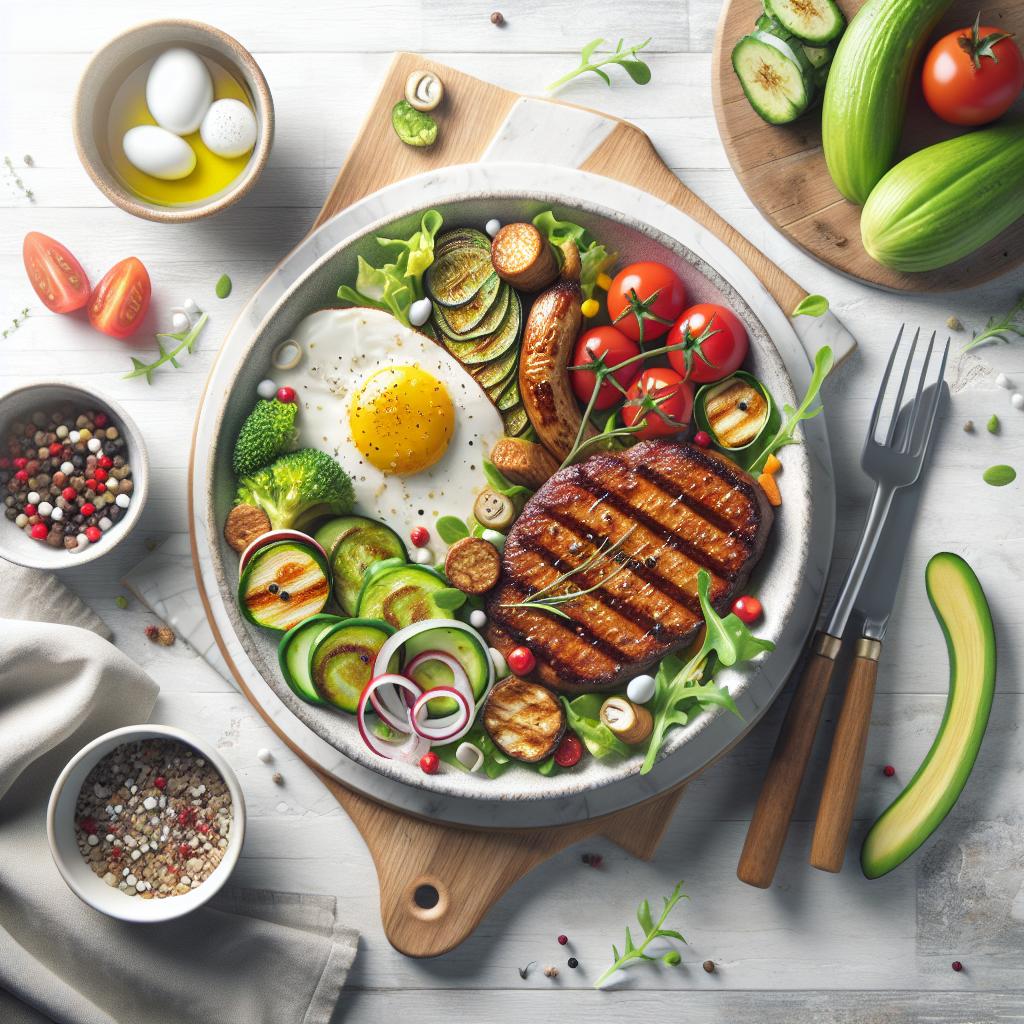
A5: Absolutely! Cooking an egg is a classic example: heat causes the egg white proteins to denature, turning them from a clear liquid into a white solid. This transformation showcases protein denaturation in a tasty, visible way.
Q6: Why do scientists care about denaturation?
A6: Understanding denaturation helps researchers grasp how diseases like Alzheimer’s develop, as misfolded proteins are often the culprits. It also plays a crucial role in pharmaceuticals, food science, and biotechnology, where manipulating protein folding can lead to breakthroughs.
Q7: How do cells prevent unwanted denaturation?
A7: Cells produce special helper proteins called chaperones, which assist other proteins in folding correctly and prevent them from misfolding or clumping together under stress. Think of chaperones as personal trainers for proteins, keeping them in shape.
Q8: Can denaturation ever be beneficial?
A8: Sometimes, yes! Denaturation can deactivate harmful proteins or enzymes, which is useful in sterilization and food preservation. It’s nature’s way of resetting malfunctioning proteins and controlling biological activities.
Unfolding the secret of protein denaturation reveals a crucial aspect of life’s molecular dance-a delicate balance where shape dictates function, and change can mean both loss and opportunity.
In Summary
As we close the chapter on the intricate dance of protein denaturation, we come to appreciate that this process is far more than a mere molecular mishap. It is a window into the delicate balance of life’s building blocks, revealing how proteins navigate the fine line between function and form. By unfolding nature’s secrets, we gain insight not only into the mysteries of biology but also into innovations in medicine, food science, and beyond. In understanding protein denaturation, we unlock a deeper story of transformation-one that echoes throughout the living world, reminding us that even in unraveling, there lies the potential for discovery.