
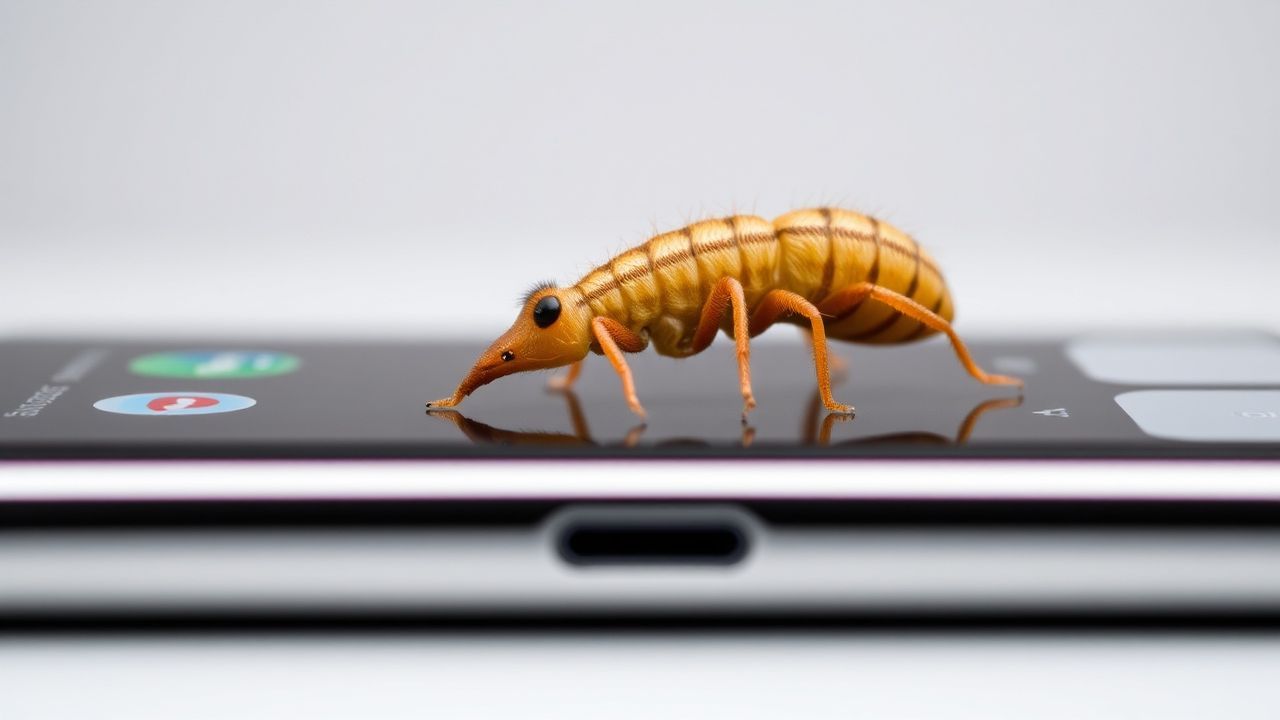

Our phones travel with us everywhere. They sit on surfaces, touch our faces, and ride in pockets, so they accumulate microbes quickly.
- Overview: Why test phone germs
- Prep and Clean Time
- Yield and Difficulty
- Ingredients Needed for Germ Testing and Cleaning
- Instructions for Detecting and Cleaning Phone Germs
- Chef’s Notes and Practical Tips
- Safety Considerations and Pro-Cautions
- Cleaning Tools and Accessories
- Practical Results: What to Expect
- Serving Suggestions for Your Clean Phone Routine
- FAQ
- Phones host diverse microbes: skin-associated bacteria and occasional environmental organisms.
- Simple swab-and-culture methods reveal colony counts that drop after proper cleaning.
- Safe disinfection uses 70% isopropyl or benzalkonium wipes and avoids harsh chemicals that damage screens.
- Regular cleaning and case choices reduce microbial load and infection risk.
Overview: Why test phone germs
Smart devices act as high-touch fomites that repeatedly transfer microbes between surfaces and skin. Research and routine testing show that mobile devices can carry bacteria at higher counts than some household surfaces.
Sampling your device provides objective data on contamination and validates cleaning choices. For background on the device type and how it interacts with humans, see smartphone.
Prep and Clean Time
Plan 15 minutes to set up swabs and plates, 24–48 hours for culture incubation, and 5–10 minutes for the actual cleaning step. The active hands-on time is short; the incubation phase requires patience and a controlled environment.
When you test, use gloves and a clean work surface to avoid sample contamination. Read general principles of microbiology before attempting culture work at home or in a community lab.
Yield and Difficulty
The expected yield is a single phone that shows reduced colony counts after cleaning. Difficulty ranges from easy (basic cleaning) to intermediate (sterile sampling and culturing).
If you lack laboratory equipment, you can still perform a practical cleaning routine and use commercial test services for quantification. For device-safe disinfectants, review guidance on antiseptic agents.
Ingredients Needed for Germ Testing and Cleaning
Collect sterile swabs, nutrient agar in a Petri dish, 70% isopropyl alcohol, microfiber cloths, antimicrobial wipes, optional UV-C sanitizers, and disposable gloves. These items let you sample and then reduce microbial load safely.
Only handle agar plates and incubators in an appropriate space. For a quick orientation to the culture vessel, see Petri dish.
Instructions for Detecting and Cleaning Phone Germs
1. Prepare and sample
Put on disposable gloves and open the sterile swab without touching the tip. Work on a clean table and avoid drafts or open food that could introduce foreign microbes.
Swab the screen, back, edges, and case seams with steady pressure. Use controlled strokes so your sample represents the device surface consistently across trials.
2. Plate and incubate
Streak the swab onto the agar plate using a standard zigzag or quadrant technique. Seal the plate as your protocol requires and label it with date and device ID.
Incubate at approximately 37°C (98.6°F) for 24–48 hours if you seek rapid growth typical of skin and environmental bacteria. Keep records of time and temperature for reproducibility.
3. Clean the device
Dampen a microfiber cloth with 70% isopropyl alcohol or use a manufacturer-approved antimicrobial wipe. Wipe all surfaces gently, avoiding liquid ingress into ports and speaker grills.
Let the device air-dry fully on a clean surface for 5–10 minutes. For additional reduction of viable microbes, consider a validated UV-C phone sanitizer following the device instructions and safety guidelines; learn more about UV light as a germicidal method at ultraviolet.
4. Inspect, document, compare
After incubation, count visible colonies and photograph plates for records. Log colony counts per plate area to compare pre- and post-cleaning impact.
Interpret counts cautiously: colony morphology gives clues, but species-level ID requires biochemical or molecular methods performed in accredited labs. If you need species data, send samples to certified facilities rather than guessing from appearance.
Chef’s Notes and Practical Tips
Include high-contact zones when sampling: screen edges, case seams, camera surrounds, and charging port areas. These areas often harbor higher counts due to repeated contact and micro-environmental dust.
Use non-bleach disinfectants for screens; harsh oxidizers strip oleophobic coatings. Choose non-porous cases such as silicone or hard plastic for easier sanitization, and remove porous cases for separate washing.
Rotate cleaning agents to avoid material damage: alternate between alcohol wipes and benzalkonium-based products as manufacturer guidance permits. Store wipes in a sealed container to maintain efficacy.
Safety Considerations and Pro-Cautions
Never culture unknown environmental pathogens without proper containment and training; even common skin bacteria can present hazards in an uncontrolled environment. Use community labs or accredited services for advanced testing.
Dispose of used plates and swabs following biohazard guidelines: seal and autoclave if available, or use a certified biomedical waste service. Do not discard used cultures with regular household trash.
Cleaning Tools and Accessories
Clean cases, holders, and docking stations on a schedule that matches phone cleaning frequency. Removable accessories trap grime and require separate treatment to prevent recolonization of a sanitized phone.
For kitchen-style hygiene practices that overlap with device care, see our internal guidance on How to Sanitize Kitchen Tools Effectively. Also review accessory-focused tips at Cleaning Phone Accessories.
Practical Results: What to Expect
Typical results show substantial reduction in colony-forming units (CFUs) after a proper wipe-down; the magnitude varies by initial contamination and disinfectant used. Track trends rather than single measurements for useful insights.
Remember that not all microbes are harmful; human skin hosts commensal bacteria that pose little risk in most healthy adults. Still, reducing overall load limits the chance of opportunistic infections and cross-contamination during food handling or wound care.
| Measure | Effectiveness | Safety | Ease of Use |
|---|---|---|---|
| 70% Isopropyl Alcohol | High | Moderate (avoid screen damage) | Easy |
| Antimicrobial Wipes | Moderate to High | High | Very Easy |
| UV Phone Sanitizer | Very High | Safe | Moderate |
Serving Suggestions for Your Clean Phone Routine
Keep a small clean cloth and a travel pack of antimicrobial wipes in your bag or desk drawer for quick mid-day touches. A visible clean-dock or mat acts as a behavioral cue to maintain routines.
Consider a weekly habit: remove the case, wipe both phone and case, then dry completely. Place the case and phone on a clean towel during drying to avoid recontamination.
FAQ
Why should I care about phone germs?
Phones are high-touch items that shuttle microbes between environments and people. Reducing contamination lowers the risk of transferring pathogens to your face, food, or wounds.
Frequent handwashing combined with phone cleaning yields the best practical reduction in contamination events.
How do scientists test for germs on phones?
Researchers collect samples with sterile swabs and culture them on nutrient media, then count colony-forming units and, when needed, identify organisms with lab assays. Controlled incubation and proper labeling ensure reproducible results.
Species identification uses biochemical tests or DNA sequencing and should occur in accredited laboratories.
What types of germs appear on phones?
Common findings include skin-associated bacteria such as Staphylococcus species, occasional Enterobacteriaceae, and environmental fungi. Most are harmless but can cause issues in vulnerable people.
Understanding microbial ecology of devices helps prioritize cleaning frequency and methods.
Can cleaning my phone really make a difference?
Yes. Proper disinfection reduces viable microbes dramatically. Alcohol wipes and validated UV-C units show consistent reductions when used per instructions.
Maintain material compatibility by following manufacturer cleaning recommendations to avoid degrading screen coatings.
How often should I clean my phone?
Daily light wipes during high-risk seasons or after use in public spaces are sensible. Weekly thorough cleanings and case washing provide additional control.
Adjust frequency for personal health status: immunocompromised individuals should adopt stricter routines and consult healthcare providers for tailored advice.
For further technical background on microbial testing methodologies, consult recognized resources and institutional guidance rather than unverified online sources.
See also: phone germs