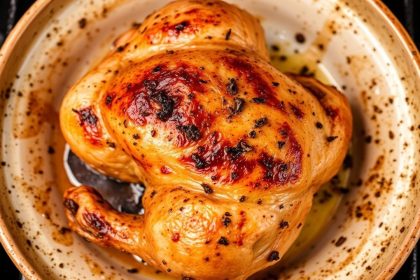

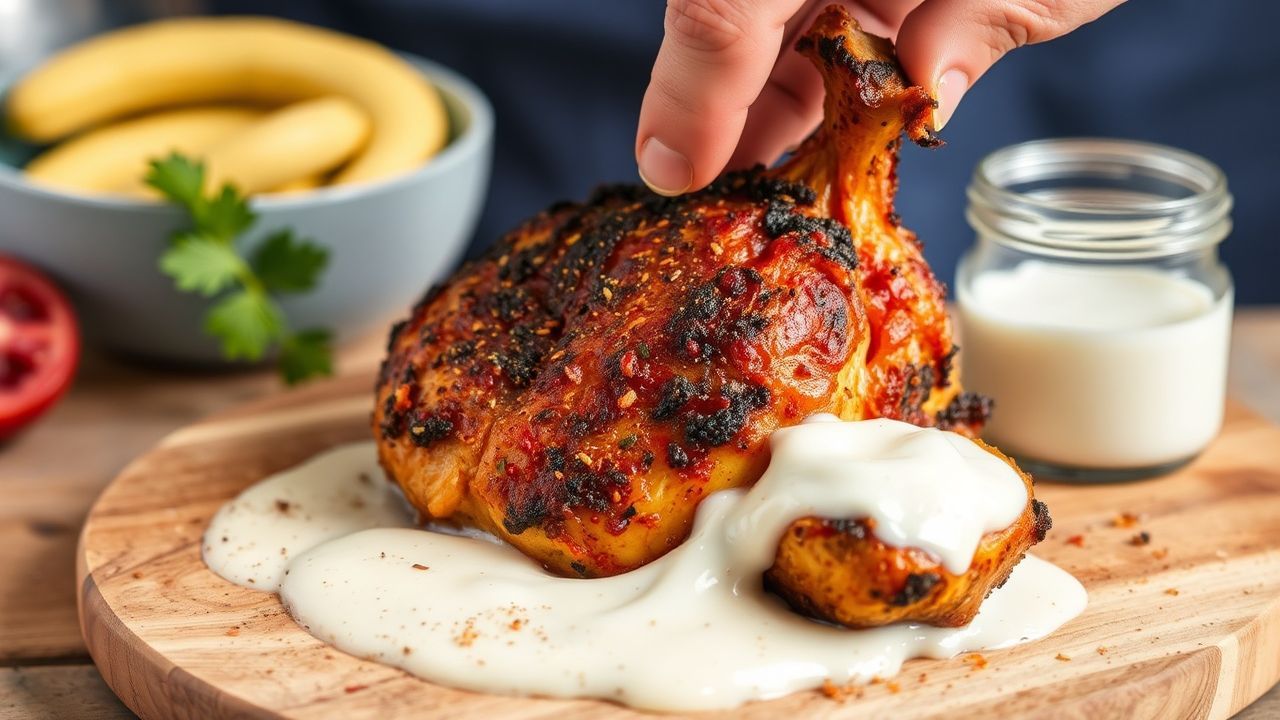

Imagine sinking your teeth into a perfectly juicy, tender piece of chicken whose flavor blooms with layered savory notes. The practical secret is a simple soak: a buttermilk brine uses acidity, enzymes, salt, and time to change texture and amplify taste.
- Buttermilk’s lactic acid loosens muscle fibers for tender meat.
- Salt and diffusion lock in moisture and improve seasoning depth.
- Fat and enzymes enhance mouthfeel and promote a golden crust.
How buttermilk brines work
Buttermilk contains lactic acid and naturally occurring enzymes that modify protein structure without shredding it. This controlled breakdown eases chewing, and therefore the meat feels both tender and substantial.
Salt in the brine draws water into muscle by osmotic action and then helps proteins retain that moisture when cooked. For scientific context, review the role of buttermilk and how lactic acid functions in food chemistry.
Key reactions: proteins and browning
Acid and enzymes partially denature muscle proteins, which creates space for salt and liquid to bind. That structural change improves juiciness because more water stays inside the fibers during cooking.
Meanwhile, surface proteins and sugars participate in the Maillard reaction when seared, producing a savory crust. Thus, a brined piece develops both internal tenderness and an attractive brown exterior.
Prep and cook time
Plan for a short prep and extended brining window for best results. Typical timing varies with cut and size, but the method scales predictably.
Practical times: Preparation: 10 minutes. Brining: 8–24 hours. Cooking: 20–30 minutes, depending on cut and method. Adjust shorter for delicate fish and longer for dense turkey.
Ingredients
Keep the ingredient list focused on function: acid, salt, fat, aromatics, and the protein itself. Each element contributes to chemistry or flavor rather than filler complexity.
Typical components: a base of 4 cups buttermilk, 1/4 cup kosher salt, 2 tbsp sugar, cracked pepper, smashed garlic, smoked paprika, optional cayenne, fresh thyme and rosemary, and 2 lb bone-in chicken thighs or an equivalent cut.
- 4 cups buttermilk (full-fat preferred)
- 1/4 cup kosher salt
- 2 tablespoons sugar
- 1 tablespoon black peppercorns, crushed
- 4 garlic cloves, smashed
- 2 tablespoons smoked paprika
- 1 teaspoon cayenne (optional)
- Fresh herbs: 4 sprigs thyme, 2 sprigs rosemary
- 2 pounds bone-in chicken thighs (or preferred cut)
Instructions
Follow these steps precisely to control texture and safety. Small changes in timing or salt will change the result, so measure carefully.
Use only non-reactive containers and keep the brine refrigerated for the entire soak. Maintain sanitary handling throughout to avoid cross-contamination.
Prepare the brine
Whisk the buttermilk with kosher salt and sugar until the solids dissolve. Add crushed pepper, garlic, smoked paprika, cayenne, and herbs to layer aromatics into the liquid.
Ensure the brine flavor is slightly stronger than final seasoning because much of it stays in the discarded liquid. Always cool the brine to refrigerator temperature before adding raw meat.
Submerge and refrigerate
Place the meat in a large resealable bag or non-reactive container and pour the brine until fully covered. Remove excess air, seal, then refrigerate flat so the brine contacts all surfaces evenly.
Allow poultry 8–24 hours. Larger cuts like whole turkey require longer; fish and delicate cuts need far less time. Time, not agitation, controls the tenderizing effect.
Remove, dry, and cook
After brining, discard the liquid and pat the meat very dry with paper towels. Drying ensures efficient browning and helps the crust form quickly when searing or frying.
Season lightly, then sear on medium-high to develop color before finishing at moderate heat. For safety, cook poultry to an internal temperature of 165°F (74°C).
Tips for success
Precision with salt and time prevents under- or over-brining. Kosher salt’s larger crystals require different volumes than table salt, so weigh when possible.
Adjust spices to regional tastes and the fat content of your cut. Also, full-fat buttermilk typically yields deeper flavor and more reliable tenderizing than low-fat versions.
Serving suggestions
Pair brined poultry with sides that contrast texture and acidity. Roasted root vegetables, bright vinaigrettes, or creamy mashed potatoes create pleasing balance.
Finish with a herb sprig or a drizzle of hot honey or tangy sauce to highlight the crust and the meat’s internal moisture. Simple garnishes make a marked difference in presentation and perceived flavor.
Nutrition and what changes during brining
Brining affects moisture and surface seasoning more than macronutrient content. Measured calories and protein per serving remain similar; however, water retention raises apparent juiciness and weight.
The structural changes are biochemical: partial denaturation and salt-induced protein solubilization increase water-holding capacity. For background on protein behavior, see protein denaturation.
| Nutrient | Per Serving (approx.) |
|---|---|
| Calories | 320 kcal |
| Protein | 28 g |
| Carbohydrates | 4 g |
| Fat | 20 g |
FAQ
What is a buttermilk brine?
A buttermilk brine is a soaking solution that uses cultured buttermilk mixed with salt, sugar, and aromatics. It combines acid, enzymes, and fat to tenderize and flavor proteins more effectively than plain saltwater alone.
How does acidity tenderize meat?
Acidity causes limited protein denaturation at the muscle surface, which loosens fibers and allows salt and moisture to penetrate. The process softens texture without dissolving the meat when timed correctly.
Can I brine meats other than chicken?
Yes. Buttermilk brines suit turkey, pork, and some firm fish. However, adjust time: denser cuts need longer while delicate fish require far less. See general concepts in marination for related techniques.
Is store-bought buttermilk acceptable?
Commercial buttermilk provides consistent acidity and works well for brining. Homemade cultured substitutes can perform adequately but may vary in acid strength, so monitor brining time closely.
How do herbs and spices affect the science?
Herbs and spices do not change the core tenderizing chemistry, but they layer aroma and flavor that complement the buttermilk’s tang. Use them to tailor the final taste profile without altering the brine’s function.
See also: Buttermilk brine