

Water affects more than hydration. It changes flavor, alters texture, and can introduce hazards if contaminated. Treating cooking water to meet culinary and safety goals is practical with layered methods.
- Prep and Cook Time
- Yield
- Difficulty Level
- Ingredients for Safe Cooking Water
- Instructions
- Tips for Success
- Serving Suggestions
- Q&A
- Why is the chemistry of water important for cooking?
- What contaminants matter for cooking water?
- How does hardness affect cooking water?
- Is boiling enough to make water safe for cooking?
- FAQ
- Understand contaminants — biological agents, dissolved metals, and chemical residues demand distinct controls.
- Layer treatments — coarse removal, adsorption, disinfection, and polishing reduce risk and improve taste.
- Test and track — measure pH, chlorine residual, and target analytes to choose the right combination of steps.
Prep and Cook Time
Plan treatment to match throughput and kitchen timing. Simple filtration is fast; adsorption and disinfection add contact time that you must schedule.
Estimate realistic durations. Mechanical filtration takes minutes; adsorption and chemical contact typically require 20–60 minutes depending on batch size and media contact area.
- Preparation: 10 minutes
- Treatment: 1–4 hours depending on method and scale
- Total Time: 1 hour 10 minutes to 4 hours 10 minutes
Yield
Design systems with a safety margin above daily culinary demand. A standard demonstration batch of about five liters balances contact time and throughput for trials.
Scale media volumes and contact times when you raise batch size so adsorption capacity and disinfection dose remain effective for the larger volume.
- Approximately 5 liters of treated cooking water per batch (sample protocol)
Difficulty Level
This workflow sits at an intermediate skill level. It assumes operators can measure doses, handle common disinfectants safely, and follow basic maintenance schedules.
Follow manufacturer data sheets for adsorption media and disinfectants. Record keeping helps detect declining performance before safety or flavor degrade.
Ingredients for Safe Cooking Water
Assemble certified or food-grade components only. Use clean containers and source verified media from reputable suppliers to reduce secondary contamination risks.
Keep a simple test kit on hand for pH, free chlorine, and basic metals. Use measured dosing to control residuals and taste outcomes.
- Raw water source: tap, well, or collected rainwater (approx. 5 liters)
- Activated carbon (granular): 500 g for adsorption of organics and chlorine taste
- Chlorine source (calcium hypochlorite or household bleach): measured doses to achieve 0.5–1.0 mg/L free chlorine
- Activated alumina: 200 g for fluoride and arsenic reduction when needed
- Natural zeolite: 300 g to reduce some metal ions and ammonium
- Optional: distillation setup or certified UV purifier for final sterilization
- Clean, food-grade containers: for storage post-treatment
Instructions
Use a layered sequence: physical removal, adsorption, chemical disinfection, then polishing. Each step targets specific classes of contaminants for predictable results.
Maintain contact time and follow established dosages. Combining methods lowers reliance on any single process and improves both safety and flavor.
- Start with raw water: Pour roughly five liters into a clean vessel. Visual clarity does not confirm safety; test to identify relevant hazards.
- Pre-filtration: Use a coarse cloth or mesh to remove visible debris and reduce turbidity. Lower turbidity enhances downstream UV and adsorption efficiency.
- Activated carbon: Pass water through a carbon layer slowly. Allow 20–30 minutes contact in small batches to reduce chlorine taste and many organic compounds. See activated carbon for mechanism details.
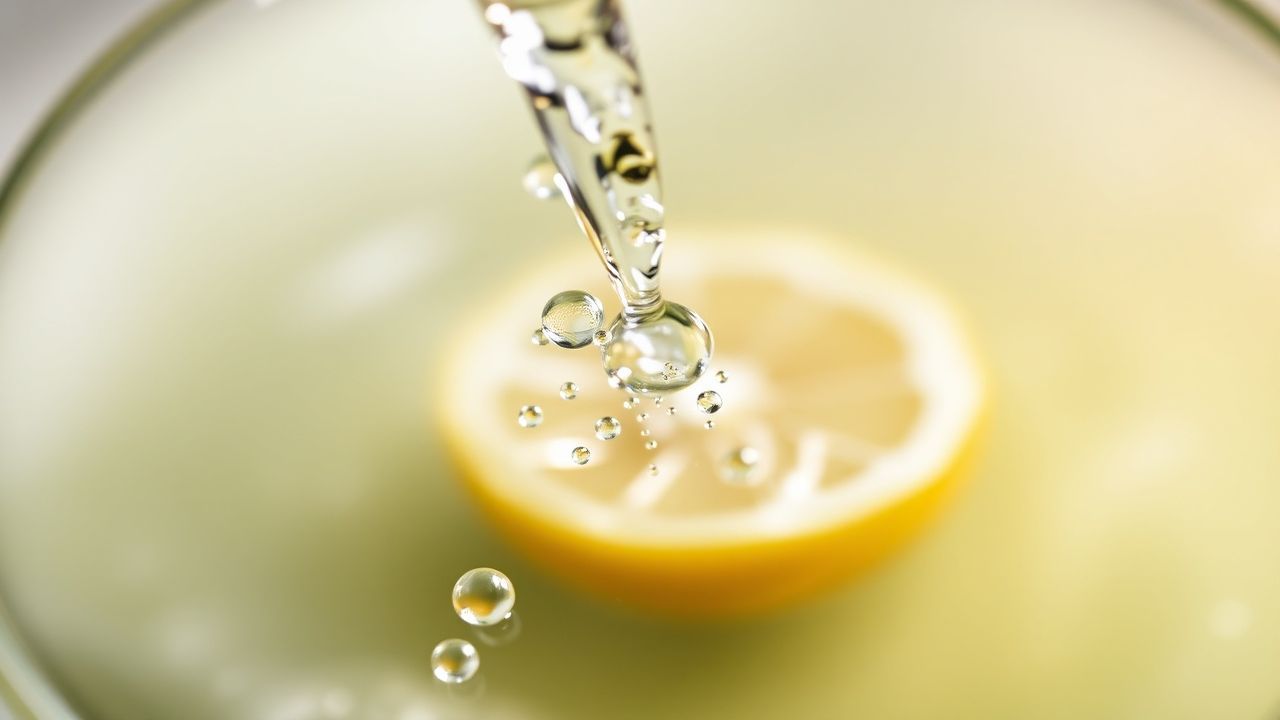
- Chemical disinfection: Prepare a dilute chlorine solution and dose to achieve about 0.5–1.0 mg/L free chlorine. Mix thoroughly and hold for at least 30 minutes to inactivate bacteria and many viruses.
- Advanced filtration: After disinfection, pass water through activated alumina and zeolite to reduce fluoride, arsenic, and specific metal ions. This step benefits from prior turbidity reduction to avoid rapid fouling.
- Final sterilization: Optionally distill or apply ultraviolet germicidal irradiation as the last control. Distillation removes non-volatile solutes; UV inactivates remaining microbes without altering mineral balance. See water purification and UV disinfection for technical background.
- Storage: Store treated cooking water in clean, sealed food-grade containers away from direct sunlight. Label containers with treatment date and rotate stocks regularly to preserve quality.
After disinfection, allow chlorine residuals to decay if taste is a concern. Aerate or pass water through activated carbon again to reduce chlorine odor and improve palatability.
Tips for Success
Replace adsorption media on a schedule. Spent carbon and saturated alumina lose capacity and can harbor microbes if neglected.
Monitor basic parameters: pH influences chlorine efficacy, and turbidity affects UV performance. Use portable kits to check key indicators regularly.
- Use activated carbon when organic compounds or taste issues exist.
- Apply chlorination precisely and allow required contact time for microbial inactivation.
- Combine methods for a layered defense that addresses chemical and biological hazards.
- Keep records of media changes and test results to spot trends early.
Serving Suggestions
Treated cooking water should match culinary goals. Low-mineral water suits delicate tea and coffee; balanced mineral content supports stock clarity and mouthfeel in soups.
Store small batches for daily kitchen use and rotate often. Use higher-purity water for beverages and moderate-mineral water for stewing and boiling where texture benefits from minerals.
| Process Step | Purpose | Approximate Time |
|---|---|---|
| Coarse Filtration | Remove sediments and visible impurities | 5 minutes |
| Activated Carbon Adsorption | Remove organic chemicals & chlorine taste | 30 minutes |
| Chlorination | Disinfect bacteria and viruses | 30 minutes |
| Activated Alumina & Zeolite | Reduce heavy metals, fluoride, arsenic | 15 minutes |
| UV or Distillation | Final sterilization | 10–60 minutes |
Q&A
This section answers common, practical questions about water chemistry and kitchen use. Each response focuses on actionable guidance for home cooks and small-scale operators.
When in doubt, test your water and tailor treatments. Data-driven adjustments out-perform guesswork and prevent unnecessary steps.
Why is the chemistry of water important for cooking?
Water chemistry—pH, mineral content, and contaminants—affects flavor and texture. Hardness minerals change bean tenderness, stock clarity, and foam behavior during boiling.
Controlling water chemistry lets you target predictable outcomes such as brighter vegetables or clearer broths.
What contaminants matter for cooking water?
Key categories include biological agents, heavy metals, and organic residues. Each category requires a specific control: filtration, adsorption, or disinfection.
Testing identifies which contaminants to remove and which treatments deliver the best culinary and safety results.
How does hardness affect cooking water?
Hardness stems from calcium and magnesium ions. Moderate hardness can improve mouthfeel, but excessive hardness toughens vegetables and causes scale on cookware.
Partial softening or blending with lower-mineral water can balance texture while preserving desirable mineral-driven flavors.
Is boiling enough to make water safe for cooking?
Boiling inactivates many pathogens but does not remove dissolved chemicals or metals. Use boiling together with filtration or adsorption for comprehensive treatment.
Boiling also concentrates non-volatile solutes slightly; for chemically contaminated sources, pair boiling with upstream or downstream polishing.
For background on core technologies, review entries on chlorination and distillation.
FAQ
How often should I replace activated carbon?
Replacement depends on feed water quality and usage. For small household systems, inspect and replace every 3–6 months or when taste or odor returns.
Keep a performance log. Increased taste issues or reduced flow typically indicate exhaustion of adsorption capacity.
Is UV treatment alone sufficient at home?
UV inactivates microbes effectively but does not remove chemicals or particulates. Use UV after filtration and adsorption for complete protection.
Ensure pre-filtration reduces turbidity so UV light can penetrate the water column efficiently.
Can I use pool-grade chlorine for cooking water?
Pool-grade calcium hypochlorite can disinfect when diluted and dosed accurately. However, it requires careful handling and precise dosing to meet safe residual limits.
When possible, prefer food-grade chlorine sources or measured household sodium hypochlorite and follow dosage guidance strictly.
Should I test for fluoride or arsenic at home?
Specialized contaminants require targeted testing. Home kits exist, but certified laboratory analysis gives reliable quantification for regulatory or health decisions.
If levels are elevated, select media rated for those ions and verify system performance through repeat testing.
Where can I learn more about water treatment technologies?
Start with technical summaries and standards, then consult product datasheets. Wikipedia offers clear overviews of many core concepts and technologies.
For advanced system design, consult a water treatment professional or a certified laboratory for guidance tailored to your source and culinary goals.
Maintaining safe cooking water requires combining proven chemistry, routine testing, and disciplined maintenance. Use the seven steps here as a practical, evidence-informed protocol that improves safety and flavor in the kitchen.
See also: Cooking water and Water treatment