
By using this site, you agree to the Privacy Policy and Terms of Use.
Accept

CookOrBit

  • Home
  • About Us
  • Ingredient Science
    • Flavor & Aroma
    • Protein Chemistry
    • Sugar & Starch
    • Fats & Emulsions
  • Cooking Techniques
    • Searing & Grilling
    • Baking & Roasting
    • Boiling & Steaming
    • Low & Slow
  • Kitchen Experiments
    • DIY Ferments
    • Flavor Tests
    • Gadget Testing
    • Molecular Gastronomy
  • Food Myths
    • Searing Myth
    • 5-Second Rule
    • MSG Myths
    • Microwave Myths
  • Extra Picks

CookOrBit

  • Home
  • About Us
  • Ingredient Science
  • Cooking Techniques
  • Kitchen Experiments
  • Food Myths
  • Extra Picks
Search
  • Home
  • About Us
  • Ingredient Science
    • Flavor & Aroma
    • Protein Chemistry
    • Sugar & Starch
    • Fats & Emulsions
  • Cooking Techniques
    • Searing & Grilling
    • Baking & Roasting
    • Boiling & Steaming
    • Low & Slow
  • Kitchen Experiments
    • DIY Ferments
    • Flavor Tests
    • Gadget Testing
    • Molecular Gastronomy
  • Food Myths
    • Searing Myth
    • 5-Second Rule
    • MSG Myths
    • Microwave Myths
  • Extra Picks
Follow US
  • Advertising Policy
  • Contact Us
  • Cookie Policy
  • Copyright Notice
  • Disclaimer
  • Privacy Policy
  • Terms of Service
By Fimaw.com
Unlocking Flavor: The Science Behind Searing Vegetables
CookOrBit > Blog > Food Myths > Searing Myth > Unlocking Flavor: The Science Behind Searing Vegetables
Searing Myth

Unlocking Flavor: The Science Behind Searing Vegetables

William J. Kroll By William J. Kroll Published November 16, 2025
Share
SHARE

There’s an undeniable magic that happens when vegetables meet a hot pan-their colors deepen, aromas intensify, and flavors transform into something unexpectedly complex and deeply satisfying. This alchemy, known as searing, is more than just a cooking technique; it’s a doorway into the science of flavor. Unlocking Flavor: The Science Behind Searing Vegetables delves into how heat, chemistry, and culinary art converge to turn humble veggies into mouthwatering delights. Join us as we explore the molecular dance that caramelizes sugars, crisps edges, and elevates the everyday to extraordinary. Whether you’re a seasoned cook or a curious foodie, understanding searing will forever change the way you approach vegetables in the kitchen.

Contents
Unlocking Flavor: The Science Behind Searing VegetablesPrep and Cook TimeYieldDifficulty LevelIngredientsInstructionsTips for SuccessServing SuggestionsQ&AFinal Thoughts

Unlocking Flavor: The Science Behind Searing Vegetables

Unlocking flavor through the perfect sear transforms ordinary vegetables into extraordinary culinary treasures. This technique harnesses the mesmerizing Maillard reaction, a magic of heat that caramelizes sugars and proteins, crafting deep, savory notes and irresistible textures. With the right vegetable choices, heat mastery, and seasoning finesse, you’ll elevate your dishes into flavor powerhouses that impress every palate.

Prep and Cook Time

Preparation: 15 minutes | Cooking: 10 minutes | Total: 25 minutes

Yield

Serves 4 as a delicious side dish or vibrant addition to any meal.

Difficulty Level

Easy to Medium – perfect for home cooks eager to boost their vegetable game.

Ingredients

  • 2 cups broccoli florets, trimmed and dried
  • 1 large zucchini, sliced into ½-inch thick rounds
  • 1 red bell pepper, cut into 1-inch strips
  • 3 tablespoons extra virgin olive oil
  • 1 teaspoon smoked paprika
  • ½ teaspoon garlic powder
  • Freshly ground black pepper, to taste
  • 1 teaspoon kosher salt, divided
  • 1 tablespoon fresh lemon juice
  • Fresh thyme leaves or rosemary (optional, for garnish)

Instructions

  1. Prepare Vegetables: Pat all vegetables dry thoroughly using paper towels to ensure optimal searing without steaming.
  2. Preheat Your Pan: Heat a heavy-bottomed cast iron or stainless-steel skillet over medium-high heat until it’s shimmering hot but not smoking, about 3-4 minutes.
  3. Oil and Season: Toss the broccoli, zucchini, and bell pepper strips in extra virgin olive oil, smoked paprika, garlic powder, and half the kosher salt.
  4. Sear in Batches: Add vegetables to the pan in a single layer without overcrowding. This ensures maximum contact with the pan surface-essential for caramelization. Sear broccoli florets first, cooking undisturbed for about 3-4 minutes until golden brown, then flip and sear an additional 2 minutes.
  5. Proceed with Zucchini and Peppers: Remove broccoli and repeat with zucchini rounds and bell pepper strips, adjusting heat as needed to avoid burning. Sear until each side develops an inviting golden crust-about 3 minutes per side.
  6. Season Final Touch: Immediately sprinkle the remaining kosher salt and freshly ground black pepper to enhance layers of flavor. Drizzle lemon juice over vegetables to add brightness and contrast.
  7. Rest and Garnish: Transfer seared vegetables to a serving dish. Let rest for 2 minutes; this helps flavors meld. Garnish with fresh thyme or rosemary for a fragrant finish that complements the rich caramelization.

Tips for Success

  • Vegetable Selection: Opt for sturdy, low-moisture vegetables like broccoli, zucchini, bell peppers, mushrooms, and even carrots for ideal searing. Wet vegetables steam rather than sear.
  • Dry Ingredients: Should never be soggy – remoistened vegetables will resist browning. Pat dry thoroughly.
  • Heat Control: Find your stove’s perfect medium-high heat. Pan should be hot enough to sizzle immediately but not burn the oil to smoke.
  • Remove Crowding: Overcrowding traps steam and prevents proper caramelization. Sear in batches if needed.
  • Season After Searing: Salt draws moisture out, so seasoning after searing maintains the texture and crunch.
  • Make-Ahead Tip: You can prepare and season vegetables ahead but sear fresh for best flavor and texture.

Serving Suggestions

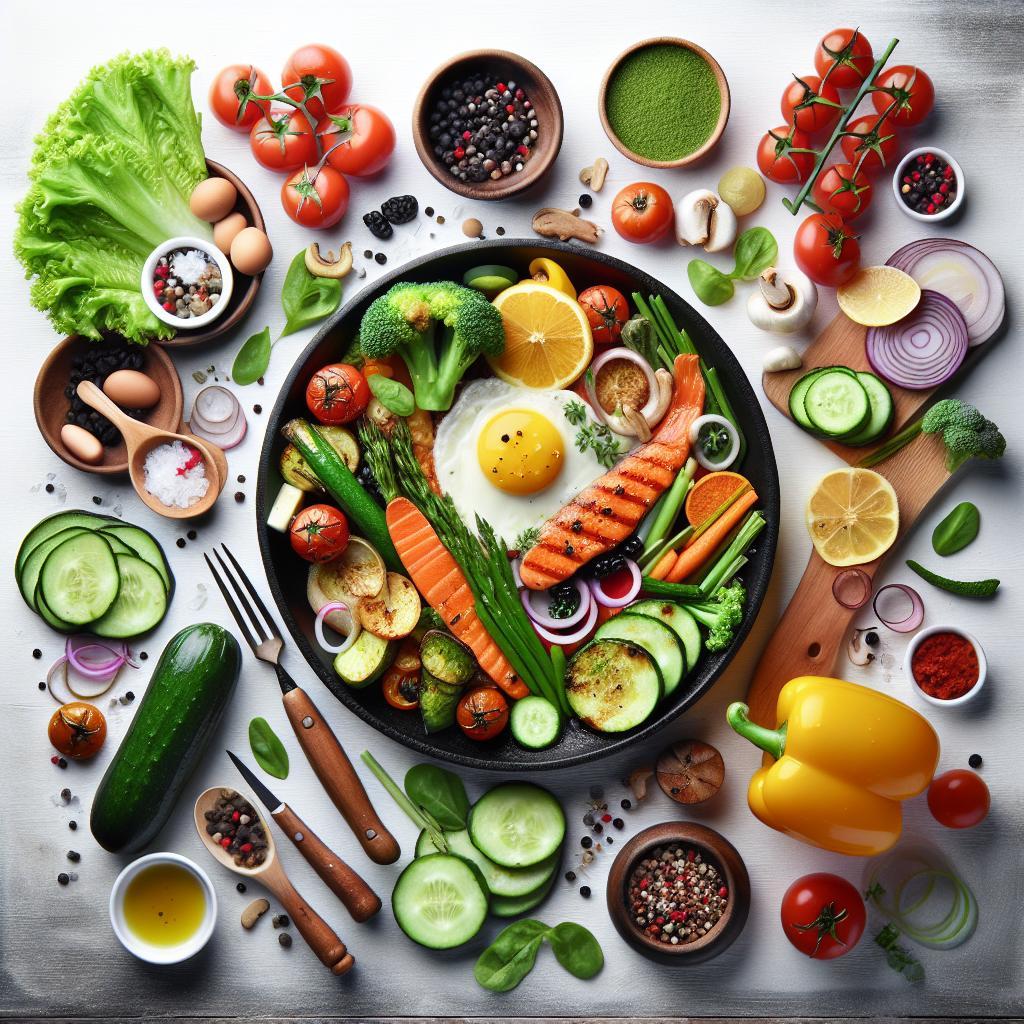
Serve your perfectly seared vegetables warm as a stand-alone side dish glowing with amber caramelization. Pair with a drizzle of balsamic glaze or a sprinkle of crumbled feta for an elegant touch. These vegetables elevate bowls alongside grain salads or as a topping for creamy polenta or quinoa. Garnish with fresh herbs and a squeeze of lemon to brighten every bite.

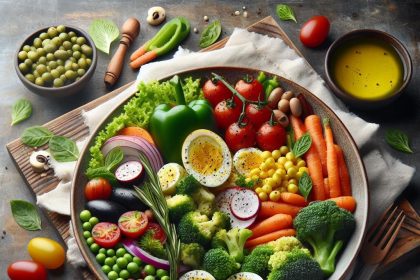
Unlocking flavor: the science behind searing vegetables showing golden seared broccoli and zucchini

Nutrient Per Serving
Calories 110
Protein 3g
Carbohydrates 8g
Fat 8g

For those looking to deepen their knowledge further, discover the fascinating molecular science behind the Maillard reaction on Exploratorium’s culinary science page. For more vegetable-focused inspiration, check our Seasonal Vegetable Recipes for fresh ideas that highlight unlocking flavor through heat and skill.

Q&A

Q&A: Unlocking Flavor – The Science Behind Searing Vegetables

Q1: What exactly is searing, and why do we sear vegetables?
A1: Searing is the culinary technique of cooking vegetables (or meats) at high heat to develop a browned, caramelized surface. For vegetables, searing unlocks deeper flavors by triggering the Maillard reaction-a chemical dance between amino acids and sugars-producing complex, savory notes that raw or simply boiled veggies can’t match. It transforms humble ingredients into flavor powerhouses.

Q2: How does the Maillard reaction create flavor when searing vegetables?
A2: The Maillard reaction occurs when heat causes sugars and amino acids in vegetables to interact, forming hundreds of new compounds responsible for rich, roasted, nutty, and slightly sweet flavors. Unlike simple caramelization, which only involves sugars, this reaction adds layers of aromatic complexity that make seared vegetables tantalizingly delicious.

Q3: Is there an ideal temperature to sear vegetables for maximum flavor?
A3: Yes! To ignite the Maillard reaction without burning, your pan should be hot-typically between 300°F and 400°F (150-205°C). This temperature range crisps the surface quickly, locking in moisture inside the vegetable while creating that irresistible golden crust. Too low, and you’ll get soggy, pale veggies; too high, and you risk bitterness from charring.

Q4: Are all vegetables equally suited for searing?
A4: Not quite. Vegetables with a bit of natural sugar and a firm texture-like bell peppers, zucchini, mushrooms, carrots, and Brussels sprouts-excel at searing. Starchy or watery veggies, like potatoes or cucumbers, may need pre-treatment or alternative cooking methods to avoid sogginess or uneven browning.

Q5: What role does oil play in the searing process?
A5: Oil is the conductor of searing’s symphony. It transfers heat evenly and prevents sticking, ensuring an even browning. Using oils with a high smoke point-such as avocado, grapeseed, or refined olive oil-lets you reach the searing temperature without burning the oil or imparting off flavors.

Q6: Can searing vegetables affect their nutritional value?
A6: Searing can slightly reduce heat-sensitive nutrients like vitamin C, but it also makes some antioxidants more available by breaking down cell walls. Plus, the flavor reward often motivates us to eat more veggies. Balance is key: searing adds taste and enjoyment without significantly sacrificing nutrition.

Q7: How can I incorporate searing into my everyday cooking?
A7: Start simple: heat a splash of oil in a hot skillet, add bite-sized veggies without overcrowding, and let them develop a golden crust before stirring. Pair seared vegetables as sides, toss into salads, or combine with grains and proteins for a flavor-boosted meal. Once you master searing, your veggies will never be boring again.

Q8: Any secret tips to perfect seared vegetables every time?
A8: Absolutely. Pat vegetables dry to minimize steaming, don’t overcrowd the pan (give each piece room to brown), avoid constant stirring, and season after searing to maintain that crisp texture. Experiment with finishing touches like a squeeze of lemon or fresh herbs to heighten the layered flavors unlocked by searing.


Searing vegetables is more than a technique-it’s a flavorful science experiment you can savor. By understanding the chemistry and mastering the heat, you unlock a whole new world of taste hidden inside everyday produce. Your palate will thank you!

Final Thoughts

As the final sizzle of searing fades, what remains is more than just beautifully browned vegetables-it’s a symphony of science and flavor unlocked through heat and timing. Understanding the Maillard reaction and the delicate balance of temperature and moisture transforms everyday cooking into a culinary art. So next time you reach for that hot pan, remember: you’re not just cooking vegetables-you’re awakening their full potential. Unlock the secret, embrace the science, and let your kitchen come alive with flavors that speak louder than words.
Unlocking Flavor: The Science Behind Searing Vegetables

You Might Also Like

Unlocking Flavor: Mastering Vegetable Searing for Perfect Caramelization

Unveiling Hydrolysis: The Science Behind Water’s Powerful Split

Unlocking Safety: What Is the FDA Food Code?

Whipping Siphon Science: Experimenting with Charge Levels

Spreading the Flavor: How a Paella Pan’s Wide Surface Works

TAGGED:andsciencetheunlockingvegetables
Share This Article
Facebook Twitter Pinterest Whatsapp Whatsapp LinkedIn Telegram Threads
What do you think?
Love0
Sad0
Happy0
Sleepy0
Angry0
Dead0
Wink0
Previous Article Unlocking Chill: The Science Behind Perfect Cryo-Shucking Oysters Unlocking Chill: The Science Behind Perfect Cryo-Shucking Oysters
Next Article Is Your Meal Safe? Spot Signs Before You Take a Bite Is Your Meal Safe? Spot Signs Before You Take a Bite
Crafting Zesty Fermented Mustard Using Whey Magic
DIY Ferments
Unlocking Flavor: The Art and Science of Sous Vide Cooking
Low & Slow
Unlock the Juiciest Shredded Chicken: Perfect Whole Bird Cooking Tips
Boiling & Steaming
The Science Behind Crafting the Perfect Croissant Crust
Baking & Roasting

Most Viewed Posts

  • The Art and Science Behind Perfect Culinary Espumas (687)
  • Crisp Science: Unlocking the Chemistry of Perfect Tempura (374)
  • Unlocking Vanillin: The Chemistry Behind Vanilla’s Magic (264)
  • Master the Art of the Perfectly Boiled Potato Every Time (236)
  • Fats That Transform: Experimenting with Flavorful Fats (235)

Tags

and are art behind cheese chemistry chicken crafting dough exploring flavor food for grill happens heat how magic mastering meat microwave msg perfect perfectly protein science searing secrets steak sweet testing the top ultimate umami unlock unlocking unraveling unveiling water what when why with your
December 2025
M T W T F S S
1234567
891011121314
15161718192021
22232425262728
293031  
« Nov    

You Might Also Like

Unlocking Flavor: The Science Behind Spatchcocked Chicken
Searing & Grilling

Unlocking Flavor: The Science Behind Spatchcocked Chicken

William J. Kroll William J. Kroll December 6, 2025
The Science Behind Crafting the Perfect Creamy Aioli
Fats & Emulsions

The Science Behind Crafting the Perfect Creamy Aioli

William J. Kroll William J. Kroll December 6, 2025
Whisking Woes: What Happens When Sugar Hits Egg Whites Early?
Sugar & Starch

Whisking Woes: What Happens When Sugar Hits Egg Whites Early?

William J. Kroll William J. Kroll December 6, 2025
Mastering Meringue: Secrets to a Perfectly Stable Whip
Protein Chemistry

Mastering Meringue: Secrets to a Perfectly Stable Whip

William J. Kroll William J. Kroll December 6, 2025
Unlocking Rosemary’s Essence: The Science Behind Its Flavors
Flavor & Aroma

Unlocking Rosemary’s Essence: The Science Behind Its Flavors

William J. Kroll William J. Kroll December 6, 2025
Unlocking Microwave Power: Mastering Levels for Perfect Cooking
Microwave Myths

Unlocking Microwave Power: Mastering Levels for Perfect Cooking

William J. Kroll William J. Kroll December 6, 2025
Follow US
By Fimaw.com © All Rights Reserved.
  • Advertising Policy
  • Contact Us
  • Cookie Policy
  • Copyright Notice
  • Disclaimer
  • Privacy Policy
  • Terms of Service
Welcome Back!

Sign in to your account

Lost your password?