
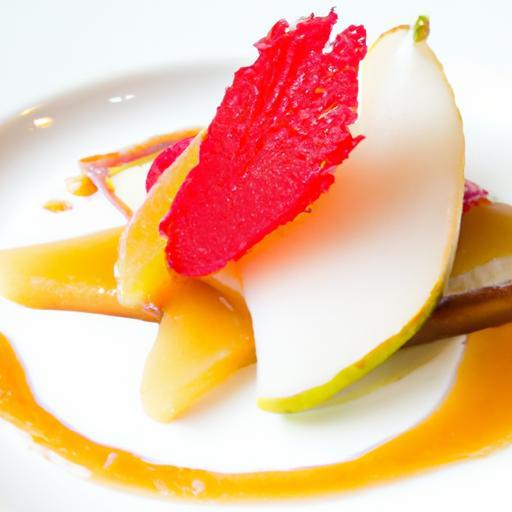

In the world of culinary magic, few processes captivate the senses quite like caramelization. This transformative dance of heat and sugar breathes new life into humble fruits, turning simple sweetness into a complex symphony of flavor, color, and aroma. From the golden crust of caramelized apples to the rich, deep notes coaxed from roasted pineapple, understanding the science behind caramelization unlocks a gateway to elevate everyday fruit into extraordinary delights. Join us as we explore the sweet science that turns nature’s bounty into a masterpiece of taste and texture.
Understanding the Flavor Profiles That Emerge When Fruits Caramelize
Unlocking Sweet Science: How Caramelization Transforms Fruit reveals the fascinating transformation that fruits undergo when exposed to heat. Caramelization is a complex chemical process where natural sugars break down, resulting in a delightful spectrum of flavors from sweet nuttiness to hints of toffee and spice. As the heat intensifies, fruit sugars oxidize and polymerize, creating those irresistible golden-brown hues and deeply rich aromas that enhance both taste and visual appeal.
Prep and Cook Time
- Preparation: 10 minutes
- Cooking: 15 minutes
- Total Time: 25 minutes
Yield
- 4 servings
Difficulty Level
- Easy to Medium
Ingredients
- 4 large ripe peaches, sliced into wedges
- 2 tablespoons unsalted butter
- 1/4 cup light brown sugar, packed
- 1 teaspoon fresh lemon juice
- 1/2 teaspoon ground cinnamon
- Pinch of fine sea salt
- Optional: 1 teaspoon pure vanilla extract
- Fresh mint leaves for garnish
Instructions
- Prepare the fruit: Gently wash the peaches and slice into even wedges to ensure consistent cooking.
- Melt the butter: In a heavy-bottomed skillet over medium heat, melt the unsalted butter until it becomes foamy but not browned.
- Add sugar and spices: Stir in the brown sugar, lemon juice, ground cinnamon, and sea salt. Allow the mixture to bubble gently, melting the sugar and starting the caramelization.
- Caramelize the fruit: Add the peach wedges in a single layer, pressing them lightly into the caramel. Cook for 3-4 minutes without stirring to develop a golden crust, then gently turn the wedges and cook an additional 3-4 minutes. Use a spatula to baste the fruit with the caramel periodically.
- Enhance flavor: If desired, stir in the vanilla extract during the last minute of cooking for an aromatic boost.
- Finish & serve: Remove the skillet from heat as soon as the peaches are tender but still hold their shape, ensuring the caramel is glossy and thickened.
Tips for Success
- Choose fruits with a balance of sweetness and acidity. Peaches, apples, pears, and plums caramelize beautifully due to their natural sugar content.
- Manage your heat. Medium heat promotes even caramelization; too high and the sugar may burn or become bitter.
- Don’t overcrowd your pan. Overlapping pieces prevent even caramelization and steaming will occur instead.
- Use a heavy skillet. Cast iron or stainless steel distributes heat evenly for a consistent caramel crust.
- Make-ahead tip: Caramelized fruits can be stored in an airtight container refrigerated for up to 48 hours; gently reheat before serving.
Serving Suggestions
- Serve warm atop vanilla bean ice cream for a luscious contrast of temperatures and textures.
- Layer caramelized fruits over Greek yogurt with a sprinkle of toasted almonds for a sophisticated breakfast or dessert.
- Garnish with fresh mint leaves and a light dusting of powdered sugar to elevate visual appeal.
- Transform them into an elegant fruit galette by folding into flaky pastry and baking until golden.

| Nutrient | Amount per Serving |
|---|---|
| Calories | 150 |
| Protein | 1 g |
| Carbohydrates | 35 g |
| Fat | 3.5 g |
Embracing the principles revealed in this detailed guide on caramelizing apples can further hone your skills. For a deeper dive into the molecular art of caramelization, visit the Scientific American article on carbohydrate chemistry.
Q&A
Q&A: Unlocking Sweet Science – How Caramelization Transforms Fruit
Q1: What exactly is caramelization, and why does it matter in cooking fruit?
A1: Caramelization is a magical chemical process where the natural sugars in fruit are heated and transformed, creating a symphony of golden hues, deep flavors, and enticing aromas. It’s what turns ordinary fruit into a luscious, complex treat-think sparkling apples, rich bananas, or glowing peaches bursting with sweet, nutty, and slightly smoky notes.
Q2: How does caramelization differ from other cooking techniques like roasting or baking?
A2: While roasting and baking often involve caramelization as a side effect, caramelization itself zeroes in on sugar molecules breaking down under heat. Unlike Maillard reactions, which involve proteins and sugars reacting together, caramelization is the pure, sweet transformation of sugars alone. This makes the fruit sweeter, adds depth, and sometimes a slight crunch or chewiness depending on temperature and time.
Q3: Which fruits caramelize best, and why?
A3: Fruits high in natural sugars and with some acidity caramelize like stars on stage. Apples, pears, pineapples, peaches, bananas, and even figs respond beautifully because their sugar content melts, bubbles, and browns, releasing complex flavor compounds. The acidity balances sweetness, preventing the caramel notes from becoming overwhelming or cloying.
Q4: Can you caramelize fruit at home, or is special equipment needed?
A4: You absolutely can caramelize fruit at home with simple kitchen tools-a skillet or baking tray, some heat, and patience. Dry heat from a pan or oven encourages the sugars to brown. For extra flair, a kitchen torch can add a crisp caramel crust. The key is controlling temperature and timing to coax out the sugars without burning or drying out the fruit.
Q5: What flavors and textures does caramelization bring to fruit dishes?
A5: Caramelization works a flavor alchemy-it deepens sweetness, introduces buttery, toasty, and sometimes nutty nuances, and rounds out sharp or tart notes. Texturally, caramelized fruit can maintain juiciness while developing tender edges or a crisp, crackling surface. The result is a balanced, multi-sensory experience that elevates simple fruit into dessert or accompaniment masterpieces.
Q6: Are there any tips to master caramelizing fruit like a pro?
A6: Sure! Use ripe but firm fruit to hold shape. Pat fruits dry to avoid steaming, which dilutes caramelizing. Start with moderate heat-too high burns sugars too fast; too low makes caramelization sluggish. Don’t overcrowd your pan to ensure even browning. And remember, caramelization continues even after removing from heat, so let fruit rest briefly before serving.
Q7: How can caramelized fruit be used in cuisine beyond just desserts?
A7: Caramelized fruit is a versatile star. It can crown salads with sweet-savory intrigue, jazz up breakfast oats, complement rich cheeses and charcuterie, or add depth to savory dishes like pork or poultry. The sweet-smoky notes brighten foods, balance spicy elements, and bring natural sweetness without added sugar.
Unlocking the sweet science of caramelization lets you turn simple fruit into an extraordinary feast for senses and soul. It’s chemistry, artistry, and culinary delight in one golden-brown bite!
Wrapping Up
As we peel back the layers of caramelization, the true magic of this sweet science becomes clear: it’s not just a simple cooking process, but a transformative journey where fruit evolves from fresh and tangy to rich and complex. Each golden-brown hue tells a story of sugars melting and merging, revealing new aromas and flavors that elevate ingredients to extraordinary heights. Whether you’re a home cook or a curious food lover, embracing caramelization opens a world of delicious possibilities-turning humble fruit into decadent delights that dance on the palate and invite endless experimentation. So next time you heat that apple, pineapple, or peach, remember: you’re not just cooking-you’re unlocking the sublime alchemy of flavor itself.