
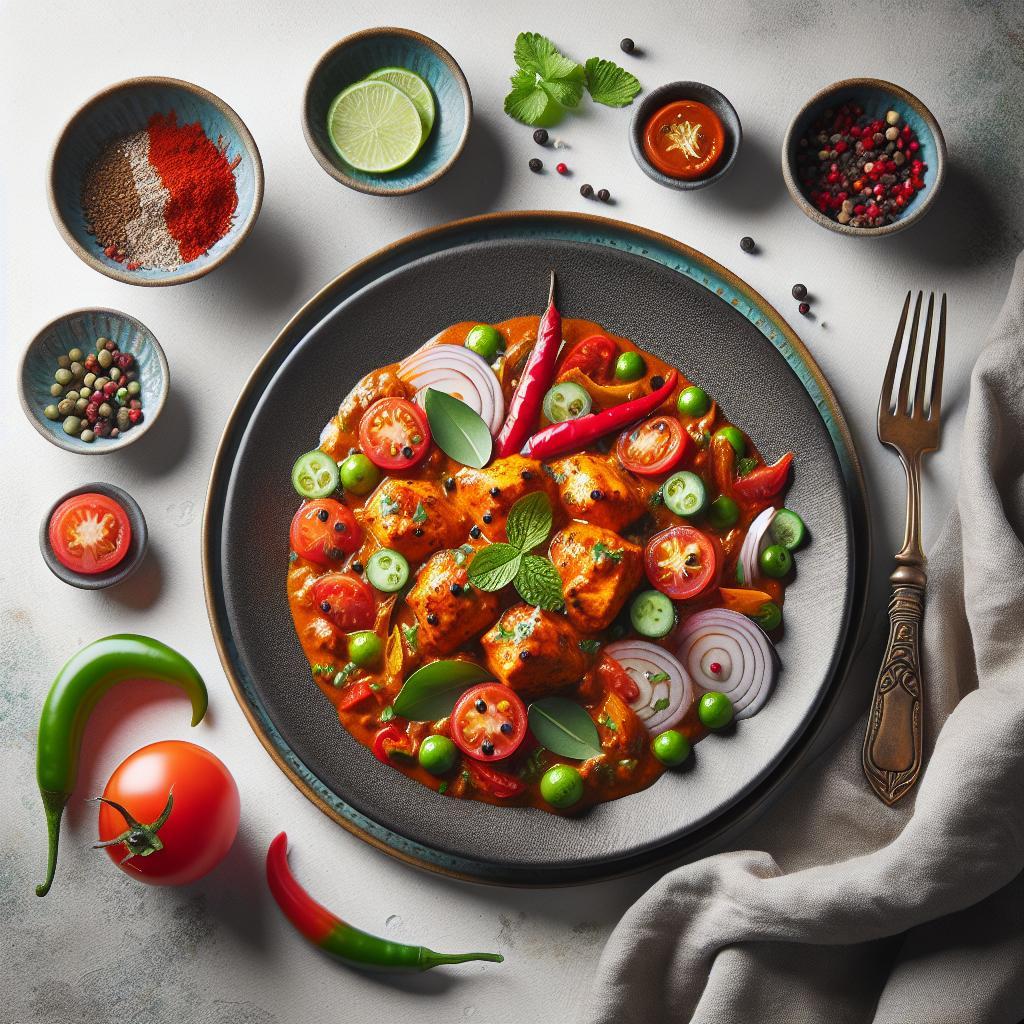

Chicken Tikka Masala remains one of the most replicated and loved curry dishes worldwide. Its combination of charred, spiced chicken and a creamy tomato sauce delivers clear contrasts of texture and flavor.
- Prep and Cook Time
- Yield
- Difficulty Level
- Ingredients & Marinade
- Instructions
- Tips for Success
- Serving & Pairings
- Nutrition & Portion Notes
- Q&A
- What defines Chicken Tikka Masala?
- Where did it originate?
- Which spices are essential?
- How can I adjust heat levels?
- FAQ
- Can I substitute chicken thighs with breast?
- Is grilling necessary for authentic flavor?
- How long should I marinate the chicken?
- What dairy-free options work best?
- How do I store and reheat leftovers?
- To Wrap It Up
- Marinade is king: yogurt and acid break down proteins for tender chicken.
- Char builds flavor: a quick high-heat sear adds smoky notes that the sauce complements.
- Layer spices: bloom whole or ground spices early, then finish with garam masala for balance.
- Finish with acid: lemon or a dash of vinegar brightens the creamy sauce.
Prep and Cook Time
Preparation: 25 minutes. Plan a minimum of 4 hours for marination; overnight is preferred for best texture.
Active cooking: About 30 minutes on the stovetop and grill pan combined. Total time depends on marination and resting.
Yield
This recipe yields serves 4 generously, suitable for a family meal or small dinner party. Portion sizes scale predictably if you increase protein and sauce components proportionally.
For larger groups, keep the sauce-to-chicken ratio near 1:1 by weight to maintain the characteristic coating rather than a soupy curry. Leftovers reheat well and often taste better after flavors meld overnight.
Difficulty Level
Marked as Medium. The technique focuses on marination, temperature control, and spice timing rather than advanced knife work. Home cooks who control heat and taste as they cook will get consistent results.
Required skills: trimming boneless thighs, blooming spices in fat, and achieving a quick char without overcooking. The recipe rewards attention to timing and tasting at each stage.
Ingredients & Marinade
Key ingredients deliver both texture and aromatic complexity. Use boneless chicken thighs for juiciness; yogurt plus acid tenderizes and carries the spice blend into the meat.
For reference on the dish’s background, consult the Chicken Tikka Masala history on Wikipedia for cultural context that informs technique and ingredient choices.
Marinade: Ingredients
- 500g boneless chicken thighs, cut into 1.5-inch pieces
- 150g full-fat yogurt (use plain yogurt)
- 2 tbsp lemon juice
- 2 tsp garam masala
- 1 tsp ground cumin
- 1 tsp smoked paprika
- 1 tsp ground coriander
- 1 tsp turmeric
- 2 cloves garlic, minced
- 1 inch ginger, grated
- Salt, to taste
Yogurt acts as a tenderizer through enzymatic and acid action while carrying spices into muscle fibers. Use plain, cultured yogurt; if you need dairy-free, a thick soy or coconut yogurt can substitute, but texture and flavor will shift.
To understand garam masala components and regional variations, see Garam masala on Wikipedia. Finish the marinade with fresh acid and salt to help proteins relax for a tender bite.
Instructions
Follow the sequence: marinate, char the chicken, build the sauce, then marry the two. Each stage maximizes flavor extraction from spices and delivers the correct mouthfeel.
Work with mise en place: measure spices in advance and have your cream or coconut milk nearby for a smooth finish. Consistent heat control prevents bitter burnt spices or undercooked chicken.
- Combine marinade: Whisk yogurt, lemon, garam masala, cumin, paprika, coriander, turmeric, garlic, ginger, and salt until smooth.
- Marinate chicken: Toss chicken in the marinade and refrigerate for at least 4 hours; overnight improves tenderness and depth.
- Prepare sauce base: Heat 2 tbsp vegetable oil in a heavy pan. Sauté 1 finely chopped onion until deeply golden, about 7 minutes.
- Add aromatics: Stir in 2 minced garlic cloves, 1 tbsp grated ginger, 1 tsp ground cumin, 1 tsp ground coriander, and 1 tsp chili powder. Cook 1–2 minutes to bloom spices.
- Tomato stage: Add 400g tomato purée and simmer 8–10 minutes until the sauce thickens and the raw edge of tomato disappears.
- Grill the chicken: Thread marinated pieces on skewers or use a hot grill pan. Sear until edges char and internal temp reaches 74°C (165°F), about 10–12 minutes total.
- Finish sauce: Stir in 150ml cream or coconut cream, bring to a gentle simmer, and season to taste with salt and a splash of lemon.
- Combine: Add grilled chicken to the sauce and simmer 3–5 minutes so surfaces absorb the sauce flavors.
- Garnish: Finish with chopped cilantro and a light drizzle of cream for presentation.
Tips for Success
Control heat in two zones: a medium pan for the sauce and a very hot pan or grill for the chicken. That contrast preserves moisture while developing the smoky notes the sauce needs.
Taste and adjust: add salt and acid incrementally. A small squeeze of lemon just before serving lifts the entire dish and balances richness.
To moderate heat, replace or reduce chili powder and use smoked paprika for warmth without bright heat. For a dairy-free sauce, use full–fat coconut cream and finish with a squeeze of lemon to cut the coconut sweetness.
Serving & Pairings
Serve Chicken Tikka Masala with fragrant rice and breads that soak the sauce. Traditional pairing is Basmati rice, which offers a light, aromatic counterpoint to the sauce.
Complement the dish with warm breads like naan; for a home baking primer see our internal naan recipe. For a cream-based alternative, consider Butter Chicken as a related entrée.
Cooling condiments work well: cucumber raita or a simple onion salad with lemon add crunch and freshness. A scattering of toasted fenugreek leaves (kasuri methi) or fresh mint just before serving enhances aroma and brightens the palate.
Nutrition & Portion Notes
Per serving estimates depend on cream choice and portion size. A typical bowl with rice clocks near 450 kcal, 38 g protein, 26 g fat, and 12 g carbohydrates when made with dairy cream and served with a moderate rice portion.
For lower calories, swap cream for light coconut milk and trim visible chicken fat. Tracking macros is straightforward when you weigh components and record exact ingredient choices.
| Nutrient | Per Serving |
|---|---|
| Calories | 450 kcal |
| Protein | 38 g |
| Carbohydrates | 12 g |
| Fat | 26 g |
Q&A
This section answers common practical questions and clarifies technique nuances that affect final texture and flavor. Read each response for quick troubleshooting and options.
Where applicable, cross-reference spice pages for deeper understanding. For example, yogurt’s role in tenderizing is explained in the Yogurt article, which explores its properties as a marinade medium.
What defines Chicken Tikka Masala?
Chicken Tikka Masala pairs charred, spiced chicken pieces with a simmered, tomato-based cream sauce. The dish emphasizes a balance of smoky, savory, and tangy elements.
Where did it originate?
The dish evolved through South Asian cooks adapting recipes to suit local tastes and available ingredients. It is widely associated with British South Asian culinary history while rooted in tikka and masala traditions.
Which spices are essential?
Key spices include cumin, coriander, turmeric, garam masala, and paprika. Fresh ginger and garlic are critical aromatics that drive the sauce’s backbone.
How can I adjust heat levels?
To lower heat, reduce chili powder and use smoked paprika for warmth. To raise heat, add fresh green chilies or cayenne in measured small increments while tasting.
FAQ
Can I substitute chicken thighs with breast?
Yes. Chicken breast yields leaner results but tends to dry if overcooked. Trim pieces evenly and reduce high-heat time; monitor internal temperature closely to prevent dryness.
Is grilling necessary for authentic flavor?
Grilling or a high-heat sear provides the characteristic char and smoke. If you lack a grill, use a hot broiler or a cast-iron pan to approximate those flavors while keeping an eye on cooking time.
How long should I marinate the chicken?
Minimum 4 hours for reasonable tenderness; overnight yields the most uniform flavor and texture. Avoid marinating excessively long (>24 hours) when using strong acids, which can mush the meat.
What dairy-free options work best?
Use full-fat coconut cream in both the marinade and sauce for a rich dairy-free version. Choose neutral, thick non-dairy yogurt for the marinade to preserve tenderizing action.
How do I store and reheat leftovers?
Refrigerate in an airtight container for up to 3 days or freeze for up to 3 months. Reheat gently over low heat, adding a splash of water or cream to restore sauce consistency.
To Wrap It Up
Mastering Chicken Tikka Masala comes down to controlled heat, a reliable marinade, and proper spice timing. Follow structured steps and taste as you go to hit the correct balance of char, cream, and acid.
Make the dish your own by adjusting spice levels, switching to coconut cream for dairy-free options, or pairing it with aromatic rice and warm bread. The recipe rewards experimentation grounded in technique.

See also: Tikka Masala