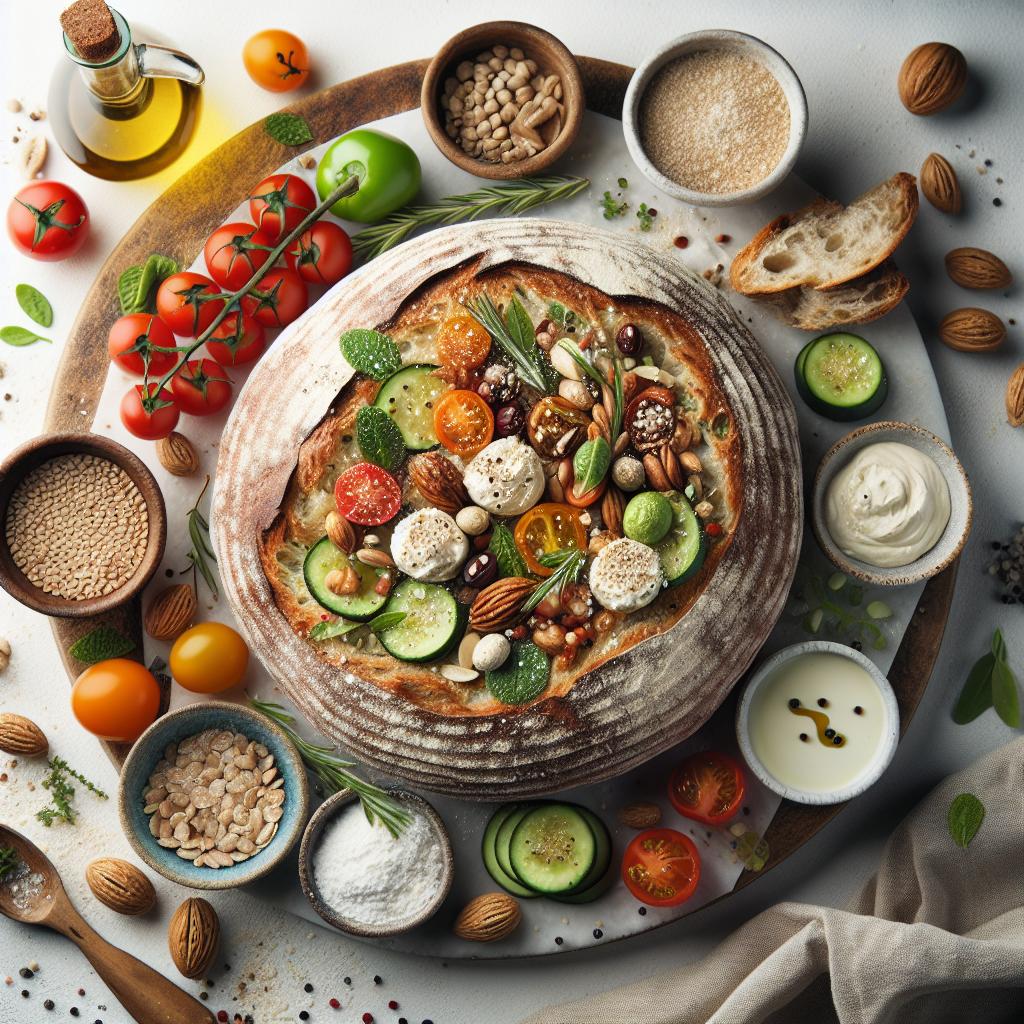


In the enchanting world of baking, few ingredients hold as much mystery and magic as a sourdough starter. This living, bubbling blend of flour and water is more than just a leavening agent-it’s a vibrant ecosystem where chemistry and biology waltz together to create the signature tang and texture of artisanal bread. But what exactly happens inside this jar of wild yeast and bacteria? Join us as we peel back the flour-dusted curtain and unveil the fascinating chemical symphony behind sourdough starter magic, revealing how humble ingredients transform into a powerhouse of flavor and fermentation.
Unveiling the Chemistry Behind Sourdough Starter Magic: The Microbial Symphony Driving Sourdough Fermentation
Unveiling the Chemistry Behind Sourdough Starter Magic begins with understanding the complex partnership between lactic acid bacteria and wild yeasts, a duet that orchestrates the delightful tang, texture, and aroma sourdough bread is renowned for. This living ecosystem thrives within your starter, transforming simple flour and water into a vibrant culture that breathes life into your loaf.
Prep and Cook Time
- Preparation: 10 minutes (initial mixing)
- Fermentation: 5-7 days to build a mature starter
- Baking: 3-4 hours (including proofing and baking)
Yield
Approximately 2 cups of active sourdough starter (enough for 1 large loaf of bread or several smaller loaves)
Difficulty Level
Medium – Requires patience and careful maintenance but rewarding for all levels of bakers.
Ingredients
- 1 cup (120g) unbleached all-purpose flour, preferably organic or stone-ground for natural microbial diversity
- 1 cup (240ml) filtered or non-chlorinated water, room temperature
- Optional: 2 tablespoons whole rye flour (to kickstart microbial activity)
Instructions
- Day 1: In a clean glass jar, combine ½ cup all-purpose flour and ½ cup filtered water. Stir until smooth and thick like pancake batter. Cover loosely with a breathable cloth to allow wild yeasts to enter but keep contaminants out. Place in a warm (70-75°F / 21-24°C), draft-free spot.
- Days 2-3: Discard half of the starter mixture, then feed with ½ cup fresh all-purpose flour and ½ cup water. Stir well, cover, and return to the warm spot. You might notice bubbles or tangy aromas forming – signs of microbial life awakening.
- Days 4-5: Gradually increase feeding quantities to 1 cup flour and 1 cup water once bubbling and expansion are consistent. Incorporate 2 tablespoons of rye flour here if desired to boost lactic acid bacteria. The starter should start doubling in size 6-8 hours after feeding.
- Day 6 and beyond: Your starter is mature when it doubles reliably, smells pleasantly sour with a hint of sweetness, and has a spongy texture. To maintain, feed daily or refrigerate and feed weekly.
- Troubleshooting: If your starter develops a pink or orange tint, discard and start fresh. A layer of liquid (hooch) on top indicates hunger-stir it back in or discard before feeding.
- Baking with your starter: Use ½ cup (120g) active starter for your sourdough bread recipe. Mix with flour, water, salt, and allow adequate fermentation time to develop flavor and structure.
Tips for Success
- Hydration consistency: Keep water and flour ratios steady to create a reliable environment for your starter’s microbes.
- Temperature control: Warmer conditions speed up fermentation but can risk over-acidification; cooler slows it down but improves flavor complexity.
- Use clean utensils and jars: Avoid metal containers as acidic starter may react; glass or food-grade plastic are best.
- Feeding ratio: A 1:1:1 ratio (starter:flour:water by weight) promotes balanced growth of yeasts and bacteria.
- Reviving sluggish starters: Add a spoonful of whole rye or whole wheat flour for a nutrient boost and feed more frequently.
Serving Suggestions
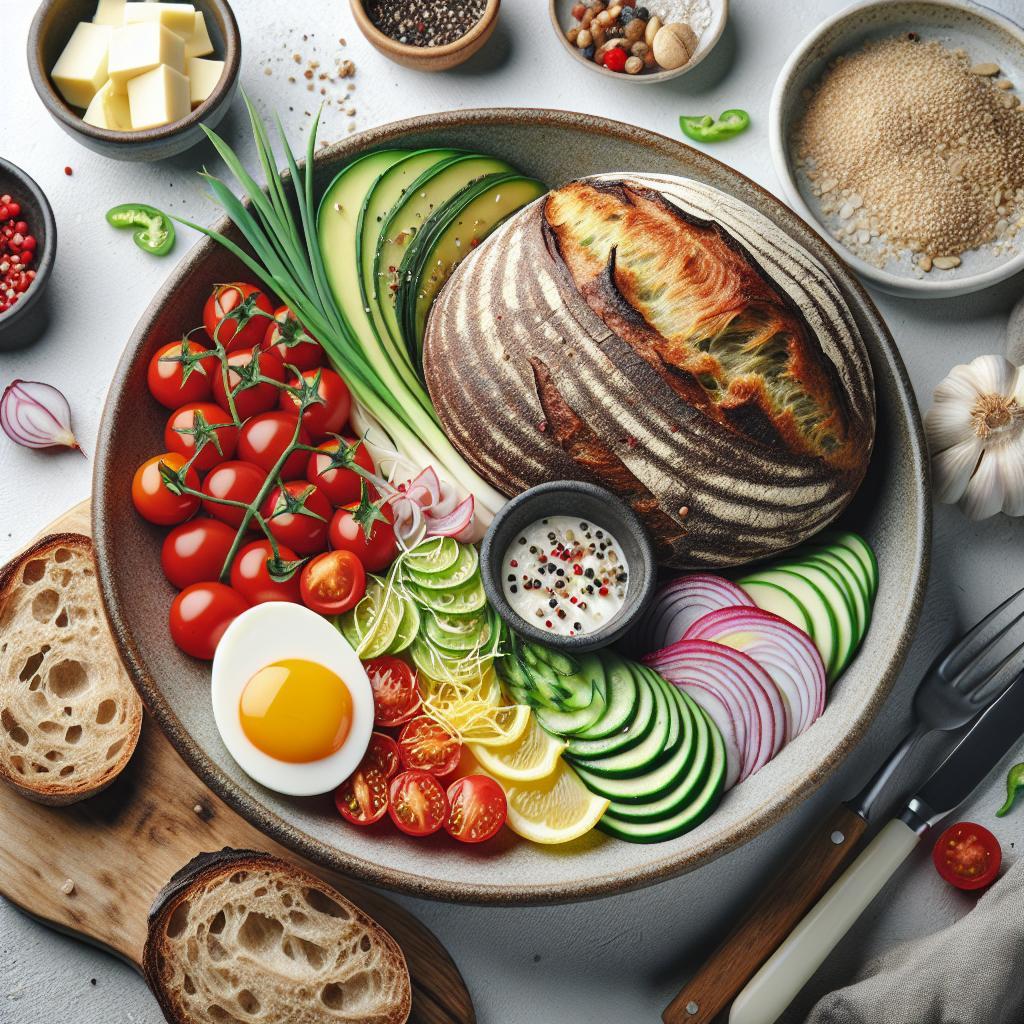
Once your sourdough starter flourishes, the possibilities are endless. Bake rustic boules with a crackly crust and open crumb or soft sandwich loaves that delight with subtle tang. Garnish freshly sliced sourdough with a drizzle of olive oil, flaky sea salt, and fresh herbs. Pair a warm slice with creamy cheeses or vibrant fruit preserves for an elevated breakfast or snack.
| Nutrient | Per 100g Sourdough Starter |
|---|---|
| Calories | 80 kcal |
| Protein | 3 g |
| Carbohydrates | 16 g |
| Fat | 0.2 g |
For a deeper dive into starter maintenance, explore our Comprehensive Guide to Perfecting Your Sourdough Starter. To understand the science of fermentation, visit Science Daily’s fermentation insights.

Q&A
Q&A: Unveiling the Chemistry Behind Sourdough Starter Magic
Q1: What exactly is a sourdough starter?
A sourdough starter is a lively community of wild yeasts and lactic acid bacteria thriving together in a simple mixture of flour and water. This bubbling culture is the secret ingredient that gives sourdough bread its distinctive tang, texture, and aroma.
Q2: How does this tiny microbial ecosystem work its magic?
Within the starter, wild yeasts feast on the sugars in flour, releasing carbon dioxide that creates the dough’s airy rise. Meanwhile, lactic acid bacteria produce organic acids-like lactic and acetic acid-that shape the bread’s flavor profile and act as natural preservatives. It’s an age-old, microscopic collaboration crafting every loaf’s unique personality.
Q3: Why does sourdough taste tangier than regular bread?
The tang comes from the organic acids formed by lactic acid bacteria. These acids lower the pH, creating a mildly acidic environment that not only flavors the bread but also slows down spoilage. This gentle sourness is what makes sourdough so distinctively mouthwatering.
Q4: Can anyone just whip up a starter at home?
Absolutely! All you need is flour and water. Over days, natural yeasts and bacteria from the environment-or even the flour itself-begin to colonize the mixture. Regular feedings of fresh flour and water keep this microbial party alive and kicking, transforming it into a potent starter.
Q5: What’s happening chemically when you feed the starter?
Feeding replenishes the starter’s food supply-complex carbohydrates in flour-that microbes metabolize. Yeasts break down sugars through fermentation, releasing carbon dioxide and alcohol, while bacteria continue producing organic acids. This cycle rejuvenates the starter, keeping its microbial balance harmonious.
Q6: Why does the starter bubble and rise before baking?
Bubbling is the signature sign of fermentation. The wild yeasts convert sugars into carbon dioxide gas, which gets trapped in the dough’s gluten network, causing it to inflate and rise. This rise is the backbone of sourdough’s airy, chewy crumb.
Q7: How does temperature affect the starter’s chemistry?
Temperature acts like a tempo controller for microbes. Warmer conditions speed up yeast and bacterial activity, resulting in faster fermentation and more pronounced sourness. Cooler temperatures slow things down, often producing a milder flavor. Mastering this balance allows bakers to fine-tune their bread’s character.
Q8: What role does gluten play in this chemical symphony?
Gluten, the protein in flour, forms a stretchy network that traps carbon dioxide bubbles made by yeasts. This network gives sourdough its elastic texture and chewy bite. The fermentation process also helps break down some gluten, making the bread easier to digest.
Q9: Are there any hidden health benefits behind sourdough’s chemistry?
Yes! The fermentation process enhances nutrient availability by breaking down phytic acid, making minerals like iron and zinc easier for the body to absorb. Moreover, some studies suggest that sourdough’s organic acids can help regulate blood sugar levels better than conventional bread.
Q10: What makes each sourdough starter unique?
Each starter is a tiny biosphere shaped by local flour varieties, ambient microbes, water chemistry, and feeding habits. This microbial fingerprint means no two starters – and consequently, no two loaves – are ever exactly the same, giving sourdough its endlessly fascinating diversity.
Understanding the chemistry behind your bubbling sourdough starter is like peeking under the crust into a microscopic world of collaboration, balance, and transformation-a delicious science that awakens each loaf from simple ingredients into pure magic.
To Wrap It Up
As the bubbling symphony of wild yeasts and lactic acid bacteria unfolds within your sourdough starter, you come to appreciate that this humble mixture is no mere dough-it’s a living, breathing ecosystem powered by intricate chemistry. Understanding the delicate dance of fermentation not only deepens your connection to every tangy bite but also transforms the act of baking into a mindful, almost alchemical ritual. So next time you feed your starter or pull a crusty loaf from the oven, remember: behind that golden crust lies a marvelous world where science and art collide, revealing the true magic baked into every slice.