
By using this site, you agree to the Privacy Policy and Terms of Use.
Accept
CookOrBitCookOrBitCookOrBit
  • Home
  • About Us
  • Ingredient Science
    • Flavor & Aroma
    • Protein Chemistry
    • Sugar & Starch
    • Fats & Emulsions
  • Cooking Techniques
    • Searing & Grilling
    • Baking & Roasting
    • Boiling & Steaming
    • Low & Slow
  • Kitchen Experiments
    • DIY Ferments
    • Flavor Tests
    • Gadget Testing
    • Molecular Gastronomy
  • Food Myths
    • Searing Myth
    • 5-Second Rule
    • MSG Myths
    • Microwave Myths
  • Tools
  • More
    • Extra Picks
    • Quick & Easy
      • Breakfast Ideas
      • Desserts
      • Snacks
      • Soups
    • Global Flavors
      • Asian Street Eats
      • Latin Comforts
      • Mexican Flavors
      • Modern Mediterranean
CookOrBitCookOrBit
  • Home
  • About Us
  • Ingredient Science
  • Cooking Techniques
  • Kitchen Experiments
  • Food Myths
  • Tools
  • More
Search
  • Home
  • About Us
  • Ingredient Science
    • Flavor & Aroma
    • Protein Chemistry
    • Sugar & Starch
    • Fats & Emulsions
  • Cooking Techniques
    • Searing & Grilling
    • Baking & Roasting
    • Boiling & Steaming
    • Low & Slow
  • Kitchen Experiments
    • DIY Ferments
    • Flavor Tests
    • Gadget Testing
    • Molecular Gastronomy
  • Food Myths
    • Searing Myth
    • 5-Second Rule
    • MSG Myths
    • Microwave Myths
  • Tools
  • More
    • Extra Picks
    • Quick & Easy
    • Global Flavors
Follow US
  • Advertising Policy: 10 Practical Rules for Safe, Compliant Ads
  • Contact Us
  • Cookie Policy: Clear Guide for Site Owners
  • Copyright Notice Guide: 7 Essential Rules for Website Owners
  • Disclaimer
  • Privacy Policy
  • Terms of Service
By Fimaw.com
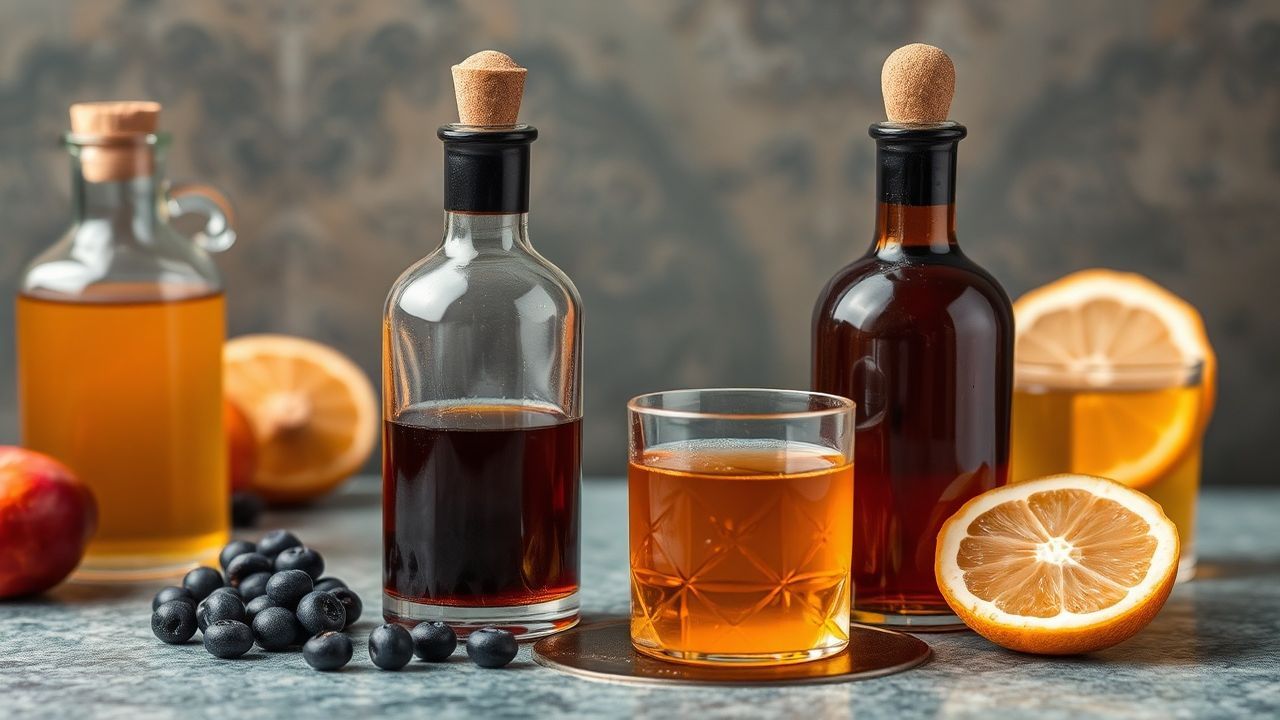
زجاجات مستخلصات مرّة وشرائح حمضيات تكشف أسرار النكهات والمرارة
CookOrBit > Blog > Ingredient Science > Flavor & Aroma > Bitter Bliss: 9 Ways Bitters Transform Flavor
Flavor & Aroma

Bitter Bliss: 9 Ways Bitters Transform Flavor

William J. Kroll
By William J. Kroll
Published: September 3, 2025
Share
SHARE

Bitter Bliss explores how concentrated botanical extracts—known as bitters—shape cocktails and cuisine. These small doses amplify balance, focus aromas, and change how sweetness and fat register on the palate.

Contents
  • What are bitters?
  • How bitters modify flavor
  • Types of bitters and common botanicals
    • Common varieties
  • Practical uses: cocktails and cooking
  • Small table: botanicals and flavor roles
  • Making and storing bitters
  • Practical pairing rules
  • Resources and internal guides
  • FAQ
    • Are bitters alcoholic?
    • How much bitters should I use in food?
    • Can bitters replace salt or acid?
    • Do bitters expire?
    • Where can I learn more about botanical ingredients?
  • Bitters add depth: a few drops can increase perceived complexity.
  • They adjust balance: bitters temper sweetness and lift rich dishes.
  • Variety matters: citrus, aromatic, and herbal bitters each play distinct roles.
  • Start small: taste incrementally to learn how they shift flavors.

What are bitters?

Bitters are concentrated tinctures made by macerating botanicals—roots, barks, peels, and spices—in alcohol or glycerin. Producers then reduce and bottle the extract so a dash delivers intense flavor without adding volume.

Historically, they served medicinal and digestive purposes before entering mixology. Modern craft producers treat bitters as culinary tools, and you can find examples documented on the Angostura bitters page for reference.

- Advertisement -

How bitters modify flavor

Bitterness interacts with other taste modalities to reshape perception. When you add bitters, they suppress certain sweet or fatty sensations while revealing underlying aromatics, a process connected to basic taste science described on the taste (sensation) article.

Mixologists use bitters to lengthen finish, create contrast, and glue disparate ingredients together. Chefs leverage the same principle to cut richness in creams, reduce cloying sugar in desserts, and highlight herbal notes in sauces.

Types of bitters and common botanicals

Bitters fall into categories: citrus, aromatic, herbal, spiced, and specialty (chocolate, coffee, floral). Each type brings specific volatile oils and bitter compounds that pair predictably with food and drinks.

- Advertisement -

Core botanicals include gentian root, cinchona bark, citrus peels, cardamom, and orange flower. Many of these are common herbs and spices; read more about botanical ingredients on the herb and spice reference pages.

Common varieties

Citrus bitters deliver bright, zesty oils that lift vinaigrettes and sparkling cocktails. They pair well with seafood, salads, and fruit desserts.

Aromatic bitters use warm spices and bitter barks to deepen aged spirits and heavy meats. Use them when you need a long, warm finish.

- Advertisement -

Citrus vs aromatic—quick guide

Citrus bitters focus on top-note volatility; they make flavors pop immediately. Aromatic bitters emphasize mid- and back-palate elements such as clove and cinnamon, which add body and warmth.

Choose citrus to brighten and aromatic to ground. When in doubt, taste a drop with the dish or cocktail base before committing.

Practical uses: cocktails and cooking

Mixologists add 1–3 dashes to correct imbalance, enhance aroma, or provide a counterpoint to sugar. In cocktails, bitters act like seasoning: they enable smaller adjustments with large sensory effects.

In the kitchen, chefs use bitters in vinaigrettes, pan sauces, marinades, and even desserts. A few drops of herbal bitters can cut through cream or caramel without adding liquid or sugar.

  • Dressings: Add 1 drop per 1/2 cup vinaigrette to lift acids.
  • Sauces: Stir into pan sauce after deglazing for complexity.
  • Chocolate desserts: Pair chocolate bitters with dark bases to enhance cocoa notes.

Small table: botanicals and flavor roles

Botanical Flavor role Typical use
Gentian root Pure bitter backbone Aperitifs, digestive bitters
Orange peel Citrus brightness Cocktails, dressings
Cinchona bark Quinine bitterness Classic aromatics
Cardamom Warm spice, floral lift Savory sauces, chai-style drinks
💡 Expert Insight
Expert Insight: Start with a single dash in drinks and one drop per tablespoon in cooking. Taste after each addition and record what changed. Over time, you’ll learn which bitter profiles pair best with specific ingredients.

To practice, try a simple experiment: add a dash of citrus bitters to sparkling water, then a dash of aromatic bitters to the same glass. Note how each alters aroma, sweetness perception, and finish. This low-risk test highlights the targeted power of bitters.

⚠️ Pro-Caution
Pro-Caution: Bitters often contain high-proof alcohol and concentrated compounds. Keep them away from children, store bottles upright and sealed, and check labels for allergens or safe-food claims before using in recipes.

Making and storing bitters

At-home bitters require a neutral spirit, botanicals, and time. Macerate ingredients for one to four weeks, strain, and bottle. Small-batch recipes allow precise control over bitterness and aromatic balance.

Store bitters in a cool, dark place. Properly made bitters last years because alcohol preserves the extract, but volatile top notes decline over months, so rotate bottles you use often.

Practical pairing rules

Use these rules when pairing bitters with food: match intensity, complement dominant notes, and consider temperature. Warm dishes tolerate stronger aromatic bitters; chilled preparations favor citrus or floral options.

Also, think about role: do you want to lift, to cut, or to anchor? Lifting requires volatile oils; cutting needs bitter backbone; anchoring benefits from warm spices or bark-derived bitterness.

Resources and internal guides

For further guidance, consult our internal primers on how to taste and match bitters: the about bitters page explains production techniques and the bitters recipes section offers tested formulas and pairings.

Return to these pages while experimenting. They give step-by-step methods that reduce trial-and-error and improve results quickly.

FAQ

Are bitters alcoholic?

Most commercial bitters use a high-proof spirit as the extraction medium and therefore contain alcohol. However, you can find or make glycerin-based bitters that are alcohol-free.

How much bitters should I use in food?

Start with one drop per tablespoon for sauces and one dash per cocktail. Taste after each increment to avoid overpowering a dish.

Can bitters replace salt or acid?

Bitters do not replace salt or acid, but they help balance them. They can reduce the need for extra sugar or fat by creating contrast and heightening perceived complexity.

Do bitters expire?

Alcoholic bitters keep for years, but aromatic top notes fade. Store bottles in cool, dark conditions and label batches with the make date to track freshness.

Where can I learn more about botanical ingredients?

Start with botanical references and culinary herb guides. For quick background, check the herb and spice pages. For historical context, revisit the bitters entry.

Final note: Bitters reward curiosity and restraint. Use internal guides like About Bitters and Bitters Recipes while you build confidence. Taste deliberately, record results, and you’ll expand your flavor toolkit steadily.
See also: Bitters

Cocoa Butter Melting Point: 7 Proven Techniques to Master Texture
Safe Bites: 7 Proven Ways to Teach Kids Food Safety
Why Is My Pie Crust Tough? 9 Pro Fixes for Flaky Results
Irresistible Pesto Pinwheels: 7 Pro Tips to Perfect the Flavor Twist
Chicken Tikka Masala: 7 Expert Secrets for Perfect Curry
TAGGED:andaromatic bittersbitterbittersbotanical extractscitrus bitterscocktail bittersculinary bittersflavor balancingmixology tipstheunlocking
Share This Article
Facebook Pinterest Whatsapp Whatsapp LinkedIn Telegram Threads
What do you think?
Love0
Sad0
Happy0
Sleepy0
Angry0
Dead0
Wink0
Previous Article مخطط مقرب لبروتينات البيض داخل صفار وبياض 7 Essential Insights: Cracking the Code of Egg Proteins
Next Article فاصوليا قاسية مع أواني طبخ ونصائح لطهيها بشكل مثالي 7 Proven Fixes for Hard Beans: Cook Them Perfectly Every Time
Colorful bowls of Leftover Couscous transformed into salads, fritters, and stuffed peppers.
12 Amazing Practical Leftover Couscous Ideas: Brilliant Ways to Reuse and Remix
Uncategorized
Colorful jars of spice blends beside steaming couscous with herbs and lemon
7 Ultimate spice blends That Transform Your Couscous — Amazing Best Flavor Boosts
Uncategorized
Bowls of gluten-free couscous alternatives: quinoa, millet, cauliflower, and rice
10 Amazing couscous alternatives: Best Gluten-Free Swaps for Incredible Flavor
Uncategorized
Colorful bowls of couscous dinners with roasted vegetables and fresh herbs, quick ten-minute meals
10 Amazing couscous dinners: The Ultimate Best Quick 10-Minute Recipes
Uncategorized

Tags

and art baked baking science baking techniques Baking tips batch cooking beef behind butternut squash caramelization cast iron skillet chemistry chicken comfort food Cooking science cooking technique Cooking techniques Cooking tips crafting creamy creamy soup crispy culinary science fish flavor flavor chemistry food food safety Food science for garlic golden Ground turkey hearty heat high-heat cooking high protein meals how instant read thermometer lactic acid bacteria Lean protein magic Maillard reaction make ahead meals make ahead soup mastering meal prep Meal prep recipes meat thermometer microwave microwave cooking moisture control one pot meals Pan searing perfect perfectly Plant based protein Probe thermometer protein denaturation Quick dinners roasted roasted squash roasted tomato soup Roasted vegetables Roasting techniques savor savory science Searing technique Searing techniques secrets slow cooking squash steak steak cooking sweet temperature control the top turkey turkey soup turkey stew ultimate umami cooking umami flavor unlock unlocking unveiling vegetable velvety weeknight dinner Weeknight dinners weeknight meals what when why with your zesty
March 2026
M T W T F S S
 1
2345678
9101112131415
16171819202122
23242526272829
3031  
« Feb    

You Might Also Like

Hearty Chicken and Rice Soup: Comfort in Every Bowl
Extra Picks

7 Pro Tips for Hearty Chicken Soup

William J. Kroll
William J. Kroll
February 17, 2026
The Science Behind Smash Burgers: Flavor in Every Sizzle
Searing Myth

Smash Burger Science: 7 Proven Steps for Maximum Flavor

William J. Kroll
William J. Kroll
February 12, 2026
Crispy Delight: Mastering the Art of Baked Eggplant Parmesan
Extra Picks

Crispy Delight: 7 Expert Tips for Perfect Baked Eggplant Parmesan

William J. Kroll
William J. Kroll
December 29, 2025
Golden Glow: Roasted Butternut Squash Pasta Delight
Extra Picks

Golden Glow: 7-Step Butternut Pasta Masterclass

William J. Kroll
William J. Kroll
December 27, 2025
- Unlocking Flavor: How Marinating Time Transforms Taste
Flavor Tests

Unlocking Flavor: 7 Proven Ways Marinating Time Transforms Taste

William J. Kroll
William J. Kroll
November 10, 2025
Savor the Flavor: Turkey and Mushroom Skillet Delight
Extra Picks

7-Step Turkey Skillet Mastery: Mushroom Skillet Delight

William J. Kroll
William J. Kroll
December 31, 2025
Follow US
By Fimaw.com © All Rights Reserved.
  • Advertising Policy: 10 Practical Rules for Safe, Compliant Ads
  • Contact Us
  • Cookie Policy: Clear Guide for Site Owners
  • Copyright Notice Guide: 7 Essential Rules for Website Owners
  • Disclaimer
  • Privacy Policy
  • Terms of Service
Welcome Back!

Sign in to your account

Username or Email Address
Password

Lost your password?