
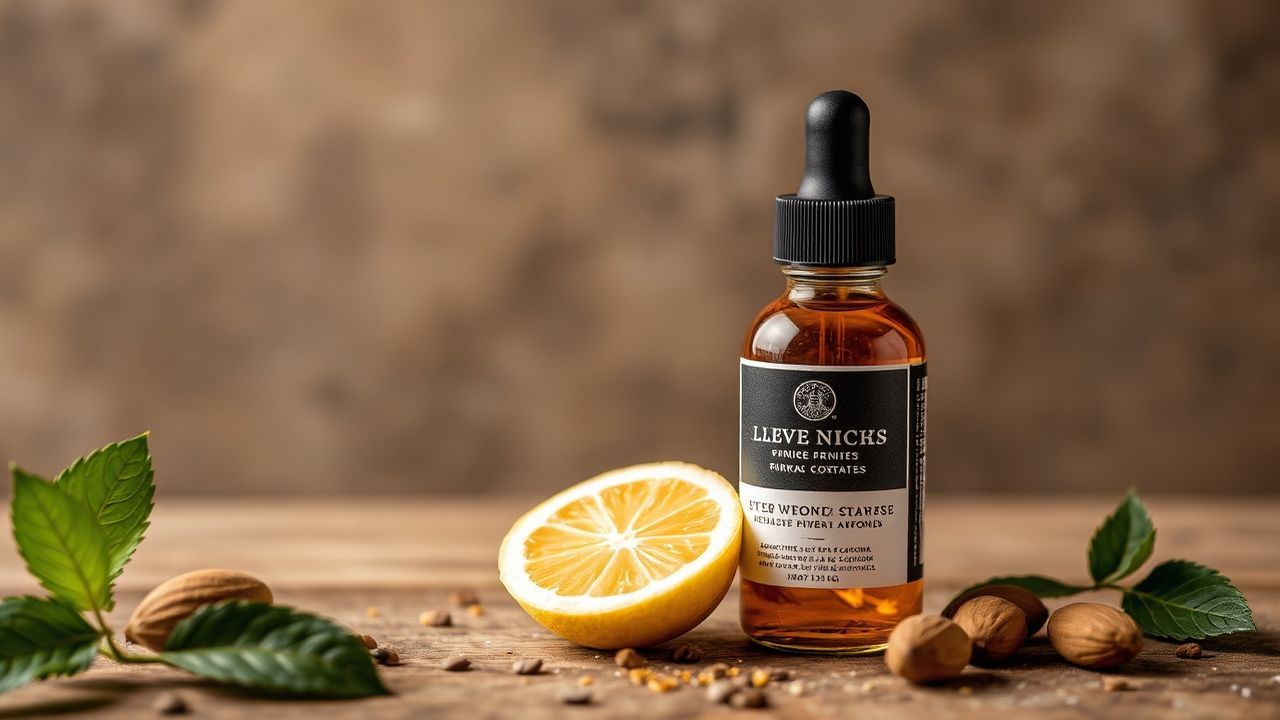

Imagine capturing the essence of a sun-ripened vanilla bean, the bright zing of freshly peeled lemon, or the warm hug of toasted almonds—all concentrated into a few drops. Flavor extracts deliver those concentrated aromas and tastes, and they behave like precision tools in the hands of a skilled cook.
- Concentration delivers impact: A little extract goes a long way in aroma and taste.
- Method matters: Alcohol maceration, steam distillation, and cold pressing yield different profiles.
- Use and storage: Proper storage preserves volatile compounds and extends shelf life.
What are flavor extracts?
Flavor extracts are concentrated liquids that carry the volatile compounds and aromatic molecules from plant material. Producers capture these compounds using solvents, heat, or mechanical force to create stable, usable concentrates.
Commercial vanilla extract or citrus oils are familiar examples, but extracts span herbs, spices, flowers, and fruits. For background on extraction and essential oils, see essential oil.
Primary extraction methods
Different methods favor different volatile compounds, so manufacturers choose processes based on the target aroma and final application. The three main approaches are solvent extraction, steam distillation or cold pressing, and enfleurage or oil-based maceration.
Each method produces distinct chemical profiles and functional outcomes in cooking. For terminology and method details, consult steam distillation and related entries.
Alcohol maceration (tinctures and extracts)
Alcohol extracts, or tinctures, use ethanol as the solvent because ethanol dissolves a broad spectrum of flavor molecules. Producers steep plant material in high-proof alcohol to solubilize both polar and moderately nonpolar compounds, yielding rich, complex extracts.
Home cooks often make vanilla extract this way, leaving split beans in vodka for weeks. For chemistry context, see alcohol (chemistry).
Steam distillation and cold pressing
Steam distillation isolates volatile oils by vaporizing them at reduced pressure and condensing the vapor. Cold pressing, commonly used for citrus peels, mechanically releases oils without heat, preserving delicate top notes.
Manufacturers choose cold pressing when they want a brighter, fresher citrus profile; distillation often yields cleaner but sometimes less nuanced oils. These choices affect how an extract performs in recipes and beverages.
Common types and culinary uses
Vanilla, almond, and lemon extracts top the list because they blend easily and pair widely. However, extracts now include cardamom, rose, lavender, coconut, yuzu, and even smoky chipotle for savory applications.
Chefs use extracts beyond baking: a few drops can heighten marinades, dressings, sauces, and cocktails. For guidance on sensory evaluation, consult sensory analysis.
- Vanilla: Adds sweetness and rounds flavors.
- Lemon: Brightens and lifts savory and sweet notes.
- Almond: Adds nutty depth, often in small doses.
- Herb extracts: Concentrated herbal notes for sauces and finishing.
How extracts change the final taste
Extracts work primarily through aroma, which drives perceived taste; humans sense much of flavor through retronasal smell. Therefore, volatile aromatics in extracts influence how we perceive sweetness, acidity, and complexity.
Because extracts concentrate volatiles, they can deliver perceptual shifts without adding bulk or water. This property makes them invaluable when fresh produce is out of season or when a recipe requires intense, consistent flavor.
Balancing extracts with ingredients
Use small amounts and taste frequently, since extracts can dominate quickly. Balance extracts by adjusting acidity, fat, or salt in the recipe to keep the flavor harmonious.
For example, a few drops of lemon extract can brighten a butter sauce, but you may need to reduce added lemon juice to avoid excess acidity. Good pairing practice improves results reliably.
Storage, dosage, and DIY extraction
Store extracts in tightly sealed amber bottles away from heat and light to slow oxidation and evaporation. Keep bottles upright and avoid temperature swings to extend aromatic life.
Dosage rules vary, but as a guideline start with a quarter-teaspoon or less for a standard recipe and increase cautiously. Remember: concentrated aroma translates to intense flavor.
Home extraction works well with neutral spirits for alcohol-based extracts, and with glycerin for alcohol-free versions. For a practical recipe, see our internal guide on vanilla extract and follow hygienic bottling practices.
After bottling, label with the extraction date and source ingredient to track maturation. Proper labeling helps you compare extractions and refine technique over time.
DIY variations and timelines
Short infusions (days to weeks) capture bright top notes, while longer macerations (months) deliver deep, mellow complexity. Temperature, light, and surface area (chopped vs. split) control extraction speed and profile.
Record ratios and conditions. Reproducible notes let you replicate a preferred flavor or troubleshoot issues like harshness or lack of aroma.
Regulatory and quality considerations
Producers must label extracts according to local food regulations, distinguishing natural extracts from artificial flavors. Natural extracts contain a spectrum of compounds from the source; synthetic flavors often mimic key molecules instead.
Buying extracts from reputable suppliers ensures consistent solvent quality and purity. For technical background on labeling and standards, check regulatory sources relevant to your country.
Practical kitchen applications
Use extracts to rescue bland batters, to add depth when fresh herbs are unavailable, or to create signature beverages. Preserve volatile notes by adding extracts near the end of cooking when possible.
Moreover, extracts suit low-moisture applications like confections, where fresh ingredients introduce unwanted water. Use extracts to maintain texture while delivering clear aromatics.
Explore pairing guides and recipes on our site for tested combinations and measurements, such as our internal pairing guides. These references speed experimentation and reduce costly mistakes.
At a Glance: Practical benefits
Flavor extracts offer concentrated aroma, shelf stability, and consistent results across recipes. They let cooks scale flavors precisely without changing texture or moisture.
Used properly, extracts expand the creative palette of both home cooks and professional chefs while simplifying supply needs.
FAQ
Are natural extracts better than artificial ones?
Natural extracts contain a wide array of compounds that produce nuanced aromas. Artificial flavors often isolate dominant molecules and can be less complex but more consistent and affordable.
Choose based on budget, desired complexity, and labeling preferences. Both have valid culinary roles.
How much extract should I use in a recipe?
Start with a small amount—often 1/4 to 1/2 teaspoon for recipes serving 4–8. Increase cautiously and taste as you go to avoid overpowering the dish.
Remember that alcohol-based extracts will mix differently in cold versus hot applications, so adjust accordingly.
Can I use extracts in savory dishes?
Yes. Limited, strategic use of extracts can add depth or brightness to savory sauces, glazes, and marinades. For instance, almond extract can add a toasted note to some dressings and lemon extract can lift seafood sauces.
Always test small quantities first and balance with salt, acid, or fat.
How long do homemade extracts last?
Stored properly, alcohol-based extracts can last a year or more while gradually evolving in flavor. Glycerin-based extracts may have a shorter shelf life but remain useful for months.
Use dated labels and sensory checks—if aroma turns flat or off, discard and re-extract.
Where can I learn more about extraction chemistry?
Start with references on essential oils and distillation to understand volatile compound behavior and solvent interactions. Wikipedia entries on extraction methods provide a clear technical overview for beginners.
For practical recipes and step-by-step procedures, consult reputable culinary guides and peer-reviewed food science sources.
See also: flavor extracts