
By using this site, you agree to the Privacy Policy and Terms of Use.
Accept
CookOrBitCookOrBitCookOrBit
  • Home
  • About Us
  • Ingredient Science
    • Flavor & Aroma
    • Protein Chemistry
    • Sugar & Starch
    • Fats & Emulsions
  • Cooking Techniques
    • Searing & Grilling
    • Baking & Roasting
    • Boiling & Steaming
    • Low & Slow
  • Kitchen Experiments
    • DIY Ferments
    • Flavor Tests
    • Gadget Testing
    • Molecular Gastronomy
  • Food Myths
    • Searing Myth
    • 5-Second Rule
    • MSG Myths
    • Microwave Myths
  • Tools
  • More
    • Extra Picks
    • Quick & Easy
      • Breakfast Ideas
      • Desserts
      • Snacks
      • Soups
    • Global Flavors
      • Asian Street Eats
      • Latin Comforts
      • Mexican Flavors
      • Modern Mediterranean
CookOrBitCookOrBit
  • Home
  • About Us
  • Ingredient Science
  • Cooking Techniques
  • Kitchen Experiments
  • Food Myths
  • Tools
  • More
Search
  • Home
  • About Us
  • Ingredient Science
    • Flavor & Aroma
    • Protein Chemistry
    • Sugar & Starch
    • Fats & Emulsions
  • Cooking Techniques
    • Searing & Grilling
    • Baking & Roasting
    • Boiling & Steaming
    • Low & Slow
  • Kitchen Experiments
    • DIY Ferments
    • Flavor Tests
    • Gadget Testing
    • Molecular Gastronomy
  • Food Myths
    • Searing Myth
    • 5-Second Rule
    • MSG Myths
    • Microwave Myths
  • Tools
  • More
    • Extra Picks
    • Quick & Easy
    • Global Flavors
Follow US
  • Advertising Policy: 10 Practical Rules for Safe, Compliant Ads
  • Contact Us
  • Cookie Policy: Clear Guide for Site Owners
  • Copyright Notice Guide: 7 Essential Rules for Website Owners
  • Disclaimer
  • Privacy Policy
  • Terms of Service
By Fimaw.com
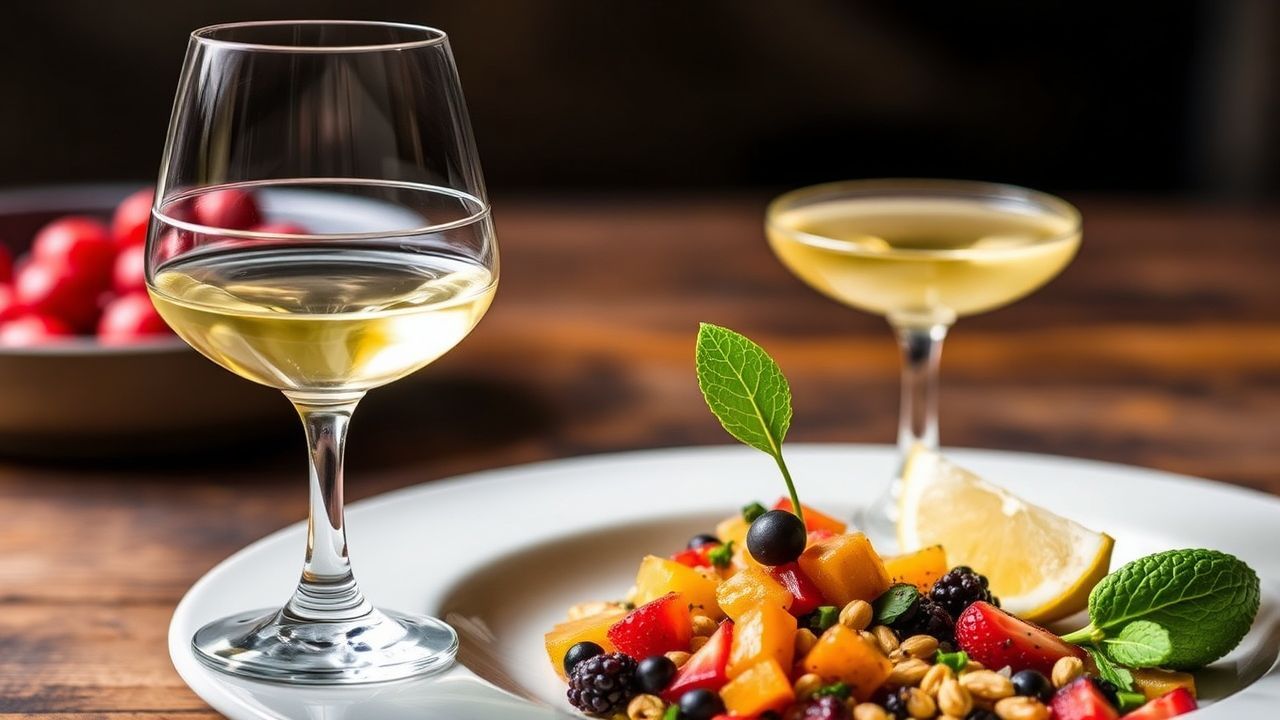
مختبر تذوق يعرض علوم مطابقة النكهات المثالية
CookOrBit > Blog > Ingredient Science > Flavor & Aroma > 7 Proven Flavor Pairing Principles That Unlock Taste
Flavor & Aroma

7 Proven Flavor Pairing Principles That Unlock Taste

William J. Kroll
By William J. Kroll
Published: September 4, 2025
Share
SHARE

Imagine a moment when every bite feels deliberately composed: each element boosts the next, textures contrast, and aromas line up like a tuned ensemble. That effect comes from predictable principles chefs and scientists use to design pairings that consistently satisfy.

Contents
  • Principles of flavor matching
  • Chemistry behind perfect matches
    • Maillard reaction and aroma development
    • Volatile compounds and their role
  • Practical techniques to build reliable matches
  • Sensory evaluation and human factors
  • Common pairings and why they work
    • Using contrast to highlight an ingredient
  • Implementation checklist for cooks
  • FAQ
    • What does “perfect flavor matches” mean?
    • How do scientists study flavor matching?
    • Is there a formula for perfect pairings?
    • How does culture influence pairing preferences?
    • Can understanding flavor science improve home cooking?
  • Balance beats complexity: pairings work when ingredients share or contrast complementary properties.
  • Shared molecules aid harmony: common volatile compounds often create unexpected compatibility.
  • Texture and temperature matter: they change how aromas release and how taste receptors respond.
  • Testing refines intuition: small sensory trials expose weak links before service.

Principles of flavor matching

Flavor matching rests on two practical mechanisms: similarity and contrast. Similarity finds common aromatic or taste compounds and layers them. Contrast pairs opposing elements—sweet with salty, fatty with acidic—to highlight differences and create a clearer overall profile.

For chefs, the goal equals clarity. When you pair deliberately, you reduce competing signals and let a few strong notes drive the dish. These ideas reflect the core of modern food pairing research, which maps molecular overlaps between ingredients.

- Advertisement -

Chemistry behind perfect matches

The chemistry that governs pairing breaks into two visible categories: stable taste compounds (salt, sugar, acids, amino acids) and volatile aroma compounds that reach the nose. Together they create the sensation we call flavor.

Chefs exploit predictable chemical changes during cooking to generate appealing aromas and flavors. For instance, browning reactions and lipid breakdown create new molecules that can pair with plant-based aromatics or cheeses.

Maillard reaction and aroma development

The Maillard reaction produces dozens of aroma molecules as proteins and sugars react under heat. These products include pyrazines and aldehydes, which convey roasted, nutty, and savory notes.

- Advertisement -

When you understand the Maillard pathway, you can match roasted meat to ingredients that share or highlight those notes. For example, roasted nuts, browned butter, and toasted spices can reinforce Maillard-derived aromas.

Volatile compounds and their role

Volatile organic compounds (VOCs) determine the perception of aroma. VOCs release differently with heat, fat, and saliva. Managing their release changes how dominant a note feels on the plate.

For a technical view, review the role of volatile organic compounds in food aroma. That background helps you decide whether to serve an ingredient warm, cool, emulsified, or crisp to emphasize or mute specific VOCs.

- Advertisement -

Practical techniques to build reliable matches

Start small and test in isolation. Combine two elements first, then add a third. That stepwise approach reveals which component pulls the balance and which one requires adjustment.

Use acid to cut fat, salt to amplify sweetness, and aromatics to bridge textures. Simple swaps—baking instead of frying, finishing with a citrus oil—can alter volatile release and change the perceived relationship between ingredients.

Apply mise en place to flavor testing. Label small tasting spoons, record impressions, and repeat across heat levels. This methodical approach saves time and produces consistent results in the kitchen.

Also, consult curated content when you need inspiration. Our recipes and technique library contain tested pairings that illustrate these principles in practice. Use them as templates, not rules.

💡 Expert Insight
Expert Insight: Try pairing one dominant aroma with two subtle supporters. For instance, a citrus-forward salsa benefits from one herb that shares volatile oils and another that offers textural contrast. Record the concentrations you used so you can reproduce the result.

Next, experiment with serving temperature. Warm sauces release more aromatics; chilled accompaniments mute volatile notes and sharpen contrasts. Control temperature deliberately to present the combination at its strongest point.

Sensory evaluation and human factors

Humans process taste and smell through both peripheral receptors and central interpretation. Memory, cultural exposure, and expectations modulate whether a pairing feels “right.” Therefore, include representative tasters when testing new matches.

Formal sensory panels use controlled conditions to isolate aroma from taste, or to measure hedonic response. For methods, read about sensory evaluation. Those protocols help you gather consistent feedback and avoid bias.

Also, texture transforms perception. A creamy element will make bitterness feel softer. A crunchy element will increase perceived freshness. Use contrast in mouthfeel as a practical control when a flavor pairing feels flat.

⚠️ Pro-Caution
Pro-Caution: Overcomplicating a plate reduces clarity. When you test multiple additions at once, you risk masking the dominant aromatic. Always run one-variable trials before you finalize a recipe.

Common pairings and why they work

Certain combinations recur because of predictable chemistry. For example, chocolate with blue cheese shares specific pyrazines and fatty aroma molecules that create a perceived link between the two textures and tastes.

Similarly, citrus and roasted garlic pair because citrus acids balance savory sulfur compounds and lift the overall profile. Recognizing these repeatable links allows you to adapt pairings across cuisines.

Using contrast to highlight an ingredient

Contrast works when you need to spotlight a single component. Add acid to fatty proteins or a crystalline salt to highlight sweet-sour construction. These quick interventions increase perceived intensity without adding new flavors.

For example, a pinch of flaky salt on top of caramelized onions pulls forward sweetness and reduces cloying sensations. Apply contrast with restraint for the best effect.

Implementation checklist for cooks

Follow a compact workflow: identify the dominant note, choose a supporter that shares a molecular family or provides contrast, test at service temperature, and record the outcome. Repeat until the balance feels intentional.

Keep a small sensor kit: neutral crackers, plain water, and labeled spoons. These tools reset the palate between trials. They also let you test temperature and textural effects quickly during service.

FAQ

What does “perfect flavor matches” mean?

Perfect matches occur when ingredients enhance each other without clashing. The result feels cohesive: aromas align and no note overwhelms the rest. Chefs measure success through repeatable sensory response.

How do scientists study flavor matching?

Researchers combine chemical analysis of aroma compounds with controlled taste tests. They map shared molecules and then run human trials to confirm which overlaps translate into pleasing pairings. Labs often validate hypotheses using sensory panels.

Is there a formula for perfect pairings?

No single formula guarantees success, but two practical rules guide chefs: match shared aroma chemistry or apply deliberate contrast. These approaches reduce trial and error and increase the odds of a successful pairing.

How does culture influence pairing preferences?

Culture shapes the memory and expectation components of flavor. What tastes normal in one region might feel novel or uncomfortable in another. Yet the underlying molecular interactions remain consistent across populations.

Can understanding flavor science improve home cooking?

Yes. When home cooks learn which compounds or techniques link ingredients, they can create reliable combinations. Simple practices—temperature control, acid balancing, and stepwise testing—deliver measurable improvements.
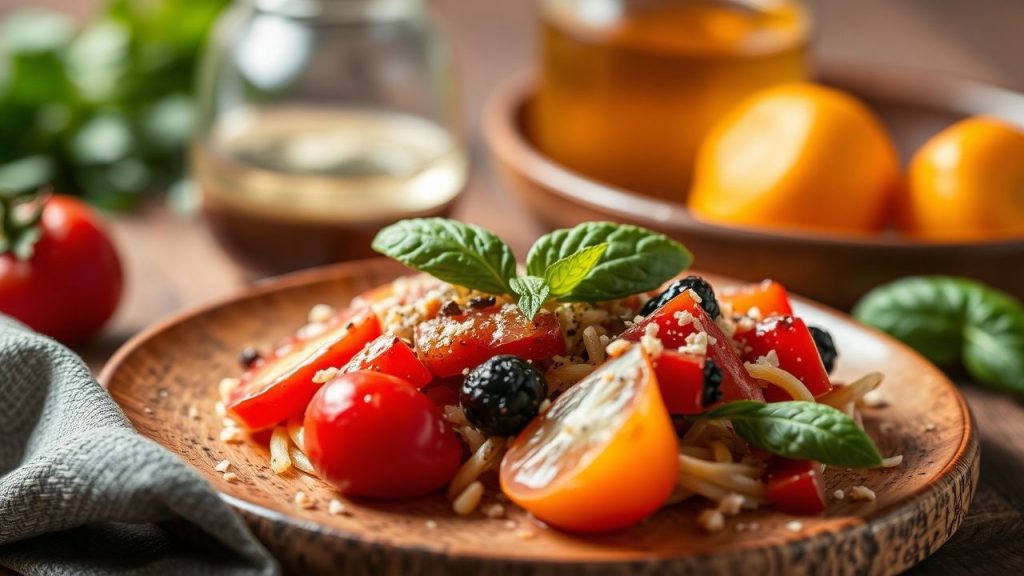
طبق بتناسق نكهات علمي يبهج الحنك ويغذي الروح

To deepen your practice, pair kitchen experiments with reference reading and controlled tasting. Use recipe templates in our recipe collection, and consult technique notes in the technique library to convert successful trials into reliable dishes.

See also: Flavor pairing
Unlocking Umami: 7 Proven Tips to Boost Flavor in Every Dish
7-Step Hearty Turkey Soup — Ultimate Cozy Classic
7 Pro Techniques: Layers of Flavor in Roasted Vegetable Lasagna
Microwave Risotto Mastery: 7 Steps to Gourmet Rice
Unlocking Safety: 7 Essential Facts About the FDA Food Code
TAGGED:andaroma chemistryculinary scienceflavorflavor pairingfood pairingMaillard reactionsciencesensory testingtheunlockingvolatile compounds
Share This Article
Facebook Pinterest Whatsapp Whatsapp LinkedIn Telegram Threads
What do you think?
Love0
Sad0
Happy0
Sleepy0
Angry0
Dead0
Wink0
Previous Article مكسرات وبذور محمصة تظهر تحولات النكهة والروائح نتيجة التفاعلات الكيميائية Unlocking Flavor: 7 Scientific Secrets of Toasting Nuts & Seeds
Next Article قوارير ومستخلصات نكهة وملعقة خشبية تعكس سحر استخراج النكهات Unlocking Taste: 7 Expert Secrets Behind Flavor Extracts
Creamy Garlic Chicken with melted Parmesan and fresh herbs on a rustic white plate
Garlic Chicken: 7 Ultimate Brilliant Recipes to Make the Best-Ever Creamy Garlic Chicken with Parmesan & Fresh Herbs
Extra Picks
Colorful bowls of Leftover Couscous transformed into salads, fritters, and stuffed peppers.
12 Amazing Practical Leftover Couscous Ideas: Brilliant Ways to Reuse and Remix
Uncategorized
Colorful jars of spice blends beside steaming couscous with herbs and lemon
7 Ultimate spice blends That Transform Your Couscous — Amazing Best Flavor Boosts
Uncategorized
Bowls of gluten-free couscous alternatives: quinoa, millet, cauliflower, and rice
10 Amazing couscous alternatives: Best Gluten-Free Swaps for Incredible Flavor
Uncategorized

Tags

and art baked baking science baking techniques Baking tips batch cooking beef behind browning techniques butternut squash caramelization cast iron skillet chemistry chicken comfort food Cooking science cooking technique Cooking techniques Cooking tips crafting creamy creamy soup crispy culinary science fish flavor flavor chemistry food food safety Food science for garlic golden Ground turkey hearty heat high-heat cooking high protein meals how instant read thermometer Lean protein magic Maillard reaction make ahead meals make ahead soup mastering meal prep Meal prep recipes meat thermometer microwave microwave cooking moisture control one pot meals Pan searing perfect perfectly Plant based protein Probe thermometer protein denaturation Quick dinners roasted roasted squash roasted tomato soup Roasted vegetables Roasting techniques savor savory science Searing technique Searing techniques secrets slow cooking squash steak steak cooking sweet temperature control the top turkey turkey soup turkey stew ultimate umami cooking umami flavor unlock unlocking unveiling vegetable velvety weeknight dinner Weeknight dinners weeknight meals what when why with your zesty
April 2026
M T W T F S S
 12345
6789101112
13141516171819
20212223242526
27282930  
« Mar    

You Might Also Like

- Stirred to Perfection: Constant vs. Intermittent Risotto Sec
Flavor Tests

Stirred to Perfection: 7 Pro Tips for Constant vs Intermittent Risotto

William J. Kroll
William J. Kroll
October 1, 2025
The Chemistry Behind Crafting Perfect Slow-Baked Potato Gratin
Low & Slow

7 Proven Chemistry Tips for Perfect Slow‑Baked Potato Gratin

William J. Kroll
William J. Kroll
November 16, 2025
- The Science Behind Crafting the Ultimate Smash Burger Flavor
Extra Picks

7 Science-Backed Steps to Craft the Ultimate Smash Burger Flavor

William J. Kroll
William J. Kroll
October 29, 2025
The Art & Science of Sourdough: Young vs Mature Starters Explained
Flavor Tests

Sourdough Starter Mastery: 7 Key Differences

William J. Kroll
William J. Kroll
February 17, 2026
Herb-Infused Baked Tilapia: A Flavorful Healthy Delight
Extra Picks

5 Expert Tips for Herb-Infused Baked Tilapia: Fast, Flavorful, Healthy

William J. Kroll
William J. Kroll
February 1, 2026
- Mustard Magic: The Science Behind Its Emulsifying Power
Fats & Emulsions

Mustard Mastery: 9 Science-Proven Ways to Stabilize Mustard Emulsions

William J. Kroll
William J. Kroll
October 3, 2025
Follow US
By Fimaw.com © All Rights Reserved.
  • Advertising Policy: 10 Practical Rules for Safe, Compliant Ads
  • Contact Us
  • Cookie Policy: Clear Guide for Site Owners
  • Copyright Notice Guide: 7 Essential Rules for Website Owners
  • Disclaimer
  • Privacy Policy
  • Terms of Service
Welcome Back!

Sign in to your account

Username or Email Address
Password

Lost your password?