By using this site, you agree to the Privacy Policy and Terms of Use.
Accept
CookOrBitCookOrBitCookOrBit
  • Home
  • About Us
  • Ingredient Science
    • Flavor & Aroma
    • Protein Chemistry
    • Sugar & Starch
    • Fats & Emulsions
  • Cooking Techniques
    • Searing & Grilling
    • Baking & Roasting
    • Boiling & Steaming
    • Low & Slow
  • Kitchen Experiments
    • DIY Ferments
    • Flavor Tests
    • Gadget Testing
    • Molecular Gastronomy
  • Food Myths
    • Searing Myth
    • 5-Second Rule
    • MSG Myths
    • Microwave Myths
  • Tools
  • More
    • Extra Picks
    • Quick & Easy
      • Breakfast Ideas
      • Desserts
      • Snacks
      • Soups
    • Global Flavors
      • Asian Street Eats
      • Latin Comforts
      • Mexican Flavors
      • Modern Mediterranean
CookOrBitCookOrBit
  • Home
  • About Us
  • Ingredient Science
  • Cooking Techniques
  • Kitchen Experiments
  • Food Myths
  • Tools
  • More
Search
  • Home
  • About Us
  • Ingredient Science
    • Flavor & Aroma
    • Protein Chemistry
    • Sugar & Starch
    • Fats & Emulsions
  • Cooking Techniques
    • Searing & Grilling
    • Baking & Roasting
    • Boiling & Steaming
    • Low & Slow
  • Kitchen Experiments
    • DIY Ferments
    • Flavor Tests
    • Gadget Testing
    • Molecular Gastronomy
  • Food Myths
    • Searing Myth
    • 5-Second Rule
    • MSG Myths
    • Microwave Myths
  • Tools
  • More
    • Extra Picks
    • Quick & Easy
    • Global Flavors
Follow US
  • Advertising Policy: 10 Practical Rules for Safe, Compliant Ads
  • Contact Us
  • Cookie Policy: Clear Guide for Site Owners
  • Copyright Notice Guide: 7 Essential Rules for Website Owners
  • Disclaimer
  • Privacy Policy
  • Terms of Service
By Fimaw.com
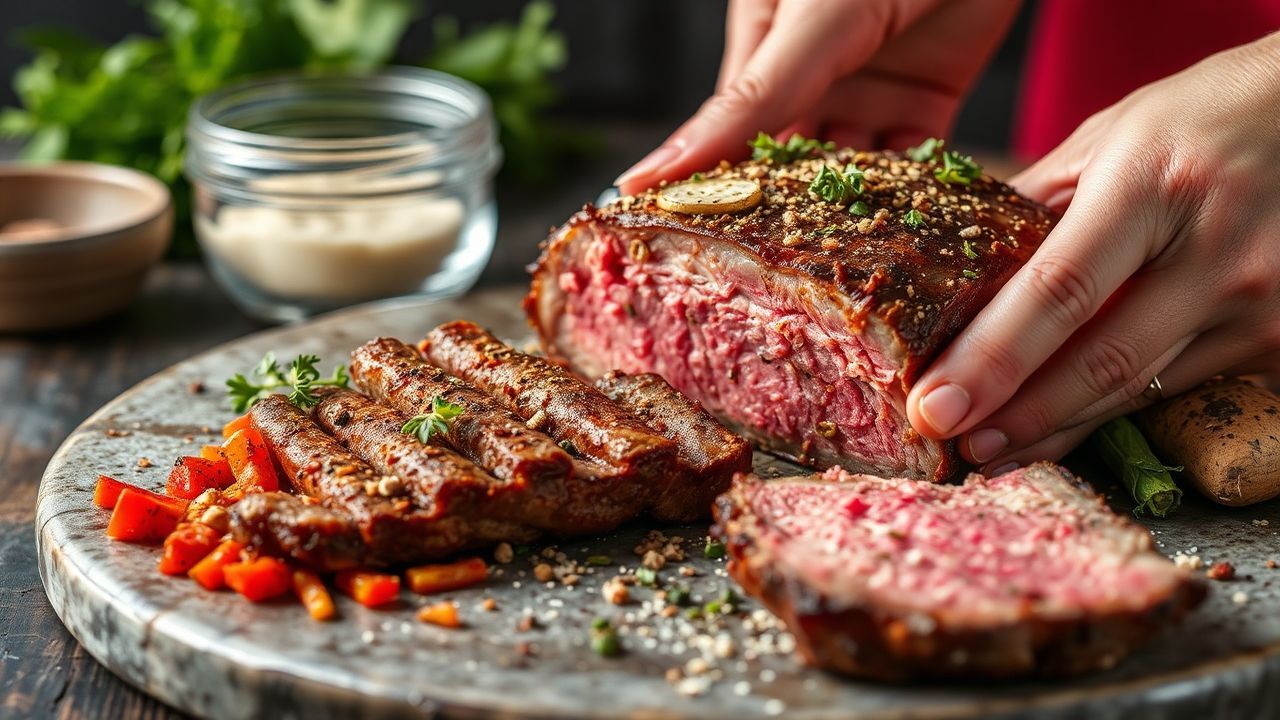
وعاء تمليح مع شرائح لحم وأعشاب يبرز سحر التمليح المثالي وعلومه
CookOrBit > Blog > Ingredient Science > Flavor & Aroma > 7 Brining Secrets: Unlock Flavor with Scientific Precision
Flavor & Aroma

7 Brining Secrets: Unlock Flavor with Scientific Precision

William J. Kroll
By William J. Kroll
Published: September 5, 2025
Share
SHARE

Imagine biting into a piece of meat that delivers consistent juiciness and deeply layered seasoning. Brining is the practical technique that achieves that result, backed by measurable chemistry and tactile cooking skills.

Contents
  • How brining works
    • Osmosis and protein interaction
  • Wet brine vs dry brine: choose by finish
  • Practical brine recipes and timing
    • Aromatics and flavor add-ins
  • Safety and common mistakes
  • Mastering texture and finish
  • FAQ
    • What is brining and why use it?
    • How does the science translate to cooking results?
    • Which is better: wet brine or dry brine?
    • How long should I brine different foods?
    • Are there foods that should not be brined?
  • Key takeaway: Brining increases moisture retention and seasons muscle fibers from the inside out.
  • Key takeaway: Salt concentration, time, and temperature drive reliable outcomes; aromatics refine the profile.
  • Key takeaway: Use wet or dry brines according to desired texture and finish; follow safety and timing guidelines.

How brining works

Brining relies on physical processes—primarily osmosis and diffusion—to move salt and water into tissue. The mechanics are straightforward and predictable when you control concentration and time.

Salt first draws some surface fluids out, which mix with the brine solution and then re-enter the muscle. This exchange alters protein structure and increases the meat’s ability to hold water.

- Advertisement -

Osmosis and protein interaction

Osmosis explains the initial movement of water; salt gradients cause liquid to shift across membranes until equilibrium forms. Read a concise primer on osmosis for the fundamental physical principle.

At the molecular level, salt partially denatures surface proteins so they bind water more effectively. That slight unfolding creates a network that traps moisture and helps the muscle stay tender during cooking.

Wet brine vs dry brine: choose by finish

Wet brines immerse food in a saltwater solution and are ideal when you want added water and uniform seasoning. They benefit large cuts and whole birds by increasing overall mass and juiciness.

- Advertisement -

Dry brines use salt rubbed on the surface and rely on the meat’s own juices to dissolve and redistribute salt. Dry brining concentrates flavor and favors crisp skin or crust because it avoids adding extra surface moisture.

For structured guidance on methods and step sequences, consult internal resources like brining techniques which outline equipment and timing for home cooks.

Practical brine recipes and timing

Measure salt by weight for repeatability, not by eye. A reliable starting point: 5-7% salt by weight for wet brines and a thin, even coating for dry brines on whole poultry.

- Advertisement -

Time scales vary by size. Small cuts need minutes to a few hours, mid-size roasts need several hours, and whole poultry often benefits from 8–24 hours depending on density.

Item Salt ratio (wet brine) Typical time
Chicken pieces 5% (50 g salt per liter) 1–4 hours
Whole chicken 6% (60 g/L) 8–12 hours
Pork chops 5–6% (50–60 g/L) 2–6 hours
Large roast 5–6% (50–60 g/L) 12–24 hours

Aromatics and flavor add-ins

Simple aromatics—garlic, peppercorns, citrus peel, bay leaf—add volatile compounds that infuse during the soak. Sugar balances salt and supports better browning via the Maillard reaction when roasting; learn more about that process on Maillard reaction.

Use small quantities of strong aromatics to avoid overpowering the primary ingredient. Test combinations on small portions before scaling up for a full roast.

💡 Expert Insight
Expert Insight: Measure salt by weight with a kitchen scale. Use kosher salt conversions only after verifying grain size, and adjust sugar sparingly; high sugar speeds browning but can char at high heat.

Start with a baseline recipe and iterate. For example, a basic brine of 50 g kosher salt and 25 g sugar per liter of water covers most poultry and pork cases reliably.

Safety and common mistakes

Keep brining food refrigerated at or below 4 °C (40 °F) to prevent bacterial growth. Always use a non-reactive container, such as food-grade plastic, stainless steel, or glass, to avoid metallic off-flavors.

Rinse only if needed. After wet brining, pat meat dry thoroughly to promote browning. Over-rinsing wastes seasoning; instead, blot and rest before cooking for a correct surface texture.

⚠️ Pro-Caution
Pro-Caution: Over-brining or using excessive salt concentration will make meat unpalatable and can alter texture to a mushy state. Follow tested ratios and time guidelines rather than guessing.

Avoid too-long brine times on delicate proteins like fish; they require far less exposure than tougher cuts. For vegetarian proteins like tofu, use shorter brine times and adjust salt down significantly to prevent collapse.

Mastering texture and finish

To optimize texture, combine brining with appropriate cooking techniques: high heat searing, controlled roasting, or quick frying depending on cut. Brining sets the stage, but technique delivers the finish.

Salt type matters. Table salt, kosher salt, and sea salt differ by density; convert by weight for accuracy. For a quick reference on the mineral, see salt properties and culinary uses.

When crisp skin is the goal, dry-brine and refrigerate uncovered for several hours to dry the surface. When juicy interior trumps crust, wet brine then dry thoroughly before high-heat cooking.

For recipe testing and step-by-step examples, refer to internal guides like brined chicken recipe and staging notes on brine-to-cook transitions.
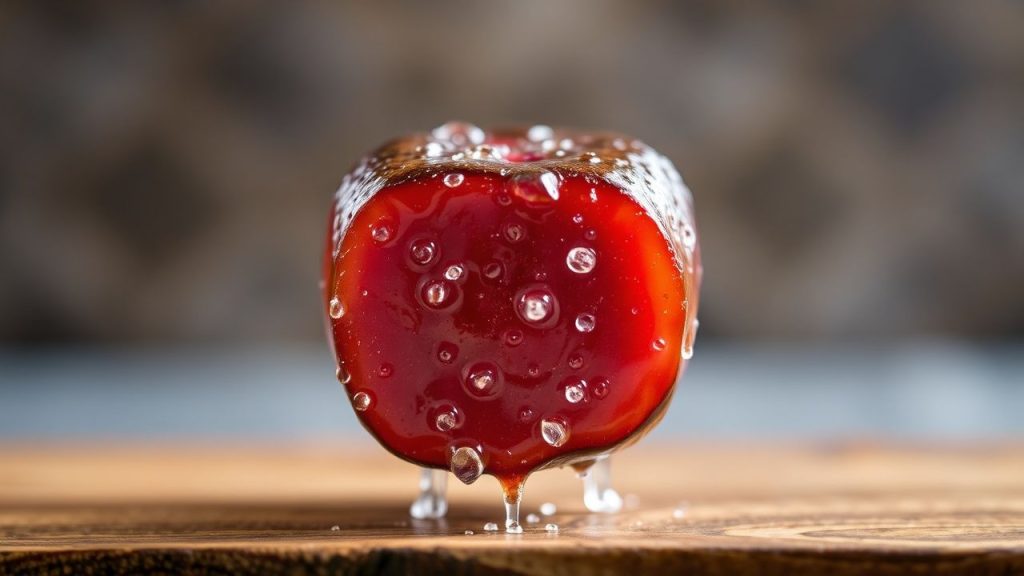
قطعة لحم في محلول مملح توضح تقنية النقع للحفاظ على الرطوبة

FAQ

What is brining and why use it?

Brining is soaking food in a salt solution to improve moisture retention and seasoning depth. It modifies protein structure so cooked meat releases less liquid and tastes seasoned through, not just on the surface.

How does the science translate to cooking results?

Salt and water move in predictable ways; proteins hold more water after partial denaturation, and surface seasoning penetrates inward. These measurable changes yield juicier texture and balanced flavor when you control variables.

Which is better: wet brine or dry brine?

Neither is universally better; choose based on desired outcome. Use wet brines to add moisture and even seasoning for large cuts. Use dry brines to concentrate flavor and achieve crisper skin.

How long should I brine different foods?

Times vary: vegetables and small cuts often need minutes to a few hours, poultry and roasts need several to many hours. Use the table above as a starting point and adjust for thickness and salt type.

Are there foods that should not be brined?

Delicate fish and some shellfish can become too soft with prolonged brining; brine cautiously and briefly. Highly processed or pre-salted products (like smoked ham) do not need additional brining unless a recipe explicitly calls for it.

Understanding the physical principles and practicing precise measurements gives you reproducible, restaurant-level results at home. Apply these seven core secrets—control salt by weight, match time to mass, pick the right brine type, add aromatics sparingly, keep food cold while brining, dry surfaces for crispness, and always test on small pieces before scaling up—and you will consistently unlock superior flavor and texture.

See also: Brining
Fig Vinaigrette: 7 Expert Tips to Sweeten Salads
7 Expert Secrets to Perfect Pizza Stones & Steels
7-Point Hearty Baked Fish Stew: Ultimate Savory Ocean Recipe
Maillard Reaction: 7 Expert Techniques to Unlock Irresistible Flavor
7 Proven Strategies to Master Single-Variable Experiments
TAGGED:andbrine recipesbriningbrining techniquesdry brinefood safetymeat scienceosmosissciencetheunlockingwet brine
Share This Article
Facebook Pinterest Whatsapp Whatsapp LinkedIn Telegram Threads
What do you think?
Love0
Sad0
Happy0
Sleepy0
Angry0
Dead0
Wink0
Previous Article أطباق نباتية غنية بالبروتين الكامل: مزيج حبوب وبقول وخضار متوازن 7 Proven Ways to Unlock Complete Proteins on a Plant-Based Diet
Next Article مخطط علمي يوضح كيف يحافظ الملح على اللحوم عبر الزمن 7 Science-Proven Salt Curing Methods That Preserve Meat
Hearty Beef and Broccoli Stew: A Flavorful Comfort Classic
Beef Stew: Hearty Beef & Broccoli Stew
Extra Picks
Hearty Chicken and Rice Soup: Comfort in Every Bowl
7 Pro Tips for Hearty Chicken Soup
Extra Picks
Sizzling Beef and Broccoli Skillet: Quick, Flavorful Feast
10-Min Beef Broccoli Skillet — Fast, Flavorful
Extra Picks
Savory Secrets to Perfectly Creamy Garlic Chicken Delight
7 Savory Secrets for Perfectly Creamy Garlic Chicken Delight
Extra Picks

Tags

and art baked baking science baking techniques Baking tips batch cooking beef behind butternut squash caramelization cast iron skillet chemistry chicken comfort food Cooking science cooking technique Cooking techniques Cooking tips crafting creamy creamy soup crispy culinary science fish flavor flavor chemistry food food safety Food science for garlic golden Ground turkey hearty heat high-heat cooking high protein meals how instant read thermometer lactic acid bacteria Lean protein magic Maillard reaction make ahead meals make ahead soup mastering meal prep Meal prep recipes meat thermometer microwave microwave cooking moisture control one pot meals Pan searing perfect perfectly Plant based protein Probe thermometer protein denaturation roasted roasted squash roasted tomato soup Roasted vegetables Roasting techniques Roux technique savor savory science Searing technique Searing techniques secrets slow cooking squash steak steak cooking sweet temperature control the top turkey turkey soup turkey stew ultimate umami cooking umami flavor unlock unlocking unveiling vegetable velvety weeknight dinner Weeknight dinners weeknight meals what when why with your zesty
March 2026
M T W T F S S
 1
2345678
9101112131415
16171819202122
23242526272829
3031  
« Feb    

You Might Also Like

Deliciously Easy Garlic Chicken: Your Perfect Keto Meal
Extra Picks

7-Step Garlic Chicken: Irresistible Easy Keto Dinner

William J. Kroll
William J. Kroll
December 23, 2025
Unlocking Flavor: The Science Behind Evidence-Based Cooking
Microwave Myths

Master Flavor Science: 7 Evidence-Based Techniques

William J. Kroll
William J. Kroll
February 16, 2026
Crafting the Ultimate Hot Gel: Secrets to Instant Warmth
Molecular Gastronomy

7 Expert Steps to Craft the Ultimate Hot Gel for Instant Warmth

William J. Kroll
William J. Kroll
January 12, 2026
- Unlocking Flavor: The Science Behind Perfect Carbonnade Flam
Low & Slow

Unlock Flavor: 7 Proven Steps to Perfect Carbonnade Flamande

William J. Kroll
William J. Kroll
October 5, 2025
From Pungent to Sweet: How Roasting Transforms Garlic’s Flavor
Baking & Roasting

7 Proven Ways Roasting Transforms Garlic: From Pungent to Sweet

William J. Kroll
William J. Kroll
December 19, 2025
- Trans Fats Unveiled: What They Are and Why They Matter
Fats & Emulsions

Trans Fats Exposed: 7 Evidence-Based Facts Every Consumer Must Know

William J. Kroll
William J. Kroll
September 29, 2025
Follow US
By Fimaw.com © All Rights Reserved.
  • Advertising Policy: 10 Practical Rules for Safe, Compliant Ads
  • Contact Us
  • Cookie Policy: Clear Guide for Site Owners
  • Copyright Notice Guide: 7 Essential Rules for Website Owners
  • Disclaimer
  • Privacy Policy
  • Terms of Service
Welcome Back!

Sign in to your account

Username or Email Address
Password

Lost your password?