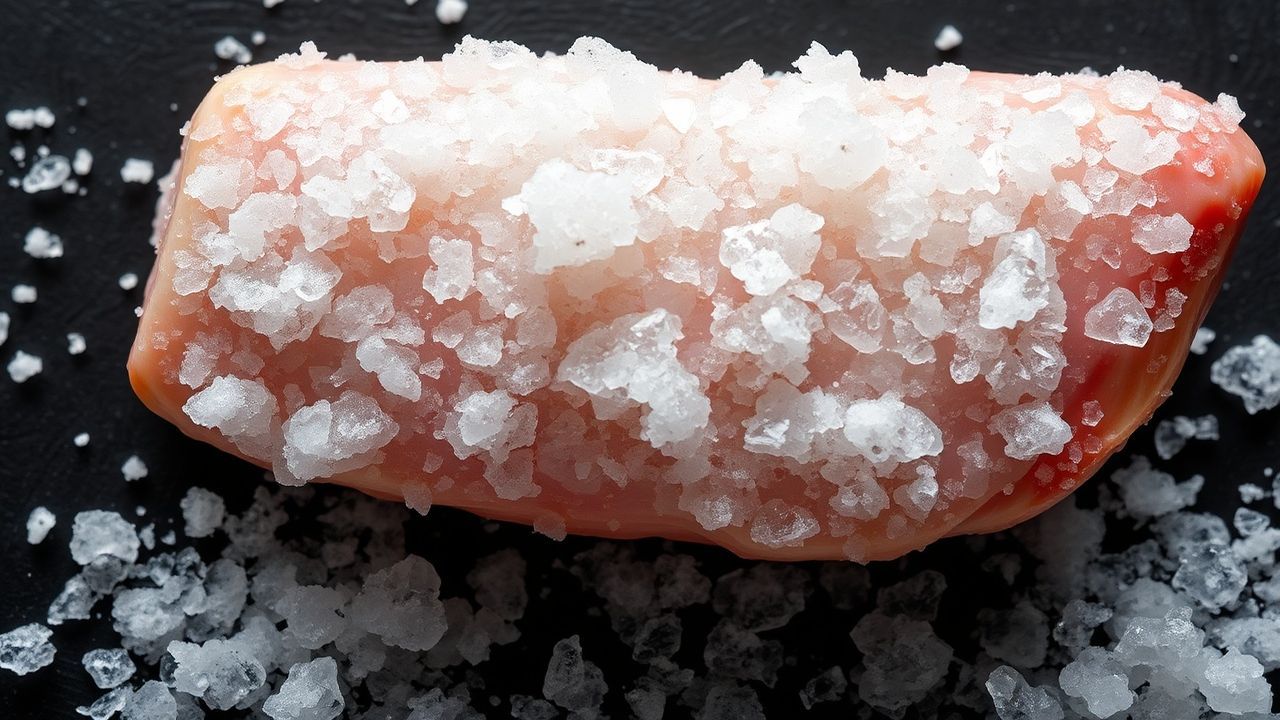

Salt curing has preserved meat for millennia by controlling water activity, microbial growth, and protein behavior in tissue. Practitioners use precise percentages, temperature control, and time to convert fresh muscle into stable, flavor-rich products.
- Salt curing mechanism: dehydration and osmotic stress
- How salt curing changes microbial viability and food safety
- Types of salt and how they influence salt curing
- Protein chemistry in salt curing: texture and color effects
- Practical steps for safe, repeatable salt curing
- Curing additives and modern adjustments in salt curing
- Method selection: matching salt curing technique to product goals
- Monitoring and control: critical parameters for salt curing
- Flavor development and sensory effects of salt curing
- Handy checklist before you start salt curing
- Common questions about salt curing
- At a glance: Salt lowers available water and limits microbes.
- Method matters: dry cure, brine, and injection change rate and texture.
- Safety essentials: correct salt percent, temperature, and validated nitrite formulas.
- Outcome: preserved shelf life plus distinct texture and flavor.
Salt curing mechanism: dehydration and osmotic stress
Salt curing works primarily by reducing free water in muscle and on surfaces, a concept measured as water activity. When salt contacts tissue it creates an osmotic gradient that draws water from cells and from contaminating microbes.
This movement of water across membranes is osmosis; review the physical principle on osmosis for the underlying physics. Reduced water activity slows metabolism and reproduction of many spoilage organisms.
How salt curing changes microbial viability and food safety
Lower water activity forces microbes into osmotic stress. Many common spoilage bacteria and some pathogens cannot grow below defined water-activity thresholds, so salt curing is an effective hurdle when applied correctly.
Industrial curing typically combines salt curing with cold storage and other barriers. For historical and technical context on combined methods, see food preservation.
Types of salt and how they influence salt curing
Different salts dissolve and migrate through tissue at different rates. Fine table salt penetrates quickly; coarse salts dissolve more slowly, giving a gradual cure and different flavor release.
Trace minerals in some sea salts can provide subtle sensory differences, but the preservative action comes from sodium chloride. For the chemistry of common salt, refer to salt (sodium chloride).
Dry cure versus brine in salt curing
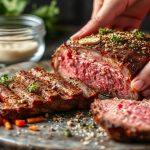
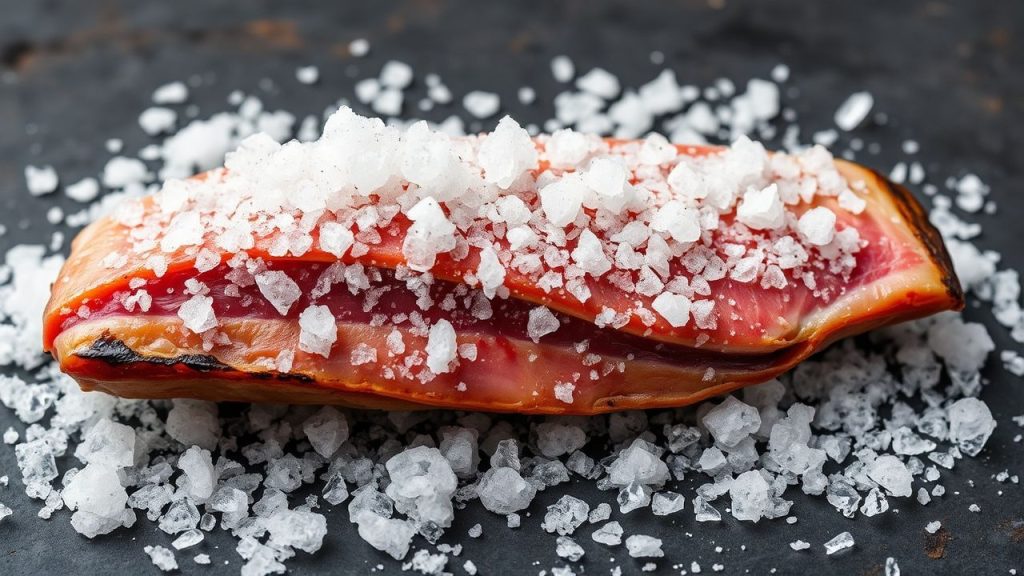
Dry cure applies salt directly to the meat surface; the process concentrates on-contact brine as moisture migrates out. This firming alters texture and concentrates flavor over days to weeks.
Brine cure dissolves salt in water and uses soaking or injection to distribute salt evenly. Brining reduces processing time but demands strict control of concentration and temperature for safety and consistency.
Protein chemistry in salt curing: texture and color effects
Salt interacts with myofibrillar proteins, solubilizing them and enabling protein networks to bind water differently. That change alters bite, sliceability, and the finished product’s juiciness.
Color changes in cured products often involve nitrite chemistry reacting with myoglobin. For background on the muscle pigment, see myoglobin. When nitrite is used, it stabilizes cured color and affects flavor.
Practical steps for safe, repeatable salt curing
Measure by weight. Use a gram scale to calculate percent salt relative to meat weight; common dry-cure rates for preservation range from 2% to 3.5% depending on product and desired outcome.
Control storage conditions. Most home cures require chilling at 0–4 °C (32–40 °F) during processing to limit growth of unwanted microbes and to keep enzymatic activity predictable.
[p]
Curing additives and modern adjustments in salt curing
Sodium nitrite remains a controlled additive in many cured products because it inhibits anaerobes like Clostridium botulinum and stabilizes color. Use only validated dose tables and follow regulatory limits; the compound is documented on sodium nitrite.
Processors often combine reduced-sodium salt blends with hurdle technologies such as refrigeration, acidification, or modified atmospheres to lower sodium while maintaining safety. Validation and testing remain essential when formulas change.
Method selection: matching salt curing technique to product goals
Choose dry cure for dense, aged products where texture and concentrated flavor matter. Dry cures favor slow moisture loss and encourage firmer slices over time.
Choose brine or injection for quicker, uniform salt distribution in larger or thicker cuts. Injection offers speed and consistent salt profile, but requires precise brine recipes and equipment to avoid pockets or over-salting.
Monitoring and control: critical parameters for salt curing
Track three variables: salt percent by weight, time, and temperature. Document each batch so you reproduce successful outcomes and spot deviations quickly.
Use calibrated thermometers and scales. Small errors scale up across batches; a 0.2% difference in salt can move a product from safe to borderline for shelf life and sensory quality.
Flavor development and sensory effects of salt curing
Salt concentrates flavors by reducing free water and by changing how proteins and fats release aroma. It enhances perceived saltiness and umami while modifying mouthfeel through protein binding.
Extended cures and controlled fermentations let enzymes and selected microflora build complexity. Many classic products—prosciutto, pancetta, and gravlax—use time and specific microflora to develop depth.
Balancing taste and health in salt curing
Cured meats can be high in sodium. Mitigate intake by reducing portion size, choosing lower-sodium formulations, or pairing cured items with vegetables and whole grains to balance a meal.
Manufacturers increasingly test partial-sodium substitutes and adjust process controls to maintain microbial safety while lowering sodium. Always review product labels for sodium and additive content.
Handy checklist before you start salt curing
Measure everything by weight. A gram-scale and percentage calculations give repeatable results.
Plan chilling and storage. Maintain cold-chain control throughout the cure and aging period to limit unwanted growth and errant fermentation.
Follow validated recipes for nitrite use, if any. Safety is formula-driven—consult institutional cure tables and published protocols when in doubt.
Document time, temperature, salt percent, and sensory checks. Good records make troubleshooting and scale-up practical.
Start small, observe texture and moisture changes daily, and adjust based on measured outcomes. Visual cues—firmness, reduced surface moisture, and uniform color—indicate salt migration and progress.
Common questions about salt curing
How quickly does salt curing preserve meat?
Salt begins reducing surface water immediately, but full penetration depends on grain size, meat thickness, and method. Dry cures typically take days to weeks; brining acts faster but still requires controlled time and temperature for safety.
Expect at least one day per kilogram for many traditional dry cures under typical household conditions; thicker cuts and colder temperatures extend that timeline.
Does sea salt preserve meat differently than table salt in salt curing?
All sodium chloride preserves via the same chemical mechanism. Differences in grain size and trace minerals affect cure rate and flavor nuance, not the fundamental preservative action.
Choose grain size to match the method: fine for quick penetration, coarse for gradual curing and tactile seasoning during handling.
Can salt curing replace refrigeration?
Historically, salt extended storage before refrigeration. Today, salt curing complements refrigeration but rarely replaces it for long-term safety except in strictly validated, low-moisture products.
Combine salt curing with cold storage for predictable safety and the best sensory results, especially when nitrite is not used.
Are cured meats safe to eat every day?
Moderation is sensible. Regular intake of high-sodium or nitrite-containing products can carry health considerations. Balance consumption with dietary choices and pay attention to portions.
When preparing cured meat at home, favor tested recipes and limit frequent consumption of high-sodium items in the diet.
Where can I learn validated salt curing recipes?
Use sources that publish tested, weight-based recipes: culinary-school manuals, accredited food-science textbooks, and government food-safety publications. These resources provide cure tables and validated formulas for nitrite and salt percentages.
Document each attempt, compare outcomes to the documented tables, and scale up only after consistent results across batches.
See also: salt, osmosis, food preservation, sodium nitrite
Salt curing remains a precise, measurable method for preserving meat when practitioners apply correct salt percentages, maintain temperature control, and follow validated additive rules. Use measurement, maintain records, and consult authoritative cure tables for safe, repeatable results.
See also: salt curing