By using this site, you agree to the Privacy Policy and Terms of Use.
Accept
CookOrBitCookOrBitCookOrBit
  • Home
  • About Us
  • Ingredient Science
    • Flavor & Aroma
    • Protein Chemistry
    • Sugar & Starch
    • Fats & Emulsions
  • Cooking Techniques
    • Searing & Grilling
    • Baking & Roasting
    • Boiling & Steaming
    • Low & Slow
  • Kitchen Experiments
    • DIY Ferments
    • Flavor Tests
    • Gadget Testing
    • Molecular Gastronomy
  • Food Myths
    • Searing Myth
    • 5-Second Rule
    • MSG Myths
    • Microwave Myths
  • Tools
  • More
    • Extra Picks
    • Quick & Easy
      • Breakfast Ideas
      • Desserts
      • Snacks
      • Soups
    • Global Flavors
      • Asian Street Eats
      • Latin Comforts
      • Mexican Flavors
      • Modern Mediterranean
CookOrBitCookOrBit
  • Home
  • About Us
  • Ingredient Science
  • Cooking Techniques
  • Kitchen Experiments
  • Food Myths
  • Tools
  • More
Search
  • Home
  • About Us
  • Ingredient Science
    • Flavor & Aroma
    • Protein Chemistry
    • Sugar & Starch
    • Fats & Emulsions
  • Cooking Techniques
    • Searing & Grilling
    • Baking & Roasting
    • Boiling & Steaming
    • Low & Slow
  • Kitchen Experiments
    • DIY Ferments
    • Flavor Tests
    • Gadget Testing
    • Molecular Gastronomy
  • Food Myths
    • Searing Myth
    • 5-Second Rule
    • MSG Myths
    • Microwave Myths
  • Tools
  • More
    • Extra Picks
    • Quick & Easy
    • Global Flavors
Follow US
  • Advertising Policy: 10 Practical Rules for Safe, Compliant Ads
  • Contact Us
  • Cookie Policy: Clear Guide for Site Owners
  • Copyright Notice Guide: 7 Essential Rules for Website Owners
  • Disclaimer
  • Privacy Policy
  • Terms of Service
By Fimaw.com
تجربة تذوق منزلية تستكشف النكهات الخمسة: حلو مالح حامض مر أومامي
CookOrBit > Blog > Ingredient Science > Flavor & Aroma > 5 Proven At-Home Taste Experiments to Master the Five Tastes
Flavor & Aroma

5 Proven At-Home Taste Experiments to Master the Five Tastes

William J. Kroll
By William J. Kroll
Published: September 2, 2025
Share
SHARE

Imagine unlocking a vivid sensory map on your tongue where each bite reveals a different building block of flavor. This guide gives practical, repeatable experiments you can run at home to identify sweet, sour, salty, bitter, and umami and to translate those observations into better seasoning choices.

Contents
  • Understanding the Five Tastes
  • Why these experiments matter for cooks
  • Setting Up Your At-Home Taste Lab
  • Step-by-Step Experiments
    • Sweet: Simple sugar vs natural sweeteners
    • Sour: Citrus and acid balance
    • Salty: Salt types and intensity
    • Bitter: Controlled tasting of bitter notes
    • Umami: Recognizing savory depth
  • Interpreting Results and Applying Findings
  • Safety, Hygiene, and Troubleshooting
  • Practical Tips for Ongoing Palate Training
  • FAQ
    • How long does it take to notice improvement?
    • Can children participate in these experiments?
    • Are these tests reliable if I have a cold?
    • How do I use umami without adding sodium?
    • What if I can’t taste bitterness at all?
    • Recommended Reading:
  • Practice isolation: learn to recognize a single taste without aroma or texture confounds.
  • Train a reliable log: record three descriptive words and intensity to track progress.
  • Balance with tools: acid, salt, sugar, and glutamate adjust perception in predictable ways.

Understanding the Five Tastes

The human gustatory system classifies chemical sensations into five core categories: sweet, sour, salty, bitter, and umami. Each category corresponds to receptor interactions at the tongue and oral cavity that generate distinct perceptual signatures.

For concise reference, review the physiology behind taste and oral receptors as summarized on Taste and the cellular sensing units described in Taste bud. These pages clarify why isolated sampling produces reproducible sensations.

- Advertisement -

Why these experiments matter for cooks

Training to identify the five tastes improves seasoning decisions and reduces guesswork at the stove. When you can reliably spot a dominant deficit—acid, salt, sweetness, or savory—you respond with a targeted correction instead of trial and error.

Chefs layer tastes to create depth and memory. Practicing controlled trials helps you choose finishing actions: a squeeze of citrus, a pinch of salt, a touch of sugar, or an umami boost. For applied seasoning strategies, see the internal note on seasoning basics.

Setting Up Your At-Home Taste Lab

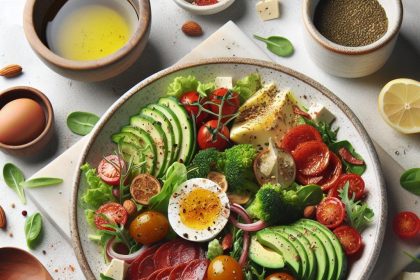
Use small, neutral tasting spoons or cups, a glass of still water, plain crackers, and tightly measured samples of representative ingredients. Use teaspoons or droppers to control dose and prevent cross-contamination.

- Advertisement -

Standardize conditions: sit upright, avoid strong fragrances, and test with a clean palate at least two hours after eating. For technical context on sensory pathways consult the Gustatory system overview.

Step-by-Step Experiments

Run each test singly and cleanse between samples using water and a plain cracker. Record immediate impressions and aftertaste duration on paper to build a consistent log.

Keep sample sizes small. Use roughly 1/4 teaspoon or a single drop for concentrated items like vinegar or soy to avoid temporary sensory fatigue and to ensure safety.

- Advertisement -

Sweet: Simple sugar vs natural sweeteners

Place a pea-sized amount of granulated sugar on your tongue and note onset speed and mouthfeel. Compare that to a small taste of honey to detect aromatic and textural differences.

Test how a tiny pinch of salt changes perceived sweetness. That contrast demonstrates how salt elevates sweet notes in sauces and baked goods and trains you to use finishing salt deliberately.

Sour: Citrus and acid balance

Taste a single drop of lemon juice and then a diluted vinegar sample. Focus on sharpness, where the sensation appears on the tongue, and the length of the puckering effect.

Next, add a trace of sugar or a small amount of oil to see how sourness moderates. Acid is a primary brightener; learning dose control prevents an overly aggressive finish.

Salty: Salt types and intensity

Compare a tiny pinch of table salt with the same mass of flaky sea salt. Notice perceived intensity and how crystal shape affects dissolution and immediate delivery of flavor.

Place salt on a plain cracker to feel how texture alters perception. These trials teach when to season in stages and when to apply finishing salt for maximum effect.

Bitter: Controlled tasting of bitter notes

Taste a small piece of dark chocolate or a leaf of kale to sample bitter character. Observe how quickly bitterness appears and how long the bitter finish persists.

Add a drop of acid or a pinch of salt to the bitter sample to note reduction in harshness. Bitterness provides complexity when balanced; training helps you use bitterness intentionally.

Umami: Recognizing savory depth

Try a tiny flake of aged Parmesan or a diluted splash of low-sodium soy sauce to sense umami’s round, mouth-coating quality. Umami often feels persistent and broad rather than sharp.

Compare umami from aged cheese with a light mushroom broth to detect glutamate-driven depth. For a scientific overview of this taste category consult Umami.

💡 Expert Insight
Expert Insight: Keep a simple log: sample, describe with three focused words, and score intensity 1–5. Review entries weekly. Repetition refines discrimination and shortens the time it takes to apply corrective seasoning in real recipes.

After single-taste trials, combine two tastes to observe interaction effects. For example, taste sweet then sour and notice how one alters the perception of the other.

Also evaluate aroma by sniffing before you taste; much of what we call flavor derives from retronasal olfaction. For more on smell and taste interaction, see Flavor.

Interpreting Results and Applying Findings

Translate sensory notes into targeted adjustments: add acid to brighten, salt to enhance, sweetness to round edges, or umami to deepen the impression. Match corrections to specific descriptors in your log.

Apply small, incremental changes in recipes. If tomato sauce tastes flat, a squeeze of lemon or a splash of low-sodium soy can lift it without masking other ingredients. Use your recorded patterns to shortcut decision-making.

Safety, Hygiene, and Troubleshooting

Sanitize tasting implements and use small sample sizes. Rinse with water and a plain cracker between tests to preserve accuracy across trials.

A sudden shift in taste perception can result from medications, smoking, or illness. If you notice persistent loss or distortion of taste or smell, seek clinical evaluation for anosmia or dysgeusia.

⚠️ Pro-Caution
Pro-Caution: Never taste unknown chemicals or household cleaners. Avoid concentrated acids and excessive salt. Stop testing immediately if you experience irritation, swelling, or breathing difficulty and consult a health professional.

Practical Tips for Ongoing Palate Training

Practice weekly with different sources for the same taste—another cheese for umami or a different citrus for sour. Variation builds pattern recognition and transferable skills for recipe work.

Work with a partner to compare notes; labeling sensations aloud improves accuracy and memory. Over time you will calibrate seasoning decisions faster and with more confidence.

FAQ

How long does it take to notice improvement?

Most people detect measurable progress within two to four weeks of weekly practice. Sensory memory strengthens quickly when you record and review observations.

Can children participate in these experiments?

Yes, with supervision. Use mild samples and avoid excessive salt or concentrated acid. Keep sessions brief, controlled, and enjoyable.

Are these tests reliable if I have a cold?

No. Nasal congestion reduces retronasal smell and will blunt perceived flavor. Reschedule testing for when congestion clears for accurate results.

How do I use umami without adding sodium?

Choose natural glutamate sources such as tomatoes, dried mushrooms, and aged cheeses used sparingly. Use low-sodium miso or soy in small quantities to add depth with minimal additional salt.

What if I can’t taste bitterness at all?

Genetic variation affects sensitivity to some bitter compounds. Track patterns in your log and rely on acid and salt to add perceived balance when bitterness seems weak.

With consistent practice you will convert these experiments into a reliable seasoning strategy. The more you test and record, the faster you will identify and correct flavor imbalances in cooking.
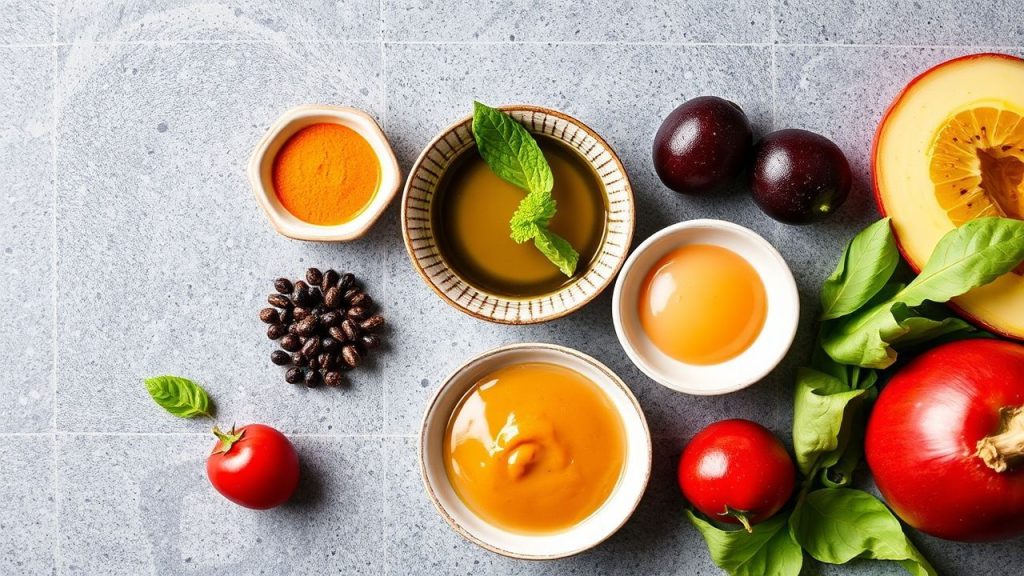
مائدة تجربة تذوق منزلية للخمسة أذواق مع ملاعق وأطباق صغيرة

See also: Five Tastes | Seasoning Basics
Recommended Reading:

  • Unlocking Nature’s Scents: What Are Terpenes in Herbs?
  • Unlocking Flavor: How Aging Beef Intensifies Taste Richness
  • Nose Plugged: How Apples and Onions Transform Your Tastebuds
9 Expert Steps to a Perfect Croissant Crust
12 Wild Fermentation Secrets: Nature’s Flavor Revolution
Bright Start: 5-Step Lemon Blueberry Overnight Oats Recipe
7 Heat Secrets for Puffy, Perfect Pita Bread
Mastering Thick Meat: 7 Pro Techniques for Even Roasting Perfection
TAGGED:andCulinary seasoningexperimentexploreFive tastesflavor balancingflavor perceptionHome taste labpalate trainingseasoning techniquesSensory experimentstaste budsTaste testingtaste trainingtastingtheumami enhancementyour
Share This Article
Facebook Pinterest Whatsapp Whatsapp LinkedIn Telegram Threads
What do you think?
Love0
Sad0
Happy0
Sleepy0
Angry0
Dead0
Wink0
Previous Article تغير بروتينات الألبان تحت الحرارة موضح بتجارب علمية ومراحل مخبرية 7 Essential Transformations of Dairy Proteins Under Heat
Next Article شيف يتذوق طعامًا بتركيز لتعلّم فن تذوّق النكهات Tasting Techniques: 10 Pro Chef Methods to Sharpen Palate
Creamy Garlic Chicken with melted Parmesan and fresh herbs on a rustic white plate
Garlic Chicken: 7 Ultimate Brilliant Recipes to Make the Best-Ever Creamy Garlic Chicken with Parmesan & Fresh Herbs
Extra Picks
Colorful bowls of Leftover Couscous transformed into salads, fritters, and stuffed peppers.
12 Amazing Practical Leftover Couscous Ideas: Brilliant Ways to Reuse and Remix
Uncategorized
Colorful jars of spice blends beside steaming couscous with herbs and lemon
7 Ultimate spice blends That Transform Your Couscous — Amazing Best Flavor Boosts
Uncategorized
Bowls of gluten-free couscous alternatives: quinoa, millet, cauliflower, and rice
10 Amazing couscous alternatives: Best Gluten-Free Swaps for Incredible Flavor
Uncategorized

Tags

and art baked baking science baking techniques Baking tips batch cooking beef behind browning techniques butternut squash caramelization cast iron skillet chemistry chicken comfort food Cooking science cooking technique Cooking techniques Cooking tips crafting creamy creamy soup crispy culinary science fish flavor flavor chemistry food food safety Food science for garlic golden Ground turkey hearty heat high-heat cooking high protein meals how instant read thermometer Lean protein magic Maillard reaction make ahead meals make ahead soup mastering meal prep Meal prep recipes meat thermometer microwave microwave cooking moisture control one pot meals Pan searing perfect perfectly Plant based protein Probe thermometer protein denaturation Quick dinners roasted roasted squash roasted tomato soup Roasted vegetables Roasting techniques savor savory science Searing technique Searing techniques secrets slow cooking squash steak steak cooking sweet temperature control the top turkey turkey soup turkey stew ultimate umami cooking umami flavor unlock unlocking unveiling vegetable velvety weeknight dinner Weeknight dinners weeknight meals what when why with your zesty
April 2026
M T W T F S S
 12345
6789101112
13141516171819
20212223242526
27282930  
« Mar    

You Might Also Like

Sweet & Savory Slow Cooker Honey Garlic Beef Recipe Guide
Extra Picks

7-Pro Tips: Sweet & Savory Slow Cooker Honey Garlic Beef

William J. Kroll
William J. Kroll
February 1, 2026
- Unlocking Dough Secrets: The Gluten Windowpane Test Explaine
Protein Chemistry

Unlocking Dough Secrets: 7-Step Windowpane Test to Master Gluten Strength

William J. Kroll
William J. Kroll
October 29, 2025
Deliciously Easy Garlic Chicken: Your Perfect Keto Meal
Extra Picks

7-Step Garlic Chicken: Irresistible Easy Keto Dinner

William J. Kroll
William J. Kroll
December 23, 2025
Why Is My Pie Crust Tough? Secrets to Tender Pastry Unveiled
Protein Chemistry

Why Is My Pie Crust Tough? 7 Expert Fixes for Tender, Flaky Pastry

William J. Kroll
William J. Kroll
February 10, 2026
Brighten Your Snack Time with Roasted Red Pepper Hummus
Extra Picks

7 Bold Ways to Brighten Snack Time with Roasted Red Pepper Hummus

William J. Kroll
William J. Kroll
January 26, 2026
Sloppy Joes Made Simple: Fast, Flavorful, and Fuss-Free!
Extra Picks

Sloppy Joes Made Simple: 7 Fast Steps for Flavorful, Fuss-Free Dinners

William J. Kroll
William J. Kroll
December 25, 2025
Follow US
By Fimaw.com © All Rights Reserved.
  • Advertising Policy: 10 Practical Rules for Safe, Compliant Ads
  • Contact Us
  • Cookie Policy: Clear Guide for Site Owners
  • Copyright Notice Guide: 7 Essential Rules for Website Owners
  • Disclaimer
  • Privacy Policy
  • Terms of Service
Welcome Back!

Sign in to your account

Username or Email Address
Password

Lost your password?