
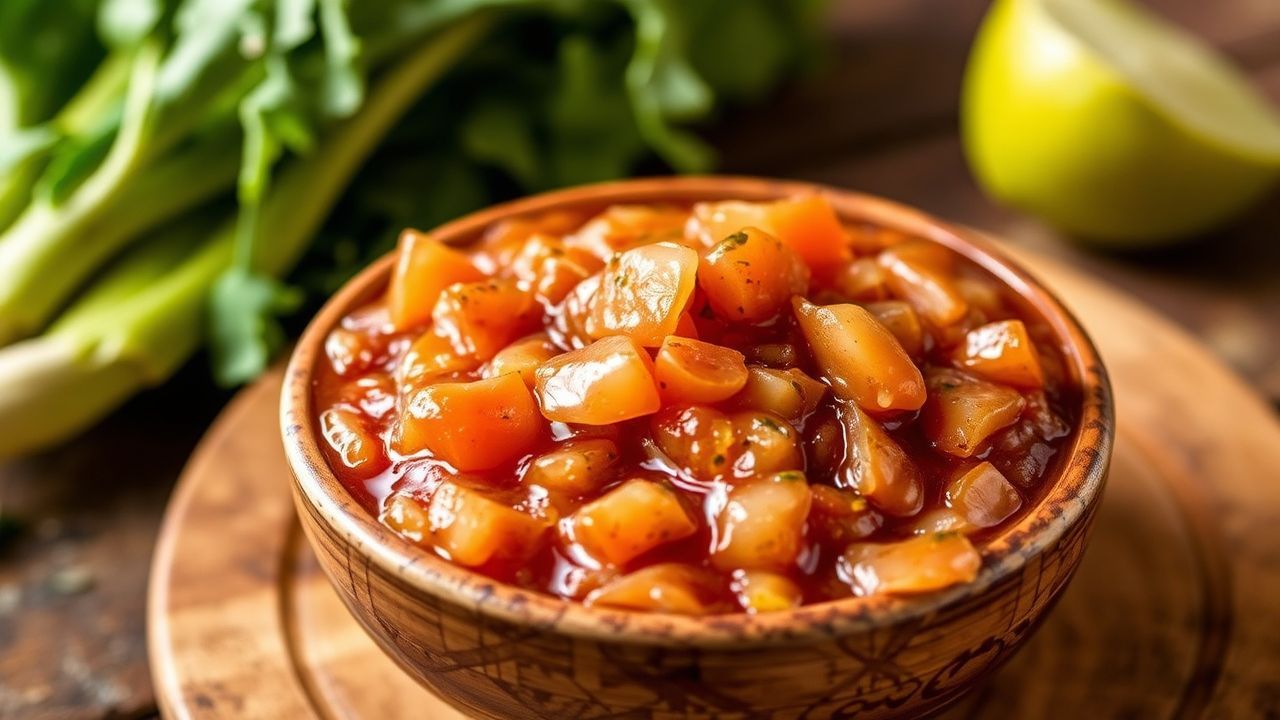

In the vibrant tapestry of Salvadoran cuisine, curtido stands out as a bright, tangy cabbage relish. It provides crunch, acidity, and spice that lift rich dishes and connects home cooks to the kitchens of El Salvador.
- Prep and Cook Time
- Yield and Difficulty
- Ingredients
- Instructions
- 1. Prepare the cabbage
- 2. Salt and massage
- 3. Add vegetables and aromatics
- 4. Prepare and combine the brine
- 5. Pack and ferment
- 6. Refrigerate and store
- Tips for Customizing Curtido
- Chef’s Notes
- Serving Suggestions
- Nutritional Snapshot
- Further Reading
- FAQ
- Key takeaway: Curtido balances vinegar, salt, and fresh vegetables for a crunchy, tangy condiment.
- Fermentation tip: Short ferment (24–48 hours) preserves crunch while building flavor via natural fermentation.
- Serving idea: Serve cool with warm pupusas or grilled proteins for contrast.
Prep and Cook Time
Preparation: About 20 minutes of active work for shredding and brining. The hands-on steps focus on texture control and even seasoning.
Fermentation: 24 to 48 hours at room temperature, then refrigerate. Taste frequently to achieve the desired tang without losing crunch.
- Total: Approximately 2 days including fermentation
Yield and Difficulty
This recipe yields roughly 4 cups, enough to serve 4–6 people as a side or condiment. Quantities scale easily for larger batches.
Difficulty is easy to medium. The most technical element is managing fermentation time to preserve texture while developing flavor.
Ingredients
Use fresh, crisp produce for the best texture and flavor. Key ingredients include cabbage, carrots, onion, vinegar, salt, and a fresh pepper for heat.
Below is a practical ingredient list with professional notes on purpose and options.
- 1 medium green cabbage, finely shredded (about 6 cups)
- 1 large carrot, julienned or grated
- 1 small white onion, thinly sliced
- 2 cloves garlic, minced
- 1–2 fresh jalapeños, thinly sliced (seeded for less heat)
- 1 tablespoon kosher salt
- 1 cup distilled white vinegar
- 1 cup water
- 1 teaspoon dried oregano (Mexican oregano if available)
- 1 teaspoon sugar (optional)
Instructions
Follow these seven focused steps to make curtido that is crisp, bright, and balanced. Each step emphasizes texture control and safe, controlled fermentation.
Read each section before you begin. Proper sequencing prevents sogginess and produces repeatable results.
1. Prepare the cabbage
Remove any damaged outer leaves and quarter the cabbage. Finely shred with a sharp knife or mandoline for consistent bite and even brine penetration.
Even shreds ferment and pickle more predictably. Uniform pieces ensure the salt and vinegar distribute evenly.
2. Salt and massage
Sprinkle the kosher salt over the shredded cabbage and use clean hands to massage for about five minutes. The salt draws moisture, softens fibers, and begins natural enzymatic activity.
This step preserves crunch while activating the tumble of juices that will mix with vinegar later. It also reduces ferment time required for tang.
3. Add vegetables and aromatics
Toss in the julienned carrot, thinly sliced onion, minced garlic, and jalapeño slices. Mix until the vegetables distribute evenly and the cabbage liquid combines with the aromatics.
At this stage, adjust heat level and aromatics. Remove seeds for mild heat or leave them for more intensity.
4. Prepare and combine the brine
Whisk the white vinegar, water, dried oregano, and sugar until the sugar dissolves. The vinegar provides immediate acidity and safety; the water dilutes acidity for balance.
Pour the brine over the vegetable mix and stir gently. Ensure the mix sits beneath the brine surface to prevent exposure to air pockets.
5. Pack and ferment
Pack the curtido tightly into a clean glass jar or fermentation crock, pressing down to eliminate air pockets. Cover with a loose lid or a cloth secured by a band to allow gases to escape.
Leave at cool room temperature for 24–48 hours. Taste after 24 hours and again at 48 to judge tang and texture. Move to refrigeration once you reach the desired brightness.
6. Refrigerate and store
Seal the jar tightly and refrigerate; curtido continues to mellow, and flavors integrate over the next 48 hours in the fridge. Use within two weeks for best texture.
Label the jar with the date. Cold storage slows fermentation and preserves the fresh, crisp mouthfeel.
Tips for Customizing Curtido
Professional cooks tailor curtido to pair with specific proteins or palates. Small adjustments create notable shifts in aroma, heat, and acidity.
Experiment confidently; curtido is forgiving. Keep records of quantities and times for consistent results.
- Adjust the heat: Use serranos or remove seeds for milder heat.
- Spice variations: Bay leaf, cumin, or fresh thyme add layered aroma.
- Vegetable swaps: Add radishes or thin bell pepper slices for extra crunch.
- Sweeteners: Honey or agave in place of sugar gives a rounded sweetness.
Keep one jar as a baseline batch. Small changes in pepper type or oregano quantity produce clear differences. Track those changes on a simple notepad near your jars.
Chef’s Notes
Select produce with dense, tight leaves and firm carrots to maximize crunch. Avoid limp or puckered greens; they ferment into soft textures quickly.
Replace part of the vinegar with fresh lemon juice for a brighter, citrusy note without losing acidity. Always adjust salt to taste before packing.
Serving Suggestions
Serve curtido chilled to contrast warm, starchy dishes. It excels with the classic warm pupusas as well as grilled meats and fish.
Use curtido as a bright topping for tacos, sandwiches, or avocado toast. For fermentation background reading, see our internal fermentation tips page for best practices and troubleshooting.
Nutritional Snapshot
Curtido is low in calories and rich in fiber and micronutrients from fresh vegetables. The vinegar and short fermentation add tang without significant calories.
Fermented curtido also provides live cultures when prepared with natural brine and minimal pasteurizing. These cultures can support gut variety but vary by method and duration.
| Nutrient | Per Serving (¼ cup) |
|---|---|
| Calories | 25 |
| Protein | 1 g |
| Carbohydrates | 5 g |
| Fat | 0 g |
Further Reading
To understand the ingredient history and cultural context, consult reliable references. These links point to established encyclopedic pages that explain origin and technique.
For background on the main vegetable and related dishes, review resources on cabbage and pupusas. The fermentation process is summarized in the linked entry on fermentation.
FAQ
What exactly is curtido?
Curtido is a Salvadoran-style cabbage slaw that balances vinegar, salt, and fresh vegetables. It functions as an acidic, crunchy condiment for rich or fried foods.
The preparation ranges from quick-pickled (hours) to short-fermented (24–48 hours) depending on desired depth and probiotic content.
Can I make curtido without fermenting?
Yes. The quick-pickle method mixes vegetables with vinegar and chills for a few hours. This produces immediate tang without natural fermentation.
Short fermentation adds subtle complexity and live cultures, but quick pickling is safe, fast, and excellent when you need curtido that day.
How long does curtido keep in the refrigerator?
Refrigerated curtido typically stays good for up to two weeks while maintaining good crunch. Flavor will continue to mellow in the cold.
Always use a clean utensil to remove servings to avoid introducing contaminants that shorten shelf life.
Is curtido healthy?
Curtido is low-calorie and high in fiber, vitamins, and flavor with minimal added fats. Naturally fermented curtido may provide beneficial microbes.
However, probiotic content varies by method. If you require therapeutic probiotics, consult food science resources and adjust fermentation accordingly.
What pairs best with curtido?
Traditionally, curtido pairs with pupusas and other Salvadoran staples. It also complements grilled meats, tacos, sandwiches, and fried foods.
Use curtido to introduce acidity and texture contrast to rich dishes for a balanced plate.
See also: Curtido