
By using this site, you agree to the Privacy Policy and Terms of Use.
Accept
CookOrBitCookOrBitCookOrBit
  • Home
  • About Us
  • Ingredient Science
    • Flavor & Aroma
    • Protein Chemistry
    • Sugar & Starch
    • Fats & Emulsions
  • Cooking Techniques
    • Searing & Grilling
    • Baking & Roasting
    • Boiling & Steaming
    • Low & Slow
  • Kitchen Experiments
    • DIY Ferments
    • Flavor Tests
    • Gadget Testing
    • Molecular Gastronomy
  • Food Myths
    • Searing Myth
    • 5-Second Rule
    • MSG Myths
    • Microwave Myths
  • Tools
  • More
    • Extra Picks
    • Quick & Easy
      • Breakfast Ideas
      • Desserts
      • Snacks
      • Soups
    • Global Flavors
      • Asian Street Eats
      • Latin Comforts
      • Mexican Flavors
      • Modern Mediterranean
CookOrBitCookOrBit
  • Home
  • About Us
  • Ingredient Science
  • Cooking Techniques
  • Kitchen Experiments
  • Food Myths
  • Tools
  • More
Search
  • Home
  • About Us
  • Ingredient Science
    • Flavor & Aroma
    • Protein Chemistry
    • Sugar & Starch
    • Fats & Emulsions
  • Cooking Techniques
    • Searing & Grilling
    • Baking & Roasting
    • Boiling & Steaming
    • Low & Slow
  • Kitchen Experiments
    • DIY Ferments
    • Flavor Tests
    • Gadget Testing
    • Molecular Gastronomy
  • Food Myths
    • Searing Myth
    • 5-Second Rule
    • MSG Myths
    • Microwave Myths
  • Tools
  • More
    • Extra Picks
    • Quick & Easy
    • Global Flavors
Follow US
  • Advertising Policy: 10 Practical Rules for Safe, Compliant Ads
  • Contact Us
  • Cookie Policy: Clear Guide for Site Owners
  • Copyright Notice Guide: 7 Essential Rules for Website Owners
  • Disclaimer
  • Privacy Policy
  • Terms of Service
By Fimaw.com
- Resting Steak: What Happens When You Skip the Wait?
CookOrBit > Blog > Ingredient Science > Protein Chemistry > 7 Powerful Reasons Resting Steak Boosts Juiciness (Don’t Rush Resting Steak)
Protein Chemistry

7 Powerful Reasons Resting Steak Boosts Juiciness (Don’t Rush Resting Steak)

William J. Kroll
By William J. Kroll
Published: September 30, 2025
Share
SHARE

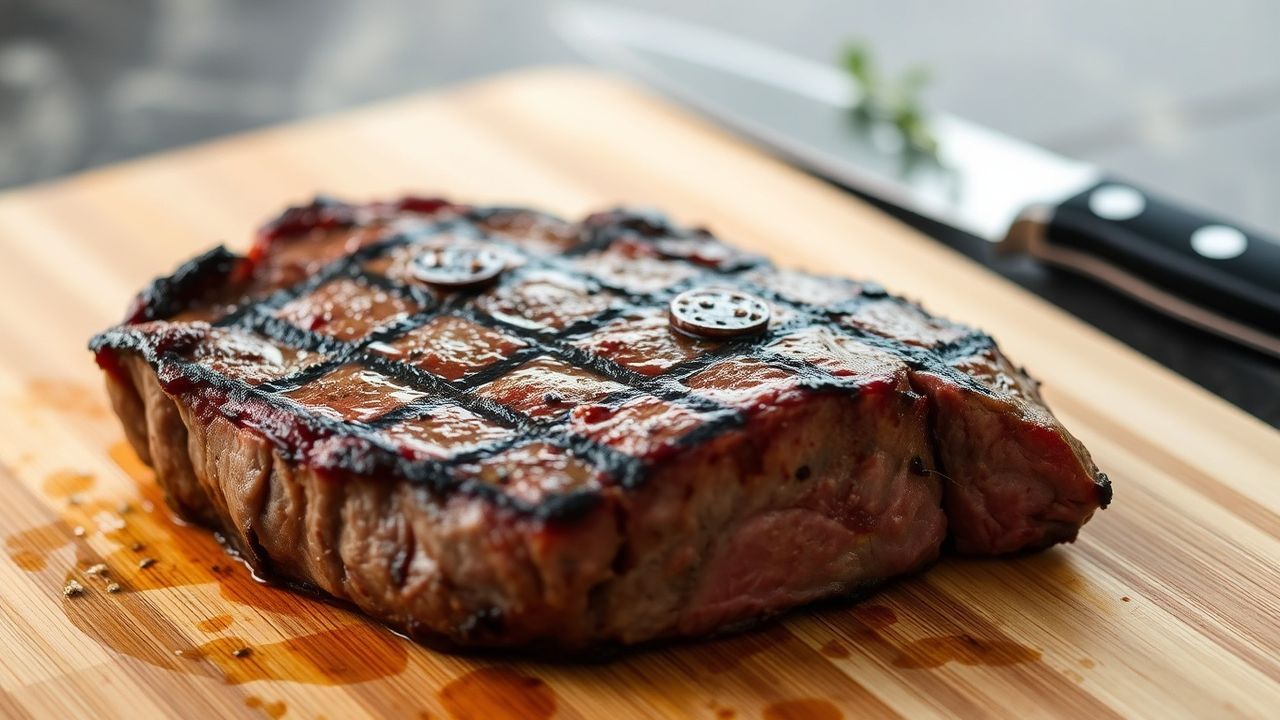
Resting steak transforms a hot, seared slab into a consistently juicy, tender bite. Professional cooks rely on this pause because heat redistributes and muscle fibers relax, which preserves flavor and texture. A rushed cut wastes those juices and undermines your sear.

Contents
  • Why Resting Steak Matters: The Science in Plain Terms
  • What Happens When You Cut a Steak Too Soon
  • How Long to Rest Steak: Timing Rules That Work
    • Resting Times by Cut and Thickness
  • Step-by-Step: Cook, Resting Steak, Finish — A Practical Workflow
    • Detailed Instructions
  • Practical Alternatives When You’re Short on Time
  • Common Mistakes and How to Avoid Them
  • Chef Notes: Small Techniques, Big Differences
  • Relevant Reading
  • FAQ
    • How long should I rest a 1-inch steak?
    • Does the steak keep cooking while resting?
    • Can resting ruin the sear?
    • Is resting necessary for all meats?
    • What tool gives the best consistency?
  • Resting steak keeps juices in the meat, not on your cutting board.
  • Carryover cooking finishes doneness while protecting the crust.
  • Tent loosely to preserve crust and retain warmth without steaming.
  • Match rest time to thickness — thicker cuts need longer rests.

Why Resting Steak Matters: The Science in Plain Terms

When a steak meets high heat, muscle fibers contract and push moisture toward the center. Resting steak lets those fibers relax and reabsorb some of the expelled juices, preserving tenderness.

Thermal movement then evens internal temperature as heat migrates inward. This carryover effect raises internal temperature a few degrees and stops overcooking the crust while the interior finishes. For context on heat transfer in cooking, see cooking.

- Advertisement -

What Happens When You Cut a Steak Too Soon

Cut too early and juices run out, leaving a wet plate and a drier interior. Those visible juices contain flavor compounds and dissolved proteins; losing them reduces taste and mouthfeel.

Cutting prematurely also flattens the contrast between the browned crust and the interior. The desirable crust forms through the Maillard reaction. If you slice too soon or wrap tightly, that crust cools and softens, diminishing texture.

How Long to Rest Steak: Timing Rules That Work

Use a simple rule: rest for roughly half the active cooking time for most steaks. If you seared a steak for 8–10 minutes total, plan 4–5 minutes of rest to balance juice redistribution with temperature retention.

- Advertisement -

For precision, rely on internal temperatures and carryover expectations. Most steaks rise 3–8°F (1.5–4°C) off the heat. Pull steaks a few degrees below your target doneness and let resting steak finish the job.

Resting Times by Cut and Thickness

For a 1-inch steak, allow about 4–6 minutes. For 1.5–2 inch cuts, allow 8–12 minutes. Larger roasts require 15–30 minutes depending on mass.

Thin steaks (under ¾ inch) cool quickly and benefit from a short pause of 2–3 minutes. Reserve longer rests for steaks where carryover meaningfully affects final temperature.

- Advertisement -

Step-by-Step: Cook, Resting Steak, Finish — A Practical Workflow

Follow a clear sequence for consistent results: season, sear, rest, slice. This order protects juices and showcases your crust. Each step supports the next, so do not skip the pause.

Bring the steak to near room temperature for 20–30 minutes and salt just before cooking. Sear on high heat in a heavy skillet or cast-iron. For searing technique, see our internal guide on how to sear steak.

Detailed Instructions

1. Pat the steak dry and season both sides with coarse salt and cracked pepper. A dry surface produces a better sear. 2. Heat the pan until it just smokes; add a high-smoke-point oil and sear undisturbed to form a crust.

3. Flip once to cook the second side and add aromatics like garlic, thyme, and butter to baste for flavor. 4. Transfer to a warm plate and tent loosely with foil; rest for the recommended time before slicing against the grain.

Slicing and Serving

Always slice against the grain to shorten muscle fibers and improve tenderness. Cut uniform slices to preserve temperature and mouthfeel when served.

Pair steak with contrasting textures and acidic elements — crisp vegetables or a bright vinaigrette balance the richness. For doneness targets and temperature charts, consult our steak doneness guide.

💡 Expert Insight
Expert Insight: Use an instant-read thermometer. Pull steaks 3–5°F lower than your target, tent for the recommended rest time, then slice. This removes guesswork and preserves juices.

If you tent after searing, keep the foil loose to avoid trapping steam. A loose tent holds warmth while allowing airflow that protects the crust.

⚠️ Pro-Caution
Pro-Caution: Do not wrap a hot steak tightly. Tight wrapping traps steam, softens the crust, and can dilute flavor. Always tent loosely to retain heat without sacrificing texture.

Sous-vide cooks need a shorter rest since the piece sits at a uniform temperature. Still, a quick sear followed by a brief rest improves texture and appearance by setting a crust without forcing juices out.

Practical Alternatives When You’re Short on Time

If time is tight, use strategies that mimic resting steak benefits without a long pause. A low oven at about 140°F (60°C) preserves heat while allowing redistribution for 3–5 minutes.

Another tactic is to remove the steak just shy of final temperature. Because of carryover cooking, residual heat finishes the doneness while a short rest prevents juice loss. Larger slices at service also help maintain internal moisture on the plate.

Common Mistakes and How to Avoid Them

Wrapping steaks tightly in foil to preserve heat is a common mistake. That traps steam and softens your sear; avoid it. Use a loose tent or rest on a warm plate instead.

Over-resting thin cuts is another error: extended waits cool them down and require reheating, which risks overcooking. Match rest length to cut size and thickness to keep temperature and texture optimal.

Chef Notes: Small Techniques, Big Differences

Finish steaks with a small pat of compound butter in the final seconds before slicing to add gloss and a flavor boost. The butter melts into the surface without driving juices out.

Use coarse or kosher salt for even seasoning and apply early for thicker cuts. Consider resting on a warm plate rather than a chilled surface; contact with cold plates can draw heat out prematurely.

Relevant Reading

For background on muscle structure and meat science, consult Meat. To understand browning chemistry, read about the Maillard reaction. For specifics on different cuts, review the Steak page.

FAQ

How long should I rest a 1-inch steak?

Rest a 1-inch steak about 4–6 minutes. This lets juices redistribute while keeping the steak warm and close to your target doneness.

Does the steak keep cooking while resting?

Yes. Residual heat causes carryover cooking and typically raises internal temperature 3–8°F. Pull steaks a few degrees below your target to account for that finish.

Can resting ruin the sear?

Only if you rest incorrectly. Tight foil will steam the crust and make it limp. A loose tent preserves the sear while the interior relaxes.

Is resting necessary for all meats?

Most large cuts benefit from resting, including pork, lamb, and poultry. Thin cuts and fast-cooked items may need little or no rest, but a brief pause often improves texture and juiciness.

What tool gives the best consistency?

An instant-read thermometer provides the most consistent results. Combine it with proper timing for predictable doneness and optimal juices.

See also: resting steak

See also: resting steak
Bubbling Bliss: 7 Expert Steps to Craft a Ginger Bug
Perfectly Boiled Potatoes: 7 Pro Techniques for Reliable Results
Velvety Carrot Soup: 7 Chef-Tested Secrets for Creamy Comfort
7 Science-Backed Secrets to Unlock Nutritional Yeast’s Cheesy Flavor
Master Cryo-Shucking: 7 Science-Backed Steps for Perfect Oysters
TAGGED:andCarryover cookinghappensInternal temperatureMaillard reactionrestingresting steaksearing steaksteaksteak cooking tipssteak donenesssteak resting timesteak resting timestenting steakthewhat
Share This Article
Facebook Pinterest Whatsapp Whatsapp LinkedIn Telegram Threads
What do you think?
Love0
Sad0
Happy0
Sleepy0
Angry0
Dead0
Wink0
Previous Article - Pepper's Fiery Secret: Unlocking Piperine's Chemistry 7 Revealing Facts About Piperine: The Chemistry Behind Pepper’s Heat
Next Article - Perfectly Crisp: Secrets to Avoid a Soggy Pie Crust Bottom Perfectly Crisp: 9 Expert Secrets to Avoid a Soggy Pie Crust Bottom
Hearty Beef and Broccoli Stew: A Flavorful Comfort Classic
Beef Stew: Hearty Beef & Broccoli Stew
Extra Picks
Hearty Chicken and Rice Soup: Comfort in Every Bowl
7 Pro Tips for Hearty Chicken Soup
Extra Picks
Sizzling Beef and Broccoli Skillet: Quick, Flavorful Feast
10-Min Beef Broccoli Skillet — Fast, Flavorful
Extra Picks
Savory Secrets to Perfectly Creamy Garlic Chicken Delight
7 Savory Secrets for Perfectly Creamy Garlic Chicken Delight
Extra Picks

Tags

and art baked baking science baking techniques Baking tips batch cooking beef behind butternut squash caramelization cast iron skillet chemistry chicken comfort food Cooking science cooking technique Cooking techniques Cooking tips crafting creamy creamy soup crispy culinary science fish flavor flavor chemistry food food safety Food science for garlic golden Ground turkey hearty heat high-heat cooking high protein meals how instant read thermometer lactic acid bacteria Lean protein magic Maillard reaction make ahead meals make ahead soup mastering meal prep Meal prep recipes meat thermometer microwave microwave cooking moisture control one pot meals Pan searing perfect perfectly Plant based protein Probe thermometer protein denaturation roasted roasted squash roasted tomato soup Roasted vegetables Roasting techniques Roux technique savor savory science Searing technique Searing techniques secrets slow cooking squash steak steak cooking sweet temperature control the top turkey turkey soup turkey stew ultimate umami cooking umami flavor unlock unlocking unveiling vegetable velvety weeknight dinner Weeknight dinners weeknight meals what when why with your zesty
March 2026
M T W T F S S
 1
2345678
9101112131415
16171819202122
23242526272829
3031  
« Feb    

You Might Also Like

Indulgent Creamy Garlic Chicken Gnocchi Recipe Unveiled
Extra Picks

7-Step Indulgent Creamy Garlic Chicken Gnocchi Recipe

William J. Kroll
William J. Kroll
February 2, 2026
- Cultivating Cravings: How to Make Your Family Love Ferments
DIY Ferments

Cultivating Cravings: 7 Proven Ways to Make Your Family Love Ferments

William J. Kroll
William J. Kroll
November 4, 2025
Zero Carb Yogurt Bread: A Low-Carb Twist on Classic Loaf
Extra Picks

Zero Carb Yogurt Bread: 7 Expert Tips for a Perfect Low‑Carb Loaf

William J. Kroll
William J. Kroll
December 26, 2025
- Debunking the Myth: Does Salt Really Speed Boiling Water?
Boiling & Steaming

7 Proven Facts: Does Salt Speed Boiling Water?

William J. Kroll
William J. Kroll
November 4, 2025
Chickpea Salad Sandwiches: A Creamy, Crunchy Delight
Extra Picks

7 Easy Chickpea Salad Sandwich Recipes: Creamy, Crunchy Lunch Ideas

William J. Kroll
William J. Kroll
January 16, 2026
- Recipe Myths Unveiled: Flexibility Over Rigid Rules
Flavor Tests

7 Recipe Myths Exposed: Embrace Flexibility

William J. Kroll
William J. Kroll
September 29, 2025
Follow US
By Fimaw.com © All Rights Reserved.
  • Advertising Policy: 10 Practical Rules for Safe, Compliant Ads
  • Contact Us
  • Cookie Policy: Clear Guide for Site Owners
  • Copyright Notice Guide: 7 Essential Rules for Website Owners
  • Disclaimer
  • Privacy Policy
  • Terms of Service
Welcome Back!

Sign in to your account

Username or Email Address
Password

Lost your password?