
By using this site, you agree to the Privacy Policy and Terms of Use.
Accept

CookOrBit

  • Home
  • About Us
  • Ingredient Science
    • Flavor & Aroma
    • Protein Chemistry
    • Sugar & Starch
    • Fats & Emulsions
  • Cooking Techniques
    • Searing & Grilling
    • Baking & Roasting
    • Boiling & Steaming
    • Low & Slow
  • Kitchen Experiments
    • DIY Ferments
    • Flavor Tests
    • Gadget Testing
    • Molecular Gastronomy
  • Food Myths
    • Searing Myth
    • 5-Second Rule
    • MSG Myths
    • Microwave Myths
  • More
    • Extra Picks
    • Quick & Easy
      • Breakfast Ideas
      • Desserts
      • Snacks
      • Soups
    • Global Flavors
      • Asian Street Eats
      • Latin Comforts
      • Mexican Flavors
      • Modern Mediterranean

CookOrBit

  • Home
  • About Us
  • Ingredient Science
  • Cooking Techniques
  • Kitchen Experiments
  • Food Myths
  • More
Search
  • Home
  • About Us
  • Ingredient Science
    • Flavor & Aroma
    • Protein Chemistry
    • Sugar & Starch
    • Fats & Emulsions
  • Cooking Techniques
    • Searing & Grilling
    • Baking & Roasting
    • Boiling & Steaming
    • Low & Slow
  • Kitchen Experiments
    • DIY Ferments
    • Flavor Tests
    • Gadget Testing
    • Molecular Gastronomy
  • Food Myths
    • Searing Myth
    • 5-Second Rule
    • MSG Myths
    • Microwave Myths
  • More
    • Extra Picks
    • Quick & Easy
    • Global Flavors
Follow US
  • Advertising Policy
  • Contact Us
  • Cookie Policy
  • Copyright Notice
  • Disclaimer
  • Privacy Policy
  • Terms of Service
By Fimaw.com
Bubbling Bliss: Crafting Your Own Ginger Bug Soda Starter
CookOrBit > Blog > Kitchen Experiments > DIY Ferments > Bubbling Bliss: Crafting Your Own Ginger Bug Soda Starter
DIY Ferments

Bubbling Bliss: Crafting Your Own Ginger Bug Soda Starter

William J. Kroll By William J. Kroll Published October 1, 2025
Share
SHARE

There’s a magical fizz that dances on the tongue, a lively spark that transforms simple ingredients into a symphony of effervescence. Welcome to the world of ginger bug soda starters-your gateway to crafting homemade, naturally fermented sodas bursting with flavor and vitality. In “Bubbling Bliss: Crafting Your Own Ginger Bug Soda Starter,” we’ll unravel the enchanting process of cultivating this vibrant culture, turning humble ginger, sugar, and water into a bubbling powerhouse that kickstarts your soda-making adventures. Whether you’re a fermentation newbie or a bubbly enthusiast, get ready to embark on a fizzy journey where science meets creativity, and every bottle tells a story of natural sparkle.

Contents
Bubbling Bliss: Mastering the Art of a Vibrant Ginger BugPrep and Cook TimeYieldDifficulty LevelIngredientsInstructionsTips for SuccessServing SuggestionsCreative Flavor Infusions to Elevate Your Homemade Ginger Soda ExperienceQ&AConcluding Remarks

Bubbling Bliss: Mastering the Art of a Vibrant Ginger Bug

Bubbling Bliss begins the moment you select fresh, fragrant ingredients to craft your very own ginger bug-a lively, effervescent soda starter that will take your homemade beverages from simple to spectacular. Steeped in traditional fermentation wisdom yet bursting with modern creativity, this bubbling marvel blends the zing of fresh ginger, the sweetness of natural sugars, and the magic of wild yeasts to create a natural fizz that dances on the tongue. Join me on this flavorful journey where each step is designed to empower you to produce a ginger bug that’s not only active and vibrant but also a canvas for infinite homemade soda concoctions.

Prep and Cook Time

  • Preparation: 10 minutes daily for 5-7 days
  • Active Cooking: None (natural fermentation process)

Yield

  • Approximately 1 quart (1 liter) of active ginger bug starter

Difficulty Level

  • Easy – Perfect for beginners eager to unlock fermentation magic

Ingredients

  • 3 tablespoons fresh organic ginger root, finely grated (unpeeled for extra microbes)
  • 3 tablespoons organic cane sugar or raw turbinado sugar
  • 1 quart (4 cups) filtered or non-chlorinated water (chlorine inhibits fermentation)
  • Extra sugar and ginger for daily feedings

Instructions

  1. Choose Your Ingredients Wisely: Select fresh, firm ginger with a smooth skin and a vibrant aroma. Organic varieties are best to ensure natural wild yeasts are present.
  2. Combine Initial Ingredients: In a clean glass jar, stir the grated ginger and sugar into the filtered water until the sugar dissolves completely.
  3. Cover and Rest: Loosely cover the jar with a breathable cloth or coffee filter secured with a rubber band-prevents contaminants but allows airflow essential to fermentation.
  4. Daily Feeding Ritual: Each day for 5-7 days, stir your bug vigorously and add 1 tablespoon fresh grated ginger plus 1 tablespoon sugar. This fuels the yeast and bacteria to multiply and bubble.
  5. Observe the Magic: Around days 3 to 5, tiny bubbles will appear on the surface, accompanied by a light, yeasty aroma-these are signs of a thriving ginger bug.
  6. Timing for Use: When your bug is bubbly and mildly tangy to taste, it is ready to be used as a starter culture or stored in the fridge for up to 2 weeks with weekly feedings.

Tips for Success

  • Water Quality: Always use chlorine-free, filtered water; chlorinated tap water can halt fermentation.
  • Ginger Preparation: If organic ginger isn’t available, peel regular ginger to reduce pesticide contamination, but adding unpeeled pieces introduces beneficial wild yeast.
  • Temperature: Maintain a warm environment around 70-75°F (21-24°C) to encourage yeast growth; below 65°F slows fermentation considerably.
  • Fermentation Quietude: Keep your jar in a low-light, stable-temperature spot-avoid sunlight or temperature fluctuations to prevent inconsistencies.
  • Fixing Slow or No Activity: Increase daily feedings, switch sugar type, or refresh with a new batch of water and ginger to jumpstart microbes.
  • Make-Ahead: Ginger bug can be kept dormant in the fridge; just feed once a week to maintain activity.

Serving Suggestions

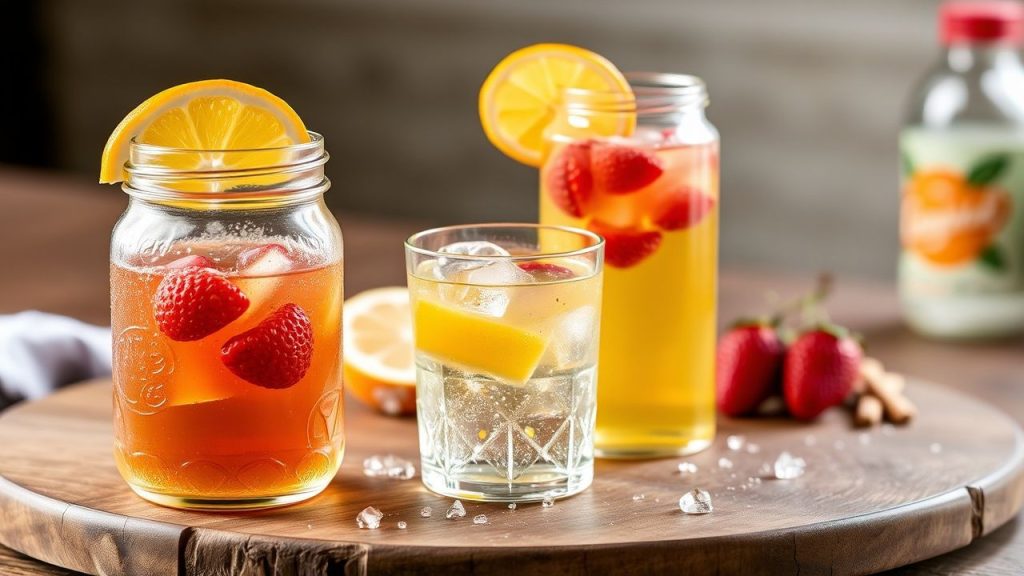
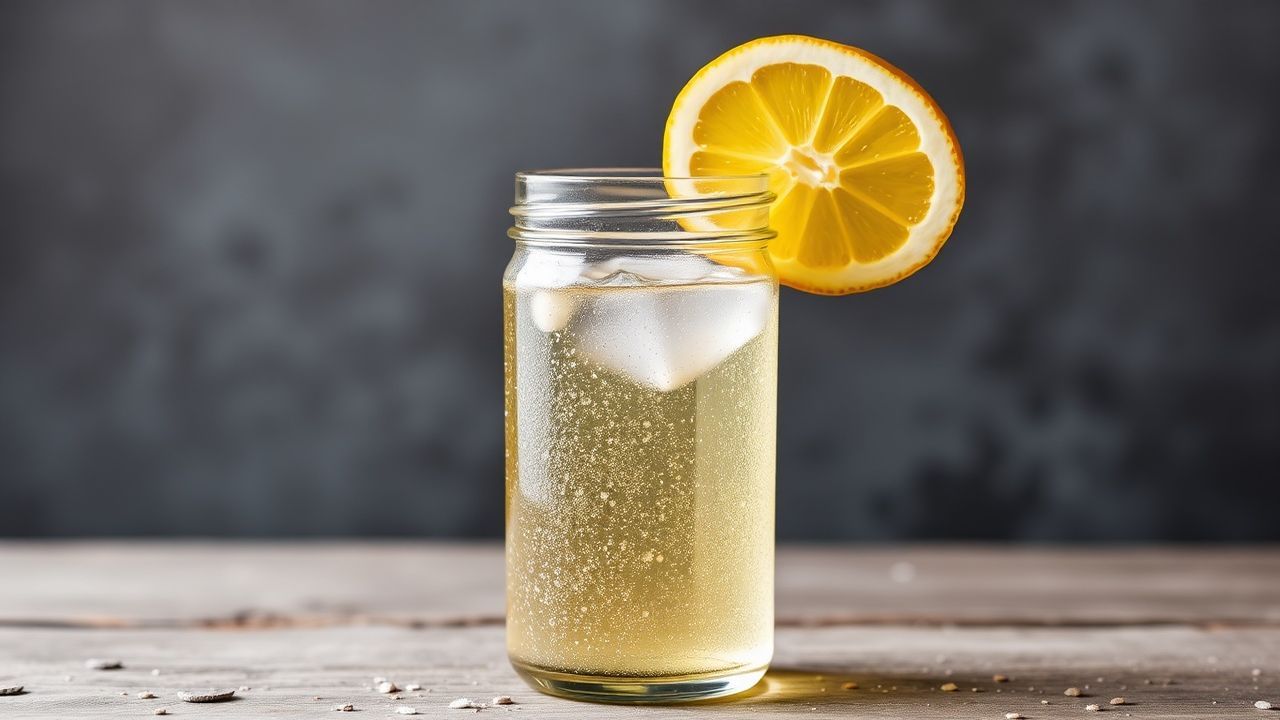
Once your bubbling bliss ginger bug is active, use it to craft sparkling herbal sodas by adding freshly squeezed lemon juice, mint leaves, or seasonal berries. For a refreshing presentation, pour over ice in a clear glass tumbler garnished with a thin slice of candied ginger or a sprig of rosemary. The naturally effervescent quality offers a lively mouthfeel making each sip a crisp celebration of handcrafted tradition.

Bubbling Bliss: Vibrant Ginger Bug Starter Fermenting in Glass Jar

Nutrient Amount per 100ml
Calories 20 kcal
Carbohydrates 5 g
Protein 0.1 g
Fat 0 g

Creative Flavor Infusions to Elevate Your Homemade Ginger Soda Experience

With an active ginger bug in hand, you unlock endless flavor possibilities. Infuse your sodas with vibrant notes like fresh lavender for a floral twist, or invigorate with a dash of turmeric and black pepper for a spicy health boost. For a tropical vibe, blend pineapple juice and a hint of vanilla bean into your brew before bottling. Sweeten naturally using honey or maple syrup at bottling time, adjusting to your taste. Remember, patience during secondary fermentation enhances complexity-store bottles at room temperature for an extra 2-3 days to develop rich, zesty bubbles before chilling.

Unleash your creativity and let your ginger bug become the heart of unforgettable home fermented sodas that sparkle with health, zest, and personality.

Discover more about natural fermentation techniques in our Fermentation Basics Guide. For an in-depth understanding of microbes in fermentation, explore ScienceDaily’s coverage on fermentation microbiomes.

Q&A

Q&A: Bubbling Bliss – Crafting Your Own Ginger Bug Soda Starter

Q1: What exactly is a ginger bug, and why should I care?
A ginger bug is a natural fermenting starter made from fresh ginger, sugar, and water. It’s the magical bubbling base that kickstarts your homemade soda’s fermentation, producing delightful fizzy drinks loaded with probiotics. Think of it as your personal soda fairy, turning simple ingredients into sparkling bliss!

Q2: How do I create my very first ginger bug?
Start by grating or finely chopping about 2 tablespoons of fresh ginger root. Combine it with 2 tablespoons of sugar (white cane or organic works great) and 2 cups of filtered water in a clean jar. Stir well, cover loosely with cloth or paper towel to keep out dust but invite air, and let it sit at room temp. Every day, feed it with 1 tablespoon each of grated ginger and sugar. In 3-5 days, watch for lively fizzing bubbles-a sign your bug is ready to rock!

Q3: What’s the science behind the bubbles?
The bubbles come from wild yeast and friendly bacteria naturally residing on the ginger skin. These microbes feast on sugar, producing carbon dioxide gas and beneficial acids in the process. This natural carbonation is what gives your soda its sparkle and tang, without artificial ingredients or carbonation gadgets.

Q4: Can I use any ginger to make my bug?
Fresh, organic ginger is best because it likely harbors a richer community of natural yeast and bacteria. Conventionally farmed ginger may still work but might be less vigorous due to washing or sterilizing practices. Always make sure your ginger is clean and freshly grated for the happiest fermentation friends.

Q5: How do I know when my ginger bug is ready?
Within about 3 to 5 days, you’ll see bubbles dancing on the surface and a slightly yeasty, tangy aroma filling the jar. The liquid will have a mild fizz when you stir. If it smells rotten or moldy, toss it and start over. The perfect ginger bug smells lively and fresh-like nature’s soda whisperer.

Q6: How do I maintain my ginger bug once it’s active?
Once bubbling happily, keep it alive by feeding it daily with 1 tablespoon grated ginger and 1 tablespoon sugar, stirring each time. Use it regularly to start sodas or store it in the fridge, feeding it weekly. Remember, a happy ginger bug is a bubbly ginger bug!

Q7: What kind of sodas can I make with my ginger bug?
The world is your fizzy oyster! Use your ginger bug to ferment homemade ginger ale, lemon-lime soda, berry blends, hibiscus fizz, or even spicy chai soda. Just mix your favorite juice or tea with some sugar and a bit of your ginger bug starter-the bubbles will bloom, and your taste buds will thank you.

Q8: Are there any safety tips for brewing my own ginger bug sodas?
Absolutely! Use clean utensils and jars, avoid metal containers, and always rely on your senses. If your bug or soda smells off, shows mold, or turns strange colors, discard and start fresh. Fermentation is a delicate dance-respect it, and it will reward you with safe, delicious soda magic.

Q9: Can kids get involved in ginger bug brewing?
Definitely! Watching bubbles form is like a science experiment from a soda fairy tale. It’s a great way to teach kids about fermentation, microbes, and homemade goodness. Just supervise the feeding and bottling to keep it safe and fun.

Q10: How long does a ginger bug last?
With proper care, your ginger bug can live for months or even years, bubbling merrily along. If neglected, it may slow down or lose strength, but feeding and refreshing it usually brings it back to life. It’s a tiny, fizzy companion worth keeping around for endless homemade soda adventures!

Concluding Remarks

As you embark on your journey to craft the perfect ginger bug soda starter, you’re not just mixing ingredients-you’re nurturing a lively, bubbling ecosystem that transforms simple elements into effervescent delight. Each fizz and bubble is a testament to the magic of natural fermentation, inviting you to experiment, savor, and share your homemade soda creations. So, roll up your sleeves, embrace the fizz, and let your ginger bug become the spirited heart of countless sparkling adventures ahead. Cheers to bubbling bliss in every bottle!
Bubbling Bliss: Crafting Your Own Ginger Bug Soda Starter

You Might Also Like

Herb-Kissed Baked Halibut: A Flavorful Seafood Delight

Bright Start: Refreshing Lemon Blueberry Overnight Oats Recipe

Hearty Turkey and Bean Soup: A Comforting Classic Recipe

Unlock Flavor: How to Make Creamy Roasted Garlic Hummus Dip

Hearty Turkey Vegetable Noodle Soup: A Nutritious Classic

TAGGED:andbubblingcraftinggingertheyour
Share This Article
Facebook Twitter Pinterest Whatsapp Whatsapp LinkedIn Telegram Threads
What do you think?
Love0
Sad0
Happy0
Sleepy0
Angry0
Dead0
Wink0
Previous Article The Science Behind Crafting the Perfect Kimchi Flavors The Science Behind Crafting the Perfect Kimchi Flavors
Next Article Stirred to Perfection: Constant vs. Intermittent Risotto Secrets Stirred to Perfection: Constant vs. Intermittent Risotto Secrets
Savoring Turkey and Rice Stew: A Hearty Delight Unveiled
Extra Picks
Turkey Meatloaf Muffins: Protein-Packed Bites of Comfort
Extra Picks
Cozy Up with Creamy Roasted Squash and Apple Soup Bliss
Extra Picks
Hearty Beef and Potato Hash: A Savory Classic to Savor
Extra Picks

Most Viewed Posts

  • The Art and Science Behind Perfect Culinary Espumas (1,463)
  • Crisp Science: Unlocking the Chemistry of Perfect Tempura (919)
  • Unlocking Vanillin: The Chemistry Behind Vanilla’s Magic (354)
  • Master the Art of the Perfectly Boiled Potato Every Time (310)
  • Fats That Transform: Experimenting with Flavorful Fats (301)

Tags

and are art baked beef behind carrot chemistry chicken crafting creamy crispy easy exploring flavor food for garlic hearty heat how magic master mastering microwave perfect perfectly protein savor science searing secrets steak the turkey ultimate unlocking unveiling velvety what when why with your zesty
January 2026
M T W T F S S
 1234
567891011
12131415161718
19202122232425
262728293031  
« Dec    

You Might Also Like

Unlocking Flavor: Mastering Vegetable Searing for Perfect Caramelization
Extra Picks

Unlocking Flavor: Mastering Vegetable Searing for Perfect Caramelization

William J. Kroll William J. Kroll January 12, 2026
Mastering Meringue: Secrets to a Perfectly Stable Whip
Protein Chemistry

Mastering Meringue: Secrets to a Perfectly Stable Whip

William J. Kroll William J. Kroll January 12, 2026
Whisking Woes: What Happens When Sugar Hits Egg Whites Early?
Sugar & Starch

Whisking Woes: What Happens When Sugar Hits Egg Whites Early?

William J. Kroll William J. Kroll January 12, 2026
Unlocking Rosemary’s Essence: The Science Behind Its Flavors
Flavor & Aroma

Unlocking Rosemary’s Essence: The Science Behind Its Flavors

William J. Kroll William J. Kroll January 12, 2026
Unlocking Microwave Power: Mastering Levels for Perfect Cooking
Microwave Myths

Unlocking Microwave Power: Mastering Levels for Perfect Cooking

William J. Kroll William J. Kroll January 12, 2026
Picnic Chemistry: Safely Blending Fun with Food Science
5-Second Rule

Picnic Chemistry: Safely Blending Fun with Food Science

William J. Kroll William J. Kroll January 12, 2026
Follow US
By Fimaw.com © All Rights Reserved.
  • Advertising Policy
  • Contact Us
  • Cookie Policy
  • Copyright Notice
  • Disclaimer
  • Privacy Policy
  • Terms of Service
Welcome Back!

Sign in to your account

Lost your password?