
By using this site, you agree to the Privacy Policy and Terms of Use.
Accept
CookOrBitCookOrBitCookOrBit
  • Home
  • About Us
  • Ingredient Science
    • Flavor & Aroma
    • Protein Chemistry
    • Sugar & Starch
    • Fats & Emulsions
  • Cooking Techniques
    • Searing & Grilling
    • Baking & Roasting
    • Boiling & Steaming
    • Low & Slow
  • Kitchen Experiments
    • DIY Ferments
    • Flavor Tests
    • Gadget Testing
    • Molecular Gastronomy
  • Food Myths
    • Searing Myth
    • 5-Second Rule
    • MSG Myths
    • Microwave Myths
  • Tools
  • More
    • Extra Picks
    • Quick & Easy
      • Breakfast Ideas
      • Desserts
      • Snacks
      • Soups
    • Global Flavors
      • Asian Street Eats
      • Latin Comforts
      • Mexican Flavors
      • Modern Mediterranean
CookOrBitCookOrBit
  • Home
  • About Us
  • Ingredient Science
  • Cooking Techniques
  • Kitchen Experiments
  • Food Myths
  • Tools
  • More
Search
  • Home
  • About Us
  • Ingredient Science
    • Flavor & Aroma
    • Protein Chemistry
    • Sugar & Starch
    • Fats & Emulsions
  • Cooking Techniques
    • Searing & Grilling
    • Baking & Roasting
    • Boiling & Steaming
    • Low & Slow
  • Kitchen Experiments
    • DIY Ferments
    • Flavor Tests
    • Gadget Testing
    • Molecular Gastronomy
  • Food Myths
    • Searing Myth
    • 5-Second Rule
    • MSG Myths
    • Microwave Myths
  • Tools
  • More
    • Extra Picks
    • Quick & Easy
    • Global Flavors
Follow US
  • Advertising Policy
  • Contact Us
  • Cookie Policy
  • Copyright Notice
  • Disclaimer
  • Privacy Policy
  • Terms of Service
By Fimaw.com
- Cornstarch Magic: Unlocking Meat's Tender Shield
CookOrBit > Blog > Ingredient Science > Sugar & Starch > Cornstarch Magic: 7 Proven Techniques to Unlock Tender Meat
Sugar & Starch

Cornstarch Magic: 7 Proven Techniques to Unlock Tender Meat

William J. Kroll
By William J. Kroll
Published: October 2, 2025
Share
SHARE

Cornstarch Magic: Unlocking Meat’s Tender Shield

Cornstarch gives you a repeatable way to keep meat juicy and tender during high-heat cooking. Applied correctly, it forms a thin protective layer that slows moisture loss and improves mouthfeel without masking flavor.

Contents
  • Cornstarch Magic: Unlocking Meat’s Tender Shield
  • How Cornstarch Works
  • Science Behind Tenderness
  • Ingredients & Prep
    • Key ingredient roles
  • Step-by-Step: Velveting with Cornstarch
  • Practical Tips for Success
  • Technique Adjustments by Protein
  • Serving Suggestions and Nutrition
  • Common Mistakes and Fixes
  • FAQ
    • How much cornstarch should I use per pound of meat?
    • Will cornstarch change the flavor of my dish?
    • Can I replace cornstarch with another starch?
    • Is the technique safe for all cooking methods?
    • How do I store velveted meat before cooking?
  • Creates a moisture barrier that preserves juices during searing and stir-frying.
  • Improves texture by smoothing the meat surface and reducing toughness.
  • Works with most proteins—poultry, pork, beef and some game respond well.

How Cornstarch Works

Cornstarch functions primarily by absorbing surface moisture and then gelatinizing when heated. That gelatinized film reduces direct heat-driven water loss and limits protein tightening at the surface.

At the molecular level, heated starch granules swell and form a semi-cohesive layer that traps water and any marinade components close to the muscle fibers. For background on starch behavior, see starch gelatinization.

- Advertisement -

Science Behind Tenderness

Meat toughening arises when muscle proteins denature and expel water under high heat. Controlling that surface process preserves succulence and improves perceived tenderness.

To understand protein changes during cooking, review protein denaturation. Also consider how surface reactions like the Maillard reaction influence flavor once moisture is managed.

Ingredients & Prep

Use thinly sliced meat for even coating and fast, consistent cooking. For home cooks, boneless chicken thighs, flank steak, or pork shoulder cut into strips work reliably.

- Advertisement -

Core ingredients: protein, a small amount of soy or salt for seasoning, and cornstarch. Keep cornstarch dry-sifted to avoid clumps and measure accurately for a light veil rather than a paste.

Key ingredient roles

Cornstarch forms the tender shield and minimizes moisture escape. Use roughly 2–3 tablespoons per pound of thinly sliced meat for velveting-style results.

Salt or soy seasons and aids water retention; small amounts in the marinade improve overall texture. For longer marination, reduce salt to avoid excessive extraction of juices.

- Advertisement -

Step-by-Step: Velveting with Cornstarch

Velveting is the practical application of cornstarch to protect meat. The technique combines a brief marinade, a light cornstarch coating, and quick, high-heat cooking.

Follow these clear actions: season and marinate briefly, pat the meat dry, dust with cornstarch, rest to hydrate the coating, then sear or stir-fry. This sequence ensures the film can form and perform during heat exposure.

  1. Marinate briefly: Mix a splash of soy or salt, a little oil, and aromatics. Keep the marination under 30 minutes for thin pieces so you do not draw out juices.
  2. Dry and coat: Pat meat to remove surface moisture. Toss lightly in sifted cornstarch until evenly coated; shake off any excess.
  3. Rest to hydrate: Let the coated meat sit 5–10 minutes. The cornstarch absorbs surface moisture and bonds to proteins to form the shield.
  4. Cook hot and fast: Use medium-high heat and avoid overcrowding. Sear until edges brown and internal temperature reaches the safe range for that protein.
  5. Finish with brief steam (optional): Add a small splash of stock or water and cover briefly to complete cooking gently without drying the meat.

Practical Tips for Success

Measure cornstarch carefully; too much creates gummy texture, too little offers no protection. Maintain a thin, even layer for crisp or silky results depending on sauce and heat.

Control pan temperature. Medium-high heat develops color without burning the starch. If oil smokes, lower the heat to avoid bitter notes and ruined texture.

💡 Expert Insight
Expert Insight: Use a small amount of egg white in the marinade for an extra clingy base before dusting with cornstarch. This hybrid approach combines adhesion and starch shielding for superior velveting.

Layer flavors in the marinade but avoid heavy acidity when velveting. Acidic agents break down proteins chemically and can alter how the starch adheres if left too long.

⚠️ Pro-Caution
Pro-Caution: Never overload the pan. Crowding lowers temperature and causes the starch coating to steam rather than sear, producing a limp or gummy surface. Cook in batches for consistent results.

Technique Adjustments by Protein

Poultry benefits from slightly longer resting after coating; this helps the film bond and prevents dryness when internal temperature rises rapidly. For lean cuts like chicken breast, shorter high-heat searing followed by a brief covered finish works well.

Beef responds to this technique when thinly sliced. Tougher cuts cut small and cooked briefly become tender and silky. For very tough cuts, combine cornstarch velveting with low-and-slow braising for best results.

Serving Suggestions and Nutrition

Serve velveted meat over steamed rice, noodles, or alongside stir-fried vegetables. The cornstarch layer holds sauce well, producing a glossy glaze that adheres to the protein.

Nutrition impact is minor: cornstarch adds a small carbohydrate amount per serving but contributes no saturated fat. To compare methods, consult internal guides or your nutrition advisor for portion control and dietary needs.

Explore related in-house resources for complementary techniques: Ultimate Marination Guide and Velveting & Stir-Fry Techniques. These pages expand on timing, seasoning ratios, and temperature control for home cooks.

Common Mistakes and Fixes

Common errors include over-coating, marinating too long with heavy acid, and pan overcrowding. Each mistake undermines the protective function of cornstarch and risks texture failure.

Fixes are simple: use less cornstarch, shorten acidic contact time, and cook in smaller batches over consistent heat. Re-test with one or two slices before finishing the full batch to confirm timing.

FAQ

How much cornstarch should I use per pound of meat?

Use about 2–3 tablespoons per pound of thinly sliced meat. That quantity produces a light veil rather than a paste and reliably improves texture during quick cooking.

Will cornstarch change the flavor of my dish?

Cornstarch itself is neutral and does not alter flavor significantly. It helps sauces cling and concentrates existing seasonings by preventing loss of juices during cooking.

Can I replace cornstarch with another starch?

Yes. Potato starch or tapioca starch can work similarly but behave slightly differently under heat. Test ratios for alternative starches because some gelatinize at different temperatures.

Is the technique safe for all cooking methods?

Velveting with cornstarch suits high-heat stir-frying, pan-searing, and quick sautés. It does not replace mechanical tenderizing or long braises for very tough cuts, but it enhances fast-cook methods.

How do I store velveted meat before cooking?

You can marinate and coat up to 24 hours ahead; keep covered in the refrigerator. Bring pieces close to room temperature for more even cooking, then pat dry and proceed with the coating step if needed.

For supplemental theory, read the cornstarch overview and practical notes on stir-frying to connect technique with heat management and flavor development.

Closing note: Apply cornstarch with precision and consistent timing to transform ordinary meat into reliably tender results. Precise measurement, controlled heat, and small batches deliver professional-level texture at home.

See also: Cornstarch

7 Pro Tips for Chicken Fried Rice
7 Science-Backed Food Chemistry Tips for a Safe, Tasty Picnic
7 Bold Steps to Craft Zesty Fermented Mustard with Whey
7 Reasons to Try Roasted Sweet Potato & Quinoa Delight Today
7 Proven Keto Bars: Decadent Pecan Pie Bars
TAGGED:andcornstarchCornstarch cookingFood scienceMeat tenderizingprotein denaturationSearing methodsStir-fry tipstendertheunlockingVelveting technique
Share This Article
Facebook Pinterest Whatsapp Whatsapp LinkedIn Telegram Threads
What do you think?
Love0
Sad0
Happy0
Sleepy0
Angry0
Dead0
Wink0
Previous Article - Salt and Proteins: Unraveling the Structural Dance Salt Secrets: 7 Mechanisms That Shape Protein Structure
Next Article - Why Are My Cookies Flat and Greasy? Baking Fixes Explained Fix Flat and Greasy Cookies: 9 Proven Baking Fixes
Hearty Beef and Broccoli Stew: A Flavorful Comfort Classic
Beef Stew: Hearty Beef & Broccoli Stew
Extra Picks
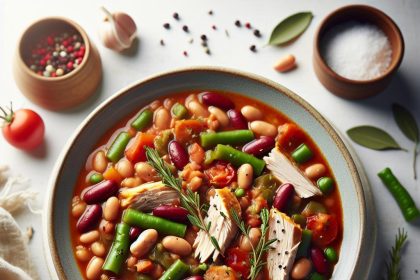
Hearty Chicken and Rice Soup: Comfort in Every Bowl
7 Pro Tips for Hearty Chicken Soup
Extra Picks
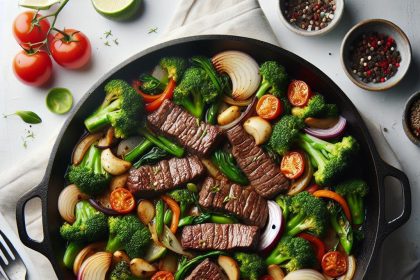
Sizzling Beef and Broccoli Skillet: Quick, Flavorful Feast
10-Min Beef Broccoli Skillet — Fast, Flavorful
Extra Picks
Savory Secrets to Perfectly Creamy Garlic Chicken Delight
7 Savory Secrets for Perfectly Creamy Garlic Chicken Delight
Extra Picks

Tags

and art baked baking science baking techniques Baking tips batch cooking beef behind butternut squash caramelization cast iron skillet chemistry chicken comfort food Cooking science cooking technique Cooking techniques Cooking tips crafting creamy creamy soup crispy culinary science fish flavor flavor chemistry food food safety Food science for garlic golden Ground turkey healthy dinner hearty heat high-heat cooking high protein meals how instant read thermometer Lean protein magic Maillard reaction make ahead meals make ahead soup mastering meal prep Meal prep recipes meat thermometer microwave microwave cooking moisture control one pot meals Pan searing perfect perfectly Plant based protein Probe thermometer protein denaturation roasted roasted squash Roasted vegetables Roasting techniques Roux technique savor savory science Searing technique Searing techniques secrets slow cooking slow simmer squash steak steak cooking sweet temperature control the top turkey turkey soup turkey stew ultimate umami cooking umami flavor unlock unlocking unveiling vegetable velvety weeknight dinner Weeknight dinners weeknight meals what when why with your zesty
March 2026
M T W T F S S
 1
2345678
9101112131415
16171819202122
23242526272829
3031  
« Feb    

You Might Also Like

- Campfire Chemistry: Mastering a Safe Camping Kitchen Quiz
5-Second Rule

Campfire Chemistry: 10 Essential Tips for Safe Camping Cooking

William J. Kroll
William J. Kroll
October 29, 2025
- Paprika's Color Magic: How It Shapes Crust's Golden Hue
Searing & Grilling

Paprika’s Color Magic: 7 Pro Tips to Achieve Golden Crusts

William J. Kroll
William J. Kroll
November 13, 2025
- Unveiling the Zesty Secrets: Flavor Compounds in Citrus Peel
Flavor & Aroma

7 Zesty Secrets: Flavor Compounds in Citrus Peel

William J. Kroll
William J. Kroll
November 16, 2025
قدر الطهي البطيء ومقياس حرارة لاختبار دقة الحرارة ونصائح
Gadget Testing

Slow Cooker Showdown: 9 Expert Temperature Accuracy Tips

William J. Kroll
William J. Kroll
September 29, 2025
- Blending Brilliance: The Science Behind Your Perfect Smoothi
Flavor Tests

Smoothie Mastery: 7 Science-Proven Tips for Ultra-Creamy Blends

William J. Kroll
William J. Kroll
October 29, 2025
- Grill Genius: Unlocking the Science Behind Perfect BBQ
Searing & Grilling

BBQ Mastery: 10 Proven Steps to Perfect BBQ

William J. Kroll
William J. Kroll
October 29, 2025
Follow US
By Fimaw.com © All Rights Reserved.
  • Advertising Policy
  • Contact Us
  • Cookie Policy
  • Copyright Notice
  • Disclaimer
  • Privacy Policy
  • Terms of Service
Welcome Back!

Sign in to your account

Username or Email Address
Password

Lost your password?