

Imagine biting into a sun-dried tomato whose richness feels almost amplified. Drying or mild body dehydration changes the concentration and delivery of flavor molecules, and that shift makes taste more intense. Understanding dehydration‘s profound effect on flavor perception is a scientific secret that chefs and food enthusiasts alike can leverage.
- Dehydration concentrates solutes, boosting perceived sweetness and saltiness.
- Reduced saliva changes how taste molecules reach receptors.
- Ingredient drying concentrates sugars and amino acids, intensifying aroma and taste.
How dehydration alters mouth chemistry
Mild dehydration reduces saliva volume and raises ionic concentration. That change shifts the chemical environment on the tongue and alters receptor activation. Understanding dehydration‘s impact on our senses is key to appreciating its culinary applications. The subtle science behind dehydration and taste is fascinating.
Saliva both dissolves compounds and buffers ions that interact with taste receptors. See the role of saliva for background on its composition and function. This biological fluid matter significantly in how we perceive flavors, especially when considering dehydration.
Saliva volume and ionic concentration
When saliva volume drops due to mild dehydration, solutes from food become more concentrated at the receptor surface. Higher ionic strength amplifies salty and umami signals, because ion channels and receptors respond to steeper gradients. This is a fundamental aspect of how dehydration influences our taste buds.
Concentration also affects bitterness and sourness, which can become sharper. The balance shifts quickly; small changes in mouth hydration produce noticeable sensory effects, demonstrating the sensitivity of our palate to variations in hydration, or the effects of dehydration.
Taste receptors and sensory response
Taste perception combines receptor activation with retronasal aroma to form flavor. The sensory system integrates signals from taste buds, smell, and trigeminal nerves to produce the final perception. The body’s hydration state significantly influences this intricate process, making dehydration a key factor.
For a technical overview of the sensory organs involved, consult the overview on taste buds and how they transduce chemical signals. These marvels of biology are directly affected by the presence or absence of sufficient hydration, impacting our experience of food.
Which tastes change most?
Salty and umami notes increase more predictably because they rely on ionic and amino-acid detection. Sweet and sour can also sharpen, but bitterness risks becoming unpleasant at low hydration. This highlights how dehydration selectively impacts different taste profiles.
Practical point: mild saliva reduction often enhances desirable notes; more severe dehydration reduces appetite and dulls smell, reducing overall enjoyment. The nuanced effects of dehydration are critical for culinary success.
Ingredient dehydration: concentrating flavor compounds
Removing water from ingredients concentrates sugars, acids and amino acids. That concentration magnifies aroma release and intensifies perceived sweetness and savory depth. This is a core principle behind using dehydration in cooking. The scientific process of dehydration is a powerful culinary tool.
Drying also alters chemistry: reactions such as the Maillard reaction or caramelization proceed differently with less water, creating new aroma compounds that boost complexity. These chemical transformations, accelerated by dehydration, contribute to richer flavors.
Examples from fruit and meat
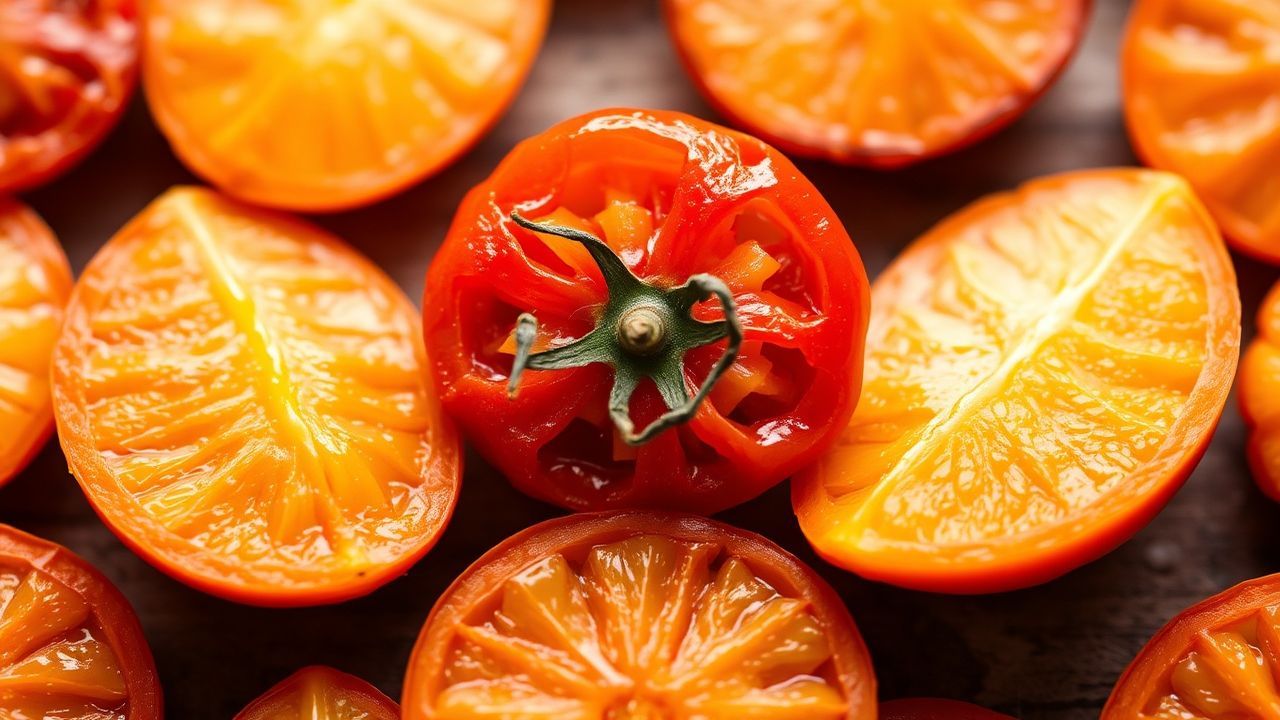
Sun-dried tomatoes taste richer because their sugars and glutamates concentrate, enhancing both sweetness and umami. Dried mango or apricot taste sweeter for the same reason: water loss raises sugar density per bite, a direct result of dehydration. This is a prime example of how dehydration amplifies natural sugars.
In cured meats, controlled drying and salt concentrate flavor while enzymatic and Maillard pathways produce savory and roasted notes. Chefs use these methods deliberately to intensify profile without adding new ingredients, proof of the power of dehydration.
Internal resources: See our recipes on dried-fruit techniques and the science explainer on saliva and taste for hands-on guidance. These resources offer practical applications of understanding dehydration.
Practical culinary applications
Chefs leverage dehydration to boost flavor without extra salt or sugar. Techniques include partial drying, dehydration at low temperature, or concentrating reductions to amplify aroma per bite. The strategic use of dehydration is a hallmark of sophisticated cooking.
Use modest drying for fruits and tomatoes to add intensity; use curing and controlled drying for savory items to deepen umami. Always combine with acidity or fat to balance intensified flavors. This careful balancing acts as a counterpoint to the effects of dehydration.
Apply concentrated ingredients sparingly—small amounts deliver dramatic impact. Plate tasting and incremental adjustments keep balance intact, a crucial step when working with the amplified flavors achieved through dehydration.
Safety and sensory limits
Intentional ingredient dehydration differs from bodily dehydration; the latter harms function and can reduce olfactory sensitivity if severe. Maintain hydration for health and optimal sensory acuity. It’s vital to distinguish between the culinary benefits of dehydration and the health risks of bodily dehydration.
When drying ingredients, control temperature and humidity to prevent spoilage. Proper food-safety steps—clean surfaces, correct storage, and safe drying protocols—preserve flavor and reduce risk, ensuring the positive outcomes of dehydration are realized safely.
How chefs and food scientists apply the effect
Professionals use both ingredient drying and sensory design to shape memorable plates. They consider moisture, salt, fat and aroma delivery to tune intensity without overloading a single sense. Understanding the principles of dehydration allows for precise flavor control. The application of dehydration in professional kitchens is both an art and a science.
Simple practices include finishing with a concentrated reduction, toasting for Maillard notes, or serving a slightly drier garnish to contrast a moist main. These choices adjust perceived strength through texture and release rate, all influenced by the controlled application of dehydration.
At-table tactics to use dehydration safely
Pair concentrated elements with hydrating components: a moist puree, a squeeze of citrus, or a cooling yogurt calms intense notes. This keeps mouthfeel pleasant while preserving the amplified flavor achieved through dehydration. Thoughtful pairing is key to enjoying the results of ingredient dehydration.
Offer water between bites to reset saliva levels and avoid cumulative bitterness. Restaurants may design tasting portions to control hydration impact during a service, managing the sensory experience related to dehydration.
FAQ
Does mild dehydration always make food taste stronger?
Mild dehydration commonly increases perceived intensity for salty and umami notes. However, severe dehydration reduces olfactory sensitivity and overall gustatory pleasure, so the relationship is not linear. The effects of dehydration are complex and dose-dependent.
Can I intentionally dry food at home to intensify flavor?
Yes. Low-temperature dehydration or oven-drying concentrates sugars and amino acids. Follow safe drying times and storage guidelines to prevent microbial growth and preserve quality. Home dehydration is a fantastic way to boost flavor naturally.
How do I balance intensified flavors on a plate?
Balance with acid, fat, or moisture. A small amount of concentrated ingredient can deliver a bold note; counterbalance with saline, sour, or fatty elements to maintain harmony. This balance is crucial for managing the intense flavors resulting from dehydration.
Are some flavors more affected than others?
Salty and umami generally intensify most because of ionic and amino-acid concentration effects. Sweet and sour also sharpen, while bitterness can become unpleasant when over-concentrated. This selective amplification is a key characteristic of dehydration‘s impact.
When is dehydration harmful for tasting?
Relying on bodily dehydration to enhance taste is unsafe. Dehydration beyond mild thirst impairs senses and health. Use ingredient drying or controlled culinary methods instead of altering your hydration state. The distinction between culinary dehydration and physiological dehydration is critical for safety.
See also: Dehydration