
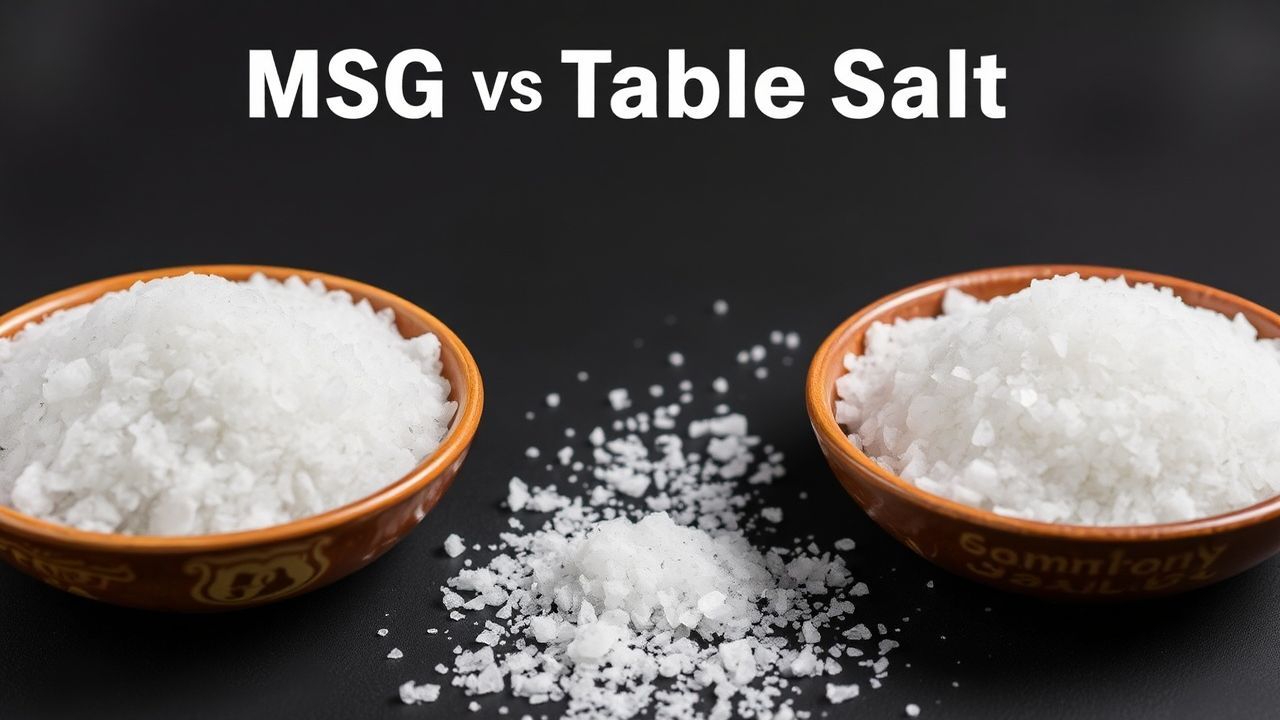

MSG vs. Table Salt: Unpacking the Sodium Showdown
Two common seasonings—monosodium glutamate (MSG) and table salt—deliver sodium and shape flavor in different ways. Chefs and dietitians choose one or both to control taste and total sodium load without losing depth. This piece compares their chemistry, culinary use, and practical tips for lowering sodium while keeping food satisfying.
- MSG supplies umami while adding less sodium per gram than salt.
- Table salt (sodium chloride) provides direct saltiness and preserves texture.
- Combining modest MSG with reduced salt can lower total sodium and improve flavor.
- Use measured techniques to keep dishes balanced and health-aware.
Quick Recipe Snapshot
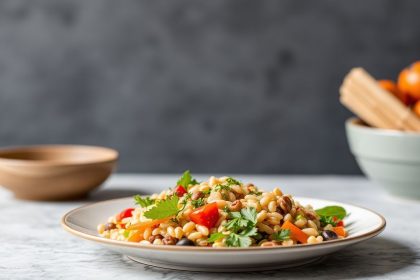
Prep: 10 minutes | Cook: 25 minutes | Total: 35 minutes. This practical stir-fry demonstrates how small MSG amounts boost depth so you can reduce table salt.
Yield: 4 servings. Difficulty: Easy to Medium. The method fits home cooks who want clear steps and modest ingredient control.
Chemical profiles and what they mean
Table salt is primarily sodium chloride, an ionic compound that provides straightforward saltiness and affects water activity in food. It dissolves quickly, seasons uniformly, and contributes to texture in bread and cured foods.
MSG is sodium bound to the amino acid glutamate, most commonly produced by fermentation. See the reference entry on monosodium glutamate for production and history. Glutamate activates the umami taste receptors and amplifies savory perception without only increasing salty notes.
Sodium content and health context
By weight, typical table salt contains about 39% sodium, while MSG contains roughly 12% sodium. That means you can often reach the same perceived savory intensity with less sodium when you use MSG strategically alongside reduced salt.
Sodium itself is an essential electrolyte; read the basic biochemistry at the sodium entry. For patients with hypertension or heart failure, clinicians recommend lowering total sodium intake. Substituting part of the salt with MSG is one evidence-aligned strategy to reduce sodium while preserving palatability. Always coordinate dietary changes with a healthcare provider for clinical conditions.
Culinary roles: what each seasoning does
Salt brightens overall flavor, reduces bitterness, and promotes the typical ‘salty’ sensation. It affects mouthfeel and can bring forward aromatics in a dish. It also acts as a preservative and texture modifier in many recipes.
MSG enhances umami, a distinct taste often described as savory or brothy. The umami concept is documented on its overview page at Umami. Use MSG to deepen meatiness, add roundness to broths, and make vegetables taste fuller without adding fat or excessive salt.
Ingredients for the example stir-fry
Below is the ingredient list used in the example. The quantities balance protein, aromatics, and seasonings to show how small MSG additions work in practice.
Keep an internal reference to our practical resources for further umami tips: Guide to umami flavors and for sodium control strategies see Sodium reduction guide.
- 1 lb boneless chicken thighs, cut into bite-size pieces
- 1 tbsp vegetable oil
- 1 medium onion, finely chopped
- 3 cloves garlic, minced
- 1 tsp grated ginger
- 1 cup diced bell peppers
- 1 tbsp low-sodium soy sauce
- ½ tsp table salt (adjust)
- ¼ tsp MSG (optional, umami boost)
- ½ tsp freshly ground black pepper
- 2 tbsp chicken broth or water
- 2 green onions, sliced; 1 tsp toasted sesame seeds (optional)
Instructions
These steps reinforce technique: use heat control, avoid overcrowding, and add seasonings in stages so you can taste and adjust. Small changes in timing and order affect final flavor sharply.
Follow the numbered process below and taste as you go. The goal is to show a practical workflow for reducing salt and incorporating a modest MSG dose when desired.
- Heat oil in a large skillet over medium-high. Add onions and sauté until translucent, about 3 minutes.
- Stir in garlic and ginger; cook 1 minute to release aroma but avoid browning them to the point of bitterness.
- Add chicken pieces in a single layer; brown on all sides about 6–8 minutes. Avoid crowding; work in batches if needed.
- Toss in diced bell peppers and sauté 2–3 minutes for color and slight crunch.
- Pour soy sauce and broth; bring to a simmer and scrape browned bits from the pan for flavor.
- Season with the listed table salt and a small pinch of MSG if using. Stir and simmer 4–5 minutes for flavors to meld.
- Finish with black pepper, garnish with green onions and sesame seeds, and serve over rice or grain of choice.
Chef’s notes and practical adjustments
Use MSG as a targeted enhancer, not a blanket replacement. Reduce table salt incrementally—start by cutting 25% and add ¼ tsp MSG to compensate, then taste and refine. This approach helps maintain familiarity while lowering sodium.
For vegetarian swaps, replace chicken with firm tofu and use vegetable broth. For smoky or spicy profiles, add a dash of smoked paprika or chili flakes, but keep the seasoning additions measured to control total sodium.
When you adjust salt levels, give the dish a short rest off heat; flavors continue to meld and you can reassess saltiness before serving. This resting period reduces the risk of oversalting.
Nutritional notes and serving suggestions
This recipe example aims for balanced macros and controlled sodium. Portion control, low-sodium broth, and reduced salt usage all contribute to a lower per-serving sodium load.
Serving suggestions include jasmine rice, quinoa, or steamed greens. Fresh herbs added at the end lift the dish without adding sodium.
| Nutrient | Per Serving |
|---|---|
| Calories | 280 kcal |
| Protein | 32 g |
| Carbohydrates | 8 g |
| Fat | 12 g |
FAQ
What is the core difference between MSG and table salt?
Table salt is primarily sodium chloride and gives direct saltiness. MSG supplies glutamate, which triggers umami receptors and enhances savory notes. They act differently on taste receptors, so chefs use them for distinct effects.
Does MSG reduce total sodium in a dish?
Because MSG contains less sodium by weight, substituting some salt with MSG can lower overall sodium while maintaining perceived flavor. Practical reductions require tasting and incremental adjustments to find the balance.
Is MSG safe for most people?
Regulatory bodies and decades of research consider MSG safe for the general population when used in typical culinary amounts. Individual sensitivities are rare; consult a healthcare professional if you suspect an adverse reaction.
Can I use MSG in baking or desserts?
MSG is primarily useful in savory applications to boost umami. It has limited use in sweet baking unless you deliberately pair it with salty or savory elements to create contrast.
How should I store MSG and salt for best quality?
Store both in cool, dry containers to prevent clumping and moisture uptake. Keep them away from heat and strong odors so they retain their free‑flowing character and flavor integrity.
For deeper technical reading on the chemistry of sodium and glutamate, consult the cited Wikipedia entries and follow internal practical guides linked above for recipe variations and sodium-control strategies.
See also: MSG